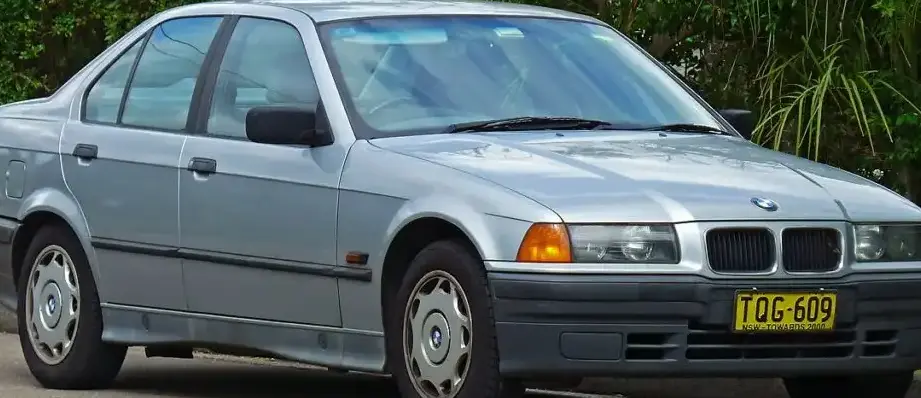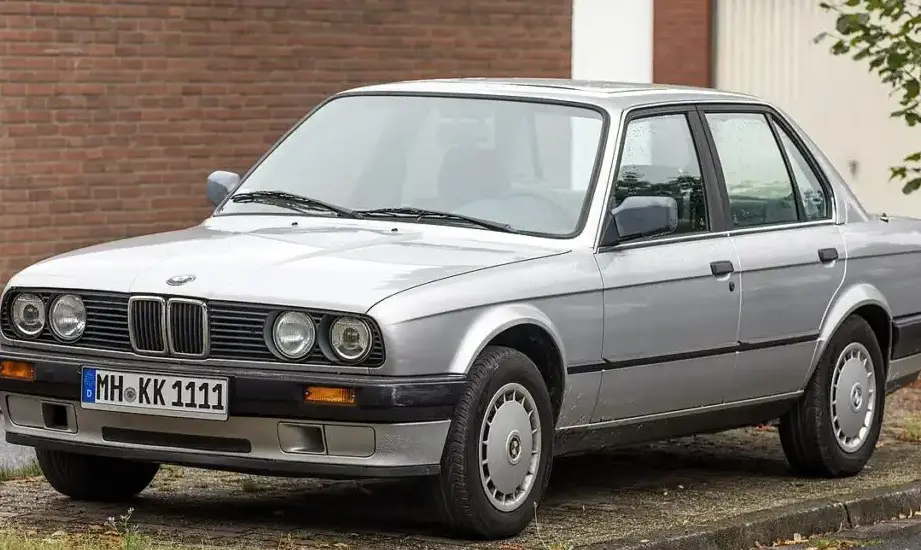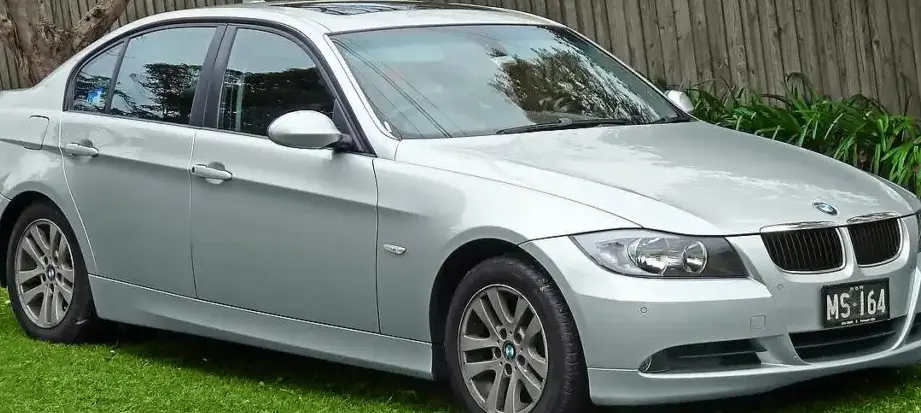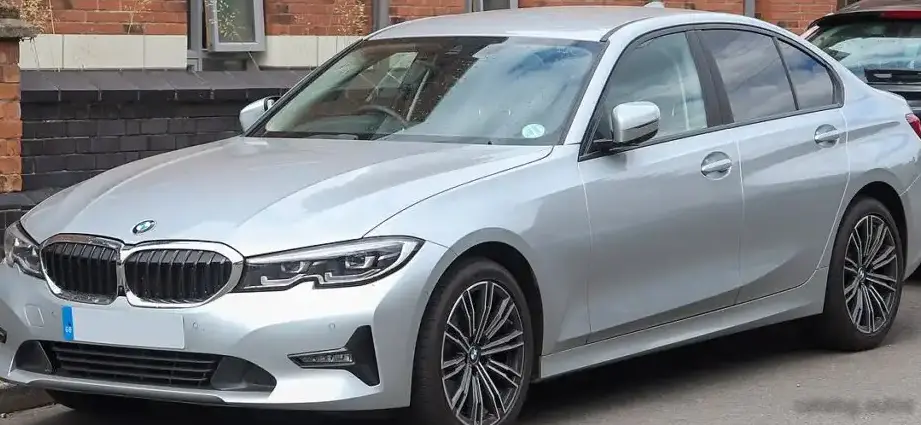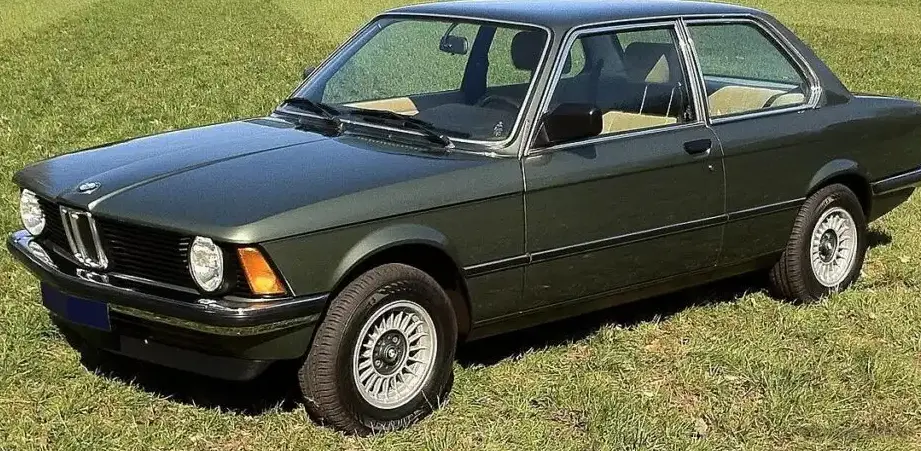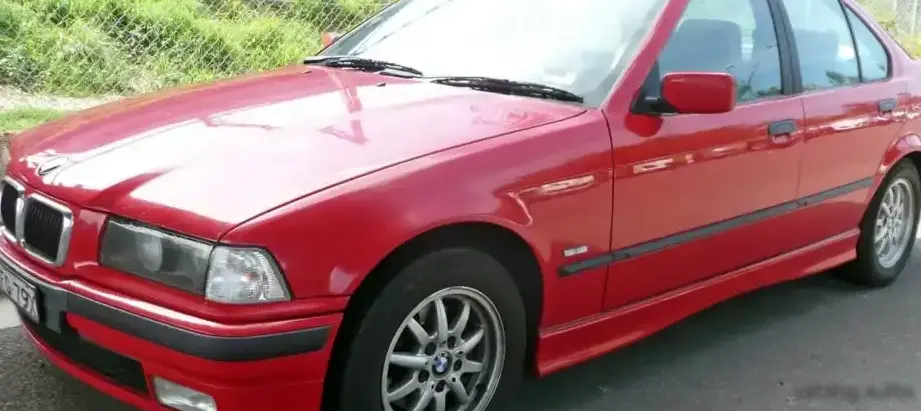
The BMW 3 Series Sedan (E36) 318tds, produced from 1995 to 2000, represented a distinctive offering within the highly successful E36 generation. This variant combined the fuel efficiency of a diesel engine with the practicality of a four-door sedan, primarily targeting the European market where diesel passenger cars were, and remain, considerably more prevalent than in the United States. The 318tds occupied the lower-mid range of the E36 lineup, positioned as an economical alternative to the gasoline-powered 318i and higher-performance models like the 328i. It provided a balance between affordability, reasonable performance, and BMW’s renowned driving dynamics.
Technical Specifications
| Brand | BMW |
| Model | 3 Series |
| Generation | 3 Series Sedan (E36) |
| Type (Engine) | 318tds (90 Hp) |
| Start of production | 1995 |
| End of production | 2000 |
| Powertrain Architecture | Internal Combustion engine |
| Body type | Sedan |
| Seats | 5 |
| Doors | 4 |
| Fuel consumption (urban) | 8.8 l/100 km (26.7 US mpg) |
| Fuel consumption (extra urban) | 5.2 l/100 km (45.2 US mpg) |
| Fuel consumption (combined) | 6.5 l/100 km (36.2 US mpg) |
| Fuel Type | Diesel |
| Acceleration 0 – 100 km/h | 14.4 sec |
| Acceleration 0 – 62 mph | 14.4 sec |
| Acceleration 0 – 60 mph | 13.7 sec |
| Maximum speed | 182 km/h (113.09 mph) |
| Weight-to-power ratio | 14.9 kg/Hp |
| Weight-to-torque ratio | 7.1 kg/Nm |
| Power | 90 Hp @ 4400 rpm |
| Torque | 190 Nm @ 2000 rpm (140.14 lb.-ft. @ 2000 rpm) |
| Engine layout | Front, Longitudinal |
| Engine Model/Code | M41D17 |
| Engine displacement | 1665 cm3 (101.6 cu. in.) |
| Number of cylinders | 4 |
| Engine configuration | Inline |
| Cylinder Bore | 80 mm (3.15 in.) |
| Piston Stroke | 82.8 mm (3.26 in.) |
| Compression ratio | 22:1 |
| Number of valves per cylinder | 2 |
| Fuel injection system | Precombustion chamber injection |
| Engine aspiration | Turbocharger, Intercooler |
| Valvetrain | OHC |
| Engine oil capacity | 5 l (5.28 US qt | 4.4 UK qt) |
| Coolant capacity | 7.5 l (7.93 US qt | 6.6 UK qt) |
| Kerb Weight | 1340 kg (2954.19 lbs.) |
| Max. weight | 1810 kg (3990.37 lbs.) |
| Max load | 470 kg (1036.17 lbs.) |
| Trunk (boot) space – minimum | 435 l (15.36 cu. ft.) |
| Fuel tank capacity | 65 l (17.17 US gal | 14.3 UK gal) |
| Length | 4433 mm (174.53 in.) |
| Width | 1698 mm (66.85 in.) |
| Height | 1393 mm (54.84 in.) |
| Wheelbase | 2700 mm (106.3 in.) |
| Front track | 1418 mm (55.83 in.) |
| Rear track | 1431 mm (56.34 in.) |
| Ride height (ground clearance) | 110 mm (4.33 in.) |
| Drivetrain Architecture | Rear wheel drive |
| Number of gears | 5 |
| Gearbox type | Manual transmission |
| Front suspension | Wishbone |
| Rear suspension | Coil spring |
| Front brakes | Ventilated discs |
| Rear brakes | Drum |
| Assisting systems | ABS (Anti-lock braking system) |
| Steering type | Steering rack and pinion |
| Power steering | Hydraulic |
| Tires size | 185/65 R15 |
| Wheel rims size | 15 |
Powertrain & Engine Architecture
The core of the 318tds is the M41D17, a 1.7-liter inline-four diesel engine. This engine employed precombustion chamber injection, a common system in diesel engines of that era. This system involves injecting fuel into a small pre-chamber connected to the main combustion chamber, where it ignites and subsequently ignites the main fuel charge. The M41D17 was equipped with a turbocharger and intercooler, increasing power output to 90 horsepower and 190 Nm (140 lb-ft) of torque. The engine’s relatively high compression ratio of 22:1 contributed to its efficiency. The 318tds was exclusively offered with a 5-speed manual transmission, engineered to manage the engine’s torque characteristics and deliver reasonable fuel economy. The engine is generally known for its durability, although the turbocharger and fuel injection system can require periodic maintenance.
Driving Characteristics
The 318tds delivered a markedly different driving experience compared to its gasoline-powered counterparts. While lacking the brisk acceleration of the 318i or 328i, the 318tds provided substantial low-end torque, making it surprisingly capable in everyday driving scenarios. The 5-speed manual transmission, while not particularly sporty, was well-matched to the engine’s powerband. The gear ratios were optimized for fuel efficiency and relaxed cruising. Acceleration from 0-60 mph took approximately 13.7 seconds, and the top speed was electronically limited to 113 mph. The emphasis was on usability and economy rather than outright performance. The rear-wheel-drive layout, a signature BMW characteristic, provided a balanced and engaging driving experience, although the relatively narrow tires (185/65 R15) limited available grip.
Equipment & Trim Levels
The 318tds typically came with a fairly basic standard equipment list, reflecting its position as an entry-level model. Standard features included power windows, central locking, and an anti-lock braking system (ABS). Interior upholstery was generally cloth, and the dashboard featured a simple, functional design. Optional extras included air conditioning, a sunroof, and upgraded audio systems. Higher trim levels, if available, might have added features like leather upholstery and wood trim, but the 318tds was primarily marketed as a practical and affordable option.
Chassis & Braking
The E36 3 Series chassis provided a robust foundation for the 318tds. The front suspension utilized a MacPherson strut design, while the rear featured a semi-trailing arm setup. The 318tds was equipped with ventilated disc brakes at the front and drum brakes at the rear. While the drum brakes were adequate for the car’s weight and performance, they were less effective than disc brakes, particularly during hard braking. A stabilizer bar was fitted to both the front and rear axles to minimize body roll during cornering. The suspension tuning prioritized comfort and ride quality over sporty handling.
Market Reception & Comparison
The 318tds was well-received in Europe as a fuel-efficient and practical alternative to gasoline-powered vehicles. Critics lauded its torque, economy, and comfortable ride. However, some noted its comparatively limited performance when compared to other 3 Series models. Compared to the 318i, the 318tds offered significantly improved fuel economy but slower acceleration. The 328i, with its larger engine, delivered a much more engaging driving experience but at the expense of fuel efficiency. The 318tds was often considered a sensible choice for drivers who prioritized economy and practicality over performance.
Legacy
The BMW E36 318tds has earned a reputation for reliability, particularly its engine. The M41D17 diesel engine, when properly maintained, can achieve high mileage. Today, the 318tds represents a relatively affordable entry point into E36 ownership. While not as highly sought-after as the higher-performance models, it remains a popular choice for those seeking a classic BMW that is both economical to operate and enjoyable to drive. Parts availability is generally good, although some diesel-specific components may be more difficult to source. The 318tds represents a unique chapter in the E36 story, demonstrating BMW’s ability to adapt to diverse market demands and offer a compelling diesel-powered option.