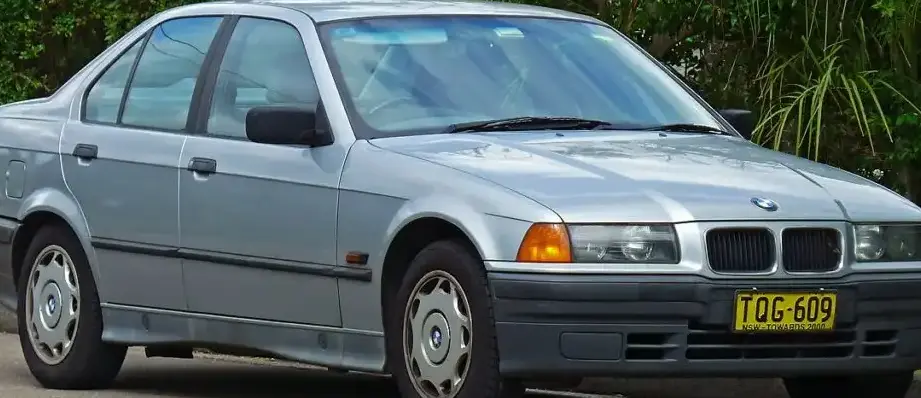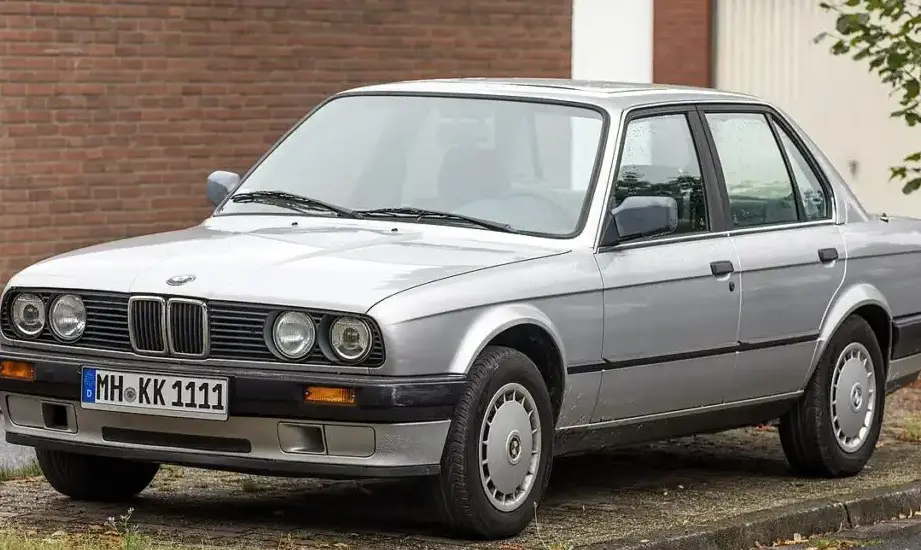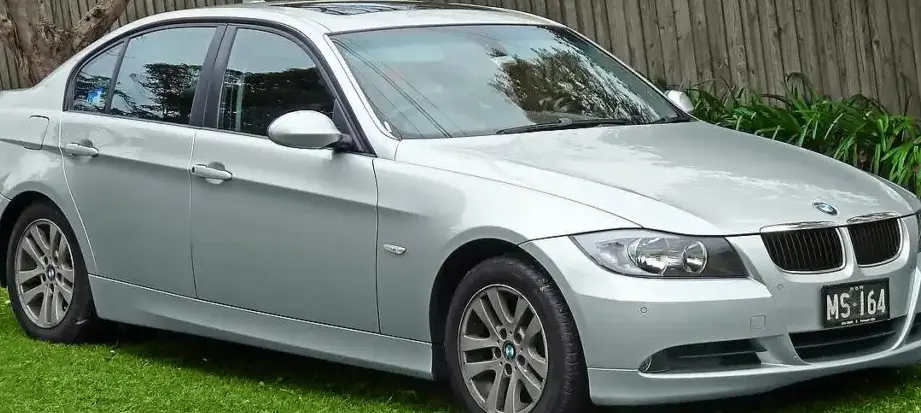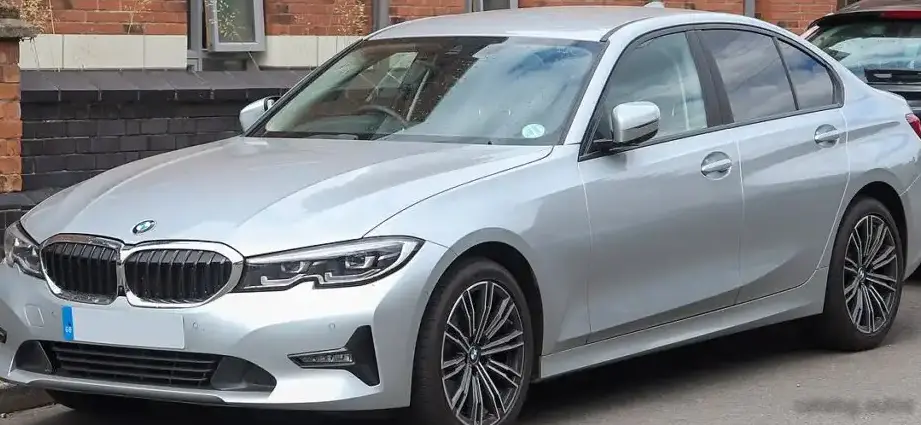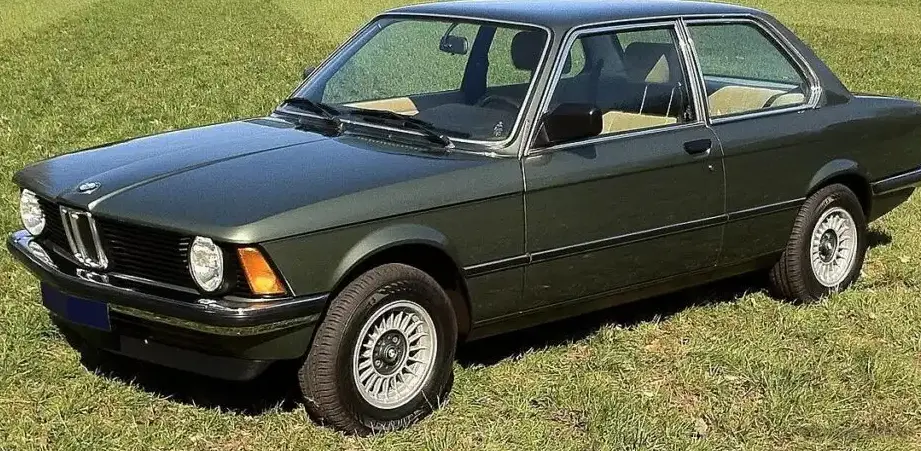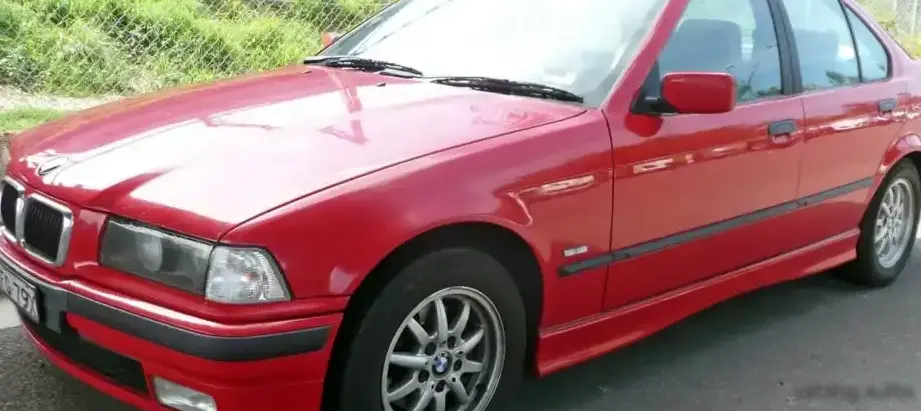
The BMW 3 Series Sedan (E36) 320i, produced from 1994 to 1999, represented a significant evolution in the compact executive car segment. Positioned as a core model within the E36 generation – which spanned 1990 to 2000 – the 320i offered a balance between performance, fuel efficiency, and affordability. It served as the entry point into the 3 Series range for many buyers, slotting below the more powerful 323i and 328i models. The E36 platform itself was a departure from its predecessor, the E30, offering increased size, improved refinement, and a more modern design aesthetic. This generation of 3 Series established many of the hallmarks that would define the model for decades to come, including its focus on driver engagement and balanced handling.
Technical Specifications
| Brand | BMW |
| Model | 3 Series |
| Generation | 3 Series Sedan (E36) |
| Type (Engine) | 320i (150 Hp) |
| Start of production | 1994 |
| End of production | 1999 |
| Powertrain Architecture | Internal Combustion engine |
| Body type | Sedan |
| Seats | 5 |
| Doors | 4 |
| Fuel consumption (economy) – urban | 12.9 l/100 km (18.2 US mpg, 21.9 UK mpg, 7.8 km/l) |
| Fuel consumption (economy) – extra urban | 6.7 l/100 km (35.1 US mpg, 42.2 UK mpg, 14.9 km/l) |
| Fuel consumption (economy) – combined | 9 l/100 km (26.1 US mpg, 31.4 UK mpg, 11.1 km/l) |
| Fuel Type | Petrol (Gasoline) |
| Acceleration 0 – 100 km/h | 8 sec |
| Acceleration 0 – 62 mph | 8 sec |
| Acceleration 0 – 60 mph | 7.6 sec |
| Maximum speed | 210 km/h (130.49 mph) |
| Weight-to-power ratio | 8.4 kg/Hp, 119 Hp/tonne |
| Weight-to-torque ratio | 6.6 kg/Nm, 150.8 Nm/tonne |
| Power | 150 Hp @ 5900 rpm |
| Power per litre | 75.3 Hp/l |
| Torque | 190 Nm @ 4200 rpm (140.14 lb.-ft. @ 4200 rpm) |
| Engine layout | Front, Longitudinal |
| Engine Model/Code | M52B20 |
| Engine displacement | 1991 cm3 (121.5 cu. in.) |
| Number of cylinders | 6 |
| Engine configuration | Inline |
| Cylinder Bore | 80 mm (3.15 in.) |
| Piston Stroke | 66 mm (2.6 in.) |
| Number of valves per cylinder | 4 |
| Fuel injection system | Multi-port manifold injection |
| Engine aspiration | Naturally aspirated engine |
| Engine oil capacity | 6.5 l (6.87 US qt | 5.72 UK qt) |
| Coolant | 10.5 l (11.1 US qt | 9.24 UK qt) |
| Kerb Weight | 1260 kg (2777.82 lbs.) |
| Max. weight | 1950 kg (4299.01 lbs.) |
| Max load | 690 kg (1521.19 lbs.) |
| Trunk (boot) space – minimum | 520 l (18.36 cu. ft.) |
| Trunk (boot) space – maximum | 1200 l (42.38 cu. ft.) |
| Fuel tank capacity | 67 l (17.7 US gal | 14.74 UK gal) |
| Length | 4352 mm (171.34 in.) |
| Width | 1843 mm (72.56 in.) |
| Height | 1568 mm (61.73 in.) |
| Wheelbase | 3521 mm (138.62 in.) |
| Front track | 1835 mm (72.24 in.) |
| Rear (Back) track | 1840 mm (72.44 in.) |
| Drivetrain Architecture | The Internal combustion engine (ICE) drives the rear wheels of the vehicle. |
| Drive wheel | Rear wheel drive |
| Number of gears and type of gearbox | 5 gears, manual transmission |
| Front suspension | Independent type McPherson |
| Rear suspension | Independent coil spring |
| Front brakes | Disc |
| Rear brakes | Disc |
| Assisting systems | ABS (Anti-lock braking system) |
Powertrain & Engine Architecture
The heart of the 320i was the M52B20, a 2.0-liter inline-six engine. This engine represented a significant upgrade over the M50 and M52 engines that preceded it, featuring a lighter alloy block and head, along with improved fuel injection and valvetrain design. The M52B20 utilized Bosch Motronic 3.1 engine management, controlling multi-port fuel injection and ignition timing. The engine’s 150 horsepower at 5900 rpm and 190 Nm (140 lb-ft) of torque at 4200 rpm were respectable for its displacement, providing adequate performance for everyday driving. The 320i was typically equipped with a 5-speed manual transmission, but a 5-speed automatic transmission was also available, though it impacted acceleration slightly. The automatic transmission was a conventional hydraulic unit, offering smooth shifts but at the expense of some responsiveness compared to the manual.
Driving Characteristics
The 320i with the manual transmission offered a balanced and engaging driving experience. While not as overtly sporty as the 323i or 328i, it provided sufficient power for confident overtaking and enjoyable backroad driving. The inline-six engine was known for its smooth power delivery and characteristic sound. The automatic transmission, while convenient, dulled the driving experience somewhat. Gear ratios were optimized for fuel efficiency and comfortable cruising, rather than outright acceleration. Compared to the higher-output models, the 320i felt less urgent, requiring more downshifting to maintain momentum. However, its lighter weight contributed to nimble handling and predictable cornering behavior.
Equipment & Trim Levels
The 320i typically came standard with features such as power windows, power locks, and air conditioning. Interior upholstery was usually cloth, although leather was available as an option. Dashboard configuration was relatively simple and functional, with clearly marked gauges and intuitive controls. Optional extras included a sunroof, upgraded audio system, and sport seats. The “Sport” package added features like sport suspension, alloy wheels, and a sport steering wheel, enhancing the car’s handling and appearance. Trim levels were relatively basic, with options being added individually rather than through distinct packages.
Chassis & Braking
The E36 320i featured an independent suspension system, with McPherson struts at the front and semi-trailing arms at the rear. This setup provided a good balance between ride comfort and handling precision. Brakes were disc brakes on all four wheels, providing adequate stopping power for the car’s weight and performance. ABS (Anti-lock Braking System) was standard equipment. The 320i typically had a smaller stabilizer bar compared to the higher-performance models, resulting in slightly more body roll during cornering. Rear drum brakes were sometimes fitted on lower-spec models, particularly in European markets.
Market Reception & Comparison
The 320i was generally well-received by automotive critics as a practical and enjoyable entry-level luxury sedan. It was praised for its balanced handling, comfortable ride, and refined engine. However, some critics noted that it lacked the outright performance of its more powerful siblings. Compared to the 323i and 328i, the 320i offered better fuel economy but less acceleration. Its reliability was generally good, although the automatic transmission could be prone to issues if not properly maintained. The 320i competed with other compact executive cars such as the Mercedes-Benz C-Class and the Audi A4.
Legacy
The E36 320i remains a popular choice among enthusiasts and used car buyers today. The M52B20 engine is known for its durability and relatively simple maintenance requirements. While examples with high mileage may require some maintenance, the engine is generally considered to be robust and reliable. The E36 3 Series as a whole has gained a reputation as a well-built and engaging driver’s car, and the 320i offers a more affordable entry point into the E36 ownership experience. Parts availability is generally good, and a thriving aftermarket supports the E36 platform, making it a viable option for those seeking a classic BMW experience.