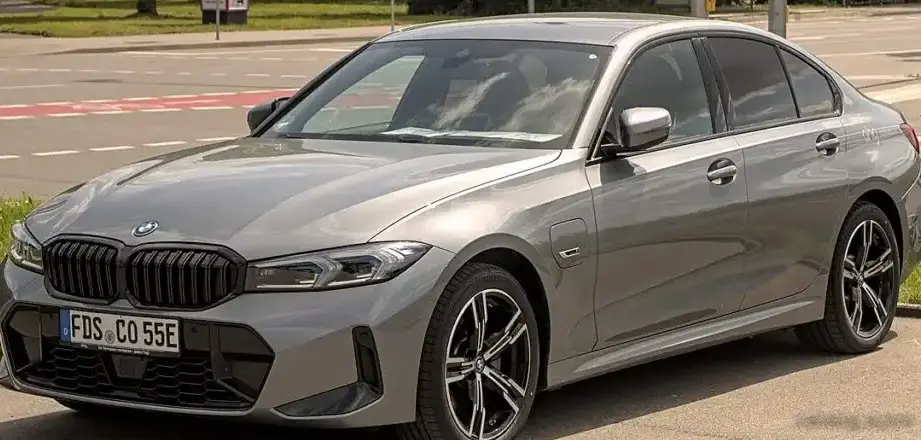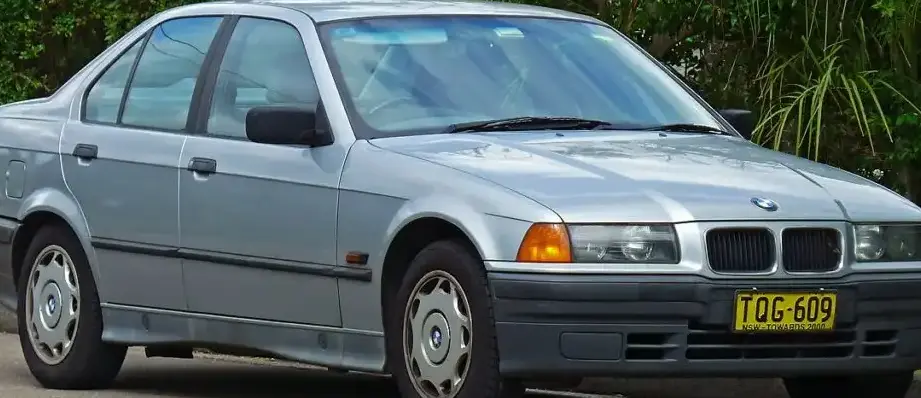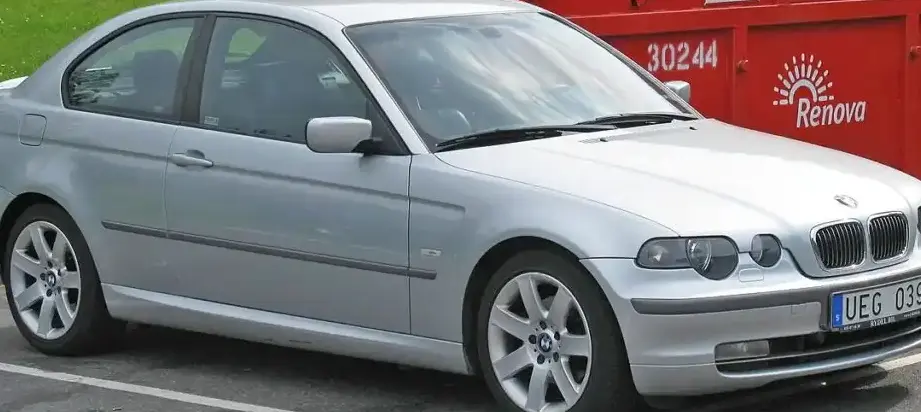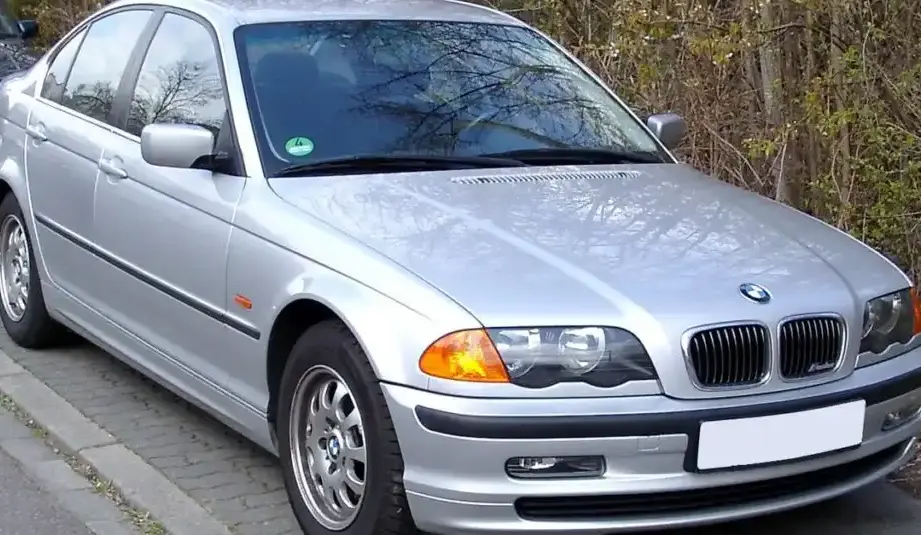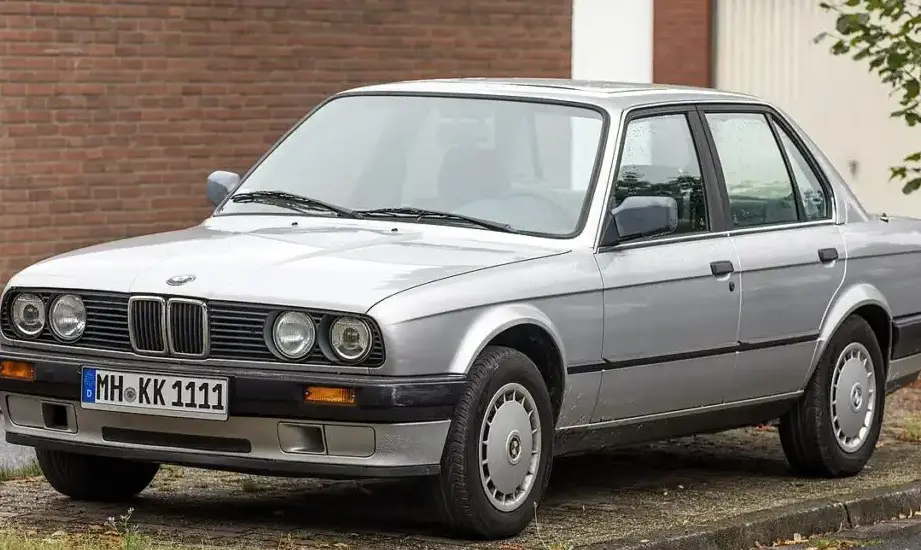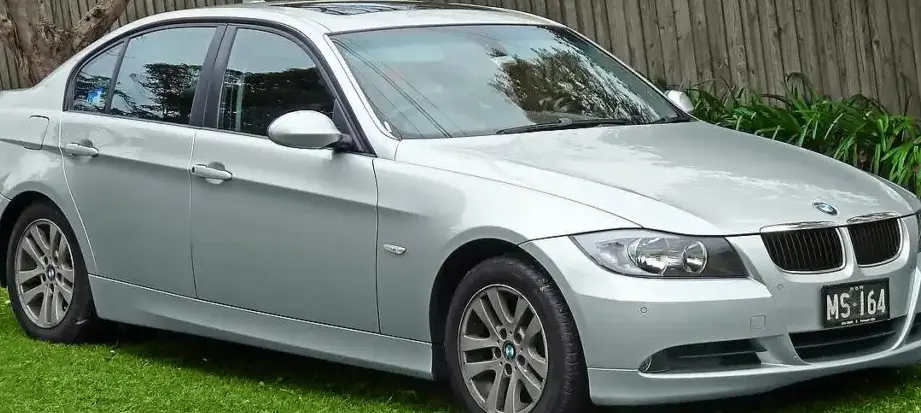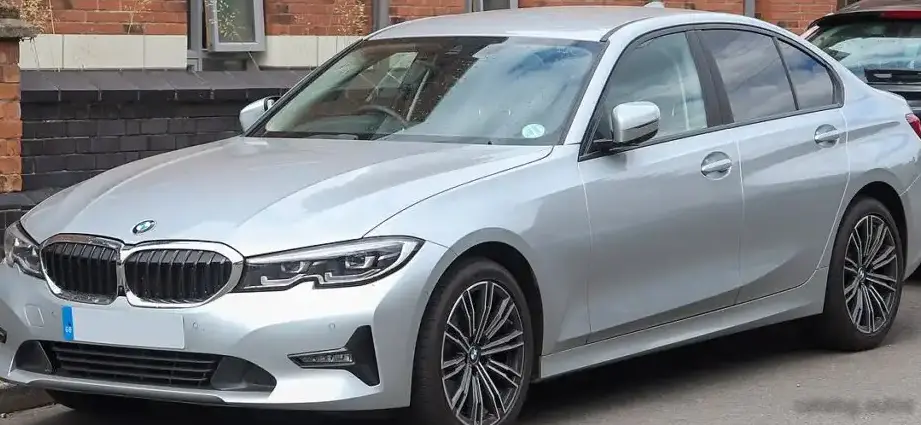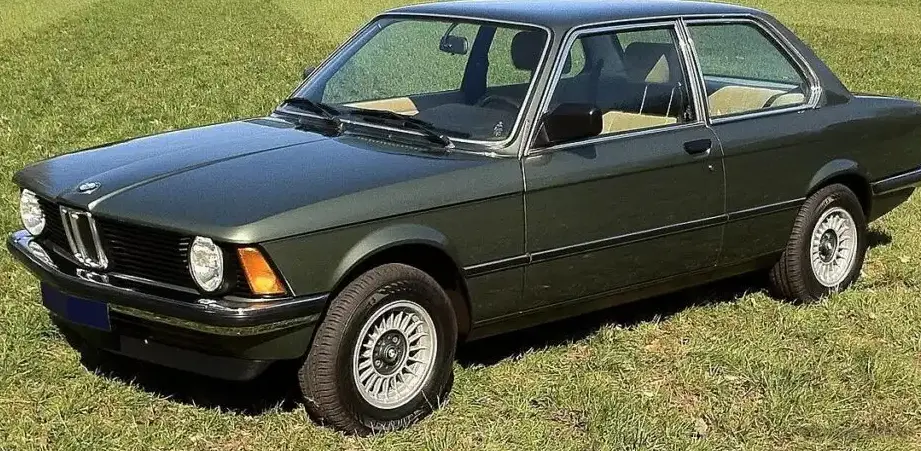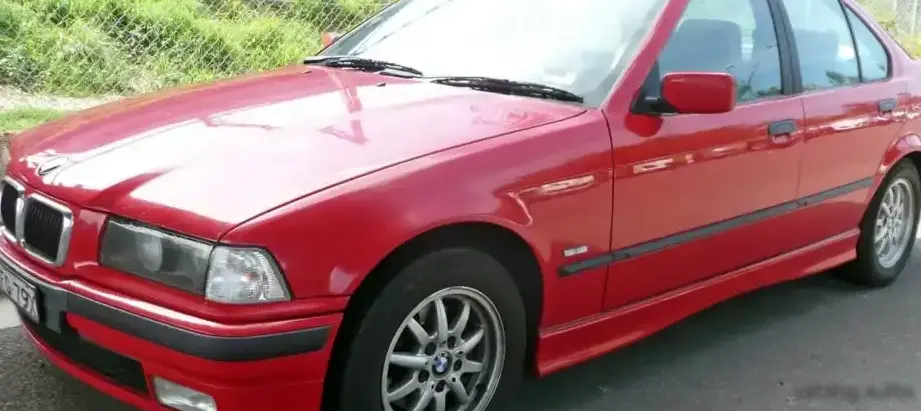
The BMW 3 Series Sedan (E36) 320i Automatic, produced between 1994 and 1999, represented a key entry point into the popular and critically acclaimed E36 generation. Positioned as a more accessible alternative to the higher-performance 323i and 328i models, the 320i Automatic offered a blend of BMW’s renowned driving dynamics with a focus on fuel efficiency and comfortable cruising. It served as a mainstay in the North American and European markets, appealing to buyers seeking a premium compact sedan without the higher price tag of its more powerful siblings. This variant utilized the M52B20 engine paired with a 5-speed automatic transmission, creating a distinct driving experience compared to the available manual options.
Technical Specifications
| Brand | BMW |
| Model | 3 Series |
| Generation | 3 Series Sedan (E36) |
| Type (Engine) | 320i (150 Hp) Automatic |
| Start of production | 1994 |
| End of production | 1999 |
| Powertrain Architecture | Internal Combustion engine |
| Body type | Sedan |
| Seats | 5 |
| Doors | 4 |
| Fuel consumption (urban) | 14.6 l/100 km (16.1 US mpg, 19.3 UK mpg, 6.8 km/l) |
| Fuel consumption (extra urban) | 7.4 l/100 km (31.8 US mpg, 38.2 UK mpg, 13.5 km/l) |
| Fuel consumption (combined) | 10 l/100 km (23.5 US mpg, 28.2 UK mpg, 10 km/l) |
| Fuel Type | Petrol (Gasoline) |
| Acceleration 0 – 100 km/h | 8 sec |
| Acceleration 0 – 62 mph | 8 sec |
| Acceleration 0 – 60 mph | 7.6 sec |
| Maximum speed | 210 km/h (130.49 mph) |
| Weight-to-power ratio | 8.4 kg/Hp, 119 Hp/tonne |
| Weight-to-torque ratio | 6.6 kg/Nm, 150.8 Nm/tonne |
| Power | 150 Hp @ 5900 rpm |
| Power per litre | 75.3 Hp/l |
| Torque | 190 Nm @ 4200 rpm (140.14 lb.-ft. @ 4200 rpm) |
| Engine layout | Front, Longitudinal |
| Engine Model/Code | M52B20 |
| Engine displacement | 1991 cm3 (121.5 cu. in.) |
| Number of cylinders | 6 |
| Engine configuration | Inline |
| Cylinder Bore | 80 mm (3.15 in.) |
| Piston Stroke | 66 mm (2.6 in.) |
| Number of valves per cylinder | 4 |
| Fuel injection system | Multi-port manifold injection |
| Engine aspiration | Naturally aspirated engine |
| Engine oil capacity | 6.5 l (6.87 US qt | 5.72 UK qt) |
| Coolant | 10.5 l (11.1 US qt | 9.24 UK qt) |
| Kerb Weight | 1260 kg (2777.82 lbs.) |
| Max. weight | 1950 kg (4299.01 lbs.) |
| Max load | 690 kg (1521.19 lbs.) |
| Fuel tank capacity | 67 l (17.7 US gal | 14.74 UK gal) |
| Length | 4352 mm (171.34 in.) |
| Width | 1843 mm (72.56 in.) |
| Height | 1568 mm (61.73 in.) |
| Wheelbase | 3521 mm (138.62 in.) |
| Front track | 1835 mm (72.24 in.) |
| Rear track | 1840 mm (72.44 in.) |
| Drivetrain Architecture | Rear wheel drive |
| Number of gears and type of gearbox | 5 gears, automatic transmission |
| Front suspension | Independent type McPherson |
| Rear suspension | Independent coil spring |
| Front brakes | Disc |
| Rear brakes | Disc |
| Assisting systems | ABS (Anti-lock braking system) |
Powertrain & Engine Architecture
The heart of the 320i Automatic was the M52B20, a 2.0-liter inline-six cylinder engine. This engine was a significant departure from its predecessor, the M20, featuring a lighter alloy block and head, dual VANOS (Variable Valve Timing) for both intake and exhaust camshafts, and a more refined fuel injection system. The dual VANOS system contributed to improved low-end torque and overall efficiency. The M52B20 utilized multi-port fuel injection, delivering fuel directly into the intake ports, optimizing combustion. The 5-speed automatic transmission (typically a ZF 5HP19) was chosen for its smoothness and relative reliability. It featured electronic control for optimized shift points, though it wasn’t known for particularly sporty or quick shifts compared to manual transmissions.
Driving Characteristics
The 320i Automatic offered a comfortable and refined driving experience. While not as exhilarating as the 328i, the 150 horsepower and 140 lb-ft of torque provided adequate power for everyday driving. The automatic transmission, while smooth, did result in a slight performance deficit compared to the 5-speed manual version. Acceleration from 0-60 mph took around 7.6 seconds, a respectable figure for the time. The automatic’s shift programming prioritized fuel economy, meaning it wouldn’t downshift aggressively unless prompted. This resulted in a more relaxed driving style, suitable for commuting and long-distance travel. The rear-wheel-drive configuration provided balanced handling, a hallmark of BMW vehicles.
Equipment & Trim Levels
The 320i Automatic typically came standard with features such as power windows, power locks, air conditioning, and an AM/FM stereo. Upholstery was usually cloth, though leather was available as an option. Optional extras included a sunroof, heated seats, upgraded audio systems, and traction control. Trim levels varied slightly depending on the market, but generally, the 320i Automatic represented a well-equipped entry-level offering. The interior design was functional and driver-focused, typical of BMW’s philosophy at the time.
Chassis & Braking
The E36 3 Series featured a fully independent suspension system, with McPherson struts at the front and semi-trailing arms at the rear. This setup provided a good balance of ride comfort and handling precision. The 320i Automatic typically came equipped with disc brakes on all four wheels, providing adequate stopping power. ABS (Anti-lock Braking System) was standard, enhancing safety. Stabilizer bars were fitted front and rear to reduce body roll during cornering. The suspension tuning was generally softer than that of the higher-performance models, prioritizing comfort over outright handling prowess.
Market Reception & Comparison
The 320i Automatic was generally well-received by automotive critics. It was praised for its comfortable ride, refined engine, and overall build quality. However, some reviewers noted that the automatic transmission detracted from the driving experience compared to the manual version. Compared to the 323i and 328i, the 320i offered better fuel economy but less outright performance. It was often seen as a sensible choice for buyers who prioritized comfort and efficiency over sporty driving dynamics. Reliability was generally good, though preventative maintenance was crucial, particularly regarding cooling system components.
Legacy
The E36 320i Automatic has become a popular choice among enthusiasts and used car buyers. The M52B20 engine is known for its durability and relatively simple maintenance requirements. While the automatic transmission isn’t as sought after as the manual, it offers a more accessible entry point into E36 ownership. Today, well-maintained examples command reasonable prices, making them an attractive option for those seeking a classic BMW experience. Common issues include cooling system failures (radiator, water pump, thermostat) and occasional VANOS system problems, but these are generally addressable with proper maintenance and repair. The 320i Automatic remains a testament to BMW’s engineering prowess and a beloved member of the E36 family.