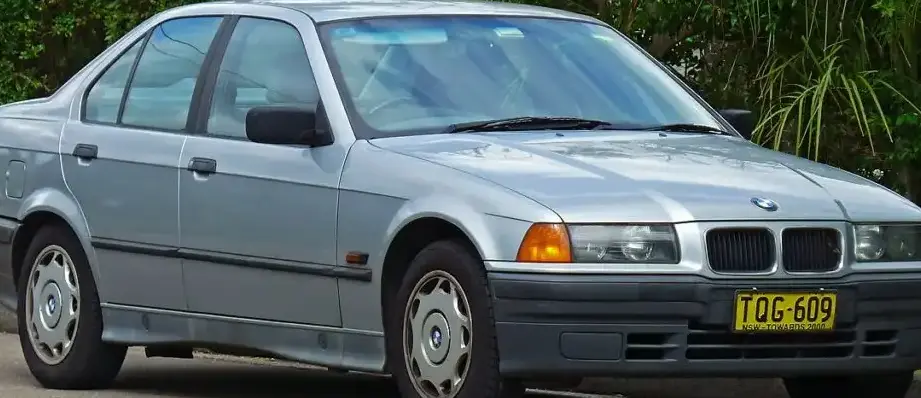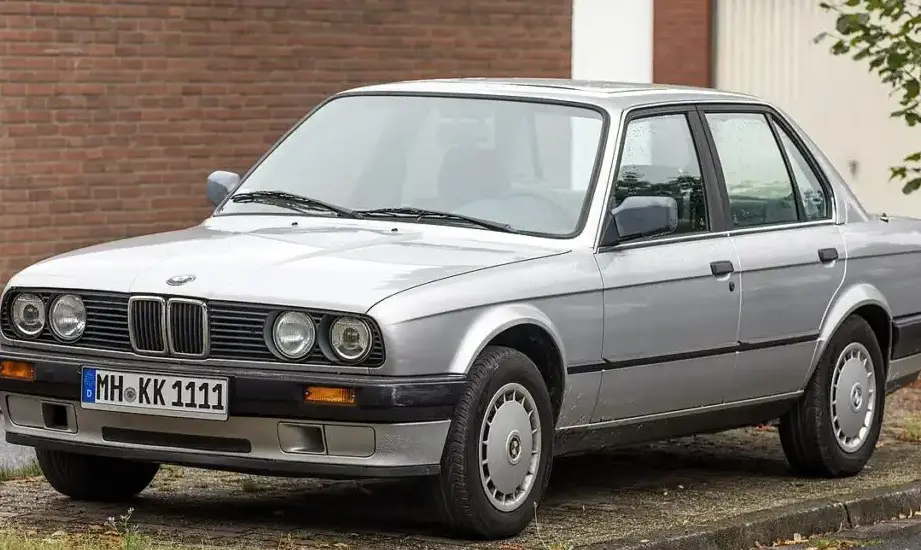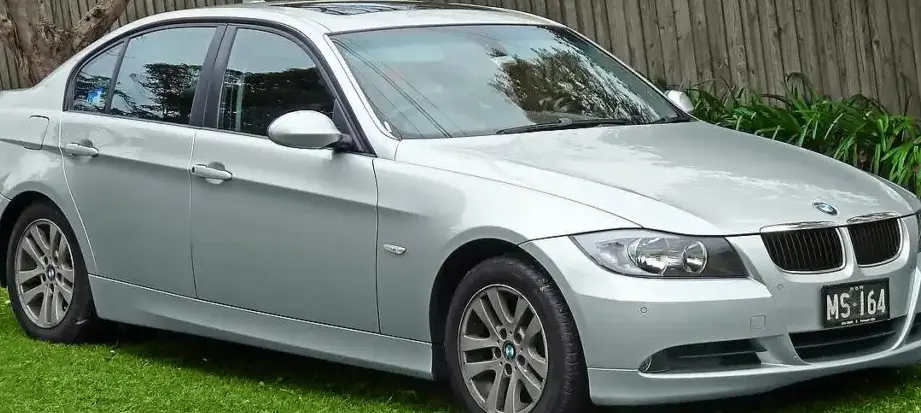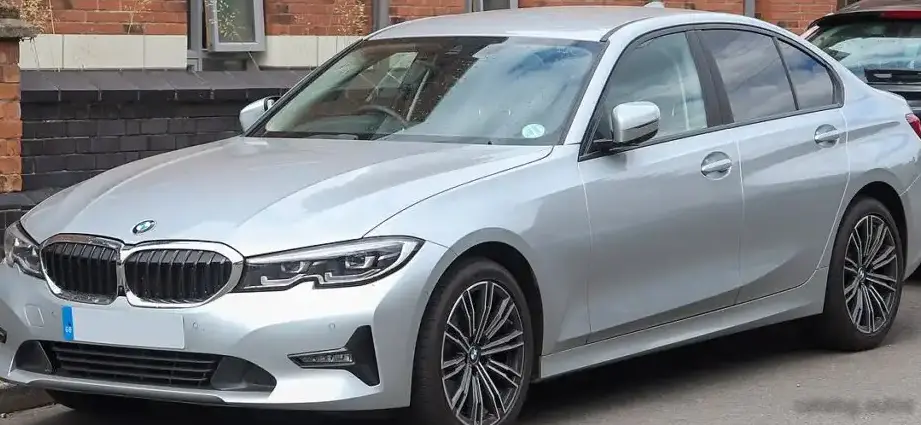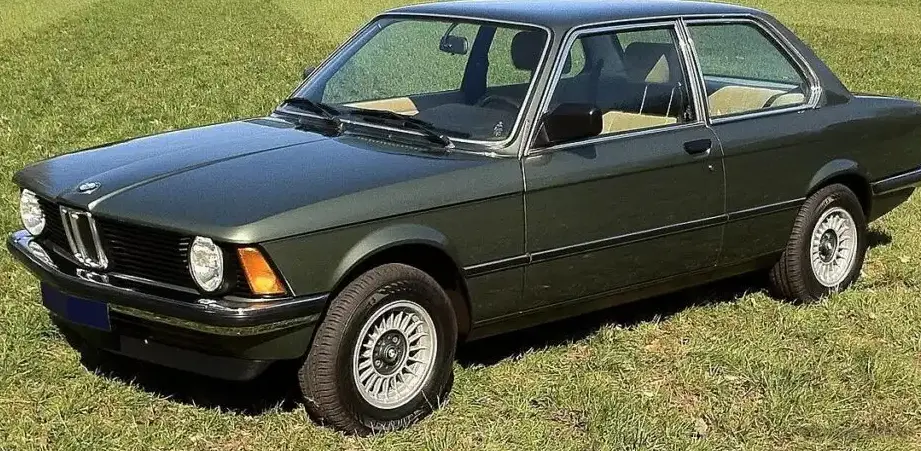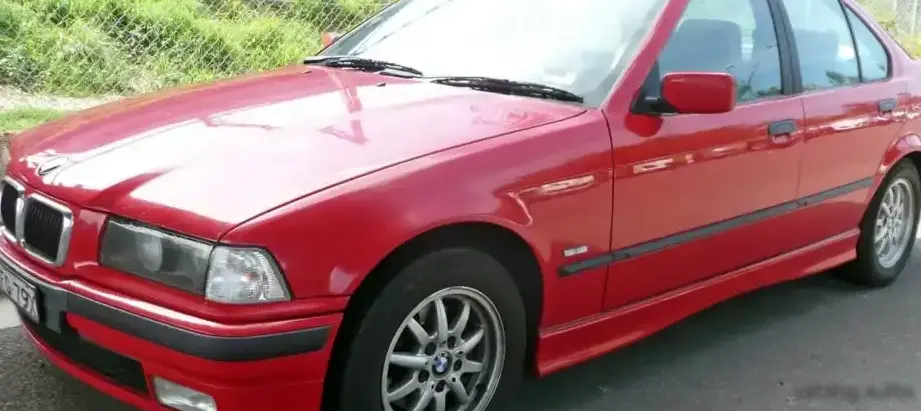
The BMW 3 Series Sedan (E36) 323i Automatic, produced between 1995 and 2000, represented a compelling blend of performance and convenience within the popular E36 generation. Positioned as a mid-range offering, it catered to buyers seeking a more relaxed driving experience than the manual transmission variants, while still delivering respectable power from BMW’s renowned inline-six engine. This model occupied a space between the base 318i and the more performance-focused 328i, appealing to a broader customer base prioritizing comfort and ease of use. The E36 3 Series, as a whole, was a pivotal model for BMW, solidifying its reputation for sporty handling and build quality in the compact executive car segment.
Technical Specifications
| Brand | BMW |
| Model | 3 Series |
| Generation | 3 Series Sedan (E36) |
| Type (Engine) | 323i (170 Hp) Automatic |
| Start of production | 1995 |
| End of production | 2000 |
| Powertrain Architecture | Internal Combustion engine |
| Body type | Sedan |
| Seats | 5 |
| Doors | 4 |
| Fuel consumption (economy) – combined | 8.3 l/100 km |
| Fuel consumption (economy) – combined | 28.3 US mpg |
| Fuel consumption (economy) – combined | 34 UK mpg |
| Fuel consumption (economy) – combined | 12 km/l |
| Fuel Type | Petrol (Gasoline) |
| Acceleration 0 – 100 km/h | 8 sec |
| Acceleration 0 – 62 mph | 8 sec |
| Acceleration 0 – 60 mph | 7.6 sec |
| Maximum speed | 227 km/h |
| Maximum speed | 141.05 mph |
| Weight-to-power ratio | 8.1 kg/Hp |
| Weight-to-power ratio | 123.6 Hp/tonne |
| Weight-to-torque ratio | 5.6 kg/Nm |
| Weight-to-torque ratio | 178.2 Nm/tonne |
| Power | 170 Hp @ 5500 rpm |
| Power per litre | 68.2 Hp/l |
| Torque | 245 Nm @ 3950 rpm |
| Torque | 180.7 lb.-ft. @ 3950 rpm |
| Engine layout | Front, Longitudinal |
| Engine Model/Code | M52B25 |
| Engine displacement | 2494 cm3 |
| Engine displacement | 152.19 cu. in. |
| Number of cylinders | 6 |
| Engine configuration | Inline |
| Cylinder Bore | 84 mm |
| Cylinder Bore | 3.31 in. |
| Piston Stroke | 75 mm |
| Piston Stroke | 2.95 in. |
| Compression ratio | 10.5:1 |
| Number of valves per cylinder | 4 |
| Fuel injection system | Multi-port manifold injection |
| Engine aspiration | Naturally aspirated engine |
| Valvetrain | DOHC |
| Engine oil capacity | 6.5 l |
| Engine oil capacity | 6.87 US qt | 5.72 UK qt |
| Coolant | 10.5 l |
| Coolant | 11.1 US qt | 9.24 UK qt |
| Kerb Weight | 1375 kg |
| Kerb Weight | 3031.36 lbs. |
| Max. weight | 1760 kg |
| Max. weight | 3880.14 lbs. |
| Max load | 385 kg |
| Max load | 848.78 lbs. |
| Trunk (boot) space – minimum | 435 l |
| Trunk (boot) space – minimum | 15.36 cu. ft. |
| Fuel tank capacity | 65 l |
| Fuel tank capacity | 17.17 US gal | 14.3 UK gal |
| Length | 4433 mm |
| Length | 174.53 in. |
| Width | 1698 mm |
| Width | 66.85 in. |
| Height | 1393 mm |
| Height | 54.84 in. |
| Wheelbase | 2700 mm |
| Wheelbase | 106.3 in. |
| Front track | 1408 mm |
| Front track | 55.43 in. |
| Rear (Back) track | 1421 mm |
| Rear (Back) track | 55.94 in. |
| Ride height (ground clearance) | 130 mm |
| Ride height (ground clearance) | 5.12 in. |
| Drivetrain Architecture | The Internal combustion engine (ICE) drives the rear wheels of the vehicle. |
| Drive wheel | Rear wheel drive |
| Number of gears and type of gearbox | 5 gears, automatic transmission |
| Front suspension | Wishbone |
| Rear suspension | Coil spring |
| Front brakes | Ventilated discs |
| Rear brakes | Ventilated discs |
| Assisting systems | ABS (Anti-lock braking system) |
| Steering type | Steering rack and pinion |
| Power steering | Hydraulic Steering |
| Tires size | 205/60 R15 |
| Wheel rims size | 15 |
Powertrain & Engine Architecture
At the heart of the 323i Automatic lies the M52B25 engine, a 2.5-liter inline-six cylinder powerplant. This engine is a naturally aspirated design, utilizing multi-port fuel injection and a double overhead camshaft (DOHC) valvetrain. The M52 series was a significant improvement over its predecessor, the M50, offering increased efficiency and refinement. The engine produces 170 horsepower at 5500 rpm and 245 Nm (180.7 lb-ft) of torque at 3950 rpm. The automatic transmission paired with this engine is a 5-speed unit, designed to provide smooth and comfortable shifts. While not as sporty as the available manual transmission, it offered a more accessible driving experience for many buyers. The transmission’s gear ratios were tuned for a balance of acceleration and fuel economy, prioritizing drivability over outright performance.
Driving Characteristics
The 323i Automatic delivered a refined and comfortable driving experience. Acceleration from 0-60 mph took approximately 7.6 seconds, respectable for the era, but noticeably slower than the manual transmission versions. The automatic transmission, while smooth, did introduce some power loss compared to the more direct engagement of a manual gearbox. The gear ratios were optimized for everyday driving, providing adequate power for merging onto highways and passing maneuvers. However, drivers seeking a more engaging and responsive experience often preferred the manual transmission. The suspension, typical of BMW’s tuning philosophy, provided a good balance between comfort and handling, allowing for confident cornering without sacrificing ride quality.
Equipment & Trim Levels
The 323i Automatic typically came standard with features such as power windows, power locks, air conditioning, and an AM/FM stereo. Upholstery was generally cloth, although leather was available as an option. Optional extras included a sunroof, heated seats, and upgraded audio systems. The trim level was generally considered mid-range within the E36 3 Series lineup, offering a good balance of features and affordability. Compared to the base 318i, the 323i offered a more powerful engine and slightly upgraded interior appointments. Compared to the 328i, it offered a more accessible price point, albeit with less overall performance.
Chassis & Braking
The E36 323i Automatic utilized a MacPherson strut front suspension and a semi-trailing arm rear suspension. Brakes were ventilated discs on all four wheels, providing ample stopping power. Anti-lock braking system (ABS) was standard equipment. The chassis was designed to be lightweight and rigid, contributing to the car’s responsive handling. Stabilizer bars were fitted front and rear to reduce body roll during cornering. The suspension tuning was geared towards providing a comfortable ride while maintaining a degree of sporty handling.
Market Reception & Comparison
The 323i Automatic was generally well-received by automotive critics. It was praised for its smooth engine, comfortable ride, and well-appointed interior. However, some critics noted that the automatic transmission dulled the driving experience compared to the manual version. Fuel economy was considered reasonable for the time, averaging around 28.3 US mpg in combined driving. Compared to the 318i, the 323i offered a significant performance upgrade, making it a more appealing option for drivers who prioritized power. Compared to the 328i, it offered a more affordable entry point into the E36 3 Series range, albeit with a slight performance deficit.
Legacy
The M52B25 engine, found in the 323i Automatic, is known for its reliability and durability. With proper maintenance, these engines can easily exceed 200,000 miles. The automatic transmission, while not as robust as some other BMW transmissions, is also generally reliable. Today, the E36 323i Automatic represents a relatively affordable entry point into BMW ownership. It’s a popular choice among enthusiasts looking for a classic BMW that offers a good balance of performance, comfort, and reliability. Well-maintained examples are becoming increasingly collectible, as enthusiasts recognize the E36 generation as a high point in BMW’s engineering history.