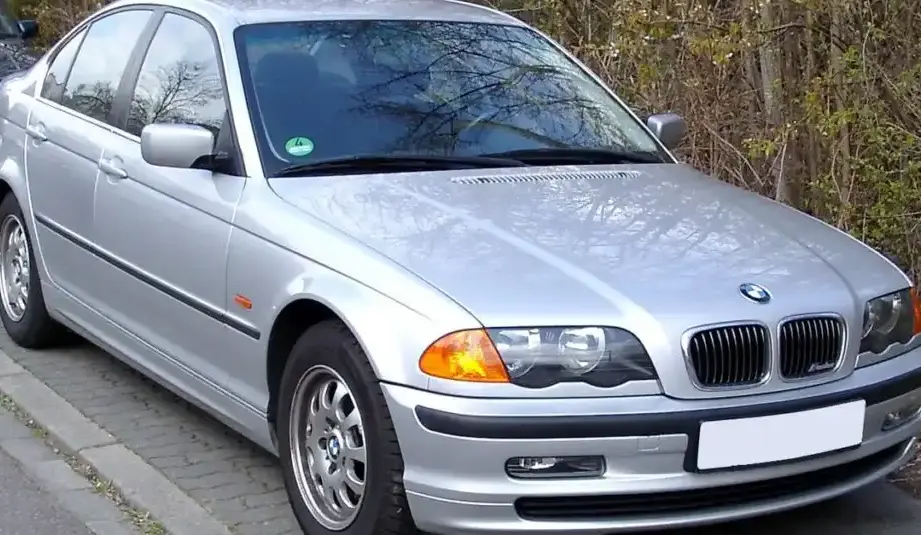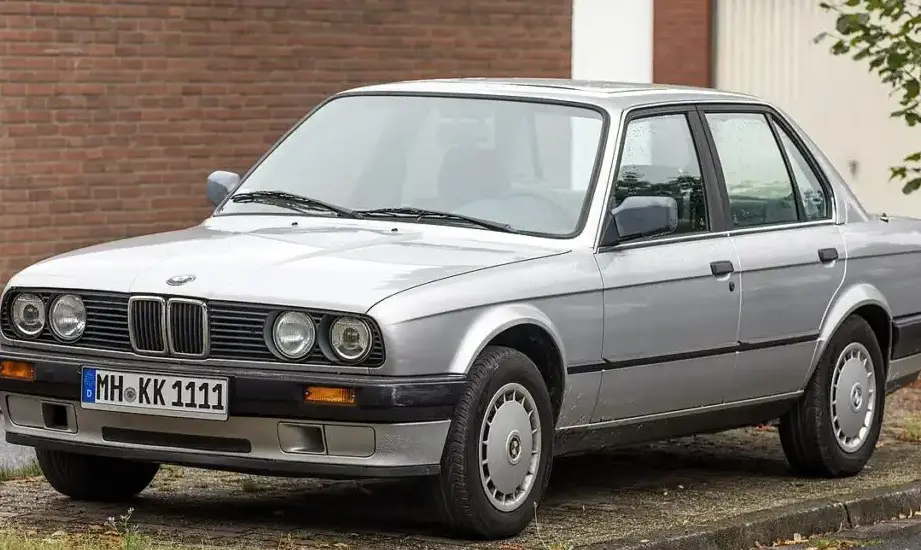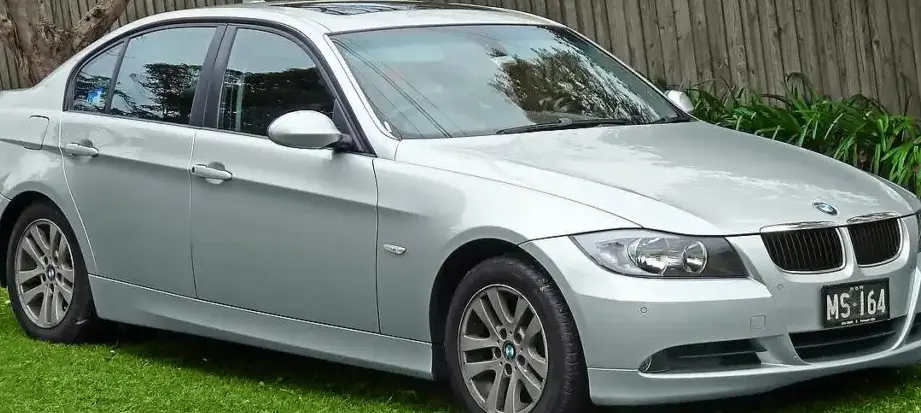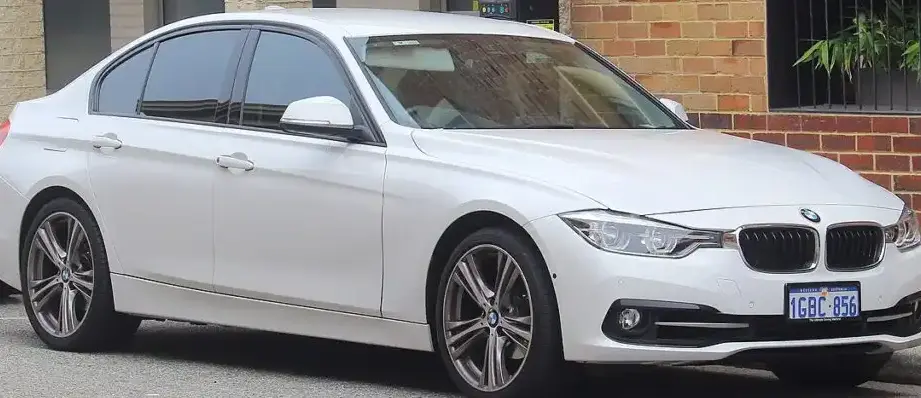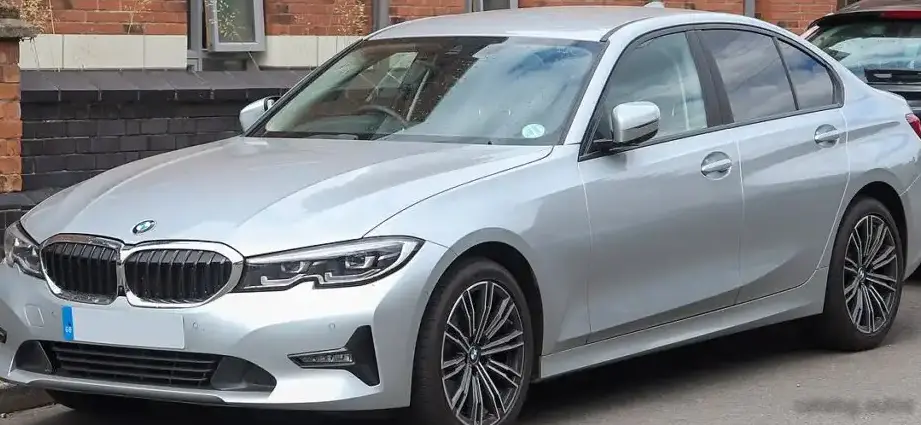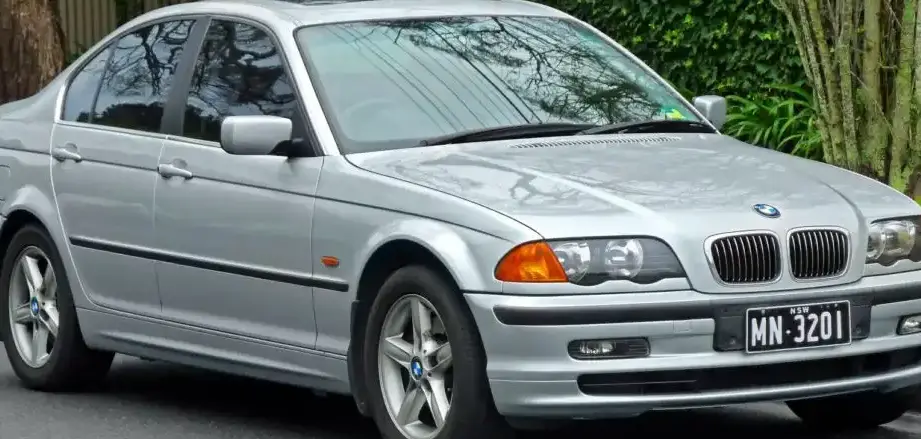
The BMW 3 Series Sedan (E46) 316i, produced from 1999 to 2001, represented the entry point into the highly successful E46 generation. Positioned as the most affordable variant in the North American market (where it was briefly offered), and more commonly found in Europe and other international markets, the 316i aimed to deliver the core BMW driving experience to a wider audience. It served as a stepping stone to the more powerful 318i, 323i, and 328i models, all built on the E46 platform. The 316i was designed to balance fuel efficiency with the brand’s reputation for handling and build quality, appealing to buyers prioritizing practicality and cost-effectiveness.
Technical Specifications
| Brand | BMW |
| Model | 3 Series |
| Generation | 3 Series Sedan (E46) |
| Type (Engine) | 316i (105 Hp) |
| Start of production | 1999 |
| End of production | 2001 |
| Powertrain Architecture | Internal Combustion engine |
| Body type | Sedan |
| Seats | 5 |
| Doors | 4 |
| Fuel consumption (urban) | 11.3 l/100 km (20.8 US mpg) |
| Fuel consumption (extra urban) | 5.7 l/100 km (41.3 US mpg) |
| Fuel Type | Petrol (Gasoline) |
| Acceleration 0 – 100 km/h | 12.4 sec |
| Acceleration 0 – 62 mph | 12.4 sec |
| Acceleration 0 – 60 mph | 11.8 sec |
| Maximum speed | 200 km/h (124.27 mph) |
| Weight-to-power ratio | 12.2 kg/Hp |
| Weight-to-torque ratio | 7.8 kg/Nm |
| Power | 105 Hp @ 5500 rpm |
| Power per litre | 55.4 Hp/l |
| Torque | 165 Nm @ 2500 rpm (121.7 lb.-ft. @ 2500 rpm) |
| Engine layout | Front, Longitudinal |
| Engine Model/Code | M43B19 |
| Engine displacement | 1895 cm3 (115.64 cu. in.) |
| Number of cylinders | 4 |
| Engine configuration | Inline |
| Cylinder Bore | 85 mm (3.35 in.) |
| Piston Stroke | 83.5 mm (3.29 in.) |
| Compression ratio | 9.7:1 |
| Number of valves per cylinder | 2 |
| Fuel injection system | Multi-port manifold injection |
| Engine aspiration | Naturally aspirated |
| Engine oil capacity | 4 l (4.23 US qt | 3.52 UK qt) |
| Coolant capacity | 6 l (6.34 US qt | 5.28 UK qt) |
| Kerb Weight | 1285 kg (2832.94 lbs.) |
| Max. weight | 1782 kg (3928.64 lbs.) |
| Max load | 497 kg (1095.7 lbs.) |
| Trunk (boot) space – minimum | 440 l (15.54 cu. ft.) |
| Fuel tank capacity | 63 l (16.64 US gal | 13.86 UK gal) |
| Length | 4471 mm (176.02 in.) |
| Width | 1739 mm (68.46 in.) |
| Height | 1415 mm (55.71 in.) |
| Wheelbase | 2725 mm (107.28 in.) |
| Front track | 1481 mm (58.31 in.) |
| Rear track | 1488 mm (58.58 in.) |
| Drivetrain Architecture | Rear wheel drive |
| Drive wheel | Rear wheel drive |
| Number of gears | 5 |
| Gearbox type | Manual transmission |
| Front suspension | Spring Strut |
| Rear suspension | Coil spring |
| Front brakes | Ventilated discs |
| Rear brakes | Disc |
| Assisting systems | ABS (Anti-lock braking system) |
| Steering type | Steering rack and pinion |
| Power steering | Hydraulic Steering |
| Tires size | 195/65 R15 |
| Wheel rims size | 15 |
Powertrain & Engine Architecture
The heart of the 316i was the M43B19, a 1.9-liter inline-four cylinder engine. This engine was a further development of the M43 series, known for its relatively simple design and durability. It featured a single overhead camshaft (SOHC) operating two valves per cylinder. Fuel delivery was handled by a multi-port fuel injection system, providing adequate, though not exceptional, performance. The M43B19 produced 105 horsepower at 5500 rpm and 165 Nm (121.7 lb-ft) of torque at 2500 rpm. The engine’s design prioritized fuel economy and smooth operation over outright power. The 316i was exclusively offered with a 5-speed manual transmission, contributing to its affordability and driver engagement. An automatic transmission was not available on this specific variant in most markets.
Driving Characteristics
The 316i, with its 105 hp and 5-speed manual gearbox, offered a driving experience focused on efficiency and ease of use. Acceleration was modest, taking approximately 12.4 seconds to reach 60 mph. However, the engine proved to be reasonably responsive in everyday driving situations, particularly when kept within its optimal rev range. The manual transmission provided a direct connection to the engine, allowing drivers to make the most of the available power. Compared to the more powerful 318i or 323i models, the 316i felt noticeably slower, especially during overtaking maneuvers or when climbing hills. However, its lighter weight and balanced chassis contributed to a nimble and predictable handling characteristic, typical of the E46 platform. The gear ratios were tuned for fuel economy, meaning the engine wasn’t always in its sweet spot for maximum acceleration.
Equipment & Trim Levels
The 316i typically came with a fairly basic level of equipment, reflecting its position as the entry-level model. Standard features generally included power windows, central locking, and an AM/FM radio. Interior upholstery was typically cloth, and the dashboard featured a relatively simple design. Optional extras, such as air conditioning, a sunroof, and upgraded audio systems, were available, but added to the overall cost. The trim level was generally consistent across the 316i range, with limited customization options beyond the available accessories. The focus was on providing a functional and comfortable interior without excessive luxury.
Chassis & Braking
The 316i utilized the E46’s well-regarded chassis, featuring a MacPherson strut front suspension and a multi-link rear suspension. This setup provided a good balance of ride comfort and handling precision. Brakes consisted of ventilated discs at the front and solid discs at the rear. Anti-lock Braking System (ABS) was standard, enhancing safety. The suspension was tuned to provide a comfortable ride, but it also allowed for confident cornering. The 316i’s relatively light weight contributed to its agile handling characteristics. Stabilizer bars were fitted front and rear, further reducing body roll during cornering.
Market Reception & Comparison
The 316i was generally well-received by automotive critics as a practical and affordable entry point into the BMW 3 Series range. However, some reviewers noted its lack of outright performance compared to its more powerful siblings. Fuel economy was a strong point, and the 316i proved to be a reliable and economical daily driver. Compared to the 318i, the 316i offered a lower purchase price but sacrificed performance. The 318i, with its slightly larger engine, provided a noticeable improvement in acceleration and overall driving enjoyment. In terms of reliability, the M43B19 engine was generally considered to be robust, although regular maintenance was essential to prevent issues such as oil leaks and cooling system problems.
Legacy
The E46 316i, while not the most sought-after variant of the E46 generation, has developed a loyal following among enthusiasts seeking an affordable and reliable BMW. The M43B19 engine, when properly maintained, has proven to be durable and long-lasting. Today, well-maintained examples of the 316i can be found on the used car market at relatively low prices. Its simplicity and relatively low running costs make it an attractive option for those looking for a classic BMW experience without breaking the bank. The 316i represents a significant chapter in the E46’s success story, demonstrating BMW’s ability to offer a compelling product at a more accessible price point.