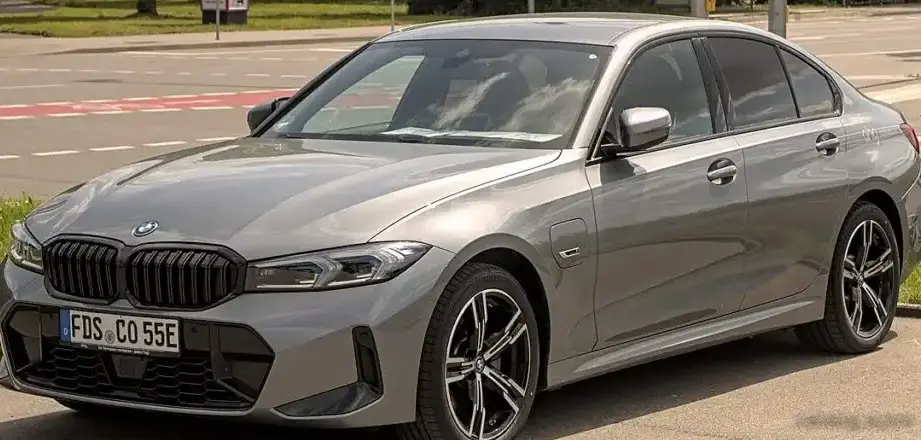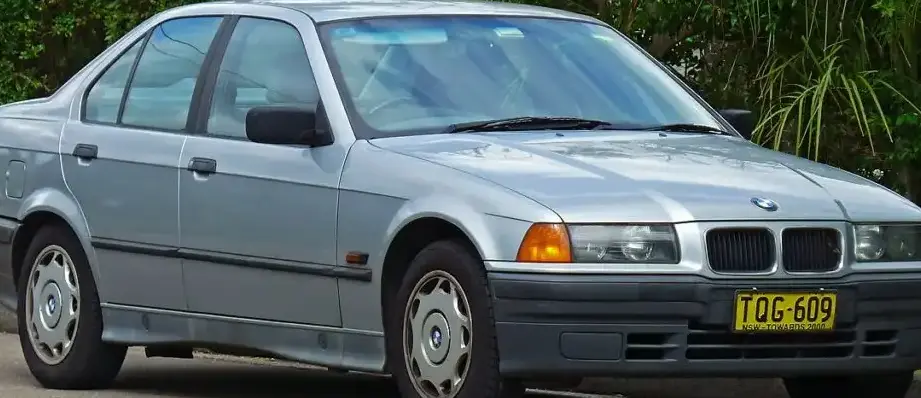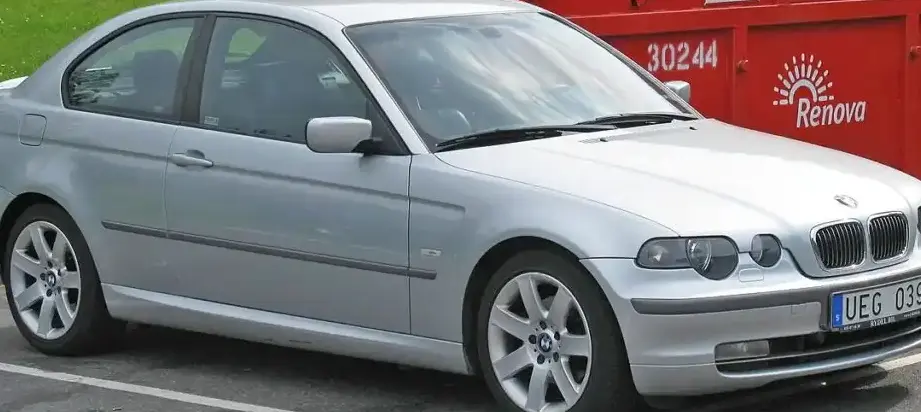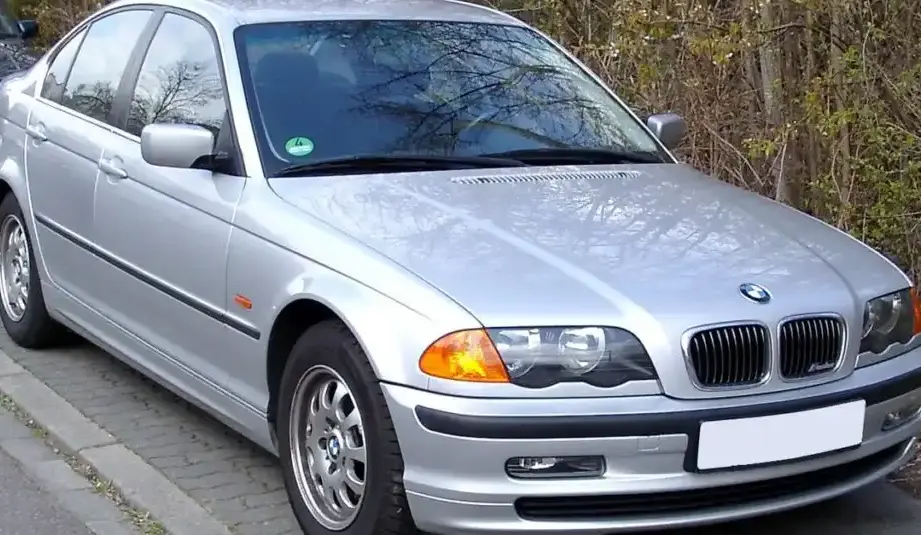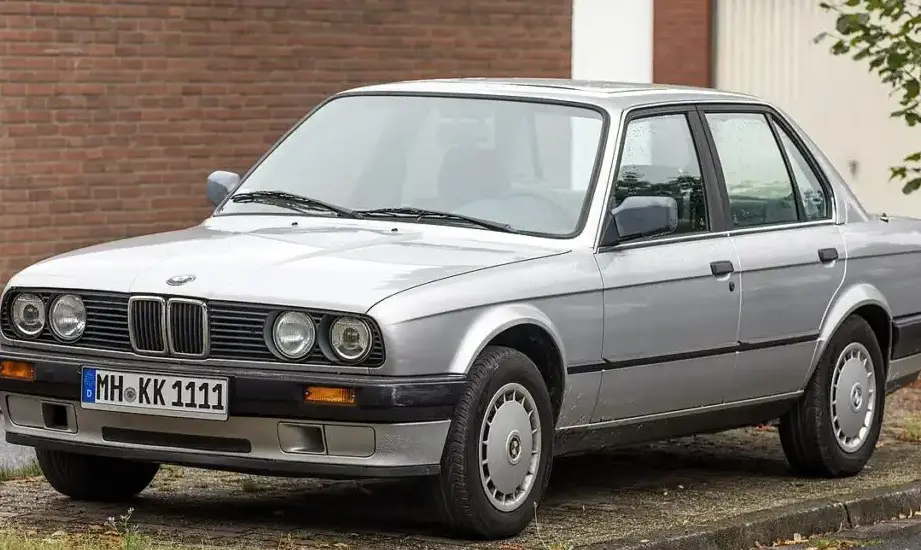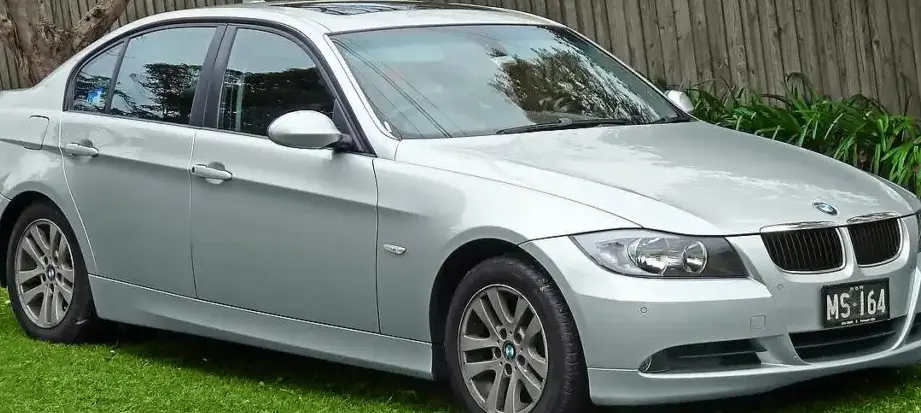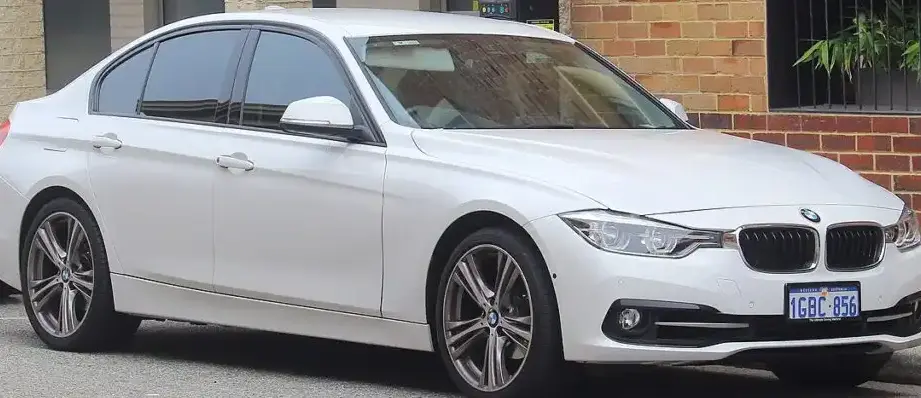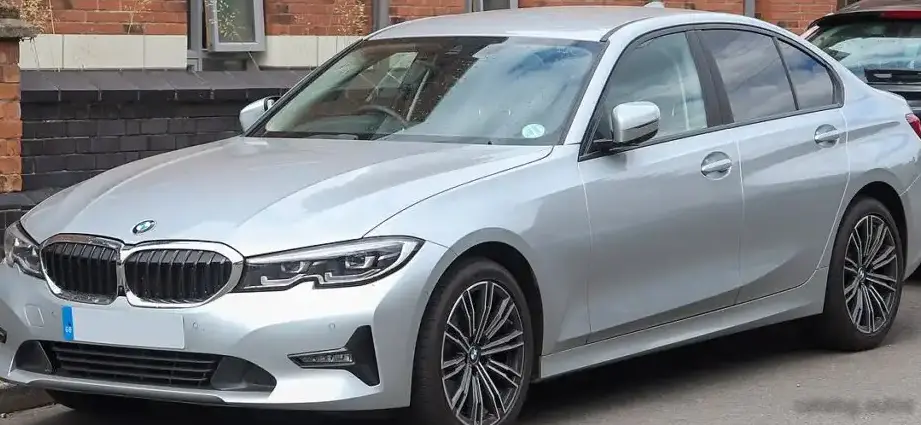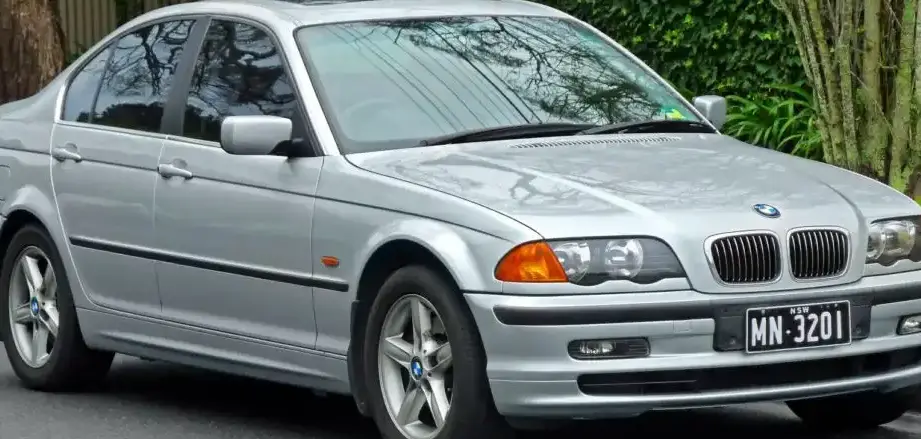
The BMW 3 Series Sedan (E46) 318i Automatic, produced from 1998 to 2001, represented the entry point into the highly successful E46 generation. Positioned as the most accessible model in the lineup, it offered BMW’s renowned driving dynamics and build quality at a more affordable price point. This variant primarily targeted buyers seeking a premium compact sedan with a focus on comfort and ease of use, rather than outright performance. It served as a crucial volume seller for BMW in North America and Europe, appealing to a broad demographic looking for a reliable and refined daily driver.
Technical Specifications
| Brand | BMW |
| Model | 3 Series |
| Generation | 3 Series Sedan (E46) |
| Type (Engine) | 318i (118 Hp) Automatic |
| Start of production | 1998 |
| End of production | 2001 |
| Powertrain Architecture | Internal Combustion engine |
| Body type | Sedan |
| Seats | 5 |
| Doors | 4 |
| Fuel consumption (urban) | 12.7 l/100 km (18.5 US mpg) |
| Fuel consumption (extra urban) | 6.9 l/100 km (34.1 US mpg) |
| Fuel Type | Petrol (Gasoline) |
| Acceleration 0 – 100 km/h | 12.2 sec |
| Acceleration 0 – 62 mph | 12.2 sec |
| Acceleration 0 – 60 mph | 11.6 sec |
| Maximum speed | 202 km/h (125.52 mph) |
| Weight-to-power ratio | 10.9 kg/Hp |
| Weight-to-torque ratio | 7.1 kg/Nm |
| Power | 118 Hp @ 5500 rpm |
| Torque | 180 Nm @ 3900 rpm (132.76 lb.-ft. @ 3900 rpm) |
| Engine layout | Front, Longitudinal |
| Engine Model/Code | M43B19 |
| Engine displacement | 1895 cm3 (115.64 cu. in.) |
| Number of cylinders | 4 |
| Engine configuration | Inline |
| Cylinder Bore | 85 mm (3.35 in.) |
| Piston Stroke | 83.5 mm (3.29 in.) |
| Compression ratio | 9.7:1 |
| Number of valves per cylinder | 2 |
| Fuel injection system | Multi-port manifold injection |
| Engine aspiration | Naturally aspirated engine |
| Valvetrain | OHC |
| Engine oil capacity | 4 l (4.23 US qt | 3.52 UK qt) |
| Coolant capacity | 6 l (6.34 US qt | 5.28 UK qt) |
| Kerb Weight | 1285 kg (2832.94 lbs.) |
| Max. weight | 1785 kg (3935.25 lbs.) |
| Max load | 500 kg (1102.31 lbs.) |
| Trunk (boot) space – minimum | 440 l (15.54 cu. ft.) |
| Fuel tank capacity | 63 l (16.64 US gal | 13.86 UK gal) |
| Length | 4471 mm (176.02 in.) |
| Width | 1739 mm (68.46 in.) |
| Height | 1415 mm (55.71 in.) |
| Wheelbase | 2725 mm (107.28 in.) |
| Front track | 1481 mm (58.31 in.) |
| Rear (Back) track | 1488 mm (58.58 in.) |
| Drivetrain Architecture | Rear wheel drive |
| Number of gears and type of gearbox | 4 gears, automatic transmission |
| Front suspension | Spring Strut |
| Rear suspension | Coil spring |
| Front brakes | Ventilated discs |
| Rear brakes | Disc |
| Assisting systems | ABS (Anti-lock braking system) |
| Steering type | Steering rack and pinion |
| Power steering | Hydraulic Steering |
| Tires size | 195/65 R15 |
Powertrain & Engine Architecture
The heart of the 318i Automatic was the M43B19, a 1.9-liter inline-four cylinder engine. This engine was a mainstay of BMW’s entry-level models during the late 1990s and early 2000s. It featured a single overhead camshaft (OHC) design, operating two valves per cylinder. Fuel delivery was handled by a multi-port fuel injection system, providing adequate, though not exceptional, performance. The M43B19 was known for its relatively smooth operation and decent fuel economy, but it wasn’t a powerhouse. The engine produced 118 horsepower at 5500 rpm and 180 Nm (132.76 lb-ft) of torque at 3900 rpm. Paired with this engine was a 4-speed automatic transmission, which prioritized comfort and ease of driving over sporty responsiveness. This transmission was a conventional hydraulic automatic, lacking the advanced features found in later BMW transmissions.
Driving Characteristics
The 318i Automatic offered a comfortable and predictable driving experience. Acceleration was adequate for everyday driving, with a 0-60 mph time of around 11.6 seconds. However, it was noticeably slower than its 323i and 328i siblings, which featured more powerful engines. The automatic transmission, while smooth, lacked the quick shifts and responsiveness of a manual gearbox. The gear ratios were tuned for fuel efficiency and relaxed cruising, rather than aggressive acceleration. Compared to the manual transmission version of the 318i, the automatic suffered a slight performance penalty and a less engaging driving experience. The automatic’s programming also tended to ‘hunt’ for gears on inclines, a common characteristic of older 4-speed automatics.
Equipment & Trim Levels
The 318i Automatic typically came standard with features such as power windows, power locks, air conditioning, and an AM/FM stereo. Interior upholstery was usually cloth, though leather was available as an option. The dashboard layout was typical of the E46, with a straightforward and functional design. Optional extras included a sunroof, upgraded audio system, heated front seats, and automatic climate control. The 318i was often seen as a blank canvas for buyers who wanted to add specific features without the higher price tag of the more premium trims.
Chassis & Braking
The E46 318i featured a MacPherson strut front suspension and a multi-link coil spring rear suspension, providing a good balance of ride comfort and handling. The chassis was relatively lightweight, contributing to the car’s nimble feel. Braking duties were handled by ventilated discs at the front and solid discs at the rear. Anti-lock braking system (ABS) was standard. The suspension tuning was generally softer than that of the higher-performance 3 Series models, prioritizing comfort over ultimate handling precision. Stabilizer bars were present at both the front and rear, helping to reduce body roll during cornering.
Market Reception & Comparison
The 318i Automatic was generally well-received by critics as a solid and reliable entry-level luxury sedan. It was praised for its comfortable ride, good fuel economy, and BMW’s reputation for build quality. However, it was often criticized for its lack of outright performance compared to its more powerful siblings. The 323i and 328i offered significantly more horsepower and torque, resulting in much quicker acceleration and a more engaging driving experience. In terms of reliability, the M43B19 engine was generally considered to be robust, but it was prone to certain issues, such as oil leaks and cooling system problems. Fuel economy was a strong point, averaging around 22 mpg in the city and 34 mpg on the highway.
Legacy
Today, the E46 318i Automatic is a relatively affordable and accessible entry point into BMW ownership. While it may not offer the performance of the higher-end models, it remains a popular choice for those seeking a reliable and well-built compact sedan. The M43B19 engine, while not known for its longevity in some cases, can provide years of service with proper maintenance. Parts availability is generally good, and the car’s relatively simple mechanical design makes it a good candidate for DIY repairs. The E46 318i Automatic represents a sweet spot for many enthusiasts, offering a blend of BMW’s core values – driving pleasure, quality, and reliability – at a reasonable price.