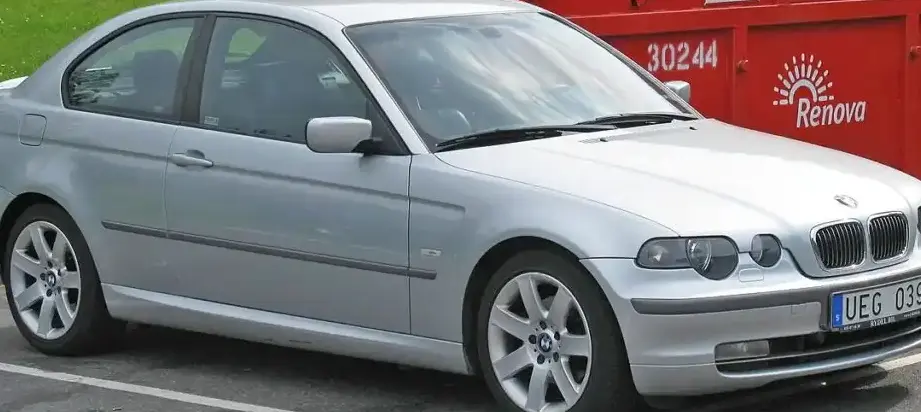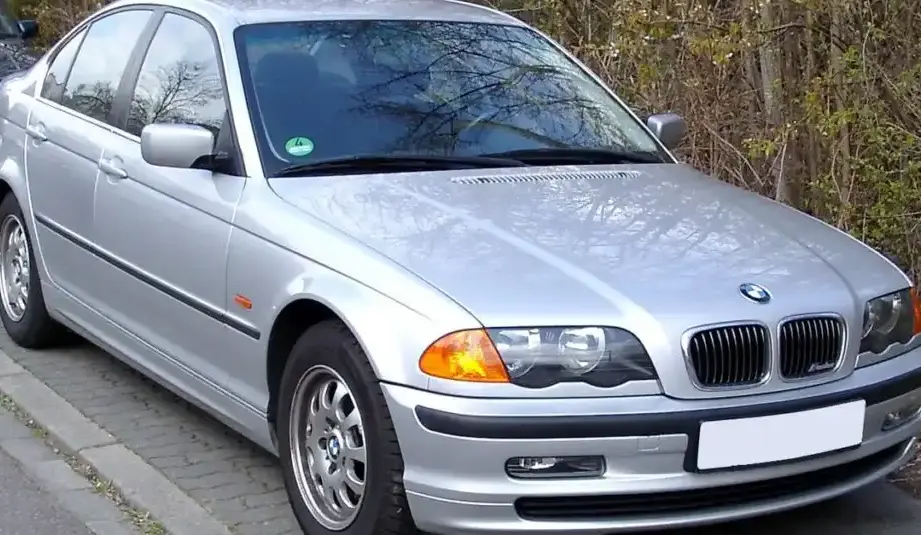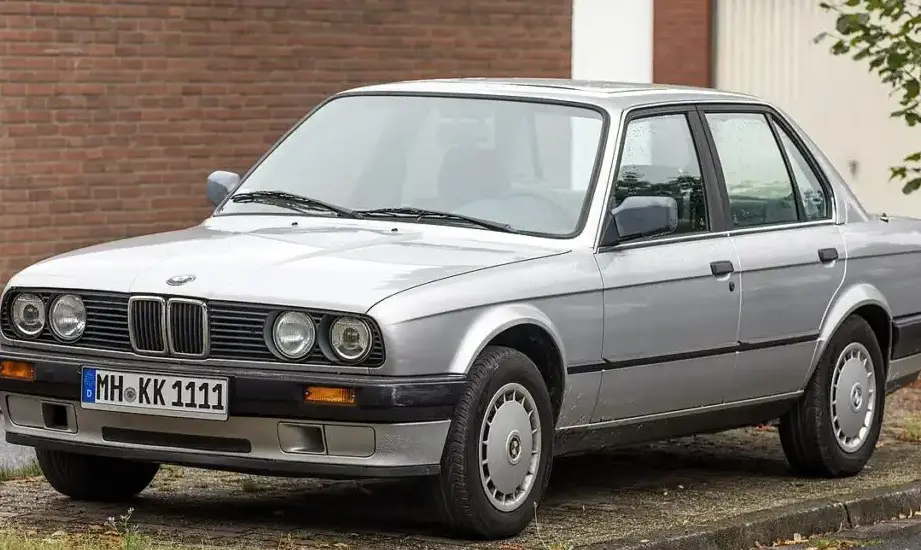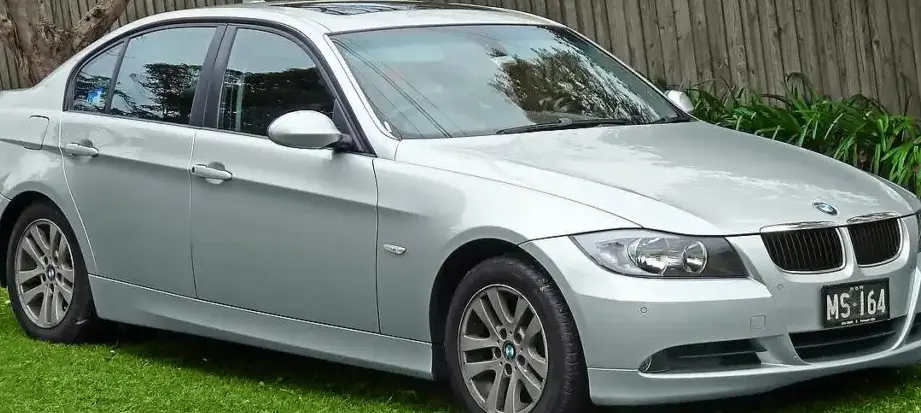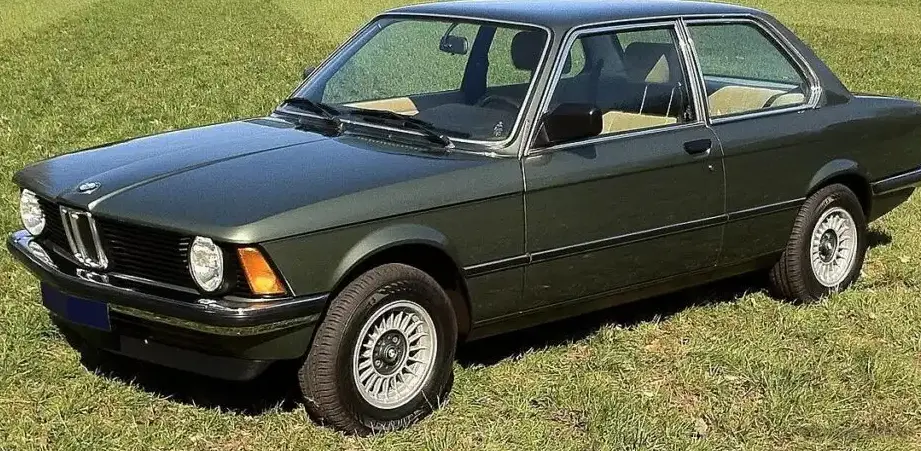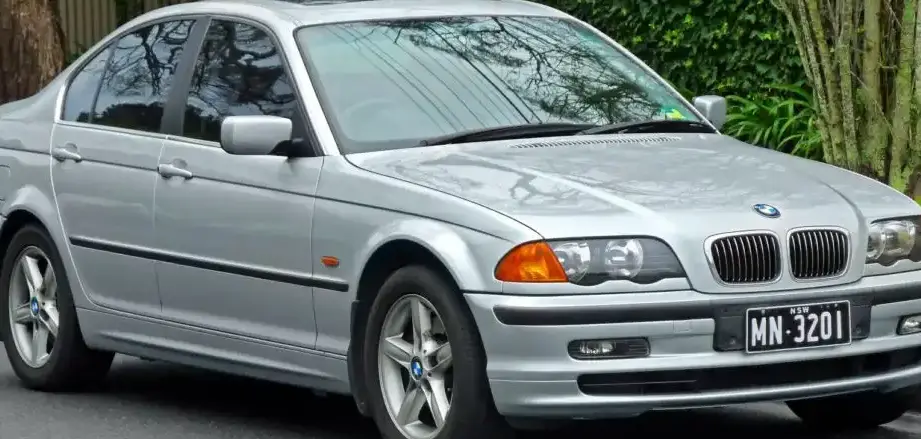
The BMW 3 Series Sedan (E46) 323i Automatic, produced from 1998 to 2001, represented a key offering within the popular E46 generation. Positioned as a mid-range variant, it bridged the gap between the entry-level 323i with a manual transmission and the higher-performance 328i and 330i models. This particular configuration aimed to provide a balance of performance and comfort, appealing to buyers seeking a refined driving experience without sacrificing practicality. The E46 platform itself was a significant step forward for BMW, introducing modern styling, improved chassis dynamics, and a wider range of engine options compared to its E36 predecessor.
Technical Specifications
| Brand | BMW |
| Model | 3 Series |
| Generation | 3 Series Sedan (E46) |
| Type (Engine) | 323i (170 Hp) Automatic |
| Start of production | 1998 |
| End of production | 2001 |
| Powertrain Architecture | Internal Combustion engine |
| Body type | Sedan |
| Seats | 5 |
| Doors | 4 |
| Fuel consumption (urban) | 14.9 l/100 km (15.8 US mpg, 19 UK mpg, 6.7 km/l) |
| Fuel consumption (extra urban) | 7.2 l/100 km (32.7 US mpg, 39.2 UK mpg, 13.9 km/l) |
| Fuel Type | Petrol (Gasoline) |
| Acceleration 0 – 100 km/h | 9 sec |
| Acceleration 0 – 62 mph | 9 sec |
| Acceleration 0 – 60 mph | 8.6 sec |
| Maximum speed | 228 km/h (141.67 mph) |
| Weight-to-power ratio | 8.1 kg/Hp, 124.1 Hp/tonne |
| Weight-to-torque ratio | 5.6 kg/Nm, 178.8 Nm/tonne |
| Power | 170 Hp @ 5500 rpm |
| Power per litre | 68.2 Hp/l |
| Torque | 245 Nm @ 3950 rpm (180.7 lb.-ft. @ 3950 rpm) |
| Engine layout | Front, Longitudinal |
| Engine Model/Code | M52B25TU |
| Engine displacement | 2494 cm3 (152.19 cu. in.) |
| Number of cylinders | 6 |
| Engine configuration | Inline |
| Cylinder Bore | 84 mm (3.31 in.) |
| Piston Stroke | 75 mm (2.95 in.) |
| Compression ratio | 10.5:1 |
| Number of valves per cylinder | 4 |
| Fuel injection system | Multi-port manifold injection |
| Engine aspiration | Naturally aspirated engine |
| Valvetrain | DOHC |
| Engine oil capacity | 6.5 l (6.87 US qt | 5.72 UK qt) |
| Coolant | 8.4 l (8.88 US qt | 7.39 UK qt) |
| Kerb Weight | 1370 kg (3020.33 lbs.) |
| Max. weight | 1870 kg (4122.64 lbs.) |
| Max load | 500 kg (1102.31 lbs.) |
| Trunk (boot) space – minimum | 440 l (15.54 cu. ft.) |
| Fuel tank capacity | 63 l (16.64 US gal | 13.86 UK gal) |
| Length | 4471 mm (176.02 in.) |
| Width | 1739 mm (68.46 in.) |
| Height | 1415 mm (55.71 in.) |
| Wheelbase | 2725 mm (107.28 in.) |
| Front track | 1481 mm (58.31 in.) |
| Rear (Back) track | 1488 mm (58.58 in.) |
| Drivetrain Architecture | The Internal combustion engine (ICE) drives the rear wheels of the vehicle. |
| Drive wheel | Rear wheel drive |
| Number of gears and type of gearbox | 5 gears, automatic transmission |
| Front suspension | Spring Strut |
| Rear suspension | Coil spring |
| Front brakes | Ventilated discs |
| Rear brakes | Disc |
| Assisting systems | ABS (Anti-lock braking system) |
| Steering type | Steering rack and pinion |
| Power steering | Hydraulic Steering |
| Tires size | 195/65 R15 |
Powertrain & Engine Architecture
The heart of the 323i Automatic was the M52B25TU inline-six engine. This 2.5-liter engine was a refined evolution of BMW’s long-standing six-cylinder tradition. The “TU” designation signifies “Technische Upgrade” (Technical Upgrade), indicating improvements over the earlier M52B25. It featured a cast iron block with an aluminum cylinder head, incorporating double overhead camshafts (DOHC) and four valves per cylinder. Fuel delivery was managed by a multi-port fuel injection system, providing precise control over the air-fuel mixture. The engine produced 170 horsepower at 5500 rpm and 245 Nm (180.7 lb-ft) of torque at 3950 rpm. Paired with this engine was a 5-speed automatic transmission, offering smooth shifts but sacrificing some of the responsiveness found in the manual transmission variants. This automatic transmission was a conventional hydraulic unit, known for its reliability but not particularly fuel-efficient compared to later designs.
Driving Characteristics
The 323i Automatic offered a comfortable and refined driving experience. While not as sporty as the manual version or the higher-powered 328i, it provided adequate acceleration for everyday driving. The automatic transmission, while smooth, did result in a slight decrease in performance. The 0-60 mph time of around 8.6 seconds was respectable for the era, but noticeably slower than the manual counterpart. The gear ratios were tuned for comfort and fuel economy, rather than outright performance. Power delivery was linear and predictable, making it easy to modulate the throttle. The rear-wheel-drive configuration contributed to balanced handling, although the automatic transmission didn’t allow for the same level of driver engagement as a manual.
Equipment & Trim Levels
The 323i Automatic typically came standard with features such as power windows, power locks, air conditioning, and an AM/FM stereo. Upholstery was usually cloth, although leather was available as an option. Common optional extras included a sunroof, heated seats, and a premium sound system. The interior design was functional and well-built, reflecting BMW’s commitment to quality. Trim levels were relatively simple, with most options being added individually rather than packaged into distinct tiers. The focus was on providing a comfortable and well-equipped vehicle without the premium price tag of the higher-spec models.
Chassis & Braking
The E46 323i Automatic utilized a MacPherson strut front suspension and a multi-link rear suspension, providing a good balance of ride comfort and handling precision. The chassis was relatively lightweight, contributing to the car’s agility. Braking duties were handled by ventilated discs at the front and solid discs at the rear. Anti-lock braking system (ABS) was standard, enhancing safety and control during hard braking. The suspension tuning was geared towards comfort, resulting in a slightly softer ride compared to the sportier 328i and 330i models.
Market Reception & Comparison
The 323i Automatic was generally well-received by automotive critics. It was praised for its comfortable ride, refined engine, and overall build quality. However, some reviewers noted that the automatic transmission detracted from the driving experience and that the performance wasn’t as exhilarating as the manual or higher-powered versions. Compared to the 328i, the 323i offered a more affordable entry point into the E46 range, but at the cost of some performance. Fuel economy was average for the class, and reliability was generally good, although preventative maintenance was crucial to avoid common BMW issues.
Legacy
The E46 323i Automatic has become a popular choice among enthusiasts and used car buyers. The M52B25TU engine is known for its durability and relatively simple maintenance requirements. While not as sought-after as the 328i or 330i, the 323i offers a compelling combination of affordability, reliability, and driving enjoyment. Well-maintained examples are still relatively common on the used car market, and parts availability is generally good. The automatic transmission, while not the most engaging, has proven to be reasonably reliable over the long term. The E46 323i Automatic remains a testament to BMW’s engineering prowess and a desirable entry point into the world of classic BMW ownership.