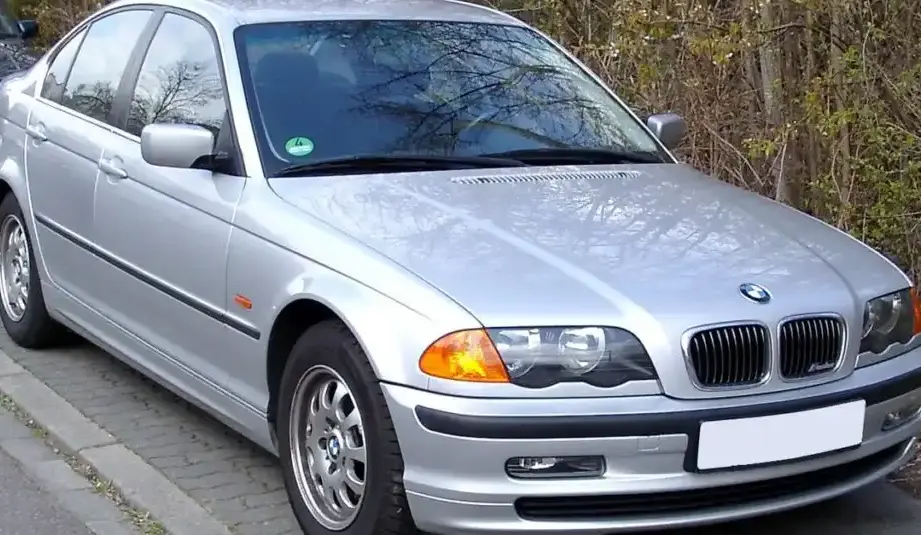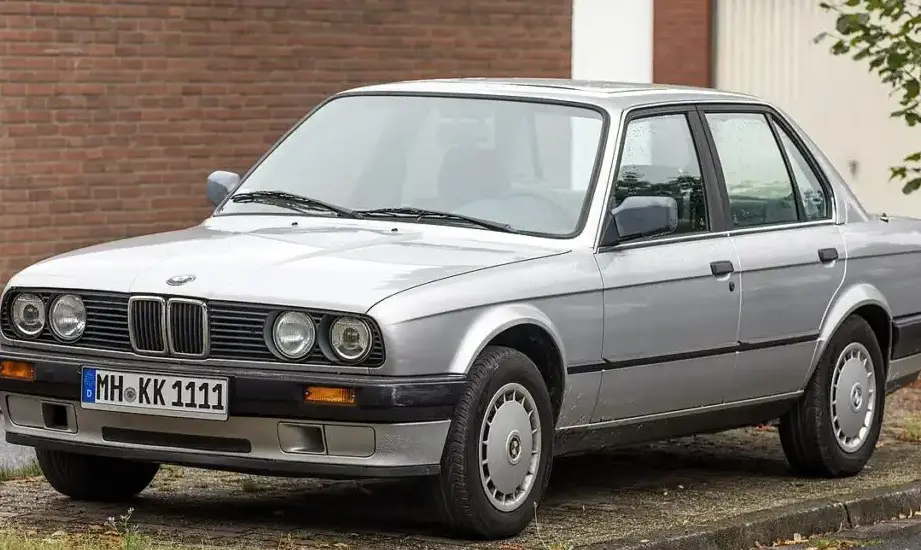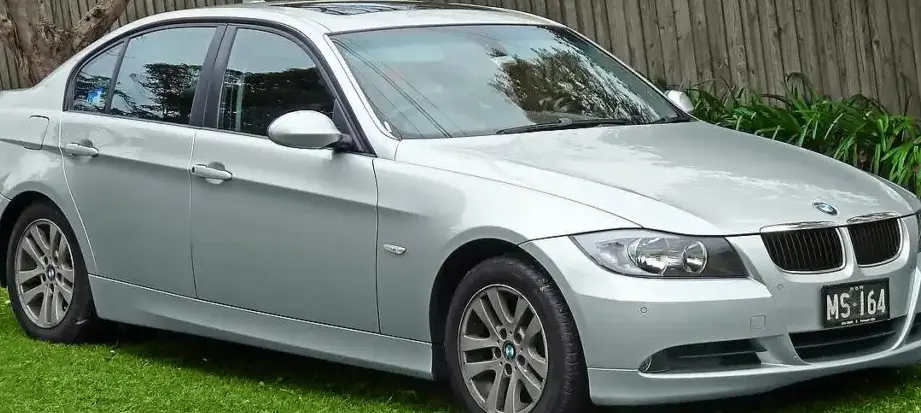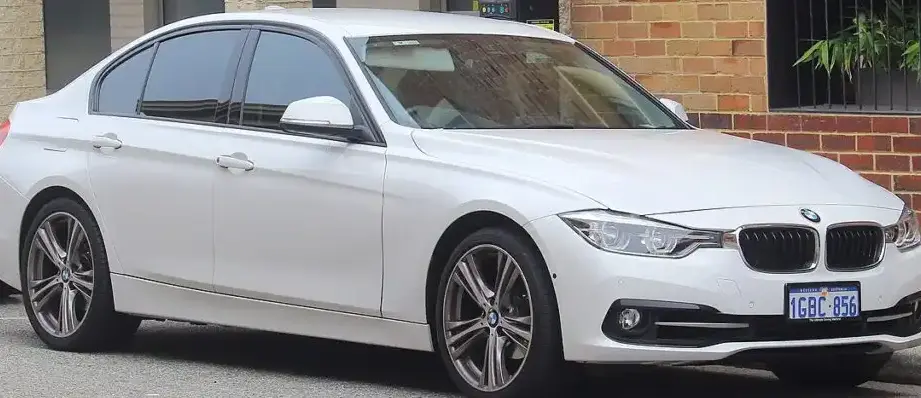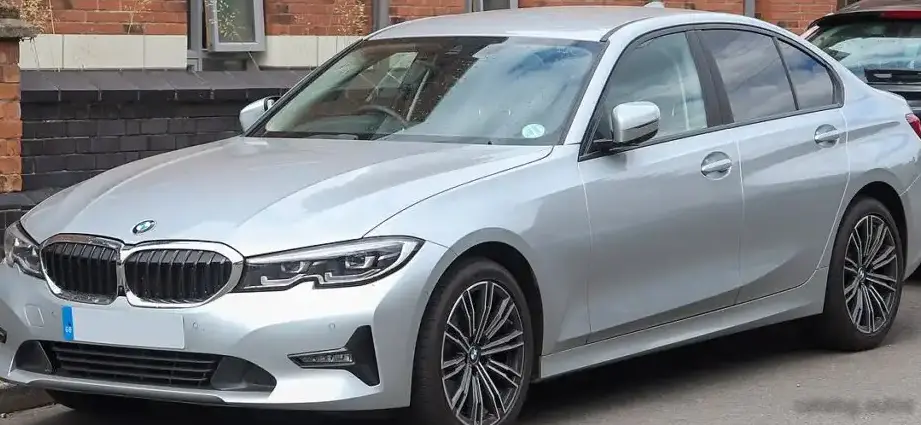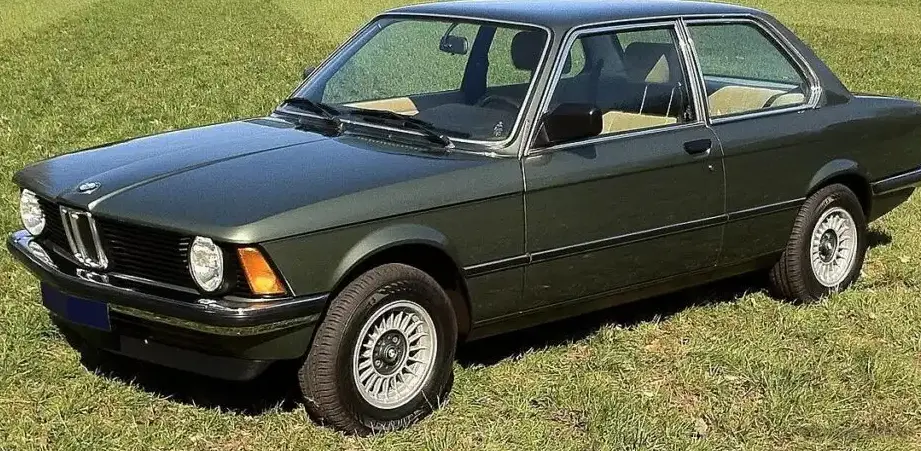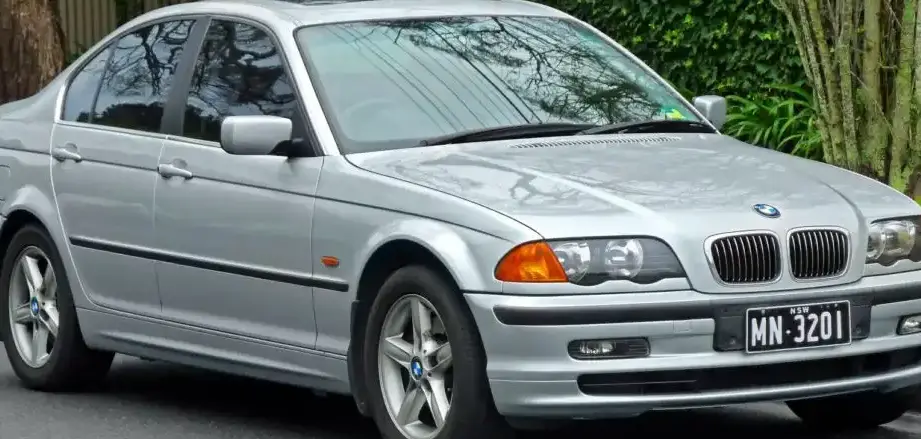
The BMW 3 Series Sedan (E46) 328i, produced from 1998 through 2000, represents a significant evolution in BMW’s long-running and highly successful 3 Series lineage. Positioned as a mid-range offering within the E46 generation (which spanned 1998-2006), the 328i aimed to balance performance and luxury, appealing to buyers seeking a more engaging driving experience than the base 323i, but without the added cost and sporting focus of the M3. It was a key model for BMW in the North American market, where the 3 Series consistently ranked among the best-selling luxury sedans.
Technical Specifications
| Brand | BMW |
| Model | 3 Series |
| Generation | 3 Series Sedan (E46) |
| Type (Engine) | 328i (193 Hp) |
| Start of production | 1998 |
| End of production | 2000 |
| Powertrain Architecture | Internal Combustion engine |
| Body type | Sedan |
| Seats | 5 |
| Doors | 4 |
| Fuel consumption (economy) – urban | 12.5 l/100 km (18.8 US mpg) |
| Fuel consumption (economy) – extra urban | 7 l/100 km (33.6 US mpg) |
| Fuel Type | Petrol (Gasoline) |
| Acceleration 0 – 100 km/h | 7 sec |
| Acceleration 0 – 62 mph | 7 sec |
| Acceleration 0 – 60 mph | 6.7 sec |
| Maximum speed | 240 km/h (149.13 mph) |
| Weight-to-power ratio | 7.2 kg/Hp, 138.4 Hp/tonne |
| Weight-to-torque ratio | 5 kg/Nm, 200.7 Nm/tonne |
| Power | 193 Hp @ 5300 rpm |
| Power per litre | 69.1 Hp/l |
| Torque | 280 Nm @ 3950 rpm (206.52 lb.-ft. @ 3950 rpm) |
| Engine layout | Front, Longitudinal |
| Engine Model/Code | M52B28TU |
| Engine displacement | 2793 cm3 (170.44 cu. in.) |
| Number of cylinders | 6 |
| Engine configuration | Inline |
| Cylinder Bore | 84 mm (3.31 in.) |
| Piston Stroke | 84 mm (3.31 in.) |
| Compression ratio | 10.2:1 |
| Number of valves per cylinder | 4 |
| Fuel injection system | Multi-port manifold injection |
| Engine aspiration | Naturally aspirated engine |
| Valvetrain | DOHC |
| Engine oil capacity | 6.5 l (6.87 US qt | 5.72 UK qt) |
| Coolant | 8.4 l (8.88 US qt | 7.39 UK qt) |
| Kerb Weight | 1395 kg (3075.45 lbs.) |
| Max. weight | 1895 kg (4177.76 lbs.) |
| Max load | 500 kg (1102.31 lbs.) |
| Trunk (boot) space – minimum | 440 l (15.54 cu. ft.) |
| Fuel tank capacity | 63 l (16.64 US gal | 13.86 UK gal) |
| Length | 4471 mm (176.02 in.) |
| Width | 1739 mm (68.46 in.) |
| Height | 1415 mm (55.71 in.) |
| Wheelbase | 2725 mm (107.28 in.) |
| Front track | 1471 mm (57.91 in.) |
| Rear (Back) track | 1478 mm (58.19 in.) |
| Drivetrain Architecture | The Internal combustion engine (ICE) drives the rear wheels of the vehicle. |
| Drive wheel | Rear wheel drive |
| Number of gears and type of gearbox | 5 gears, manual transmission |
| Front suspension | Spring Strut |
| Rear suspension | Coil spring |
| Front brakes | Ventilated discs |
| Rear brakes | Disc |
| Assisting systems | ABS (Anti-lock braking system) |
| Steering type | Steering rack and pinion |
| Power steering | Hydraulic Steering |
| Tires size | 205/55R16 |
| Wheel rims size | 16 |
Powertrain & Engine Architecture
The heart of the 328i is the M52B28TU inline-six engine. This 2.8-liter powerplant was a refined version of the M52 engine family, known for its smooth operation and robust construction. The “TU” designation signifies *Technische Upgrade* (Technical Upgrade), indicating improvements over the earlier M52. It featured a cast iron block with an aluminum cylinder head, dual overhead camshafts (DOHC), and four valves per cylinder. Fuel delivery was handled by a multi-port fuel injection system, providing precise control over the air-fuel mixture. The engine produced 193 horsepower at 5300 rpm and 280 Nm (206.52 lb-ft) of torque at 3950 rpm. The engine’s design prioritized low-end and mid-range torque, making it responsive in everyday driving situations. The 328i was exclusively offered with a 5-speed manual transmission in the US market, providing a direct and engaging driving experience. A 5-speed automatic transmission was also available, though it slightly impacted acceleration times.
Driving Characteristics
The 328i with the manual transmission offered a well-balanced driving experience. Acceleration from 0-60 mph took approximately 6.7 seconds, making it noticeably quicker than the 323i. The engine’s torque curve provided ample power for passing maneuvers and confident highway cruising. The manual gearbox was precise and relatively short-throw, enhancing driver involvement. The automatic transmission, while convenient, resulted in a slight performance decrease and a less engaging feel. The E46 chassis, known for its rigidity and well-tuned suspension, contributed to excellent handling characteristics. Steering was precise and communicative, providing good feedback to the driver. Compared to the higher-performance 330i, the 328i offered a more accessible and comfortable driving experience, sacrificing some outright speed for improved refinement.
Equipment & Trim Levels
The 328i came standard with a respectable array of features, including power windows, power locks, air conditioning, and an AM/FM stereo. Upholstery was typically cloth, though leather was available as an option. Optional extras included a sunroof, heated front seats, automatic climate control, and a premium sound system. The 328i also offered a range of appearance packages, allowing buyers to customize the exterior and interior to their preferences. Sport packages added features like sport seats, a sport suspension, and unique alloy wheels. The interior layout was typical of BMW at the time, with a driver-focused cockpit and high-quality materials.
Chassis & Braking
The E46 328i utilized a MacPherson strut front suspension and a multi-link rear suspension, providing a good balance of ride comfort and handling precision. The suspension was tuned to be slightly softer than the sport-oriented 330i, prioritizing comfort without sacrificing handling. Brakes consisted of ventilated discs at the front and solid discs at the rear. Anti-lock braking system (ABS) was standard. The chassis was designed to be lightweight and rigid, contributing to the car’s responsive handling. The standard tire size was 205/55R16, providing good grip in a variety of conditions.
Market Reception & Comparison
The 328i was generally well-received by automotive critics. It was praised for its smooth engine, responsive handling, and comfortable ride. Compared to the 323i, the 328i offered a significant performance upgrade, while remaining more affordable than the 330i or M3. Fuel economy was reasonable for a performance sedan of its era, averaging around 22 mpg in the city and 32 mpg on the highway. Reliability was generally good, although some owners reported issues with cooling system components and oil leaks as the cars aged. The 328i represented a sweet spot in the E46 lineup, offering a compelling combination of performance, luxury, and value.
Legacy
Today, the E46 328i remains a popular choice among enthusiasts and used car buyers. The M52B28TU engine is known for its durability and relatively simple maintenance requirements. While examples are now over two decades old, well-maintained 328is can still provide years of reliable service. The car’s timeless design and engaging driving dynamics continue to appeal to a wide range of drivers. Parts availability is generally good, although some specific components may be becoming increasingly difficult to find. The E46 328i is considered a classic example of BMW’s commitment to building driver-focused automobiles, and it remains a benchmark for its class.