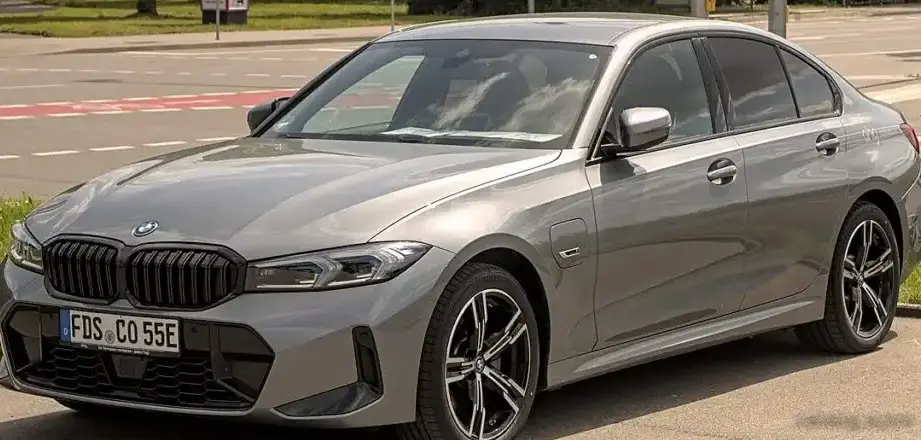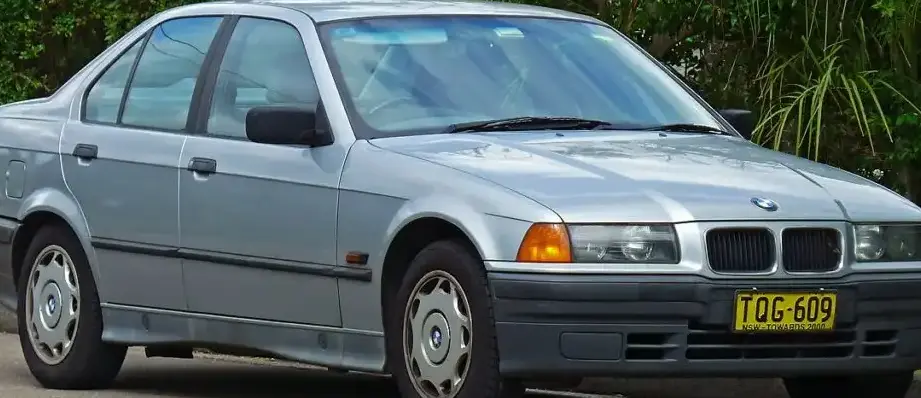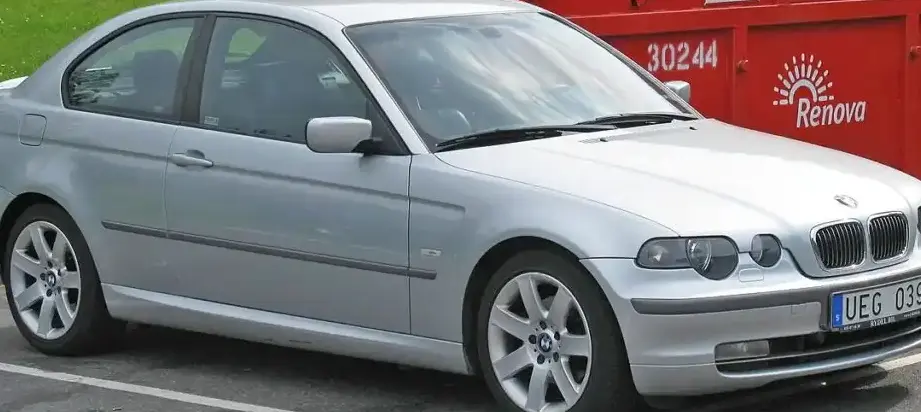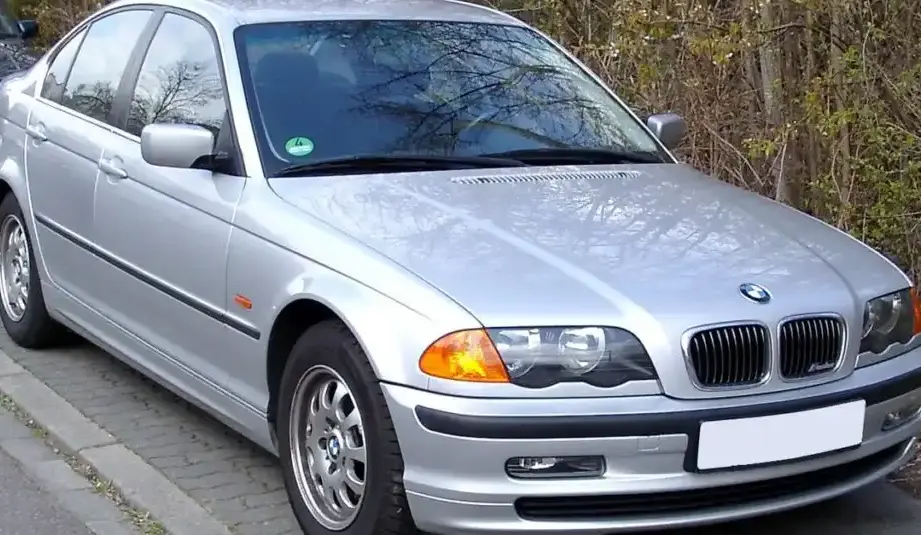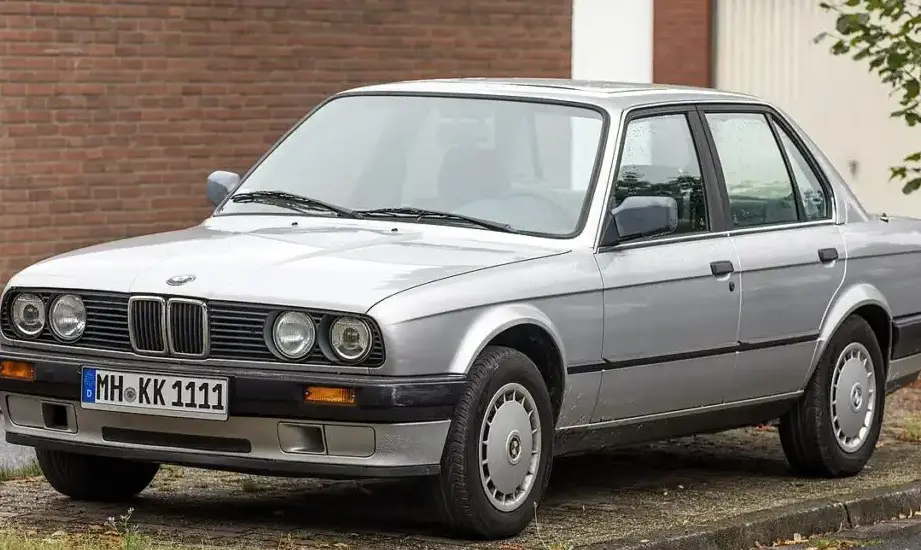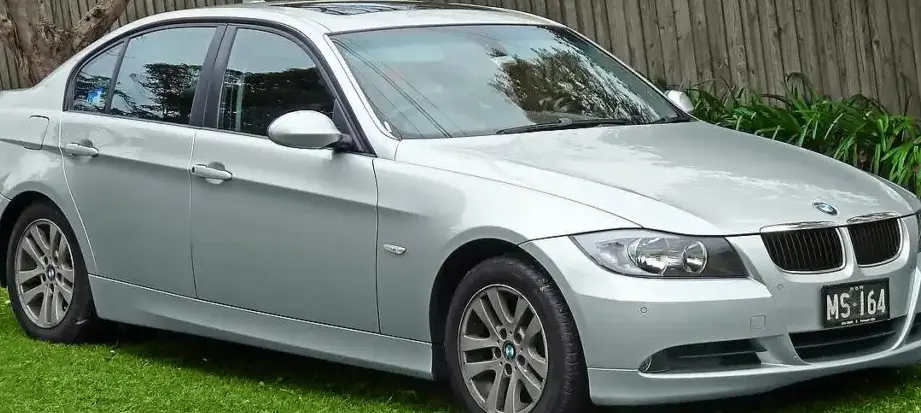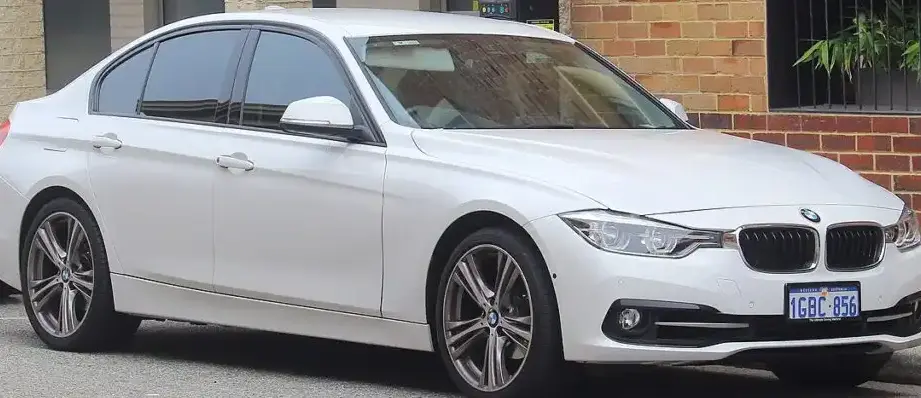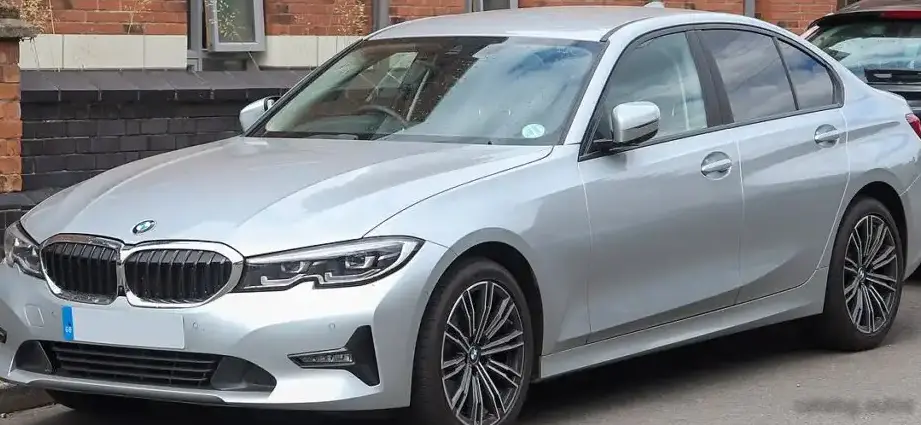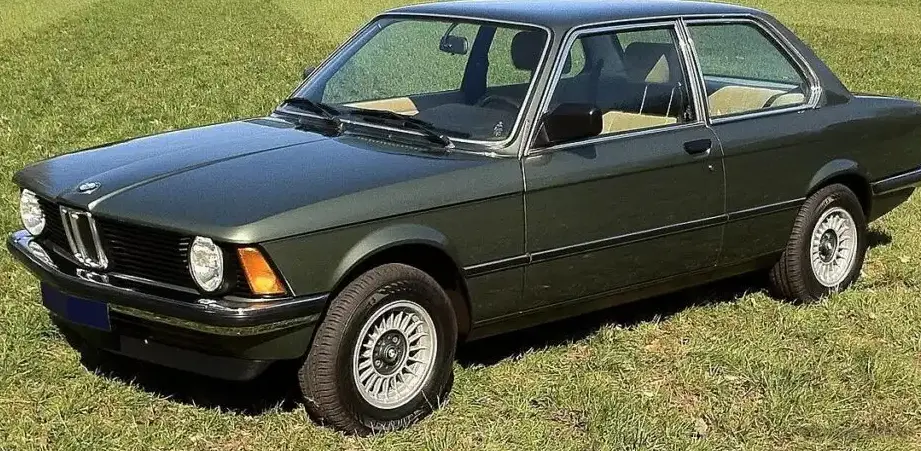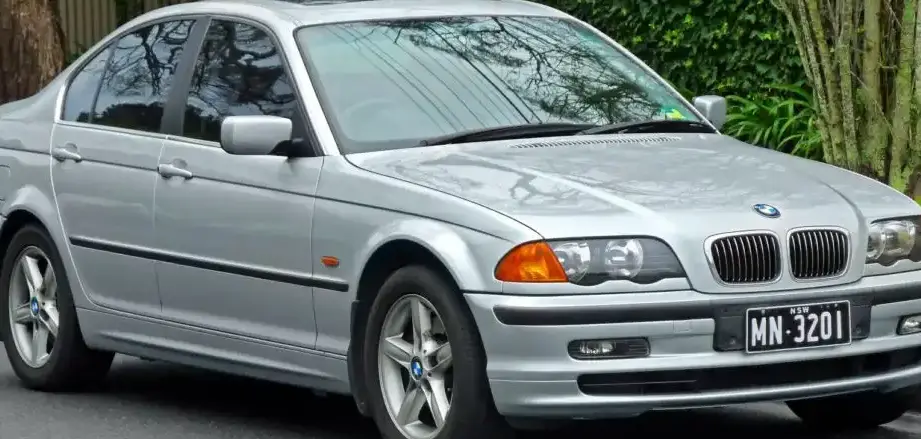
The BMW 3 Series Sedan (E46) 330i Automatic, produced from 2000 to 2001, represented a significant evolution in BMW’s popular compact executive car line. Falling within the E46 generation (1998-2006), the 330i Automatic occupied a premium position in the lineup, offering a blend of performance and convenience. It was positioned above the 323i and 328i models, and below the high-performance M3. This variant aimed to provide a more relaxed driving experience compared to its manual transmission counterparts, appealing to buyers prioritizing comfort and ease of use without sacrificing BMW’s renowned driving dynamics.
Technical Specifications
| Brand | BMW |
| Model | 3 Series |
| Generation | 3 Series Sedan (E46) |
| Type (Engine) | 330i (231 Hp) Automatic |
| Start of production | 2000 |
| End of production | 2001 |
| Powertrain Architecture | Internal Combustion engine |
| Body type | Sedan |
| Seats | 5 |
| Doors | 4 |
| Fuel consumption (urban) | 14 l/100 km (16.8 US mpg, 20.2 UK mpg, 7.1 km/l) |
| Fuel consumption (extra urban) | 7 l/100 km (33.6 US mpg, 40.4 UK mpg, 14.3 km/l) |
| Fuel consumption (combined) | 9.6 l/100 km (24.5 US mpg, 29.4 UK mpg, 10.4 km/l) |
| Fuel Type | Petrol (Gasoline) |
| Acceleration 0 – 100 km/h | 7 sec |
| Acceleration 0 – 62 mph | 7 sec |
| Acceleration 0 – 60 mph | 6.7 sec |
| Maximum speed | 247 km/h (153.48 mph) |
| Weight-to-power ratio | 6.1 kg/Hp, 165 Hp/tonne |
| Weight-to-torque ratio | 4.7 kg/Nm, 214.3 Nm/tonne |
| Power | 231 Hp @ 5900 rpm |
| Power per litre | 77.5 Hp/l |
| Torque | 300 Nm @ 3500 rpm (221.27 lb.-ft. @ 3500 rpm) |
| Engine layout | Front, Longitudinal |
| Engine Model/Code | M54B30 |
| Engine displacement | 2979 cm3 (181.79 cu. in.) |
| Number of cylinders | 6 |
| Engine configuration | Inline |
| Cylinder Bore | 84 mm (3.31 in.) |
| Piston Stroke | 89.6 mm (3.53 in.) |
| Compression ratio | 10.2:1 |
| Number of valves per cylinder | 4 |
| Fuel injection system | Multi-port manifold injection |
| Engine aspiration | Naturally aspirated engine |
| Valvetrain | DOHC |
| Engine oil capacity | 6.5 l (6.87 US qt | 5.72 UK qt) |
| Coolant | 8.4 l (8.88 US qt | 7.39 UK qt) |
| Kerb Weight | 1400 kg (3086.47 lbs.) |
| Max. weight | 1900 kg (4188.78 lbs.) |
| Max load | 500 kg (1102.31 lbs.) |
| Trunk (boot) space – minimum | 440 l (15.54 cu. ft.) |
| Fuel tank capacity | 63 l (16.64 US gal | 13.86 UK gal) |
| Length | 4471 mm (176.02 in.) |
| Width | 1739 mm (68.46 in.) |
| Height | 1415 mm (55.71 in.) |
| Wheelbase | 2725 mm (107.28 in.) |
| Front track | 1471 mm (57.91 in.) |
| Rear (Back) track | 1483 mm (58.39 in.) |
| Drivetrain Architecture | Rear wheel drive |
| Drive wheel | Rear wheel drive |
| Number of gears and type of gearbox | 5 gears, automatic transmission |
| Front suspension | Spring Strut |
| Rear suspension | Coil spring |
| Front brakes | Ventilated discs |
| Rear brakes | Disc |
| Assisting systems | ABS (Anti-lock braking system) |
| Steering type | Steering rack and pinion |
| Power steering | Hydraulic Steering |
| Tires size | 225/45 R17 |
| Wheel rims size | 8J x 17 |
Powertrain & Engine Architecture
The heart of the 330i Automatic is the M54B30, a 3.0-liter inline-six engine. This engine is a naturally aspirated powerplant, utilizing multi-port fuel injection and a double overhead camshaft (DOHC) valvetrain. The M54 engine family was known for its smooth power delivery and robust construction. The 330i’s version produced 231 horsepower at 5900 rpm and 221 lb-ft of torque at 3500 rpm. The engine’s longitudinal mounting and rear-wheel-drive configuration were hallmarks of BMW’s engineering philosophy. Paired with the M54B30 was a 5-speed automatic transmission, offering a more relaxed driving experience than the available 5-speed manual. This automatic transmission was designed to provide smooth shifts and efficient power delivery, though it wasn’t known for being particularly sporty or quick-shifting compared to some competitors.
Driving Characteristics
The 330i Automatic offered a comfortable and refined driving experience. While not as engaging as the manual transmission version, the automatic provided effortless cruising and smooth acceleration. The 5-speed automatic was geared for a balance of fuel economy and performance. Acceleration from 0 to 60 mph took approximately 6.7 seconds, slightly slower than the manual variant. The automatic transmission’s shift points were programmed to prioritize comfort and fuel efficiency, sometimes resulting in a slight delay in response during aggressive driving. However, the engine’s ample torque allowed for confident passing maneuvers and effortless highway cruising.
Equipment & Trim Levels
The 330i Automatic typically came standard with features such as power windows, power locks, a sunroof, and air conditioning. Upholstery was generally cloth, with leather options available as an upgrade. Optional extras included premium sound systems, navigation systems, heated seats, and sport packages that added features like sport suspension and upgraded wheels. The interior design was typical of BMW at the time, focusing on functionality and a driver-centric layout. The dashboard featured clear instrumentation and intuitive controls.
Chassis & Braking
The E46 330i utilized a MacPherson strut front suspension and a multi-link rear suspension, providing a good balance of ride comfort and handling precision. The chassis was relatively lightweight, contributing to the car’s agile handling characteristics. Braking duties were handled by ventilated discs at the front and solid discs at the rear, equipped with an Anti-lock Braking System (ABS) as standard. The steering was a hydraulic rack-and-pinion system, offering precise and responsive steering feel.
Market Reception & Comparison
The 330i Automatic was generally well-received by automotive critics. It was praised for its smooth engine, comfortable ride, and refined interior. However, some reviewers noted that the automatic transmission lacked the responsiveness of the manual version. Compared to the 323i and 328i, the 330i offered a noticeable performance upgrade. Compared to competitors like the Audi A4 and Mercedes-Benz C-Class, the 330i was often lauded for its superior handling and driving dynamics. Fuel economy was respectable for its class, averaging around 24.5 mpg combined.
Legacy
The E46 330i Automatic has become a popular choice among enthusiasts and used car buyers. The M54B30 engine is known for its reliability and relatively low maintenance costs, provided it is properly maintained. However, like many older BMWs, it can be susceptible to issues such as oil leaks and cooling system failures. The automatic transmission, while generally reliable, may require servicing or rebuilding after high mileage. Today, well-maintained examples of the 330i Automatic are sought after for their blend of performance, comfort, and classic BMW styling, making them a desirable entry point into the world of BMW ownership.