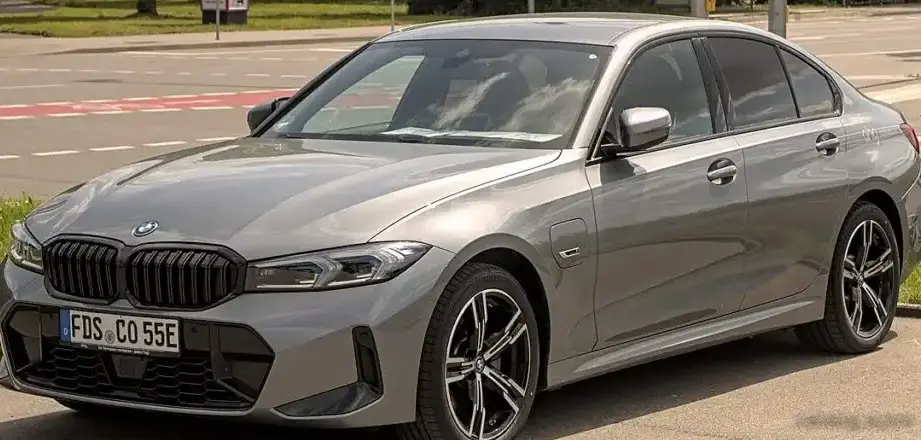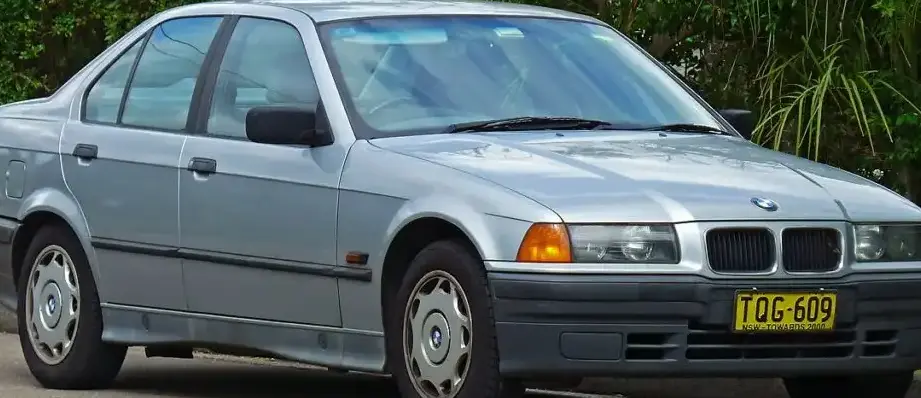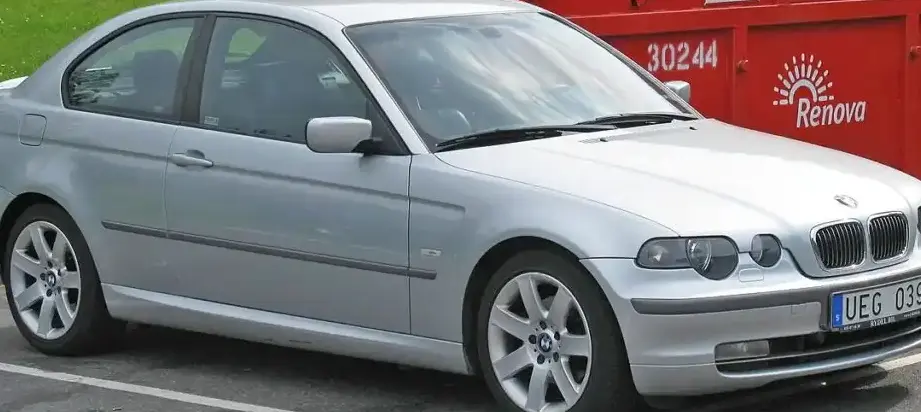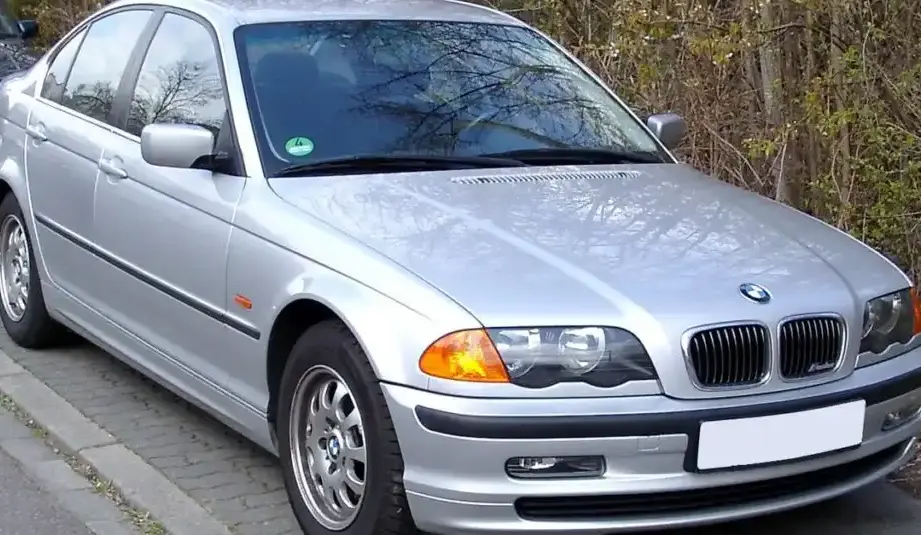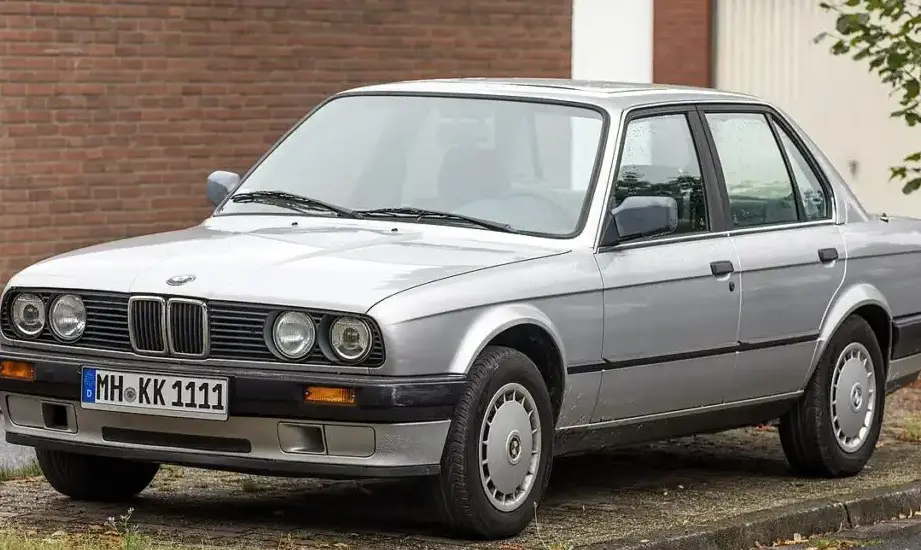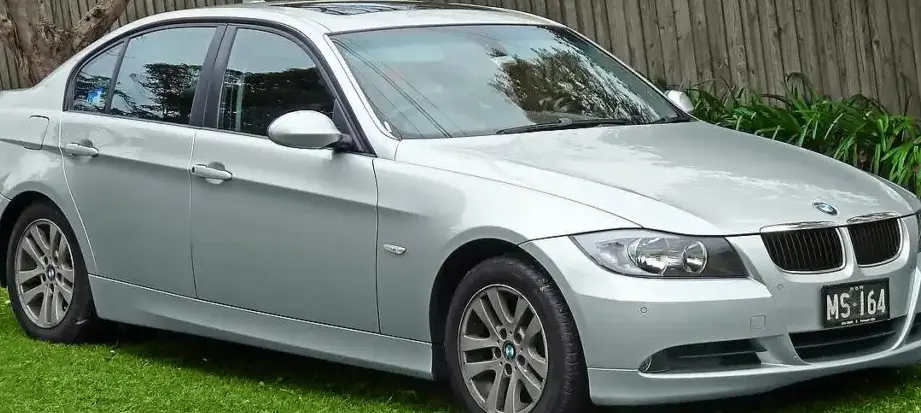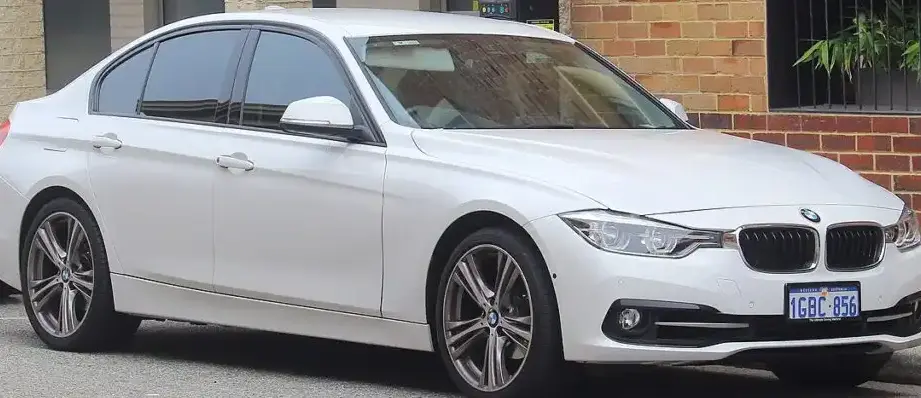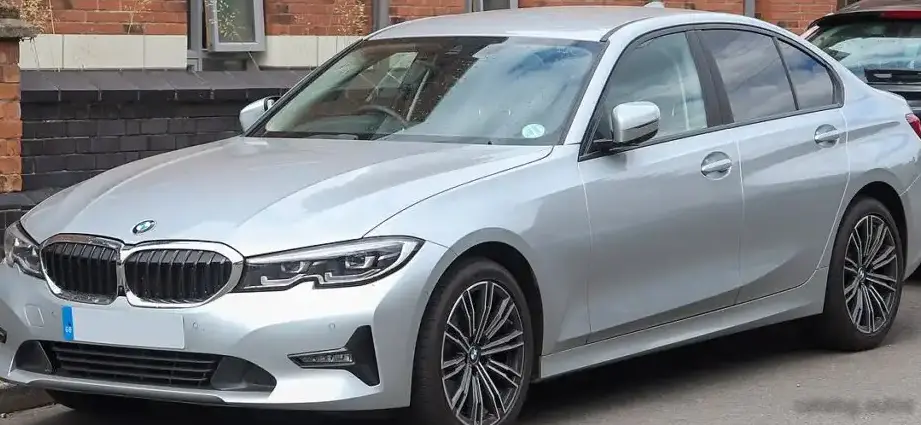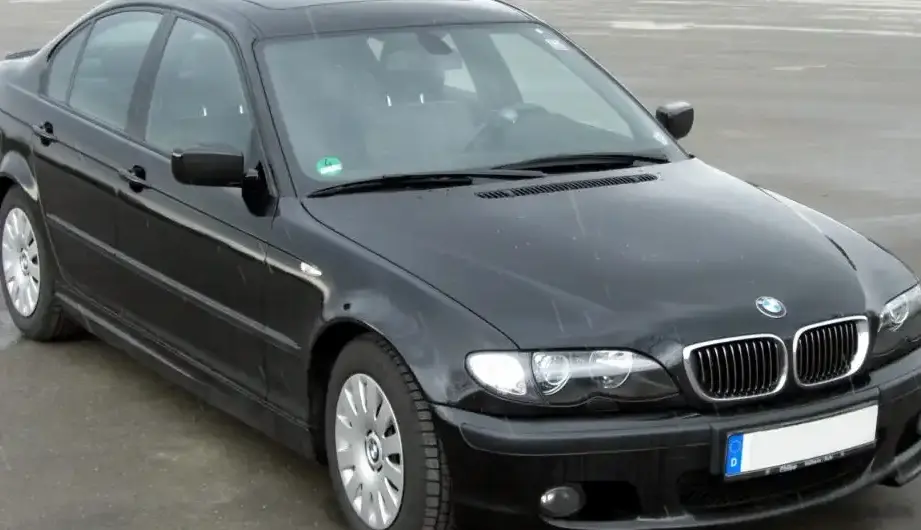
The BMW 3 Series Sedan (E46) facelift, produced from 2001 to 2005, marked a notable refinement of BMW’s popular compact executive car. Within the E46 range, the 318d, powered by a 2.0-liter turbocharged diesel engine producing 115 horsepower, occupied the entry-level position. Introduced to cater to European markets increasingly focused on fuel efficiency and lower running costs, the 318d offered a blend of BMW’s renowned driving dynamics with diesel economy. This variant was primarily sold in Europe and other regions with favorable diesel taxation, and was not officially offered in the North American market.
Technical Specifications
| Brand | BMW |
| Model | 3 Series |
| Generation | 3 Series Sedan (E46, facelift 2001) |
| Type (Engine) | 318d (115 Hp) |
| Start of production | 2001 |
| End of production | 2005 |
| Powertrain Architecture | Internal Combustion engine |
| Body type | Sedan |
| Seats | 5 |
| Doors | 4 |
| Fuel consumption (urban) | 7.8 l/100 km (30.2 US mpg) |
| Fuel consumption (extra urban) | 4.7 l/100 km (50 US mpg) |
| Fuel consumption (combined) | 5.8 l/100 km (40.6 US mpg) |
| Fuel Type | Diesel |
| Acceleration 0 – 100 km/h | 10.7 sec |
| Acceleration 0 – 62 mph | 10.7 sec |
| Acceleration 0 – 60 mph | 10.2 sec |
| Maximum speed | 204 km/h (126.76 mph) |
| Weight-to-power ratio | 12.1 kg/Hp |
| Weight-to-torque ratio | 5.3 kg/Nm |
| Power | 115 Hp @ 4000 rpm |
| Torque | 265 Nm @ 1750 rpm (195.45 lb.-ft. @ 1750 rpm) |
| Engine layout | Front, Longitudinal |
| Engine Model/Code | M47D20 |
| Engine displacement | 1951 cm3 (119.06 cu. in.) |
| Number of cylinders | 4 |
| Engine configuration | Inline |
| Cylinder Bore | 84 mm (3.31 in.) |
| Piston Stroke | 88 mm (3.46 in.) |
| Compression ratio | 19:1 |
| Number of valves per cylinder | 4 |
| Fuel injection system | Diesel Commonrail |
| Engine aspiration | Turbocharger, Intercooler |
| Valvetrain | OHC |
| Engine oil capacity | 5.5 l (5.81 US qt | 4.84 UK qt) |
| Coolant capacity | 7.9 l (8.35 US qt | 6.95 UK qt) |
| Kerb Weight | 1395 kg (3075.45 lbs.) |
| Max. weight | 1895 kg (4177.76 lbs.) |
| Max load | 500 kg (1102.31 lbs.) |
| Trunk (boot) space – minimum | 410 l (14.48 cu. ft.) |
| Fuel tank capacity | 63 l (16.64 US gal | 13.86 UK gal) |
| Length | 4470 mm (175.98 in.) |
| Width | 1740 mm (68.5 in.) |
| Height | 1420 mm (55.91 in.) |
| Wheelbase | 2725 mm (107.28 in.) |
| Front track | 1480 mm (58.27 in.) |
| Rear track | 1495 mm (58.86 in.) |
| Drivetrain Architecture | Rear wheel drive |
| Number of gears | 5 |
| Gearbox type | Manual transmission |
| Front suspension | Wishbone |
| Rear suspension | Coil spring |
| Front brakes | Ventilated discs |
| Rear brakes | Disc |
| Assisting systems | ABS (Anti-lock braking system) |
| Steering type | Steering rack and pinion |
| Power steering | Hydraulic Steering |
| Tires size | 195/65 R15 |
| Wheel rims size | 6.5J x 15 |
Powertrain & Engine Architecture
The heart of the 318d was the M47D20, a 1.95-liter inline-four cylinder diesel engine. This engine was a key component of BMW’s second-generation common rail diesel technology. The M47D20 featured a turbocharger with an intercooler, boosting power output to 115 hp and 265 Nm (195 lb-ft) of torque. The common rail direct injection system, operating at pressures up to 1,600 bar, allowed for precise fuel metering and optimized combustion. The engine utilized a single overhead camshaft (OHC) design with four valves per cylinder. A 5-speed manual transmission was the standard offering, providing a balance between fuel efficiency and driver engagement. While an automatic transmission was available, it was less common with this engine due to its impact on fuel economy and performance. The automatic, typically a 5-speed unit, offered convenience but noticeably dulled acceleration and increased fuel consumption.
Driving Characteristics
The 318d, with its 115 hp and 265 Nm of torque, offered a distinctly different driving experience compared to the higher-powered 320d or 330d models. Acceleration from 0 to 62 mph took approximately 10.7 seconds, making it adequate for everyday driving but not particularly sporty. The engine’s torque peak, available from 1750 rpm, provided good low-end responsiveness, making it easy to navigate city traffic and execute overtaking maneuvers. However, the engine lacked the outright punch of its more powerful siblings. The manual transmission’s gear ratios were tuned for fuel efficiency, resulting in a slightly less engaging driving experience than the sportier models. The 318d prioritized fuel economy and refinement over outright performance. The steering, typical of BMW, offered precise feedback, and the chassis provided a comfortable yet controlled ride.
Equipment & Trim Levels
The 318d typically came equipped with a reasonable level of standard equipment. This included power windows, central locking, air conditioning, and an audio system. Interior upholstery was generally cloth, although leather options were available. The dashboard layout was consistent with other E46 models, featuring a functional and driver-focused design. Optional extras included sunroof, heated seats, upgraded audio systems, and parking sensors. The 318d was often seen as a base model, with buyers opting for higher trims like the 320d for more luxurious features. Packages like the “Sport” package added features like sport seats, a sport suspension, and unique alloy wheels, enhancing the driving experience.
Chassis & Braking
The E46 318d utilized a MacPherson strut front suspension and a multi-link rear suspension, providing a comfortable and controlled ride. The front brakes were ventilated discs, while the rear brakes were solid discs. Anti-lock Braking System (ABS) was standard. The suspension setup was tuned to balance comfort and handling, offering a typical BMW driving experience. Stabilizer bars were fitted front and rear to reduce body roll during cornering. The chassis was designed to accommodate the lower weight of the diesel engine compared to the gasoline variants. The relatively lighter engine contributed to a balanced feel, although it didn’t offer the same level of dynamic performance as the higher-powered models.
Market Reception & Comparison
The 318d was well-received in Europe as a practical and economical option within the 3 Series range. Critics praised its fuel efficiency and low running costs, but some noted its lack of outright performance compared to the gasoline-powered models. Compared to the 320d, the 318d offered a lower purchase price and running costs, but at the expense of performance. The 320d, with its more powerful engine, provided a more engaging driving experience and quicker acceleration. The 318d appealed to drivers who prioritized fuel economy and practicality over sporty driving dynamics. Reliability was generally good, although the common rail diesel system required careful maintenance to prevent issues. The diesel particulate filter (DPF) also required periodic attention, particularly on vehicles primarily used for short trips.
Legacy
The M47D20 engine, found in the 318d, proved to be a relatively reliable unit when properly maintained. However, like all common rail diesel engines, it was susceptible to issues with the fuel injectors and high-pressure fuel pump. Today, the E46 318d is a relatively affordable used car, appealing to buyers looking for a practical and economical BMW. Its fuel efficiency and relatively low maintenance costs make it a popular choice for daily commuting. While not as sought-after as the higher-performance 3 Series models, the 318d represents a significant chapter in BMW’s diesel engine development and offers a unique blend of BMW driving dynamics and fuel efficiency. Well-maintained examples continue to provide reliable transportation, and the E46 platform remains popular among enthusiasts for its balanced handling and classic BMW styling.