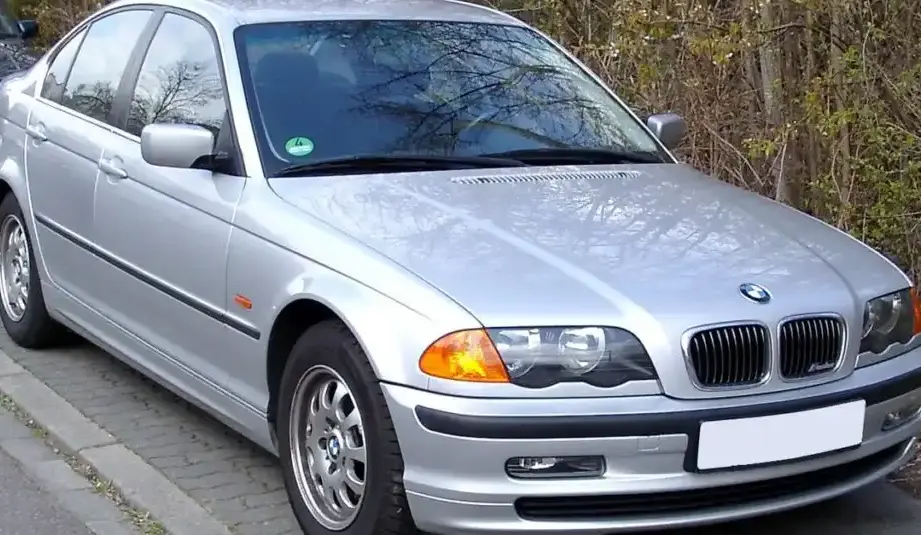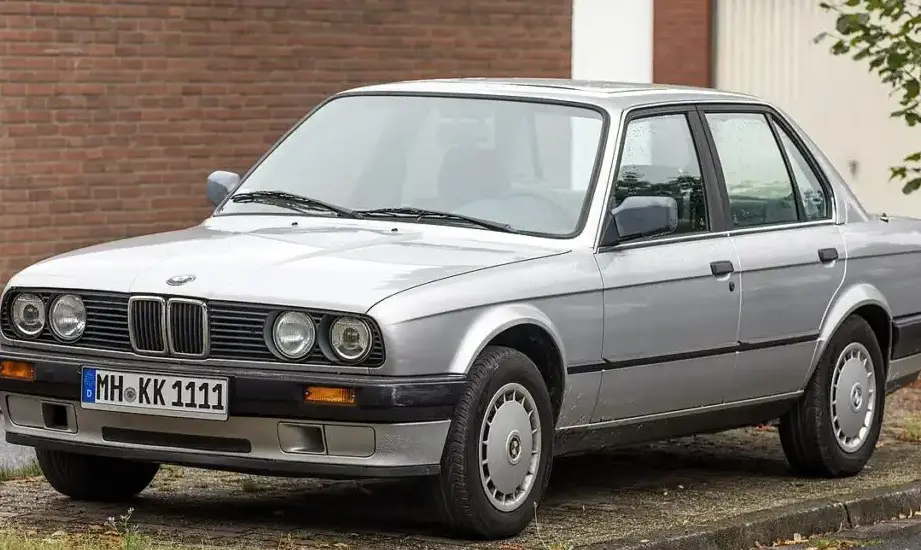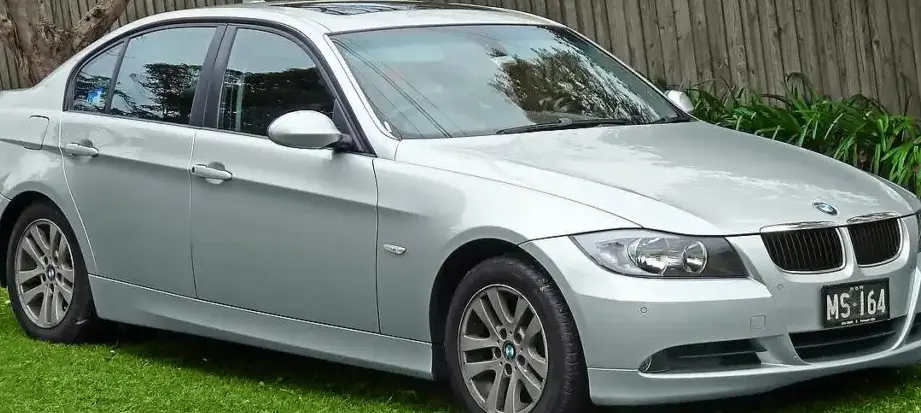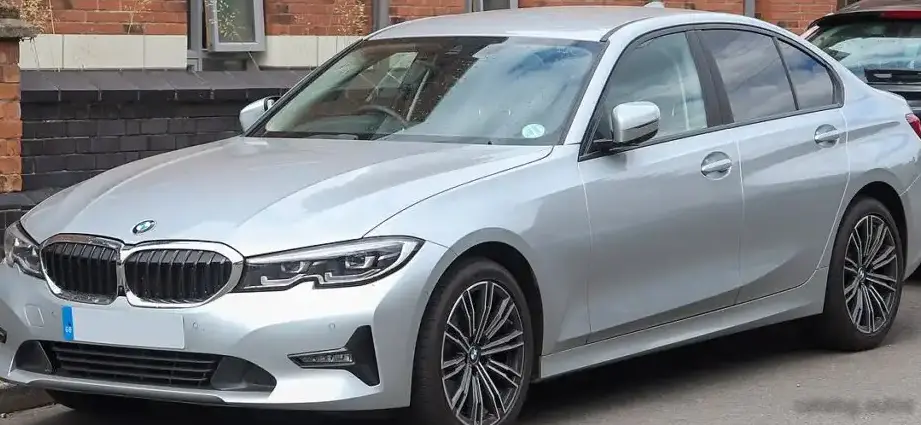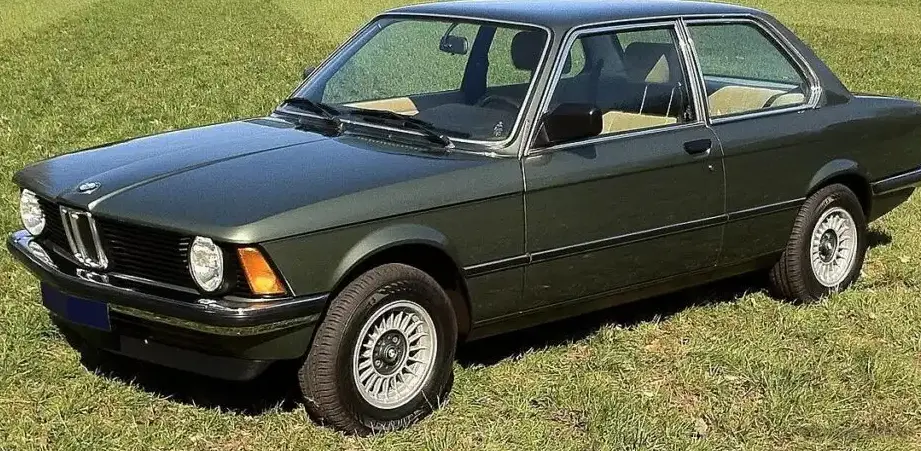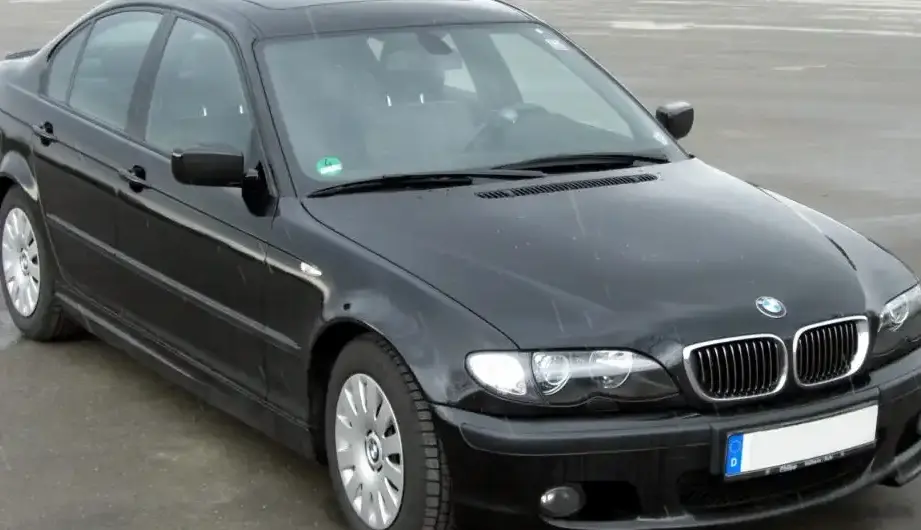
The BMW 3 Series (E46) facelift 318i, produced from 2001 to 2005, represented the entry point into the E46 generation, a period considered by many to be a high watermark for BMW’s blend of driving dynamics and build quality. This variant, powered by the N42B20 2.0-liter inline-four engine producing 143 horsepower, occupied a crucial position in the lineup, offering a balance between affordability, fuel efficiency, and the core BMW driving experience. It was positioned below the more powerful 323i, 328i, and 330i models, as well as the diesel-powered 320d and 330d variants prevalent in the European market. The 318i catered to buyers prioritizing a comfortable ride and lower running costs over outright performance.
Technical Specifications
| Brand | BMW |
| Model | 3 Series |
| Generation | 3 Series Sedan (E46, facelift 2001) |
| Type (Engine) | 318i (143 Hp) |
| Start of production | 2001 |
| End of production | 2005 |
| Powertrain Architecture | Internal Combustion engine |
| Body type | Sedan |
| Seats | 5 |
| Doors | 4 |
| Fuel consumption (urban) | 10.2 l/100 km (23.1 US mpg, 27.7 UK mpg, 9.8 km/l) |
| Fuel consumption (extra urban) | 5.5 l/100 km (42.8 US mpg, 51.4 UK mpg, 18.2 km/l) |
| Fuel consumption (combined) | 7.2 l/100 km (32.7 US mpg, 39.2 UK mpg, 13.9 km/l) |
| Fuel Type | Petrol (Gasoline) |
| Acceleration 0 – 100 km/h | 9.3 sec |
| Acceleration 0 – 62 mph | 9.3 sec |
| Acceleration 0 – 60 mph | 8.8 sec |
| Maximum speed | 218 km/h (135.46 mph) |
| Weight-to-power ratio | 9.2 kg/Hp, 108.3 Hp/tonne |
| Weight-to-torque ratio | 6.6 kg/Nm, 151.5 Nm/tonne |
| Power | 143 Hp @ 6000 rpm |
| Power per litre | 71.7 Hp/l |
| Torque | 200 Nm @ 3750 rpm (147.51 lb.-ft. @ 3750 rpm) |
| Engine layout | Front, Longitudinal |
| Engine Model/Code | N42B20 |
| Engine displacement | 1995 cm3 (121.74 cu. in.) |
| Number of cylinders | 4 |
| Engine configuration | Inline |
| Cylinder Bore | 84 mm (3.31 in.) |
| Piston Stroke | 90 mm (3.54 in.) |
| Compression ratio | 10.2:1 |
| Number of valves per cylinder | 4 |
| Fuel injection system | Multi-port manifold injection |
| Engine aspiration | Naturally aspirated engine |
| Valvetrain | DOHC |
| Engine oil capacity | 4.25 l (4.49 US qt | 3.74 UK qt) |
| Coolant | 7.5 l (7.93 US qt | 6.6 UK qt) |
| Kerb Weight | 1320 kg (2910.1 lbs.) |
| Max. weight | 1820 kg (4012.41 lbs.) |
| Max load | 500 kg (1102.31 lbs.) |
| Trunk (boot) space – minimum | 410 l (14.48 cu. ft.) |
| Fuel tank capacity | 63 l (16.64 US gal | 13.86 UK gal) |
| Length | 4470 mm (175.98 in.) |
| Width | 1740 mm (68.5 in.) |
| Height | 1420 mm (55.91 in.) |
| Wheelbase | 2725 mm (107.28 in.) |
| Front track | 1480 mm (58.27 in.) |
| Rear (Back) track | 1495 mm (58.86 in.) |
| Drivetrain Architecture | The Internal combustion engine (ICE) drives the rear wheels of the vehicle. |
| Drive wheel | Rear wheel drive |
| Number of gears and type of gearbox | 5 gears, manual transmission |
| Front suspension | Spring Strut |
| Rear suspension | Coil spring |
| Front brakes | Ventilated discs |
| Rear brakes | Disc |
| Assisting systems | ABS (Anti-lock braking system) |
| Steering type | Steering rack and pinion |
| Power steering | Hydraulic Steering |
| Tires size | 205/55 R16 |
| Wheel rims size | 7J x 16 |
Powertrain & Engine Architecture
The heart of the 318i was the N42B20, a 1.995-liter (2.0L) inline-four cylinder engine. This engine represented a significant departure from the previous M43 series, featuring a magnesium alloy block, double VANOS variable valve timing (on both intake and exhaust camshafts), and individual throttle bodies. The multi-port fuel injection system delivered fuel directly into the intake ports, optimizing combustion. The N42 was known for its relatively smooth power delivery and willingness to rev, though it lacked the outright punch of the larger six-cylinder engines. The standard transmission was a Getrag 220 five-speed manual, but a five-speed automatic transmission (A5S310Z) was also available, and this is the configuration we are focusing on. The automatic transmission, while offering convenience, did impact acceleration and fuel economy compared to the manual.
Driving Characteristics
The 318i automatic offered a comfortable and refined driving experience. The automatic transmission, while not particularly sporty, provided smooth shifts and made the car easy to drive in urban environments. Acceleration from 0-60 mph took around 8.8 seconds, which was noticeably slower than the manual version. The engine’s 200 Nm (147.5 lb-ft) of torque was adequate for everyday driving, but required the transmission to downshift frequently when overtaking or climbing hills. The rear-wheel-drive layout provided a balanced feel, and the E46’s well-tuned suspension delivered a comfortable ride without sacrificing handling. Compared to the 323i or 328i, the 318i felt less powerful, but it remained a capable and enjoyable car to drive.
Equipment & Trim Levels
The 318i typically came standard with features such as air conditioning, power windows, power locks, and a basic audio system. Interior upholstery was usually cloth, though leather was available as an option. Common optional extras included a sunroof, heated seats, automatic climate control, and a premium sound system. Trim levels varied depending on the market, but generally, the 318i was positioned as the entry-level model, with fewer standard features than its more expensive siblings. Sport packages were available, adding features like sport seats, a sport suspension, and alloy wheels.
Chassis & Braking
The E46 318i utilized a MacPherson strut front suspension and a multi-link rear suspension, providing a good balance of ride comfort and handling precision. The braking system consisted of ventilated discs at the front and solid discs at the rear. Anti-lock brakes (ABS) were standard. The chassis was relatively lightweight, contributing to the car’s nimble handling. Stabilizer bars were fitted front and rear to reduce body roll during cornering.
Market Reception & Comparison
The 318i automatic was generally well-received by critics as a practical and affordable entry point into the E46 range. It was praised for its comfortable ride, good fuel economy (around 32.7 US mpg combined), and the inherent qualities of the E46 chassis. However, it was often criticized for its lack of outright performance compared to the higher-powered models. The 323i and 328i offered significantly more power and a more engaging driving experience, but at a higher price point. The 320d and 330d diesel variants, popular in Europe, provided even better fuel economy but lacked the refinement of the gasoline engines.
Legacy
The N42B20 engine, while generally reliable, is known to be susceptible to certain issues, including oil leaks and VANOS system failures. Regular maintenance, including oil changes and VANOS servicing, is crucial to ensure long-term reliability. The automatic transmission, if properly maintained, is also generally durable. Today, the E46 318i automatic represents an affordable entry point into BMW ownership. It’s a popular choice for those seeking a well-built, comfortable, and relatively reliable used car. While not the most exciting E46 variant, it remains a capable and enjoyable car that embodies the core values of the BMW brand.