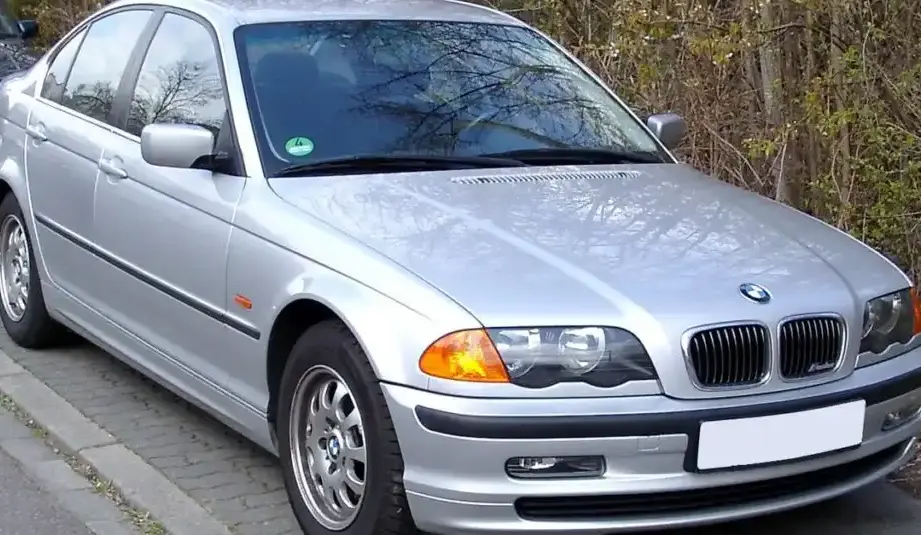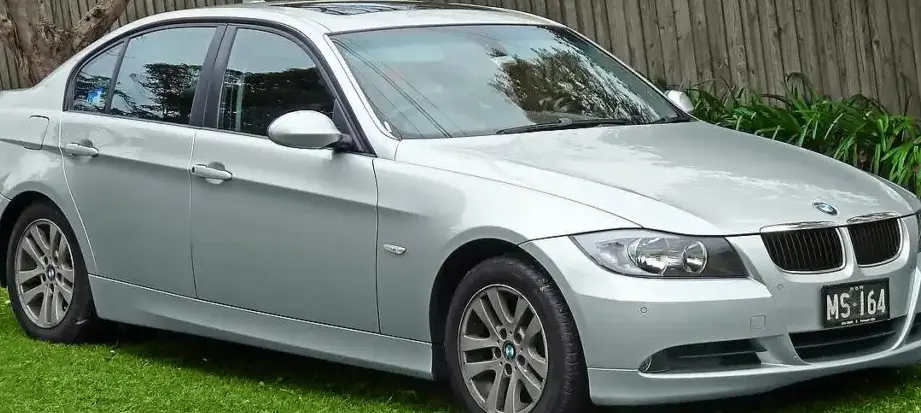
The BMW 3 Series Sedan (E46) facelift 320i, produced from 2001 to 2005, represented a significant evolution of BMW’s popular compact executive car. This variant, powered by the M54B22 2.2-liter inline-six engine producing 170 horsepower, occupied a crucial middle ground in the E46 lineup. Positioned above the base 318i and below the performance-oriented 330i, the 320i aimed to deliver a balance of refinement, efficiency, and driving enjoyment. It was a key model for BMW in both European and North American markets, appealing to buyers seeking a premium sedan experience without the higher price tag of the top-tier trims.
Technical Specifications
| Brand | BMW |
| Model | 3 Series |
| Generation | 3 Series Sedan (E46, facelift 2001) |
| Type (Engine) | 320i (170 Hp) |
| Start of production | 2001 |
| End of production | 2005 |
| Powertrain Architecture | Internal Combustion engine |
| Body type | Sedan |
| Seats | 5 |
| Doors | 4 |
| Fuel consumption (urban) | 12.2 l/100 km (19.3 US mpg) |
| Fuel consumption (extra urban) | 6.9 l/100 km (34.1 US mpg) |
| Fuel consumption (combined) | 8.9 l/100 km (26.4 US mpg) |
| Fuel Type | Petrol (Gasoline) |
| Acceleration 0 – 100 km/h | 8.2 sec |
| Acceleration 0 – 62 mph | 8.2 sec |
| Acceleration 0 – 60 mph | 7.8 sec |
| Maximum speed | 226 km/h (140.43 mph) |
| Weight-to-power ratio | 8.2 kg/Hp |
| Weight-to-torque ratio | 6.6 kg/Nm |
| Power | 170 Hp @ 6100 rpm |
| Torque | 210 Nm @ 3500 rpm (154.89 lb.-ft. @ 3500 rpm) |
| Engine layout | Front, Longitudinal |
| Engine Model/Code | M54B22 |
| Engine displacement | 2171 cm3 (132.48 cu. in.) |
| Number of cylinders | 6 |
| Engine configuration | Inline |
| Cylinder Bore | 80 mm (3.15 in.) |
| Piston Stroke | 72 mm (2.83 in.) |
| Compression ratio | 10.8:1 |
| Number of valves per cylinder | 4 |
| Fuel injection system | Multi-port manifold injection |
| Engine aspiration | Naturally aspirated |
| Valvetrain | DOHC |
| Engine oil capacity | 6.5 l (6.87 US qt | 5.72 UK qt) |
| Coolant capacity | 8.4 l (8.88 US qt | 7.39 UK qt) |
| Kerb Weight | 1390 kg (3064.43 lbs.) |
| Max. weight | 1890 kg (4166.74 lbs.) |
| Max load | 500 kg (1102.31 lbs.) |
| Trunk (boot) space – minimum | 410 l (14.48 cu. ft.) |
| Fuel tank capacity | 63 l (16.64 US gal | 13.86 UK gal) |
| Length | 4470 mm (175.98 in.) |
| Width | 1740 mm (68.5 in.) |
| Height | 1420 mm (55.91 in.) |
| Wheelbase | 2725 mm (107.28 in.) |
| Front track | 1480 mm (58.27 in.) |
| Rear track | 1495 mm (58.86 in.) |
| Drivetrain Architecture | Rear wheel drive |
| Drive wheel | Rear wheel drive |
| Number of gears | 5 |
| Gearbox type | Manual transmission |
| Front suspension | Spring Strut |
| Rear suspension | Coil spring |
| Front brakes | Ventilated discs |
| Rear brakes | Ventilated discs |
| Assisting systems | ABS (Anti-lock braking system) |
| Steering type | Steering rack and pinion |
| Power steering | Hydraulic Steering |
| Tires size | 195/65 R15 |
| Wheel rims size | 6.5J x 15 |
Powertrain & Engine Architecture
The heart of the 320i was the M54B22, a 2.2-liter inline-six engine. This engine was a direct descendant of the M52 series, known for its smooth power delivery and reliability. The M54 featured a double overhead camshaft (DOHC) valvetrain with four valves per cylinder, and utilized a multi-port fuel injection system. The engine’s design prioritized refinement and torque, making it well-suited for everyday driving. The 170 horsepower and 210 Nm (155 lb-ft) of torque were sufficient for brisk acceleration, though not as potent as the 330i’s larger engine. The standard transmission was a smooth-shifting five-speed manual, but a five-speed automatic transmission was also available, and was a popular choice for buyers prioritizing convenience. The automatic transmission, while not as sporty as the manual, offered seamless gear changes and contributed to the car’s overall comfort.
Driving Characteristics
The 320i with the manual transmission provided a balanced driving experience. The engine felt responsive, and the chassis offered a good blend of comfort and handling. The automatic transmission, while diminishing some of the driver engagement, still delivered adequate performance. Acceleration from 0 to 60 mph took around 7.8 seconds, making it competitive with other cars in its class. The gear ratios in the automatic were tuned for fuel efficiency and smooth cruising, rather than outright performance. Compared to the 318i, the 320i offered a noticeable increase in power and torque, resulting in more confident passing maneuvers and a more relaxed driving experience on the highway. However, it lacked the outright punch of the 330i, which boasted a larger 3.0-liter engine.
Equipment & Trim Levels
The 320i typically came standard with features such as air conditioning, power windows and locks, and a basic audio system. Upholstery was usually cloth, though leather was available as an option. Optional extras included a sunroof, heated seats, premium audio systems, and BMW’s navigation system. Trim levels were relatively simple, with most options being added individually. The facelifted E46 (2001-2005) featured updated styling cues, including redesigned headlights and taillights, as well as minor interior refinements. Sport packages were available, adding features like sport suspension, sport seats, and unique alloy wheels.
Chassis & Braking
The E46 320i utilized a MacPherson strut front suspension and a multi-link rear suspension, providing a comfortable ride and precise handling. Brakes were ventilated discs on all four wheels, offering ample stopping power. Anti-lock braking system (ABS) was standard. The suspension tuning was geared towards a balance between comfort and handling, making the car enjoyable to drive on a variety of road surfaces. The 320i’s weight distribution was nearly 50/50, contributing to its balanced handling characteristics.
Market Reception & Comparison
The 320i was generally well-received by automotive critics. It was praised for its refined engine, comfortable ride, and balanced handling. However, some critics noted that the automatic transmission could feel somewhat sluggish, and that the car lacked the outright performance of its larger-engined siblings. Fuel economy was considered good for its class, averaging around 26.4 US mpg in combined driving. Compared to the 318i, the 320i offered a worthwhile upgrade in performance, while remaining more affordable than the 330i. Reliability was generally good, although like all BMWs of this era, the 320i could be prone to certain maintenance issues, such as cooling system leaks and oil leaks.
Legacy
The E46 320i remains a popular choice among used car buyers today. The M54B22 engine is known for its durability, and with proper maintenance, can last for many years. However, potential buyers should be aware of the common maintenance issues associated with this generation of BMW. The 320i’s balanced driving characteristics and relatively affordable price make it an attractive option for those seeking a classic BMW experience. It represents a sweet spot in the E46 lineup, offering a good blend of performance, comfort, and reliability.