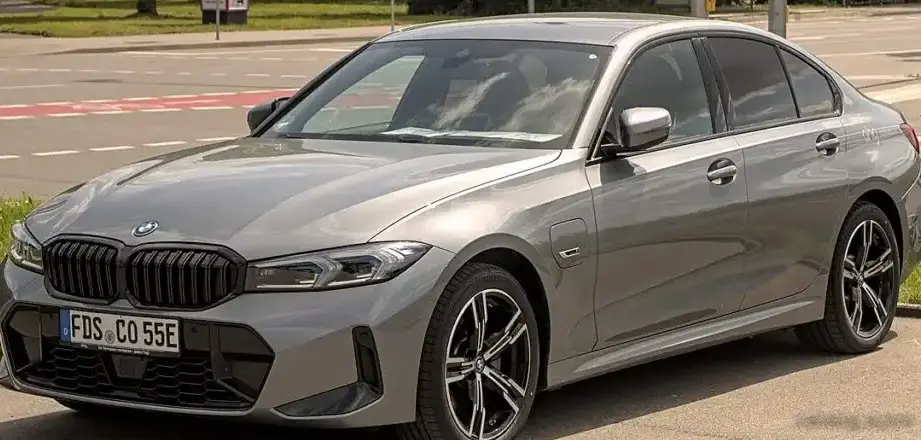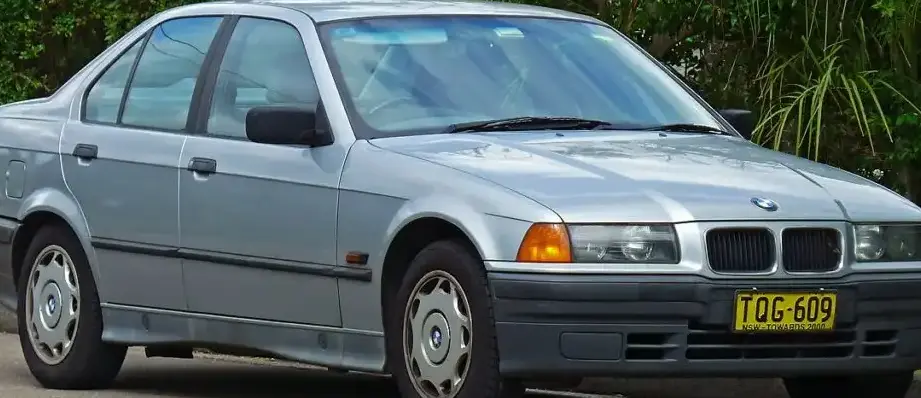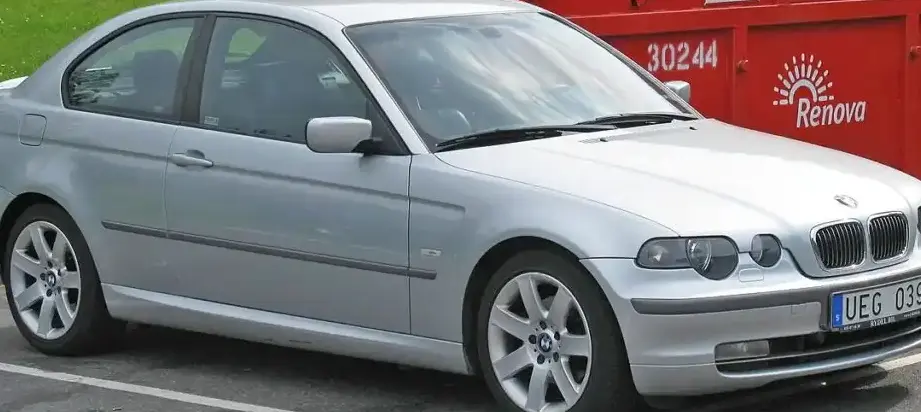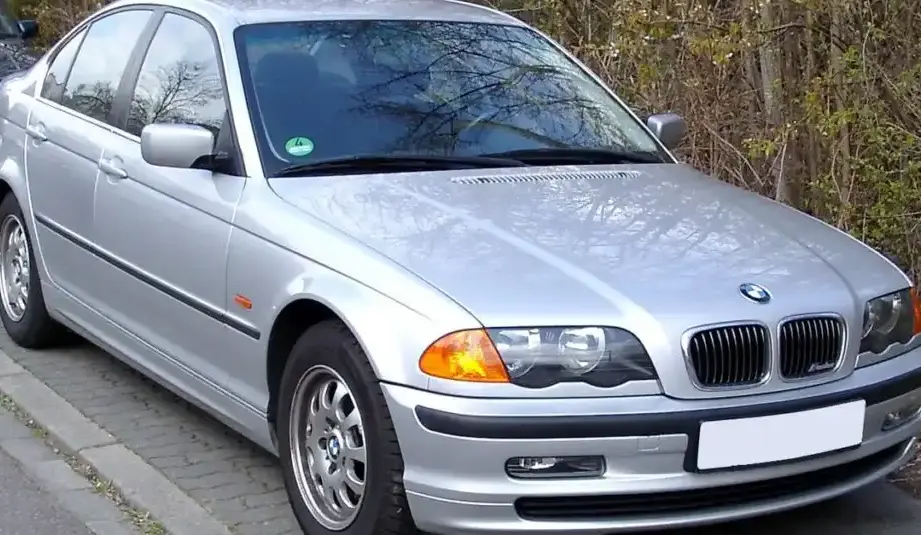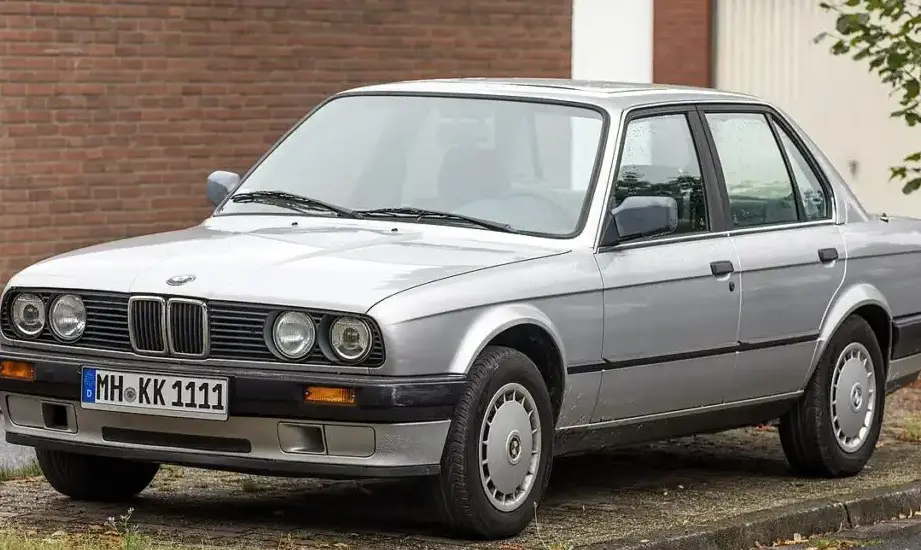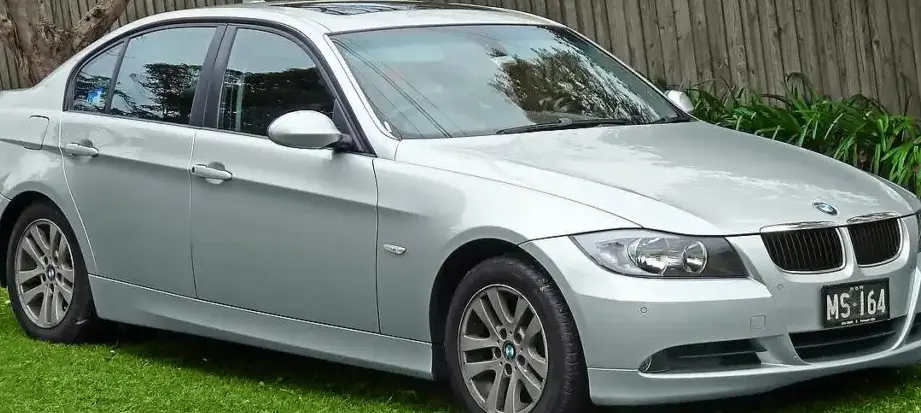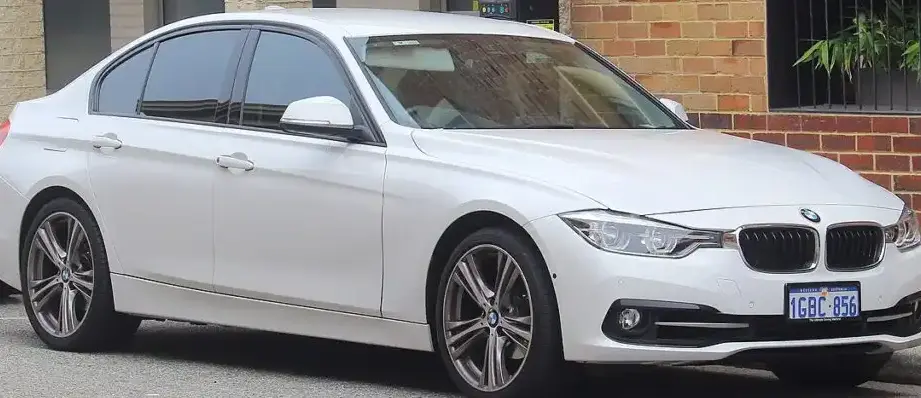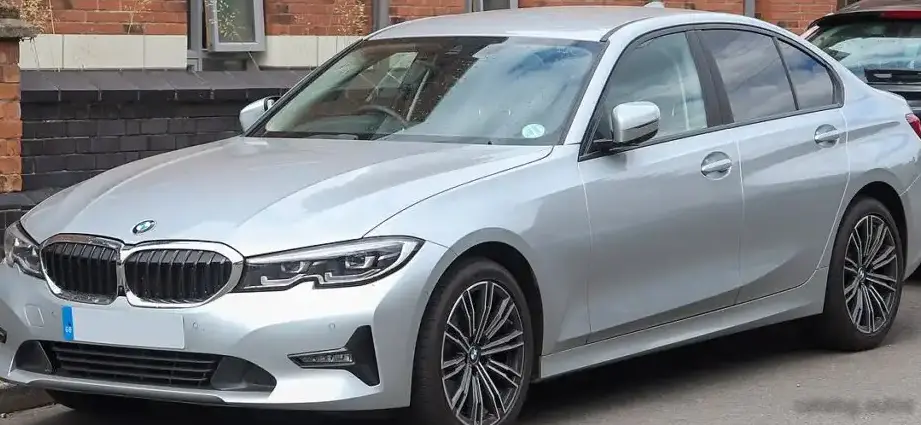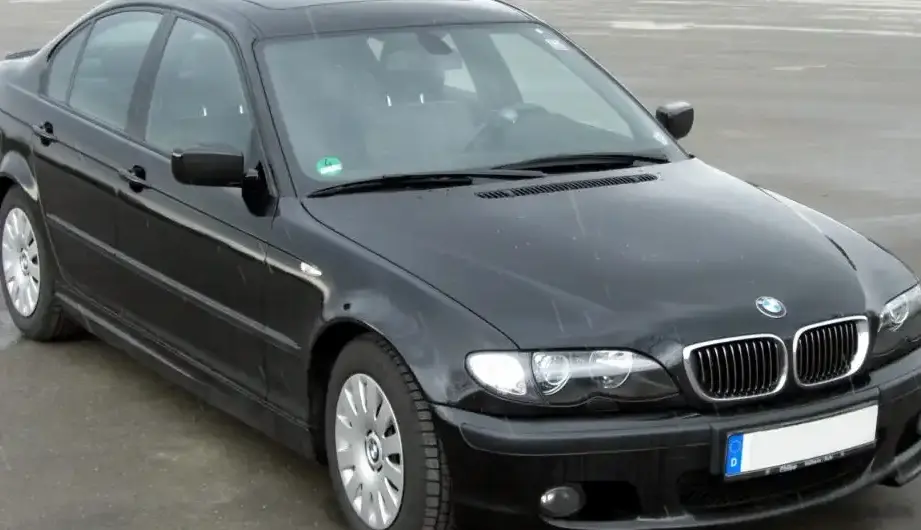
The BMW 330d sedan, produced from 2003 to 2005 as part of the E46 facelift generation (often referred to as the E46LCI), represented a significant offering in the premium compact executive car segment. This variant, powered by the M57D30 diesel engine producing 204 horsepower, was positioned as a high-performance, fuel-efficient alternative to its gasoline-powered siblings. It catered to drivers seeking strong torque for both comfortable cruising and spirited driving, particularly in European markets where diesel engines enjoyed considerable popularity. While not officially sold in the United States during this generation, the E46 330d remains a sought-after import and a testament to BMW’s engineering prowess.
Technical Specifications
| Brand | BMW |
| Model | 3 Series |
| Generation | 3 Series Sedan (E46, facelift 2001) |
| Type (Engine) | 330d (204 Hp) |
| Start of production | 2003 |
| End of production | 2005 |
| Powertrain Architecture | Internal Combustion engine |
| Body type | Sedan |
| Seats | 5 |
| Doors | 4 |
| Fuel consumption (urban) | 9.1 l/100 km (25.8 US mpg, 31 UK mpg, 11 km/l) |
| Fuel consumption (extra urban) | 5.2 l/100 km (45.2 US mpg, 54.3 UK mpg, 19.2 km/l) |
| Fuel consumption (combined) | 6.6 l/100 km (35.6 US mpg, 42.8 UK mpg, 15.2 km/l) |
| Fuel Type | Diesel |
| Acceleration 0 – 100 km/h | 7.2 sec |
| Acceleration 0 – 62 mph | 7.2 sec |
| Acceleration 0 – 60 mph | 6.8 sec |
| Maximum speed | 242 km/h (150.37 mph) |
| Weight-to-power ratio | 8.1 kg/Hp, 123.3 Hp/tonne |
| Weight-to-torque ratio | 4 kg/Nm, 247.7 Nm/tonne |
| Power | 204 Hp @ 4000 rpm |
| Power per litre | 68.2 Hp/l |
| Torque | 410 Nm @ 1500 rpm (302.4 lb.-ft. @ 1500 rpm) |
| Engine layout | Front, Longitudinal |
| Engine Model/Code | M57D30 |
| Engine displacement | 2993 cm3 (182.64 cu. in.) |
| Number of cylinders | 6 |
| Engine configuration | Inline |
| Cylinder Bore | 84 mm (3.31 in.) |
| Piston Stroke | 90 mm (3.54 in.) |
| Compression ratio | 17:1 |
| Number of valves per cylinder | 4 |
| Fuel injection system | Diesel Commonrail |
| Engine aspiration | Turbocharger, Intercooler |
| Engine oil capacity | 7 l (7.4 US qt | 6.16 UK qt) |
| Coolant | 10.2 l (10.78 US qt | 8.97 UK qt) |
| Kerb Weight | 1655 kg (3648.65 lbs.) |
| Max. weight | 2150 kg (4739.94 lbs.) |
| Max load | 495 kg (1091.29 lbs.) |
| Trunk (boot) space – minimum | 440 l (15.54 cu. ft.) |
| Fuel tank capacity | 63 l (16.64 US gal | 13.86 UK gal) |
| Length | 4471 mm (176.02 in.) |
| Width | 1739 mm (68.46 in.) |
| Height | 1434 mm (56.46 in.) |
| Wheelbase | 2725 mm (107.28 in.) |
| Front track | 1471 mm (57.91 in.) |
| Rear (Back) track | 1483 mm (58.39 in.) |
| Drivetrain Architecture | Rear wheel drive |
| Drive wheel | Rear wheel drive |
| Number of gears and type of gearbox | 6 gears, manual transmission |
| Front suspension | Spring Strut |
| Rear suspension | Coil spring |
| Front brakes | Ventilated discs |
| Rear brakes | Disc |
| Assisting systems | ABS (Anti-lock braking system) |
| Steering type | Steering rack and pinion |
| Power steering | Hydraulic Steering |
| Tires size | 225/45 R17 |
| Wheel rims size | 8J x 17 |
Powertrain & Engine Architecture
The heart of the 330d is the M57D30, a 3.0-liter inline-six diesel engine. This engine was a cornerstone of BMW’s diesel strategy in the early 2000s, known for its robust construction and refined operation. The ‘D30’ designation refers to its displacement of approximately 3.0 liters. The M57D30 utilizes a common rail direct injection system, delivering fuel at extremely high pressure for optimized combustion. A variable geometry turbocharger (VGT) with an intercooler further enhances performance by providing increased boost across a wider RPM range. The engine also features four valves per cylinder and a robust cast iron block, contributing to its longevity. The 6-speed manual transmission paired with the M57D30 was a Getrag unit, known for its precise shifts and durability. While an automatic transmission was available, the manual was favored by enthusiasts for its greater driver engagement and efficiency.
Driving Characteristics
The 330d offered a distinctly different driving experience compared to the gasoline-powered 330i. While the 330i prioritized high-revving power, the 330d excelled in delivering abundant torque from low RPMs. This made it exceptionally capable for everyday driving, providing effortless acceleration for overtaking and climbing hills. The 6-speed manual transmission allowed drivers to fully exploit the engine’s torque band, while the automatic option offered convenience, though at the expense of some responsiveness. Compared to the higher-output 335d (introduced later), the 330d felt less aggressively tuned, prioritizing refinement and fuel economy. The substantial torque also meant that the 330d felt surprisingly quick, with 0-60 mph times consistently in the high 6-second range.
Equipment & Trim Levels
The 330d typically came well-equipped, reflecting its position as a premium model. Standard features included automatic climate control, power windows and mirrors, a multi-function steering wheel, and a high-quality audio system. Interior upholstery was typically cloth or leatherette, with full leather available as an option. Optional extras included a sunroof, navigation system, sport seats, and upgraded audio systems. Trim levels varied slightly depending on the market, but generally followed a progression from base models to more luxurious ‘Sport’ or ‘Luxury’ packages. The ‘Sport’ package added features like sport suspension, alloy wheels, and unique interior trim.
Chassis & Braking
The E46 330d utilized a MacPherson strut front suspension and a multi-link rear suspension, providing a good balance between comfort and handling. The chassis was reinforced compared to earlier E46 models to handle the increased torque of the diesel engine. Brakes consisted of ventilated discs at the front and solid discs at the rear. Anti-lock braking system (ABS) was standard. The 330d’s weight, approximately 3649 lbs, was slightly higher than its gasoline counterparts due to the heavier diesel engine and associated components. Stabilizer bars were fitted front and rear to reduce body roll during cornering.
Market Reception & Comparison
The 330d was generally well-received by automotive critics, particularly in Europe. It was praised for its strong performance, excellent fuel economy, and refined driving experience. Compared to the 330i, the 330d offered a more relaxed and efficient driving experience, making it ideal for long-distance journeys. However, some critics noted that the diesel engine lacked the responsiveness and high-revving character of the gasoline engine. In terms of reliability, the M57D30 proved to be a durable engine, although preventative maintenance, particularly regarding the glow plugs and fuel injectors, was crucial.
Legacy
The E46 330d has developed a strong following among enthusiasts, particularly those seeking a practical and reliable performance sedan. The M57D30 engine is renowned for its longevity and potential for tuning. Today, well-maintained examples command a premium in the used car market. While the diesel emissions regulations have become stricter in recent years, the E46 330d remains a compelling option for those seeking a classic BMW with a unique blend of performance, efficiency, and durability. Its robust construction and readily available parts ensure that it will continue to be enjoyed by enthusiasts for years to come.