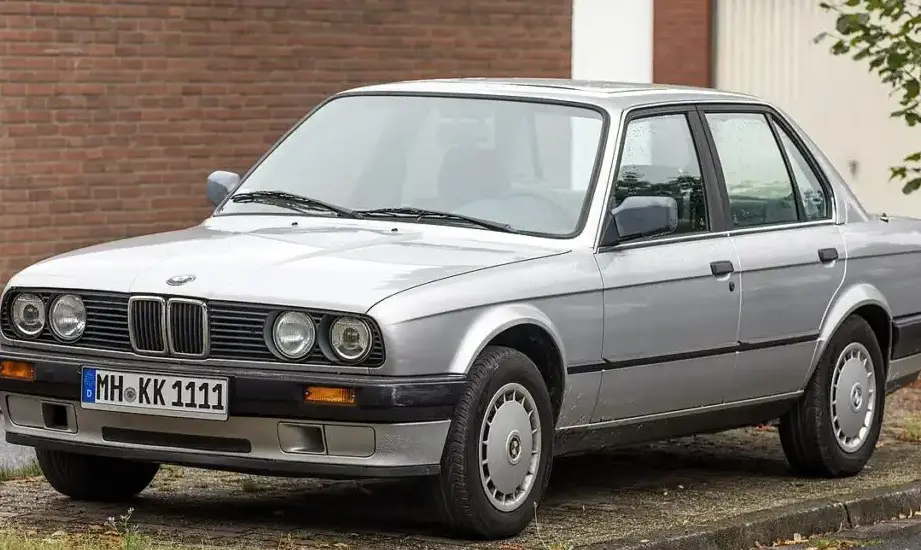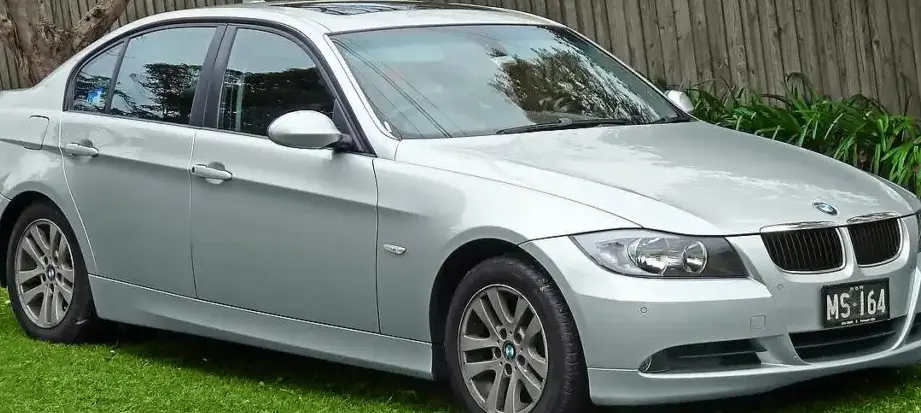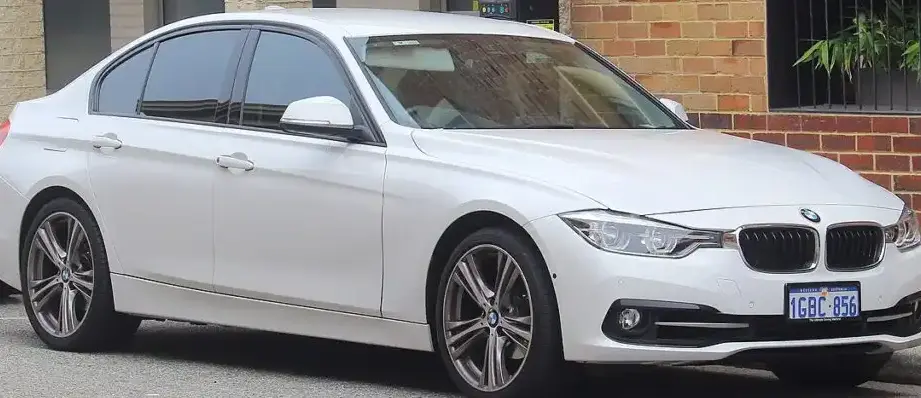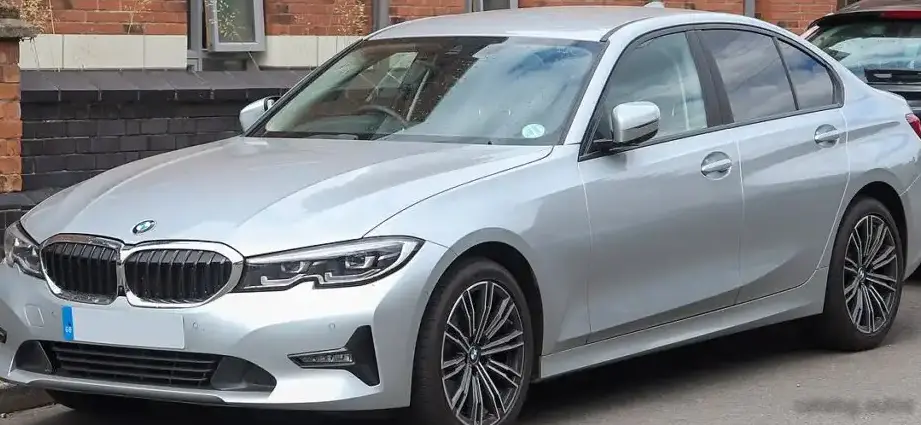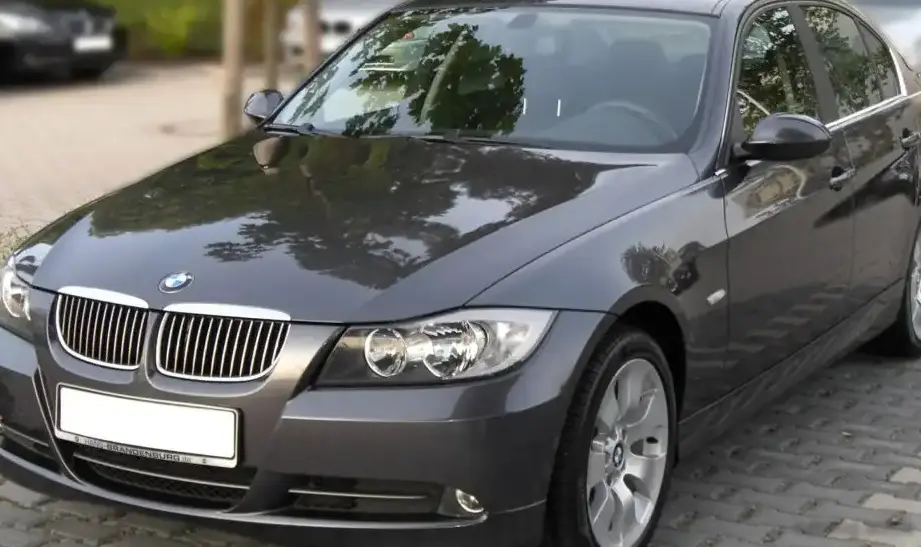
The BMW 3 Series Sedan (E90) 325i Steptronic, produced from 2005 to 2007, represented a key offering in BMW’s popular 3 Series lineup. Positioned as a mid-range variant, it bridged the gap between the entry-level 320i and the performance-oriented 330i and 335i models. This generation (E90) marked a significant departure from its predecessor, introducing a more sophisticated chassis, updated styling, and a range of new technologies. The 325i Steptronic, specifically, catered to drivers seeking a balance of performance and convenience with its 2.5-liter inline-six engine paired with a six-speed automatic transmission.
Technical Specifications
| Brand | BMW |
| Model | 3 Series |
| Generation | 3 Series Sedan (E90) |
| Type (Engine) | 325i (218 Hp) Steptronic |
| Start of production | 2005 |
| End of production | 2007 |
| Powertrain Architecture | Internal Combustion engine |
| Body type | Sedan |
| Seats | 5 |
| Doors | 4 |
| Fuel consumption (urban) | 12.9 l/100 km (18.2 US mpg, 21.9 UK mpg, 7.8 km/l) |
| Fuel consumption (extra urban) | 6.7 l/100 km (35.1 US mpg, 42.2 UK mpg, 14.9 km/l) |
| Fuel consumption (combined) | 9 l/100 km (26.1 US mpg, 31.4 UK mpg, 11.1 km/l) |
| Fuel Type | Petrol (Gasoline) |
| Acceleration 0 – 100 km/h | 7.7 sec |
| Acceleration 0 – 62 mph | 7.7 sec |
| Acceleration 0 – 60 mph | 7.3 sec |
| Maximum speed | 242 km/h (150.37 mph) |
| Weight-to-power ratio | 6.8 kg/Hp, 146.3 Hp/tonne |
| Weight-to-torque ratio | 6 kg/Nm, 167.8 Nm/tonne |
| Power | 218 Hp @ 6500 rpm |
| Power per litre | 87.3 Hp/l |
| Torque | 250 Nm @ 2750 rpm (184.39 lb.-ft. @ 2750 rpm) |
| Engine layout | Front, Longitudinal |
| Engine Model/Code | N52B25A |
| Engine displacement | 2497 cm3 (152.38 cu. in.) |
| Number of cylinders | 6 |
| Engine configuration | Inline |
| Cylinder Bore | 82 mm (3.23 in.) |
| Piston Stroke | 78.8 mm (3.1 in.) |
| Compression ratio | 11:1 |
| Number of valves per cylinder | 4 |
| Fuel injection system | Multi-port manifold injection |
| Engine aspiration | Naturally aspirated engine |
| Engine oil capacity | 6.5 l (6.87 US qt | 5.72 UK qt) |
| Coolant | 8.4 l (8.88 US qt | 7.39 UK qt) |
| Kerb Weight | 1490 kg (3284.89 lbs.) |
| Max. weight | 1935 kg (4265.94 lbs.) |
| Max load | 445 kg (981.06 lbs.) |
| Trunk (boot) space – minimum | 460 l (16.24 cu. ft.) |
| Fuel tank capacity | 60 l (15.85 US gal | 13.2 UK gal) |
| Length | 4520 mm (177.95 in.) |
| Width | 1817 mm (71.54 in.) |
| Height | 1421 mm (55.94 in.) |
| Wheelbase | 2760 mm (108.66 in.) |
| Front track | 1500 mm (59.06 in.) |
| Rear (Back) track | 1513 mm (59.57 in.) |
| Drivetrain Architecture | Rear wheel drive |
| Number of gears and type of gearbox | 6 gears, automatic transmission |
| Front suspension | Spring Strut |
| Rear suspension | Coil spring |
| Front brakes | Ventilated discs |
| Rear brakes | Disc |
| Assisting systems | ABS (Anti-lock braking system) |
| Steering type | Steering rack and pinion |
| Tires size | 205/55 R16 W |
| Wheel rims size | 7J X 16 |
Powertrain & Engine Architecture
The heart of the 325i Steptronic is the N52B25A, a 2.5-liter inline-six engine. This engine is a naturally aspirated powerplant known for its smooth operation and responsive power delivery. It features double VANOS (variable valve timing) on both the intake and exhaust camshafts, optimizing performance and efficiency across the rev range. The N52 utilizes a multi-port fuel injection system, delivering fuel directly into the intake ports. The engine produces 218 horsepower at 6500 rpm and 250 Nm (184 lb-ft) of torque at 2750 rpm. Paired with this engine is a ZF 6HP19Z six-speed automatic transmission, marketed by BMW as “Steptronic.” This transmission offers both fully automatic operation and a manual shift mode, allowing drivers to have more control over gear selection. The transmission’s programming is tuned for a balance of comfort and responsiveness, providing smooth shifts during normal driving and quicker downshifts when needed.
Driving Characteristics
The 325i Steptronic offered a comfortable and refined driving experience. While not as overtly sporty as the manual transmission or higher-output variants, the automatic transmission provided seamless gear changes, making it well-suited for daily commuting and long-distance cruising. The 0-60 mph acceleration time of around 7.3 seconds was respectable for its time, and the engine provided ample power for overtaking maneuvers. Compared to the six-speed manual version, the Steptronic traded a small amount of performance for increased convenience. The automatic transmission’s torque converter slightly dampened the engine’s responsiveness, but the overall driving experience remained engaging. The gear ratios were optimized for a balance of acceleration and fuel economy, with a relatively tall final drive ratio contributing to improved highway efficiency.
Equipment & Trim Levels
The 325i Steptronic came standard with a comprehensive list of features, including power windows, power locks, a multi-function steering wheel, automatic climate control, and a premium sound system. Upholstery typically consisted of cloth or leatherette, with leather being an optional upgrade. Common optional extras included a sunroof, navigation system, sport seats, and a cold weather package. The interior design was typical of BMW at the time, with a driver-focused layout and high-quality materials. The dashboard featured a clear and concise instrument cluster, and the center console housed the radio, climate controls, and transmission selector.
Chassis & Braking
The E90 3 Series featured a sophisticated chassis design, with a MacPherson strut front suspension and a multi-link rear suspension. This setup provided a good balance of ride comfort and handling precision. The 325i Steptronic typically came equipped with ventilated disc brakes at the front and solid disc brakes at the rear. Anti-lock braking system (ABS) was standard, enhancing braking performance and stability. The steering system utilized a rack-and-pinion design, providing precise and responsive steering feel. Stabilizer bars were fitted to both the front and rear axles to reduce body roll during cornering.
Market Reception & Comparison
The 325i Steptronic was generally well-received by automotive critics. It was praised for its smooth engine, comfortable ride, and well-appointed interior. However, some reviewers noted that the automatic transmission lacked the engagement of the manual gearbox. Compared to the 320i, the 325i offered a significant performance upgrade, while remaining more affordable than the 330i. Fuel economy was respectable for a six-cylinder engine, averaging around 26 mpg in combined driving. Reliability was generally good, although some owners reported issues with the cooling system and oil leaks.
Legacy
The BMW E90 325i Steptronic remains a popular choice in the used car market. The N52 engine is known for its durability and relatively low maintenance costs, although regular oil changes and preventative maintenance are essential. The six-speed automatic transmission is also generally reliable, but it’s important to check for smooth shifting and proper operation. Today, these cars offer a compelling combination of German engineering, comfortable driving dynamics, and relative affordability, making them a desirable option for enthusiasts and everyday drivers alike. The E90 generation, and the 325i Steptronic in particular, solidified BMW’s reputation for building well-rounded and engaging sports sedans.