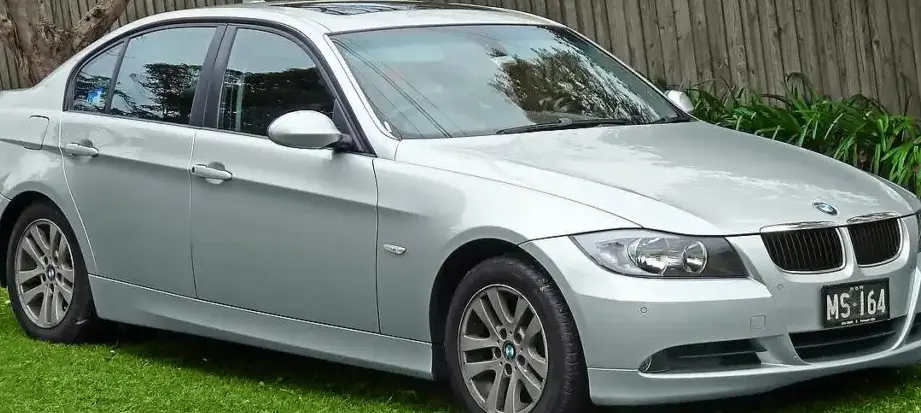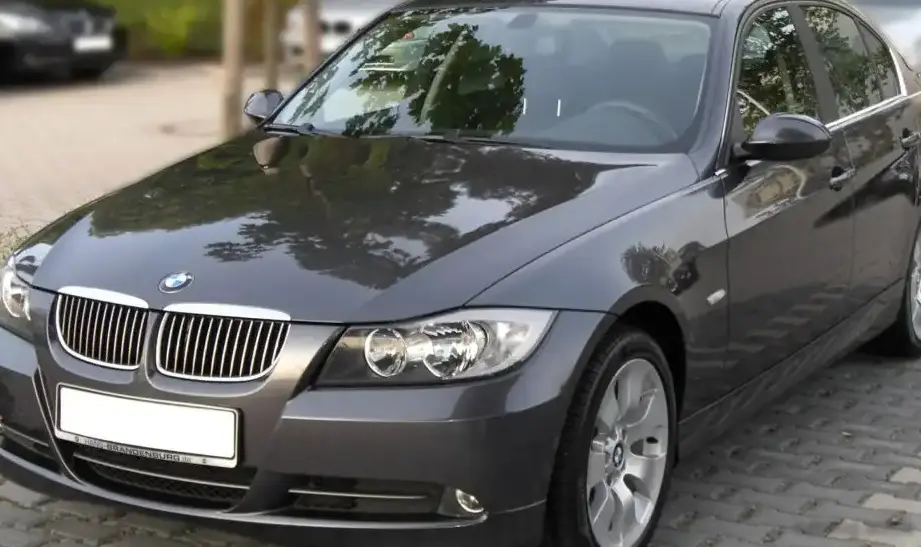
The BMW 3 Series Sedan (E90) 330i, produced from 2007 to 2008, represented a significant evolution in BMW’s long-standing tradition of sporty, executive sedans. Positioned as a mid-range offering within the E90 generation (2005-2013), the 330i bridged the gap between the entry-level 325i and the high-performance 335i. It was designed to appeal to drivers seeking a balance of performance, refinement, and everyday usability. The E90 3 Series as a whole was a crucial model for BMW, continuing the lineage of a car that defined the compact executive segment for decades. This particular variant was primarily sold in North America, Europe, and Asia, catering to a broad demographic of driving enthusiasts and professionals.
Technical Specifications
| Brand | BMW |
| Model | 3 Series |
| Generation | 3 Series Sedan (E90) |
| Type (Engine) | 330i (272 Hp) |
| Start of production | 2007 |
| End of production | 2008 |
| Powertrain Architecture | Internal Combustion engine |
| Body type | Sedan |
| Seats | 5 |
| Doors | 4 |
| Fuel consumption (economy) – urban | 12.7 l/100 km (18.5 US mpg, 22.2 UK mpg, 7.9 km/l) |
| Fuel consumption (economy) – extra urban | 6.4 l/100 km (36.8 US mpg, 44.1 UK mpg, 15.6 km/l) |
| Fuel consumption (economy) – combined | 8.7 l/100 km (27 US mpg, 32.5 UK mpg, 11.5 km/l) |
| Fuel Type | Petrol (Gasoline) |
| Acceleration 0 – 100 km/h | 6.1 sec |
| Acceleration 0 – 62 mph | 6.1 sec |
| Acceleration 0 – 60 mph | 5.8 sec |
| Maximum speed | 250 km/h (155.34 mph) |
| Weight-to-power ratio | 5.6 kg/Hp, 178.4 Hp/tonne |
| Weight-to-torque ratio | 4.8 kg/Nm, 206.6 Nm/tonne |
| Power | 272 Hp @ 6650 rpm |
| Power per litre | 90.8 Hp/l |
| Torque | 315 Nm @ 2750 rpm (232.33 lb.-ft. @ 2750 rpm) |
| Engine layout | Front, Longitudinal |
| Engine Model/Code | N53B30A |
| Engine displacement | 2996 cm3 (182.83 cu. in.) |
| Number of cylinders | 6 |
| Engine configuration | Inline |
| Cylinder Bore | 85 mm (3.35 in.) |
| Piston Stroke | 88 mm (3.46 in.) |
| Compression ratio | 10.7:1 |
| Number of valves per cylinder | 4 |
| Fuel injection system | Direct injection |
| Engine aspiration | Naturally aspirated engine |
| Engine oil capacity | 6.5 l (6.87 US qt | 5.72 UK qt) |
| Coolant | 8.2 l (8.66 US qt | 7.21 UK qt) |
| Kerb Weight | 1525 kg (3362.05 lbs.) |
| Max. weight | 1970 kg (4343.11 lbs.) |
| Max load | 445 kg (981.06 lbs.) |
| Trunk (boot) space – minimum | 460 l (16.24 cu. ft.) |
| Fuel tank capacity | 63 l (16.64 US gal | 13.86 UK gal) |
| Length | 4520 mm (177.95 in.) |
| Width | 1817 mm (71.54 in.) |
| Height | 1421 mm (55.94 in.) |
| Wheelbase | 2760 mm (108.66 in.) |
| Front track | 1500 mm (59.06 in.) |
| Rear (Back) track | 1513 mm (59.57 in.) |
| Drivetrain Architecture | Rear wheel drive |
| Drive wheel | Rear wheel drive |
| Number of gears and type of gearbox | 6 gears, manual transmission |
| Front suspension | Spring Strut |
| Rear suspension | Coil spring |
| Front brakes | Ventilated discs |
| Rear brakes | Disc |
| Assisting systems | ABS (Anti-lock braking system) |
| Steering type | Steering rack and pinion |
| Tires size | 225/45 R17 W |
| Wheel rims size | 8J x 17 |
Powertrain & Engine Architecture
The heart of the 330i was the N53B30A, a 3.0-liter inline-six cylinder engine. This engine was a significant departure from its predecessor, the M54, incorporating direct fuel injection, a fully variable valve timing system (Double-VANOS), and a magnesium alloy engine block to reduce weight. The direct injection system, operating at pressures up to 200 bar, allowed for more precise fuel delivery, improving both power and efficiency. The N53 engine produced 272 horsepower at 6650 rpm and 232 lb-ft of torque at 2750 rpm. The 330i was typically equipped with a six-speed manual transmission, but a six-speed automatic transmission was also available. The automatic transmission featured Sport and Manual shift modes, allowing drivers to have more control over gear selection.
Driving Characteristics
The 330i with the manual transmission offered a responsive and engaging driving experience. The inline-six engine delivered smooth, linear power throughout the rev range, making it well-suited for both spirited driving and comfortable cruising. The six-speed manual gearbox was precise and offered short throws. The automatic transmission, while providing convenience, did slightly diminish the sporty feel. Acceleration from 0 to 60 mph took approximately 5.8 seconds, making it competitive with other vehicles in its class. The suspension provided a good balance between comfort and handling, allowing for confident cornering. Compared to the 325i, the 330i offered noticeably more power and acceleration. The 335i, with its turbocharged engine, provided even greater performance, but at a higher price point.
Equipment & Trim Levels
The 330i came standard with a comprehensive list of features, including leatherette upholstery, automatic climate control, a CD stereo system, and power windows and locks. Optional extras included leather upholstery, a premium sound system, navigation system, sunroof, and sport seats. Trim levels varied slightly depending on the market, but generally included a base model and a Sport package. The Sport package added features such as sport suspension, sport seats, and unique exterior styling cues. Interior color options were plentiful, allowing buyers to personalize their vehicle.
Chassis & Braking
The E90 330i utilized a MacPherson strut front suspension and a multi-link rear suspension. This setup provided a good balance of ride comfort and handling precision. The braking system consisted of ventilated disc brakes at all four corners, providing ample stopping power. Anti-lock brakes (ABS) were standard, as was dynamic stability control (DSC). The 330i’s chassis was designed to be rigid, contributing to its precise handling characteristics. The standard tire size was 225/45 R17, providing good grip in a variety of conditions.
Market Reception & Comparison
The 330i was generally well-received by automotive critics. It was praised for its smooth engine, responsive handling, and comfortable interior. Some critics noted that the automatic transmission could feel slightly sluggish compared to the manual. Compared to the 325i, the 330i offered a significant performance upgrade for a relatively modest price increase. The 335i, while offering more power, was considerably more expensive. Fuel economy was respectable for a performance sedan, averaging around 27 mpg in combined driving. Reliability was generally good, although some owners reported issues with the cooling system and oil leaks.
Legacy
The E90 330i remains a popular choice among used car buyers. The N53 engine, while generally reliable, requires regular maintenance, including oil changes and valve adjustments. The direct injection system can be prone to carbon buildup over time, requiring periodic cleaning. Despite these potential issues, the 330i offers a compelling combination of performance, refinement, and value. It continues to be regarded as a benchmark in the compact executive sedan segment, and a testament to BMW’s engineering prowess. Well-maintained examples command a premium in the used car market, appealing to enthusiasts who appreciate its balanced driving dynamics and timeless design.