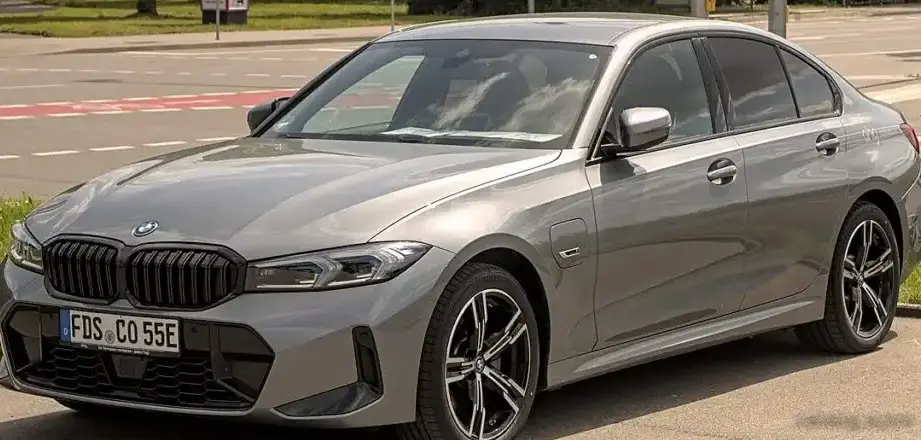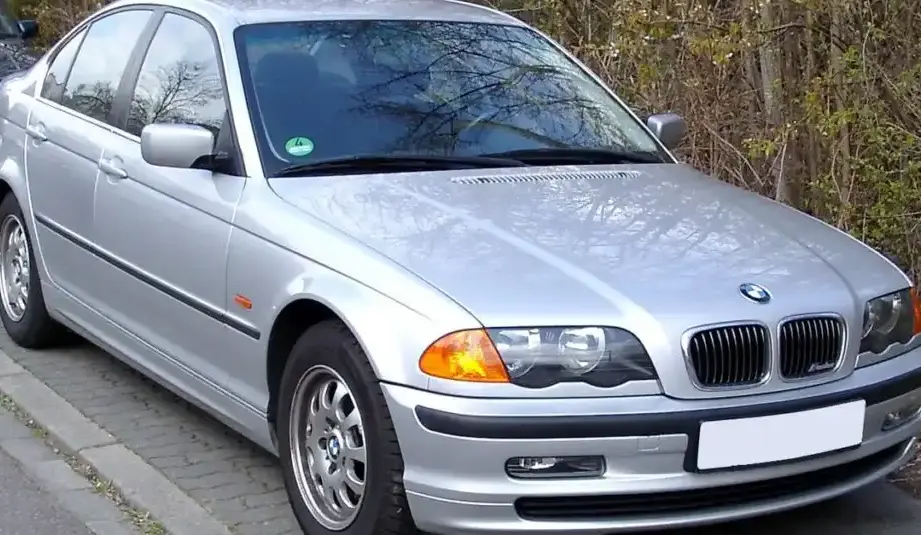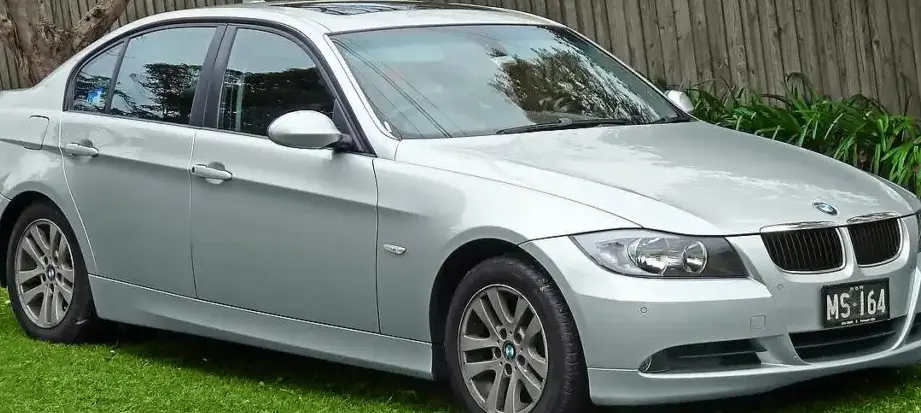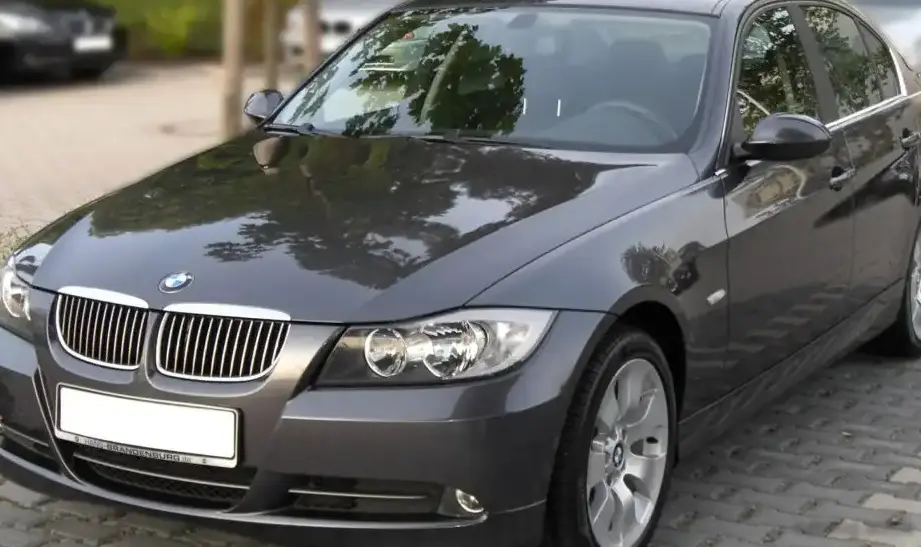
The BMW 3 Series Sedan (E90) 335i, produced from 2007 to 2008, represented a significant step forward for the iconic 3 Series line. Positioned as a performance-oriented variant within the E90 generation, it bridged the gap between the more accessible 328i and the high-performance M3. The 335i introduced BMW’s groundbreaking N54 inline-six engine with twin-turbocharging, offering a substantial power increase and a new level of driving excitement. This model played a crucial role in establishing BMW’s reputation for blending luxury, performance, and advanced technology in a compact sports sedan.
Technical Specifications
| Brand | BMW |
| Model | 3 Series |
| Generation | 3 Series Sedan (E90) |
| Type (Engine) | 335i (306 Hp) |
| Start of production | 2007 |
| End of production | 2008 |
| Powertrain Architecture | Internal Combustion engine |
| Body type | Sedan |
| Seats | 5 |
| Doors | 4 |
| Fuel consumption (economy) – urban | 14.3 l/100 km (16.4 US mpg, 19.8 UK mpg, 7 km/l) |
| Fuel consumption (economy) – extra urban | 6.7 l/100 km (35.1 US mpg, 42.2 UK mpg, 14.9 km/l) |
| Fuel consumption (economy) – combined | 9.5 l/100 km (24.8 US mpg, 29.7 UK mpg, 10.5 km/l) |
| Fuel Type | Petrol (Gasoline) |
| Acceleration 0 – 100 km/h | 5.5 sec |
| Acceleration 0 – 62 mph | 5.5 sec |
| Acceleration 0 – 60 mph | 5.2 sec |
| Maximum speed | 250 km/h (155.34 mph) |
| Emission standard | Euro 4 |
| Weight-to-power ratio | 5.2 kg/Hp, 191.3 Hp/tonne |
| Weight-to-torque ratio | 4 kg/Nm, 250 Nm/tonne |
| Power | 306 Hp @ 5800 rpm |
| Power per litre | 102.1 Hp/l |
| Torque | 400 Nm @ 1300 rpm (295.02 lb.-ft. @ 1300 rpm) |
| Engine layout | Front, Longitudinal |
| Engine Model/Code | N54B30 |
| Engine displacement | 2996 cm3 (182.83 cu. in.) |
| Number of cylinders | 6 |
| Engine configuration | Inline |
| Cylinder Bore | 85 mm (3.35 in.) |
| Piston Stroke | 88 mm (3.46 in.) |
| Compression ratio | 10.7:1 |
| Number of valves per cylinder | 4 |
| Fuel injection system | Direct injection |
| Engine aspiration | Twin-power turbo, Intercooler |
| Engine oil capacity | 6.5 l (6.87 US qt | 5.72 UK qt) |
| Coolant | 8.2 l (8.66 US qt | 7.21 UK qt) |
| Kerb Weight | 1600 kg (3527.4 lbs.) |
| Max. weight | 2100 kg (4629.71 lbs.) |
| Max load | 500 kg (1102.31 lbs.) |
| Trunk (boot) space – minimum | 460 l (16.24 cu. ft.) |
| Fuel tank capacity | 63 l (16.64 US gal | 13.86 UK gal) |
| Length | 4520 mm (177.95 in.) |
| Width | 1817 mm (71.54 in.) |
| Height | 1421 mm (55.94 in.) |
| Wheelbase | 2760 mm (108.66 in.) |
| Front track | 1500 mm (59.06 in.) |
| Rear (Back) track | 1513 mm (59.57 in.) |
| Drag coefficient (Cd) | 0.30 |
| Drivetrain Architecture | The Internal combustion engine (ICE) drives the rear wheels of the vehicle. |
| Drive wheel | Rear wheel drive |
| Number of gears and type of gearbox | 6 gears, manual transmission |
| Front suspension | Spring Strut |
| Rear suspension | Coil spring |
| Front brakes | Ventilated discs |
| Rear brakes | Disc |
| Assisting systems | ABS (Anti-lock braking system) |
| Steering type | Steering rack and pinion |
| Tires size | 225/45 R17 W |
| Wheel rims size | 8J x 17 |
Powertrain & Engine Architecture
The heart of the 335i is the N54B30, a 3.0-liter inline-six engine. This engine is notable for its twin-turbocharger setup, a first for a production BMW. Each turbocharger serves three cylinders, minimizing turbo lag and providing a broad, flat torque curve. The N54 utilizes direct fuel injection, delivering fuel directly into the combustion chamber for improved efficiency and power. The engine also features Double-VANOS, BMW’s variable valve timing system, optimizing valve timing for both intake and exhaust to enhance performance and reduce emissions. The standard transmission for the 335i was a six-speed manual, but a six-speed automatic transmission was also available. The automatic featured Sport and Drive modes, allowing drivers to tailor the shift points to their driving style.
Driving Characteristics
The 335i offered a distinctly different driving experience compared to the naturally aspirated 328i. The twin-turbocharged engine delivered significantly more torque, especially at lower RPMs, resulting in strong acceleration and effortless passing power. The 0-60 mph time of around 5.2 seconds was a substantial improvement over the 328i. While the manual transmission provided a more engaging driving experience, the automatic offered smooth and quick shifts, particularly in Sport mode. The rear-wheel-drive configuration contributed to a balanced and sporty feel, although traction could be a concern in wet or slippery conditions. Compared to the later 335is (with a single turbocharger), the N54-powered 335i was often praised for its more linear power delivery and broader torque band.
Equipment & Trim Levels
The 335i came standard with a generous array of features, including leatherette upholstery, power-adjustable front seats, automatic climate control, and a premium sound system. Optional extras included sport seats, navigation system, premium sound upgrade (Harman Kardon), and various cosmetic enhancements. The interior design was typical BMW, with a driver-focused layout and high-quality materials. Trim levels were relatively straightforward, with most options available as standalone additions rather than distinct packages. The 335i generally featured more aggressive styling cues than the 328i, including unique wheels and exterior trim.
Chassis & Braking
The E90 335i utilized a MacPherson strut front suspension and a multi-link rear suspension, providing a comfortable yet sporty ride. The suspension was tuned to complement the increased power of the engine, offering improved handling and stability. Standard brakes consisted of ventilated discs at all four corners, providing ample stopping power. ABS (Anti-lock Braking System) was standard, enhancing safety and control during hard braking. The 335i typically featured slightly stiffer suspension components and larger stabilizer bars compared to the 328i, further improving its handling characteristics.
Market Reception & Comparison
The 335i was widely praised by automotive critics for its performance, handling, and technology. The N54 engine was lauded as a masterpiece of engineering, and the twin-turbocharger setup was considered a game-changer. However, some critics noted the engine’s complexity and potential for long-term maintenance issues. Compared to the 328i, the 335i offered a significant performance upgrade but came at a higher price point. Fuel economy was reasonable for a performance sedan, averaging around 24.8 US mpg in combined driving. The 335i also faced competition from other performance sedans, such as the Audi S4 and the Lexus IS 350.
Legacy
The E90 335i has become a sought-after vehicle among BMW enthusiasts. The N54 engine, despite its complexity, remains a popular platform for modification and tuning. While early models experienced some reliability issues, particularly with the fuel injectors and turbochargers, many of these problems have been addressed through aftermarket upgrades and preventative maintenance. Today, well-maintained 335i models offer a compelling combination of performance, luxury, and driving enjoyment, making them a popular choice in the used car market. The introduction of the N54 engine and its twin-turbo technology paved the way for future BMW performance models and cemented the 335i’s place in automotive history.