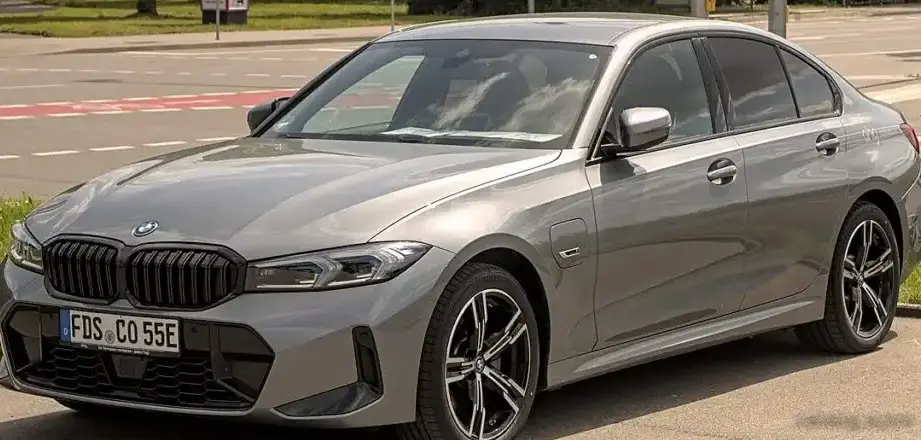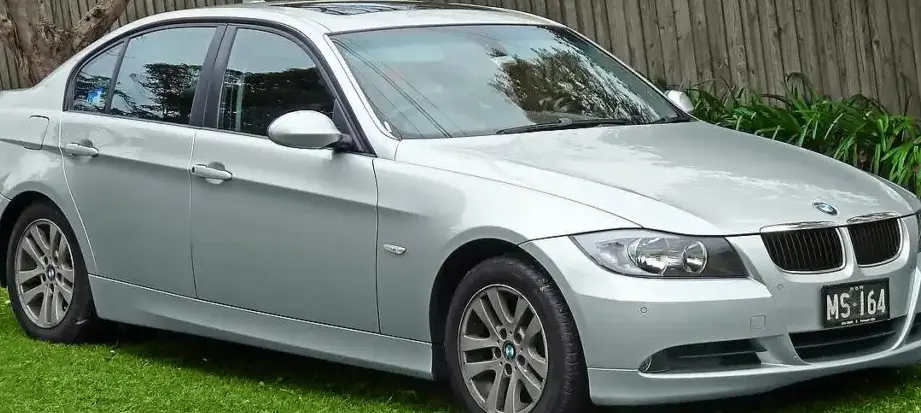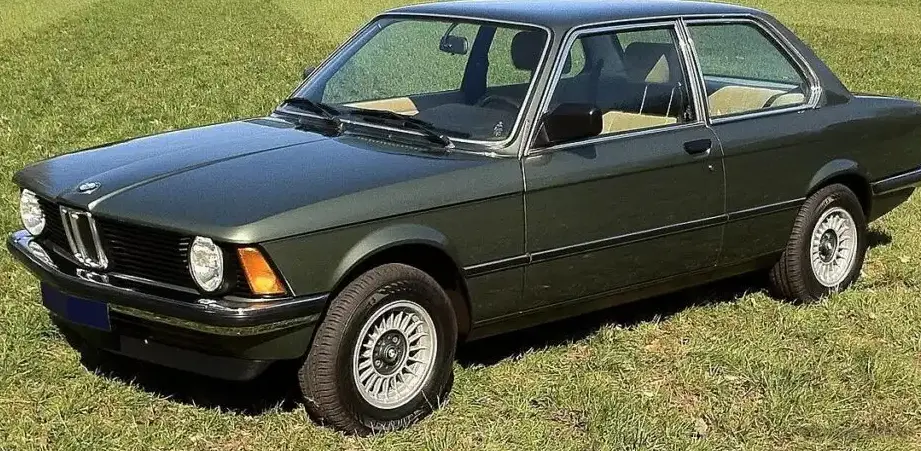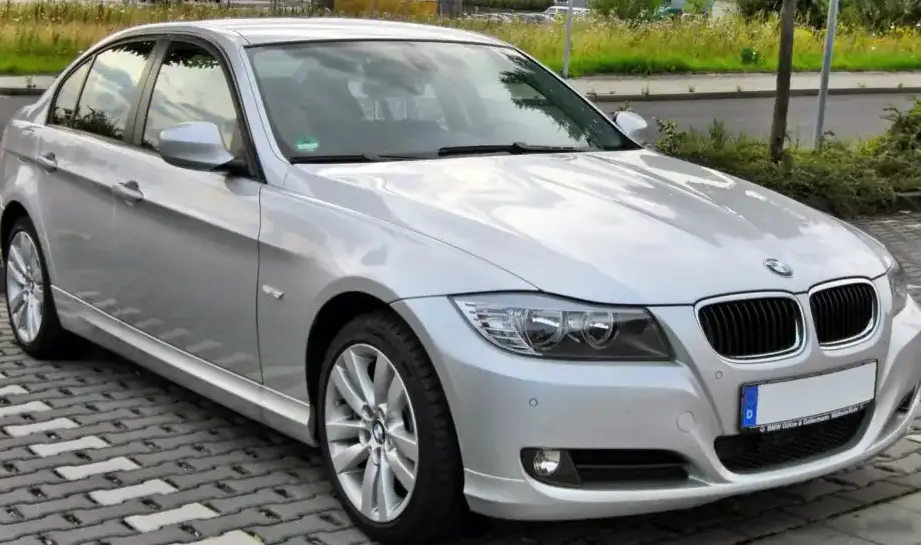
The BMW 3 Series Sedan (E90 LCI), specifically the 318i variant producing 143 horsepower, represents a key iteration of BMW’s iconic sports sedan. Introduced with the Life Cycle Impulse (LCI) facelift in 2008 and continuing through 2009, this model aimed to balance affordability with the core BMW driving experience. Positioned as the entry point to the E90 3 Series range, the 318i offered a more accessible price point compared to its higher-powered siblings like the 325i and 335i, while still delivering the brand’s renowned handling characteristics. It served primarily as a volume seller in markets where fuel efficiency and lower running costs were prioritized, including Europe and North America.
Technical Specifications
| Brand | BMW |
| Model | 3 Series |
| Generation | 3 Series Sedan (E90 LCI, facelift 2008) |
| Type (Engine) | 318i (143 Hp) |
| Start of production | 2008 |
| End of production | 2009 |
| Powertrain Architecture | Internal Combustion engine |
| Body type | Sedan |
| Seats | 5 |
| Doors | 4 |
| Fuel consumption (economy) – urban (NEDC) | 7.9 l/100 km (29.8 US mpg, 35.8 UK mpg, 12.7 km/l) |
| Fuel consumption (economy) – extra urban (NEDC) | 4.8 l/100 km (49 US mpg, 58.9 UK mpg, 20.8 km/l) |
| Fuel consumption (economy) – combined (NEDC) | 5.9 l/100 km (39.9 US mpg, 47.9 UK mpg, 16.9 km/l) |
| CO2 emissions (NEDC) | 142 g/km |
| Fuel Type | Petrol (Gasoline) |
| Acceleration 0 – 100 km/h | 9.1 sec |
| Acceleration 0 – 62 mph | 9.1 sec |
| Acceleration 0 – 60 mph | 8.6 sec |
| Maximum speed | 210 km/h (130.49 mph) |
| Emission standard | Euro 4 |
| Weight-to-power ratio | 9.5 kg/Hp, 105.1 Hp/tonne |
| Weight-to-torque ratio | 7.2 kg/Nm, 139.7 Nm/tonne |
| Power | 143 Hp @ 6000 rpm |
| Power per litre | 71.7 Hp/l |
| Torque | 190 Nm @ 4250 rpm (140.14 lb.-ft. @ 4250 rpm) |
| Engine layout | Front, Longitudinal |
| Engine Model/Code | N43B20A |
| Engine displacement | 1995 cm3 (121.74 cu. in.) |
| Number of cylinders | 4 |
| Engine configuration | Inline |
| Cylinder Bore | 84 mm (3.31 in.) |
| Piston Stroke | 90 mm (3.54 in.) |
| Compression ratio | 12:1 |
| Number of valves per cylinder | 4 |
| Fuel injection system | Direct injection |
| Engine aspiration | Naturally aspirated engine |
| Valvetrain | DOHC, Double-VANOS |
| Engine oil capacity | 4.25 l (4.49 US qt | 3.74 UK qt) |
| Coolant | 8.4 l (8.88 US qt | 7.39 UK qt) |
| Kerb Weight | 1360 kg (2998.29 lbs.) |
| Max. weight | 1880 kg (4144.69 lbs.) |
| Max load | 520 kg (1146.4 lbs.) |
| Trunk (boot) space – minimum | 460 l (16.24 cu. ft.) |
| Fuel tank capacity | 63 l (16.64 US gal | 13.86 UK gal) |
| Max. roof load | 75 kg (165.35 lbs.) |
| Permitted trailer load with brakes (8%) | 1600 kg (3527.4 lbs.) |
| Permitted trailer load with brakes (12%) | 1250 kg (2755.78 lbs.) |
| Permitted trailer load without brakes | 695 kg (1532.21 lbs.) |
| Permitted towbar download | 75 kg (165.35 lbs.) |
| Length | 4531 mm (178.39 in.) |
| Width | 1817 mm (71.54 in.) |
| Width including mirrors | 1989 mm (78.31 in.) |
| Height | 1421 mm (55.94 in.) |
| Wheelbase | 2760 mm (108.66 in.) |
| Front track | 1506 mm (59.29 in.) |
| Rear (Back) track | 1535 mm (60.43 in.) |
| Front overhang | 757 mm (29.8 in.) |
| Rear overhang | 1014 mm (39.92 in.) |
| Drag coefficient (Cd) | 0.26 |
| Drivetrain Architecture | The Internal combustion engine (ICE) drives the rear wheels of the vehicle. |
| Drive wheel | Rear wheel drive |
| Number of gears and type of gearbox | 6 gears, manual transmission |
| Front suspension | Spring Strut, Transverse stabilizer |
| Rear suspension | Independent multi-link suspension, Transverse stabilizer |
| Front brakes | Ventilated discs |
| Rear brakes | Ventilated discs |
| Assisting systems | ABS (Anti-lock braking system) |
| Steering type | Steering rack and pinion |
| Power steering | Electric Steering |
| Tires size | Front wheel tires: 205/55 R16; 225/45 R17Rear wheel tires: 205/55 R16; 225/45 R17; 255/40 R17 |
| Wheel rims size | Front wheel rims: 7J x 16; 8J x 17Rear wheel rims: 7J x 16; 8J x 17; 8.5J x 17 |
INTRODUCTION
The E90 LCI 318i was powered by the N43B20A, a 2.0-liter naturally aspirated inline-four engine. This engine was a significant departure from the previous M54 inline-six used in earlier 318i models, representing BMW’s shift towards smaller displacement, more efficient engines with direct injection. The LCI facelift brought subtle cosmetic changes, including revised headlights and taillights, as well as interior refinements. The 318i, with its six-speed manual transmission (also available with an optional automatic), was designed to appeal to buyers seeking a premium sedan experience without the higher price tag of the more powerful 325i or 335i.
Powertrain & Engine Architecture
The N43B20A engine is a 1995cc inline-four cylinder engine featuring direct fuel injection, Double-VANOS variable valve timing, and a relatively high 12:1 compression ratio. Direct injection allowed for more precise fuel delivery, improving both efficiency and performance. The Double-VANOS system optimized valve timing for both intake and exhaust, enhancing torque across the rev range. The engine produced 143 hp at 6000 rpm and 190 Nm (140 lb-ft) of torque at 4250 rpm. The six-speed manual transmission offered precise shifts and a direct connection to the engine, while the optional six-speed automatic provided smoother operation, albeit with a slight performance penalty. The automatic transmission was a conventional torque converter type, prioritizing comfort and ease of use over outright sportiness.
Driving Characteristics
The 318i, while not as quick as its larger-engined siblings, offered a surprisingly engaging driving experience. The 0-60 mph time of around 8.6 seconds was respectable for the era, and the engine felt responsive enough for everyday driving. The manual transmission allowed drivers to fully exploit the engine’s powerband, while the automatic, though less engaging, provided smooth and effortless cruising. The E90’s renowned chassis, with its well-tuned suspension and precise steering, contributed to a balanced and confident feel on the road. Compared to the 325i, the 318i felt less urgent in its acceleration, but the difference wasn’t dramatic, and many drivers appreciated the improved fuel economy.
Equipment & Trim Levels
The 318i typically came standard with features such as power windows, power locks, air conditioning, and a basic audio system. Upholstery was usually cloth, although leatherette or full leather options were available. Common optional extras included a sunroof, upgraded audio systems (including BMW’s Logic7 surround sound), navigation, and sport seats. The interior design was typical BMW, with a driver-focused layout and high-quality materials. Trim levels were relatively simple, with most options being added individually rather than bundled into specific packages.
Chassis & Braking
The E90 318i utilized a MacPherson strut front suspension and a multi-link rear suspension, providing a good balance of comfort and handling. The chassis was relatively lightweight, contributing to the car’s agility. Brakes were ventilated discs all around, providing ample stopping power. ABS (Anti-lock Braking System) was standard. The 318i typically featured smaller wheels and tires than the higher-performance models, prioritizing fuel efficiency and ride comfort over ultimate grip.
Market Reception & Comparison
The E90 LCI 318i was generally well-received by critics as a sensible and well-rounded entry-level luxury sedan. It was praised for its fuel efficiency, comfortable ride, and engaging handling. However, some reviewers noted that the engine lacked the punch of the 325i and 335i. Compared to competitors like the Audi A4 and Mercedes-Benz C-Class, the 318i offered a more driver-focused experience. Fuel economy was a strong point, with combined figures around 39.9 US mpg, making it an attractive option for those seeking a balance between performance and efficiency. Reliability was generally good, although some owners reported issues with the direct injection system and oil leaks.
Legacy
The E90 318i, particularly with the N43 engine, has become a relatively affordable entry point into BMW ownership in the used car market. While the N43 engine is known for potential high-pressure fuel pump failures and carbon buildup, these issues are often manageable with preventative maintenance. The car’s robust chassis and well-engineered suspension continue to provide a rewarding driving experience. The E90 318i remains a popular choice for enthusiasts seeking a reliable and engaging sports sedan that offers a taste of the BMW experience without breaking the bank. Its blend of practicality, performance, and relatively low running costs ensures its continued presence on roads today.