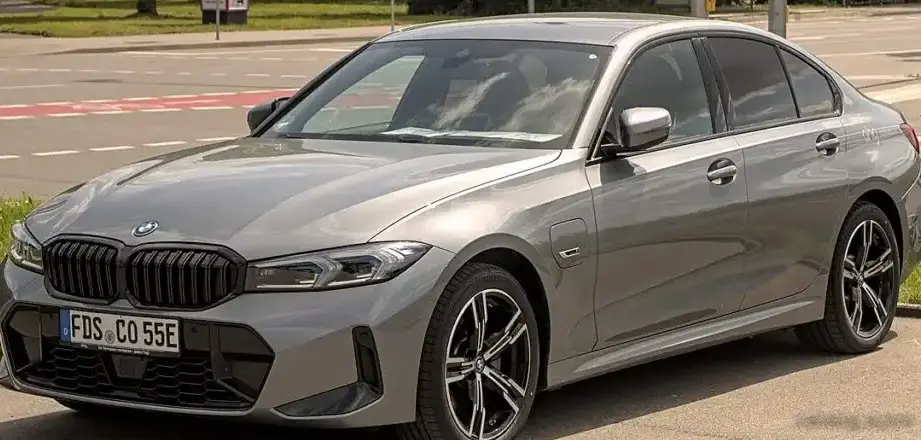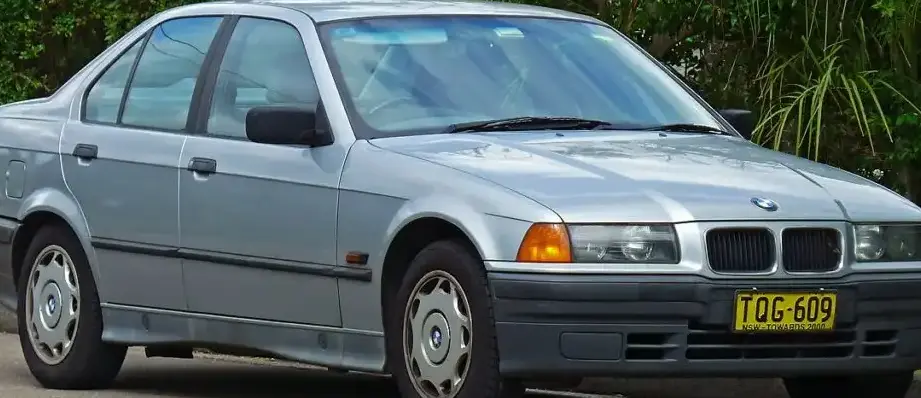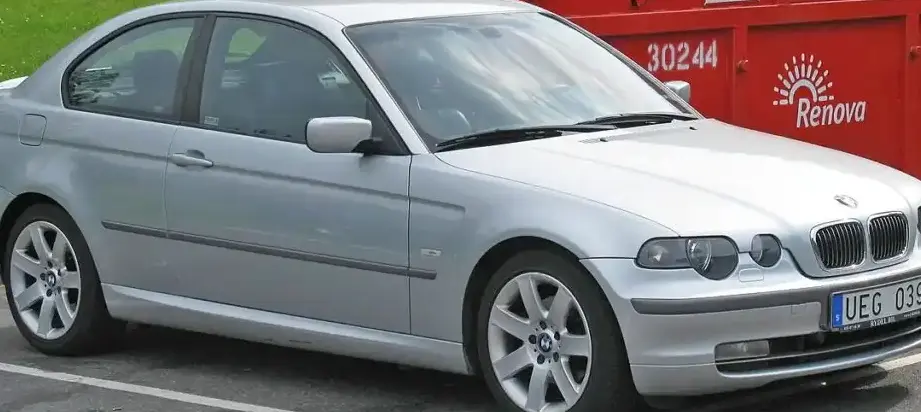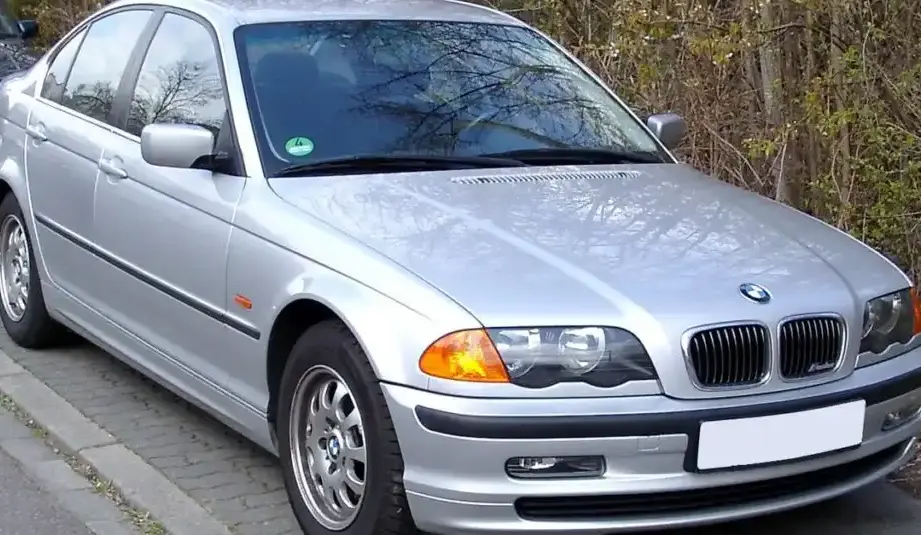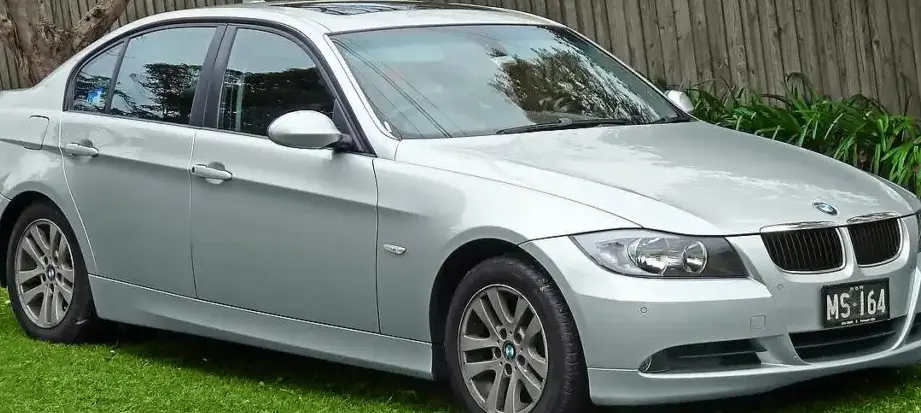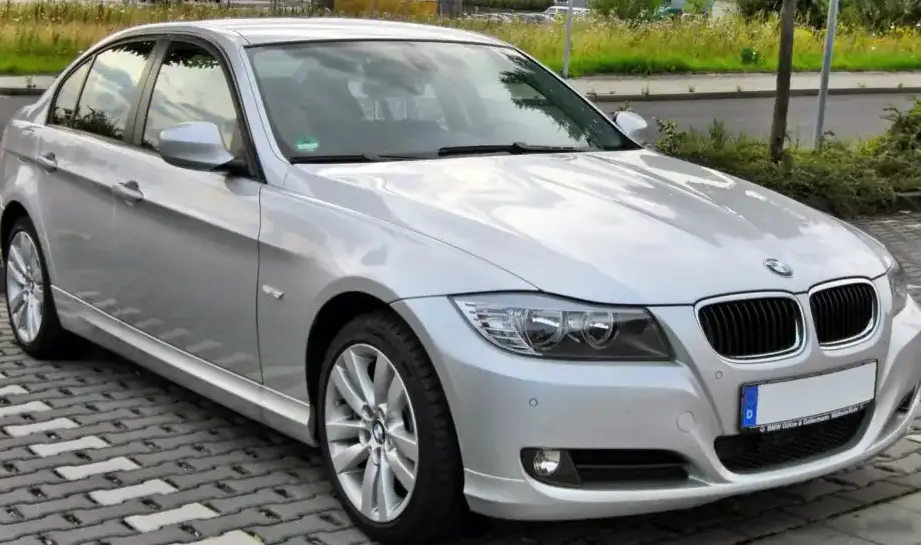
The BMW 3 Series Sedan (E90 LCI), specifically the 320d variant with the Steptronic automatic transmission, represents a significant iteration of BMW’s iconic sports sedan. Produced from 2009 to 2010, this model was part of the E90’s Life Cycle Impulse (LCI) – a mid-life facelift bringing styling and technological updates. The 320d Steptronic occupied a crucial position in the 3 Series lineup, offering a balance between fuel efficiency, reasonable performance, and the convenience of an automatic gearbox. It catered to buyers seeking a premium sedan experience without the higher costs associated with the more powerful 335i or the sport-focused 330d models.
Technical Specifications
| Brand | BMW |
| Model | 3 Series |
| Generation | 3 Series Sedan (E90 LCI, facelift 2008) |
| Type (Engine) | 320d (177 Hp) Steptronic |
| Start of production | 2009 |
| End of production | 2010 |
| Powertrain Architecture | Internal Combustion engine |
| Body type | Sedan |
| Seats | 5 |
| Doors | 4 |
| Fuel consumption (urban) | 7.3 l/100 km (32.2 US mpg, 38.7 UK mpg, 13.7 km/l) |
| Fuel consumption (extra urban) | 4.6 l/100 km (51.1 US mpg, 61.4 UK mpg, 21.7 km/l) |
| Fuel consumption (combined) | 5.6 l/100 km (42 US mpg, 50.4 UK mpg, 17.9 km/l) |
| CO2 emissions | 148 g/km |
| Fuel Type | Diesel |
| Acceleration 0 – 100 km/h | 8 sec |
| Acceleration 0 – 62 mph | 8 sec |
| Acceleration 0 – 60 mph | 7.6 sec |
| Maximum speed | 228 km/h (141.67 mph) |
| Emission standard | Euro 5 |
| Weight-to-power ratio | 8.2 kg/Hp, 122.5 Hp/tonne |
| Weight-to-torque ratio | 4.1 kg/Nm, 242.2 Nm/tonne |
| Power | 177 Hp @ 4000 rpm |
| Power per litre | 88.7 Hp/l |
| Torque | 350 Nm @ 1750-3000 rpm (258.15 lb.-ft. @ 1750-3000 rpm) |
| Engine layout | Front, Longitudinal |
| Engine Model/Code | N47D20C |
| Engine displacement | 1995 cm3 (121.74 cu. in.) |
| Number of cylinders | 4 |
| Engine configuration | Inline |
| Cylinder Bore | 84 mm (3.31 in.) |
| Piston Stroke | 90 mm (3.54 in.) |
| Compression ratio | 16:1 |
| Number of valves per cylinder | 4 |
| Fuel injection system | Diesel Commonrail |
| Engine aspiration | Turbocharger, Intercooler |
| Engine oil capacity | 5.2 l (5.49 US qt | 4.58 UK qt) |
| Coolant | 7.9 l (8.35 US qt | 6.95 UK qt) |
| Kerb Weight | 1445 kg (3185.68 lbs.) |
| Max. weight | 1965 kg (4332.08 lbs.) |
| Max load | 520 kg (1146.4 lbs.) |
| Trunk (boot) space – minimum | 460 l (16.24 cu. ft.) |
| Fuel tank capacity | 61 l (16.11 US gal | 13.42 UK gal) |
| Max. roof load | 75 kg (165.35 lbs.) |
| Permitted trailer load with brakes (12%) | 1600 kg (3527.4 lbs.) |
| Permitted trailer load without brakes | 745 kg (1642.44 lbs.) |
| Permitted towbar download | 75 kg (165.35 lbs.) |
| Length | 4531 mm (178.39 in.) |
| Width | 1817 mm (71.54 in.) |
| Width including mirrors | 1989 mm (78.31 in.) |
| Height | 1421 mm (55.94 in.) |
| Wheelbase | 2760 mm (108.66 in.) |
| Front track | 1506 mm (59.29 in.) |
| Rear (Back) track | 1535 mm (60.43 in.) |
| Ride height (ground clearance) | 144 mm (5.67 in.) |
| Drag coefficient (Cd) | 0.27 |
| Minimum turning circle (turning diameter) | 11.0 m (36.09 ft.) |
| Drivetrain Architecture | The Internal combustion engine (ICE) drives the rear wheels of the vehicle. |
| Drive wheel | Rear wheel drive |
| Number of gears and type of gearbox | 6 gears, automatic transmission |
| Front suspension | Independent coil spring |
| Rear suspension | Independent multi-link suspension |
| Front brakes | Ventilated discs |
| Rear brakes | Ventilated discs |
| Assisting systems | ABS (Anti-lock braking system) |
| Steering type | Steering rack and pinion |
| Power steering | Electric Steering |
| Tires size | 205/55 R16 91V |
| Wheel rims size | 7J x 16 |
Powertrain & Engine Architecture
The heart of the 320d Steptronic is the N47D20C, a 2.0-liter inline-four diesel engine. This engine was a cornerstone of BMW’s EfficientDynamics strategy, focusing on maximizing fuel economy and reducing emissions. The N47 featured second-generation common rail direct injection, operating at pressures up to 1,800 bar, for precise fuel delivery and optimized combustion. A variable geometry turbocharger (VGT) with intercooling further enhanced performance and responsiveness. The engine also incorporated four valves per cylinder and a chain-driven double overhead camshaft. The Steptronic transmission is a six-speed automatic gearbox, known for its smooth shifts and adaptive learning capabilities. It adjusted shift points based on driving style and road conditions, contributing to both efficiency and driver comfort.
Driving Characteristics
The 320d Steptronic offered a comfortable and refined driving experience. While not as overtly sporty as the 330d or 335i, it provided ample power for everyday driving and highway cruising. The 350 Nm (258 lb-ft) of torque, available from 1750-3000 rpm, provided strong acceleration in most situations. The automatic transmission, while convenient, did result in a slight performance deficit compared to the six-speed manual version. Gear ratios were tuned for fuel efficiency, meaning the engine sometimes felt slightly strained during aggressive acceleration. However, the Steptronic’s ability to hold gears longer during spirited driving mitigated this somewhat.
Equipment & Trim Levels
The 320d Steptronic typically came standard with features like automatic climate control, power windows, power mirrors, a multi-function steering wheel, and a basic audio system. Upholstery was usually cloth, though leather options were available. The LCI facelift brought subtle interior revisions, including updated trim materials and improved infotainment system options. Common optional extras included a sunroof, navigation system, upgraded audio, sport seats, and parking sensors. The 320d could also be equipped with BMW’s Dynamic Driving Control system, allowing drivers to select different driving modes (Comfort, Normal, Sport) to adjust throttle response, steering feel, and suspension damping (if equipped with adaptive dampers).
Chassis & Braking
The E90 3 Series utilized a MacPherson strut front suspension and a multi-link rear suspension, providing a good balance between ride comfort and handling precision. The 320d typically featured ventilated disc brakes on all four wheels, offering adequate stopping power for its weight and performance. ABS (Anti-lock Braking System) was standard, along with Electronic Brake-force Distribution (EBD). Stabilizer bars were fitted front and rear to reduce body roll during cornering. The suspension tuning was generally geared towards comfort, but the 320d still offered a reasonably engaging driving experience.
Market Reception & Comparison
The 320d Steptronic was well-received by critics as a practical and efficient luxury sedan. It was praised for its fuel economy, comfortable ride, and refined interior. However, some reviewers noted that the automatic transmission could feel slightly sluggish at times, and the engine lacked the outright performance of its larger siblings. Compared to the 330d, the 320d offered significantly lower running costs but sacrificed performance. The 320i (petrol version) provided a different driving experience, with a more responsive engine but lower fuel economy. The 320d Steptronic appealed to buyers prioritizing fuel efficiency and comfort over outright performance.
Legacy
The N47 engine, while generally reliable, has been known to exhibit issues with timing chain wear and glow plug failures. Regular maintenance, including oil changes and timing chain inspections, is crucial for long-term reliability. The Steptronic transmission is also generally durable, but fluid changes should be performed according to BMW’s recommended service intervals. Today, the E90 320d Steptronic represents a relatively affordable entry point into BMW ownership. Well-maintained examples can still provide years of reliable service, making them a popular choice in the used car market. Its blend of efficiency, comfort, and BMW’s renowned driving dynamics continues to appeal to a wide range of buyers.