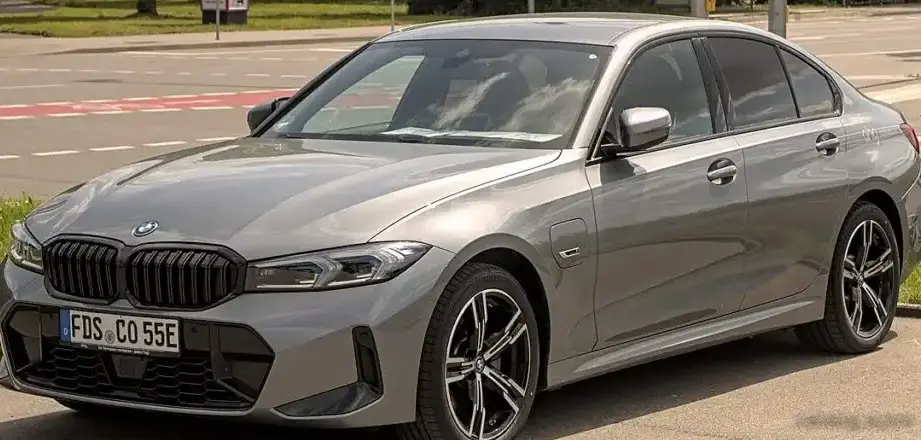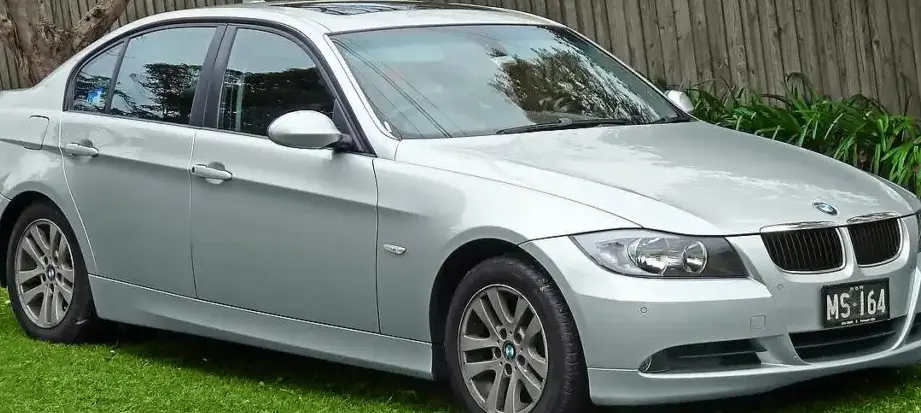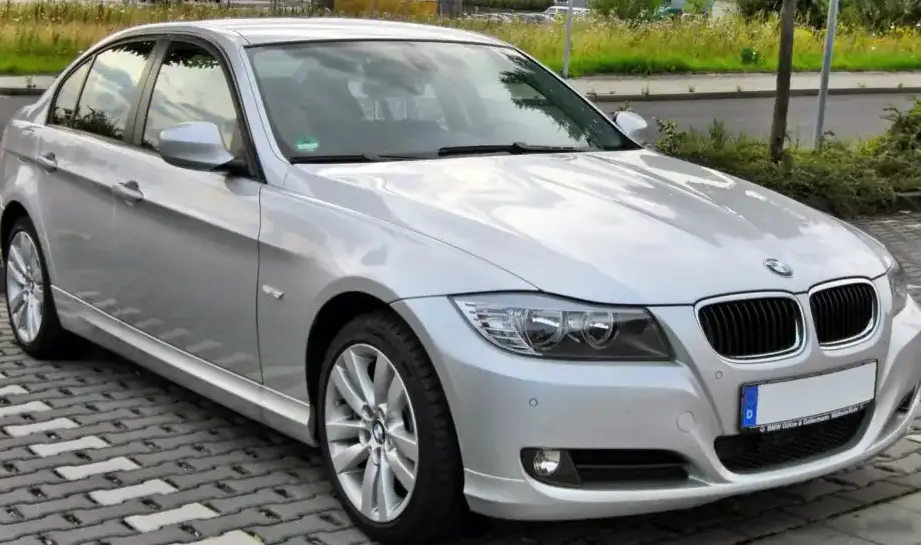
The BMW 3 Series Sedan (E90 LCI), specifically the 323i variant produced from 2008 to 2011, represented a mid-cycle refresh of the E90 generation. This facelift, known as the LCI (Life Cycle Impulse) in BMW terminology, brought updated styling, improved efficiency, and refined technology to the popular 3 Series. The 323i, positioned as a core model within the lineup, offered a balance between performance and affordability, appealing to a broad range of buyers seeking a premium sports sedan. It served as a stepping stone between the base 320i and the more powerful 328i/335i models.
Technical Specifications
| Brand | BMW |
| Model | 3 Series |
| Generation | 3 Series Sedan (E90 LCI, facelift 2008) |
| Type (Engine) | 323i (200 Hp) |
| Start of production | 2008 |
| End of production | 2011 |
| Powertrain Architecture | Internal Combustion engine |
| Body type | Sedan |
| Seats | 5 |
| Doors | 4 |
| Fuel consumption (economy) – urban | 11.1 l/100 km (21.2 US mpg) |
| Fuel consumption (economy) – extra urban | 6.9 l/100 km (34.1 US mpg) |
| Fuel consumption (economy) – combined | 9.2 l/100 km (25.6 US mpg) |
| Fuel Type | Petrol (Gasoline) |
| Acceleration 0 – 100 km/h | 7.4 sec |
| Acceleration 0 – 62 mph | 7.4 sec |
| Acceleration 0 – 60 mph | 7 sec |
| Maximum speed | 210 km/h (130.49 mph) |
| Weight-to-power ratio | 7.5 kg/Hp |
| Weight-to-torque ratio | 6.1 kg/Nm |
| Power | 200 Hp @ 6000 rpm |
| Torque | 244 Nm @ 4000-5000 rpm (179.97 lb.-ft. @ 4000-5000 rpm) |
| Engine layout | Front, Longitudinal |
| Engine Model/Code | N52B25 |
| Engine displacement | 2497 cm3 (152.38 cu. in.) |
| Number of cylinders | 6 |
| Engine configuration | Inline |
| Cylinder Bore | 82 mm (3.23 in.) |
| Piston Stroke | 78.8 mm (3.1 in.) |
| Compression ratio | 11:1 |
| Number of valves per cylinder | 4 |
| Fuel injection system | Multi-port manifold injection |
| Engine aspiration | Naturally aspirated engine |
| Valvetrain | DOHC, Valvetronic |
| Engine oil capacity | 6.5 l (6.87 US qt | 5.72 UK qt) |
| Kerb Weight | 1500 kg (3306.93 lbs.) |
| Max. weight | 1980 kg (4365.15 lbs.) |
| Max load | 480 kg (1058.22 lbs.) |
| Trunk (boot) space – minimum | 460 l (16.24 cu. ft.) |
| Fuel tank capacity | 61 l (16.11 US gal | 13.42 UK gal) |
| Max. roof load | 75 kg (165.35 lbs.) |
| Length | 4541 mm (178.78 in.) |
| Width | 1817 mm (71.54 in.) |
| Width including mirrors | 1989 mm (78.31 in.) |
| Height | 1421 mm (55.94 in.) |
| Wheelbase | 2760 mm (108.66 in.) |
| Front track | 1500 mm (59.06 in.) |
| Rear (Back) track | 1529 mm (60.2 in.) |
| Drag coefficient (Cd) | 0.28 |
| Minimum turning circle (turning diameter) | 11 m (36.09 ft.) |
| Drivetrain Architecture | Rear wheel drive |
| Drive wheel | Rear wheel drive |
| Number of gears and type of gearbox | 6 gears, manual transmission |
| Front suspension | Spring Strut, Transverse stabilizer |
| Rear suspension | Independent multi-link suspension, Transverse stabilizer |
| Front brakes | Ventilated discs, 312 mm |
| Rear brakes | Ventilated discs, 300 mm |
| Assisting systems | ABS (Anti-lock braking system) |
| Steering type | Steering rack and pinion |
| Power steering | Electric Steering |
| Tires size | 205/55 R16; 225/45 R17 |
| Wheel rims size | 7J x 16; 8J x 17 |
Powertrain & Engine Architecture
The heart of the 323i was the N52B25, a 2.5-liter inline-six cylinder engine. This engine was a naturally aspirated powerplant known for its smooth operation and responsive power delivery. The ‘B25’ designation indicates a displacement of 2.5 liters. The N52 featured BMW’s Valvetronic system, a variable valve lift technology that optimized engine efficiency and performance by adjusting the intake valve timing and lift based on driving conditions. Fuel was delivered via multi-port fuel injection, ensuring precise fuel metering. The engine produced 200 horsepower at 6000 rpm and 244 Nm (179.97 lb-ft) of torque between 4000 and 5000 rpm. The 323i was typically equipped with a six-speed manual transmission, though a six-speed automatic transmission was also available. The automatic transmission offered smooth shifts and convenience, but at the expense of some performance and fuel economy compared to the manual.
Driving Characteristics
The 323i with the manual transmission provided a balanced driving experience. Acceleration from 0 to 60 mph took around 7 seconds, making it adequately quick for everyday driving. The inline-six engine delivered a linear powerband, offering good responsiveness throughout the rev range. The automatic transmission, while comfortable, slightly dulled the driving experience, resulting in a slower 0-60 mph time of around 7.4 seconds. Gear ratios were tuned for a blend of fuel efficiency and performance, with the automatic transmission prioritizing smooth shifts over aggressive downshifts. Compared to the more powerful 328i or 335i models, the 323i felt less urgent in its acceleration, but it still offered a satisfying and engaging driving experience, particularly for those who preferred a more relaxed driving style.
Equipment & Trim Levels
The 323i typically came standard with features such as power windows, power locks, air conditioning, and a basic audio system. Interior upholstery was usually cloth, though leather was available as an option. The dashboard layout was typical of BMW at the time, with a driver-focused design and intuitive controls. Optional extras included a premium sound system, navigation system, sunroof, heated seats, and sport package, which added features like sport seats, a sport suspension, and unique exterior styling cues. The trim level could be upgraded with various packages, offering increased luxury or performance features.
Chassis & Braking
The E90 323i utilized a MacPherson strut front suspension and a multi-link rear suspension, providing a comfortable ride and precise handling. Stabilizer bars were fitted to both the front and rear axles to reduce body roll during cornering. Brakes consisted of ventilated discs on all four wheels, providing ample stopping power. The ABS (Anti-lock Braking System) was standard, enhancing safety and control during emergency braking situations. The suspension tuning was geared towards a balance between comfort and handling, making it suitable for both daily commuting and spirited driving.
Market Reception & Comparison
The 323i was generally well-received by automotive critics. It was praised for its smooth engine, comfortable ride, and balanced handling. However, some critics noted that it lacked the outright performance of the 328i and 335i models. Fuel economy was considered respectable for its class, averaging around 25.6 US mpg in combined driving. Compared to the 320i, the 323i offered a noticeable increase in power and performance, making it a more appealing option for drivers who wanted a more engaging driving experience. Compared to the 328i, the 323i was more affordable but offered less power and performance.
Legacy
The N52B25 engine in the E90 323i has proven to be a relatively reliable powertrain when properly maintained. Common issues include oil leaks, cooling system failures, and occasional problems with the Valvetronic system. However, these issues are generally well-documented and can be addressed with preventative maintenance. Today, the E90 323i represents a relatively affordable entry point into BMW ownership. It offers a blend of performance, luxury, and reliability that continues to appeal to enthusiasts and everyday drivers alike. The availability of parts and a strong aftermarket support network ensures that these cars can be kept on the road for many years to come.