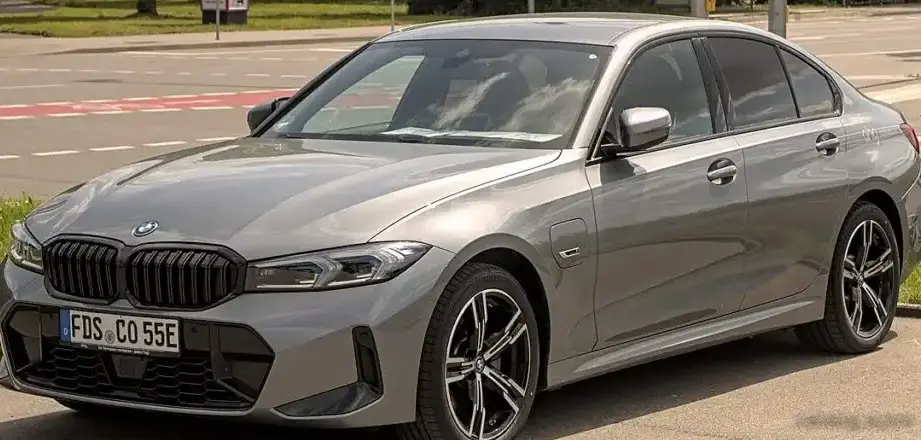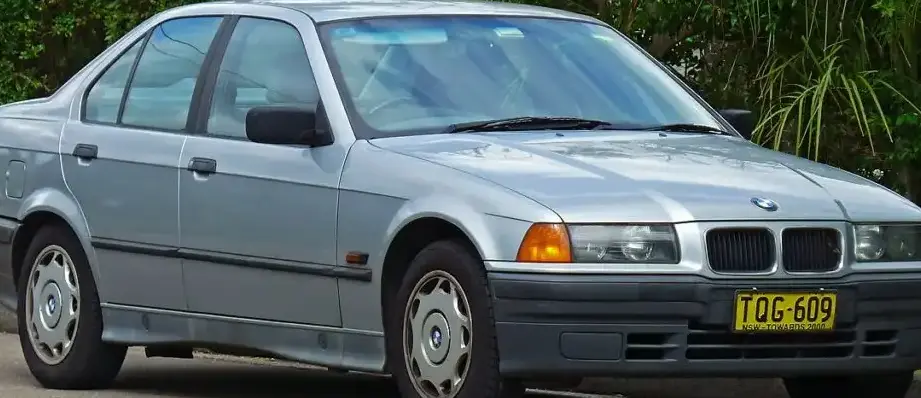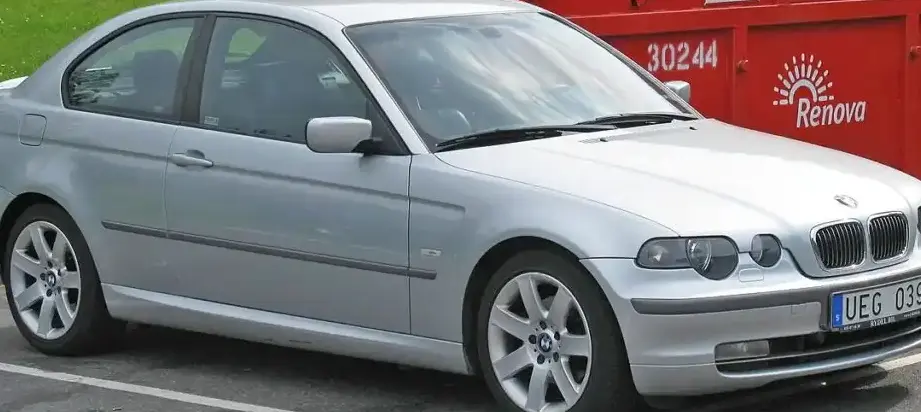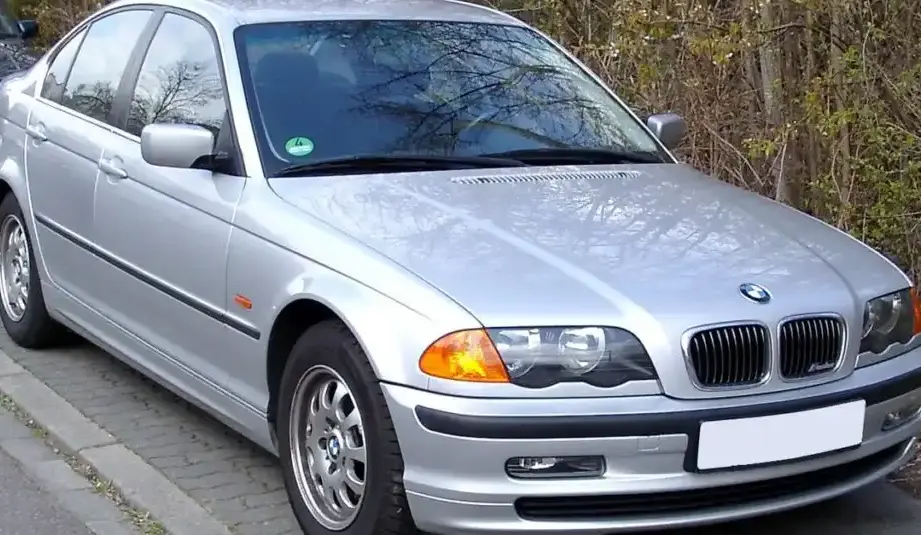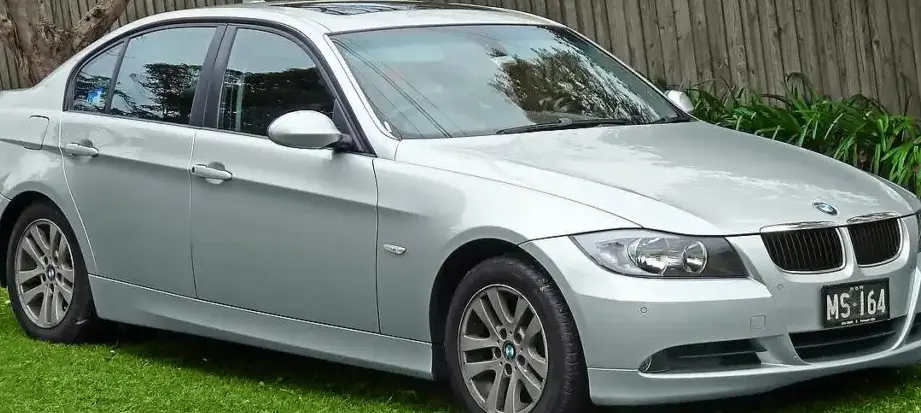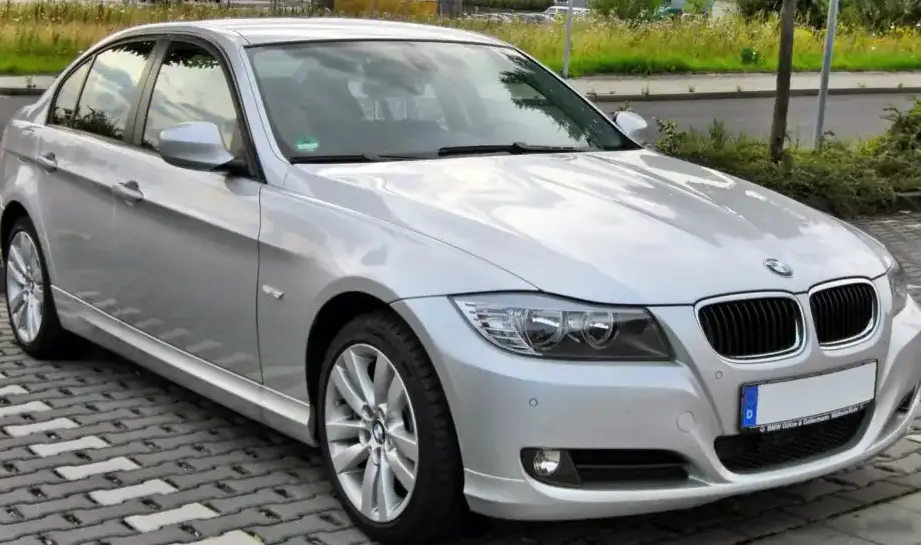
The BMW 3 Series Sedan (E90 LCI), specifically the 325d variant produced from 2009 to 2010, represents a significant refinement of the E90 generation. Introduced as part of the Life Cycle Impulse (LCI) facelift, this model aimed to enhance the 3 Series’ appeal with updated styling, improved efficiency, and advanced technology. The 325d occupied a middle ground in the E90 lineup, offering a balance between performance, fuel economy, and luxury features. It was positioned above the entry-level 320d and below the more powerful 335d, catering to buyers seeking a refined diesel driving experience.
Technical Specifications
| Brand | BMW |
| Model | 3 Series |
| Generation | 3 Series Sedan (E90 LCI, facelift 2008) |
| Type (Engine) | 325d (197 Hp) |
| Start of production | 2009 |
| End of production | 2010 |
| Powertrain Architecture | Internal Combustion engine |
| Body type | Sedan |
| Seats | 5 |
| Doors | 4 |
| Fuel consumption (urban) | 7.6 l/100 km (30.9 US mpg, 37.2 UK mpg, 13.2 km/l) |
| Fuel consumption (extra urban) | 4.6 l/100 km (51.1 US mpg, 61.4 UK mpg, 21.7 km/l) |
| Fuel consumption (combined) | 5.7 l/100 km (41.3 US mpg, 49.6 UK mpg, 17.5 km/l) |
| CO2 emissions | 153 g/km |
| Fuel Type | Diesel |
| Acceleration 0 – 100 km/h | 7.4 sec |
| Acceleration 0 – 62 mph | 7.4 sec |
| Acceleration 0 – 60 mph | 7 sec |
| Maximum speed | 235 km/h (146.02 mph) |
| Emission standard | Euro 4 |
| Weight-to-power ratio | 7.7 kg/Hp, 129.2 Hp/tonne |
| Weight-to-torque ratio | 3.8 kg/Nm, 262.3 Nm/tonne |
| Power | 197 Hp @ 4000 rpm |
| Torque | 400 Nm @ 1300-3250 rpm (295.02 lb.-ft. @ 1300-3250 rpm) |
| Engine layout | Front, Longitudinal |
| Engine Model/Code | M57D30TU2 |
| Engine displacement | 2993 cm3 (182.64 cu. in.) |
| Number of cylinders | 6 |
| Engine configuration | Inline |
| Cylinder Bore | 84 mm (3.31 in.) |
| Piston Stroke | 90 mm (3.54 in.) |
| Compression ratio | 17:1 |
| Number of valves per cylinder | 4 |
| Fuel injection system | Diesel Commonrail |
| Engine aspiration | Turbocharger, Intercooler |
| Engine oil capacity | 7.5 l (7.93 US qt | 6.6 UK qt) |
| Coolant | 7.9 l (8.35 US qt | 6.95 UK qt) |
| Kerb Weight | 1525 kg (3362.05 lbs.) |
| Max. weight | 2045 kg (4508.45 lbs.) |
| Max load | 520 kg (1146.4 lbs.) |
| Trunk (boot) space – minimum | 460 l (16.24 cu. ft.) |
| Fuel tank capacity | 61 l (16.11 US gal | 13.42 UK gal) |
| Max. roof load | 75 kg (165.35 lbs.) |
| Permitted trailer load with brakes (12%) | 1800 kg (3968.32 lbs.) |
| Permitted trailer load without brakes | 750 kg (1653.47 lbs.) |
| Permitted towbar download | 75 kg (165.35 lbs.) |
| Length | 4531 mm (178.39 in.) |
| Width | 1817 mm (71.54 in.) |
| Width including mirrors | 1989 mm (78.31 in.) |
| Height | 1421 mm (55.94 in.) |
| Wheelbase | 2760 mm (108.66 in.) |
| Front track | 1500 mm (59.06 in.) |
| Rear (Back) track | 1529 mm (60.2 in.) |
| Ride height (ground clearance) | 144 mm (5.67 in.) |
| Drag coefficient (Cd) | 0.28 |
| Minimum turning circle (turning diameter) | 11.0 m (36.09 ft.) |
| Drivetrain Architecture | The Internal combustion engine (ICE) drives the rear wheels of the vehicle. |
| Drive wheel | Rear wheel drive |
| Number of gears and type of gearbox | 6 gears, manual transmission |
| Front suspension | Independent coil spring |
| Rear suspension | Independent multi-link suspension |
| Front brakes | Ventilated discs |
| Rear brakes | Ventilated discs |
| Assisting systems | ABS (Anti-lock braking system) |
| Steering type | Steering rack and pinion |
| Power steering | Electric Steering |
| Tires size | 225/45 R17 91W |
| Wheel rims size | 8J x 17 |
Powertrain & Engine Architecture
The heart of the 325d LCI is the M57D30TU2, a 3.0-liter inline-six diesel engine. This engine is a direct descendant of BMW’s renowned M57 series, known for its durability and refinement. The ‘TU2’ designation signifies an updated version of the engine, incorporating improvements to fuel injection, turbocharging, and emissions control. The engine utilizes a second-generation common rail direct injection system, delivering fuel at extremely high pressures for optimized combustion. A variable geometry turbocharger (VGT) with an intercooler further enhances performance and efficiency. The engine produces 197 horsepower at 4,000 rpm and a substantial 400 Nm (295 lb-ft) of torque between 1,300 and 3,250 rpm. This broad torque curve provides strong acceleration in everyday driving situations. The 325d was typically paired with a six-speed manual transmission, although a six-speed automatic transmission was also available. The automatic transmission offered smooth shifts and convenience, but at the expense of some fuel economy and responsiveness compared to the manual.
Driving Characteristics
The 325d LCI delivers a refined and capable driving experience. The abundant low-end torque makes it feel surprisingly quick in real-world conditions, particularly for overtaking maneuvers. While not as overtly sporty as the 335i, the 325d offers a good balance of performance and efficiency. The six-speed manual transmission provides precise gear changes, allowing drivers to fully exploit the engine’s powerband. The automatic transmission, while smooth, can feel slightly hesitant at times, especially during kickdown. The rear-wheel-drive configuration contributes to the 3 Series’ characteristic handling balance, providing a connected and engaging feel. The steering is precise and well-weighted, offering good feedback to the driver.
Equipment & Trim Levels
The 325d LCI typically came well-equipped as standard. Features included automatic climate control, power windows and mirrors, a multi-function steering wheel, and a basic audio system. Upholstery was generally cloth, with leather options available as an upgrade. The LCI facelift brought revised interior trim elements and updated infotainment options. Optional extras included a premium sound system, navigation system, sunroof, sport seats, and parking sensors. Trim levels varied slightly depending on the market, but generally followed a progression from base to Sport, Luxury, and M Sport packages, each adding progressively more features and styling enhancements.
Chassis & Braking
The E90 3 Series utilizes a sophisticated chassis design. The front suspension features independent coil springs and MacPherson struts, while the rear suspension employs an independent multi-link setup. This configuration provides a comfortable ride while maintaining good handling characteristics. The 325d LCI typically came equipped with ventilated disc brakes on all four wheels, providing ample stopping power. Anti-lock Braking System (ABS) was standard, enhancing safety and stability during emergency braking. The suspension tuning was generally geared towards comfort, but Sport suspension options were available for a firmer ride and improved handling.
Market Reception & Comparison
The 325d LCI was generally well-received by automotive critics. It was praised for its refined engine, good fuel economy, and comfortable ride. Compared to the 320d, the 325d offered a noticeable performance upgrade, while remaining more affordable than the 335d. The 335d, with its twin-turbocharged inline-six, offered significantly more power but came at a higher price and with potentially higher maintenance costs. The 325d’s fuel economy was a key selling point, making it an attractive option for drivers who prioritized efficiency. Reliability was generally good, although some owners reported issues with the diesel particulate filter (DPF) and turbocharger.
Legacy
The BMW 325d LCI remains a popular choice in the used car market. Its combination of performance, efficiency, and refinement has stood the test of time. The M57D30TU2 engine is known for its durability, but regular maintenance is crucial to ensure long-term reliability. Potential buyers should be aware of the potential for DPF issues, particularly if the vehicle has primarily been used for short trips. Overall, the 325d LCI represents a well-rounded and enjoyable driving experience, making it a compelling option for those seeking a premium diesel sedan.