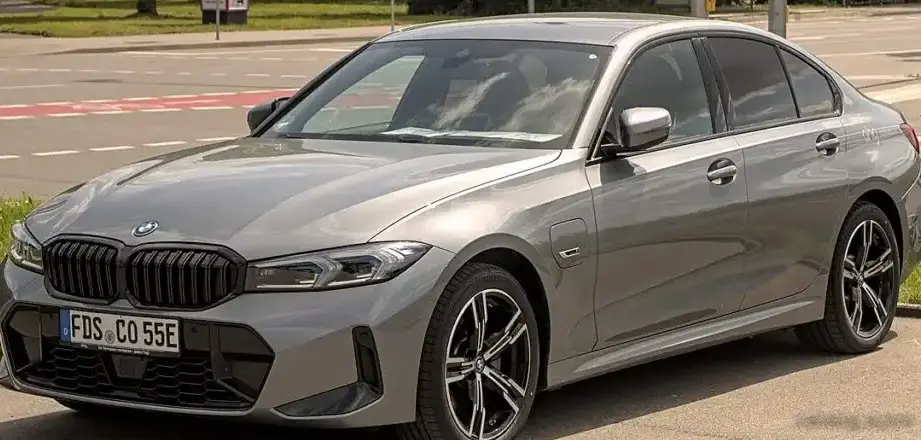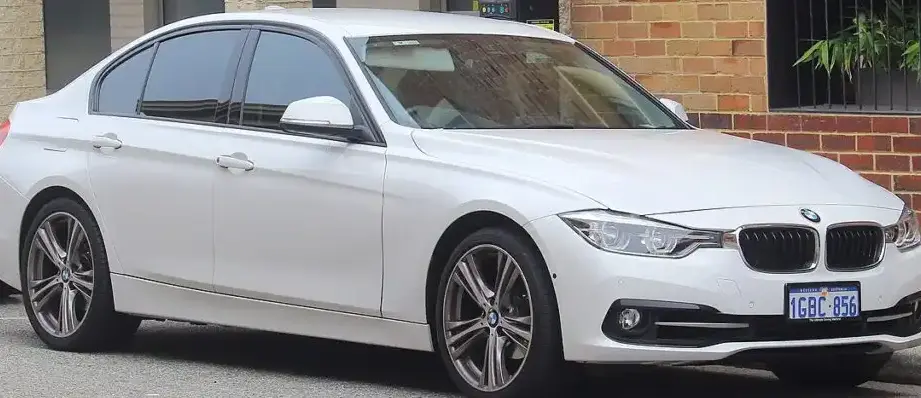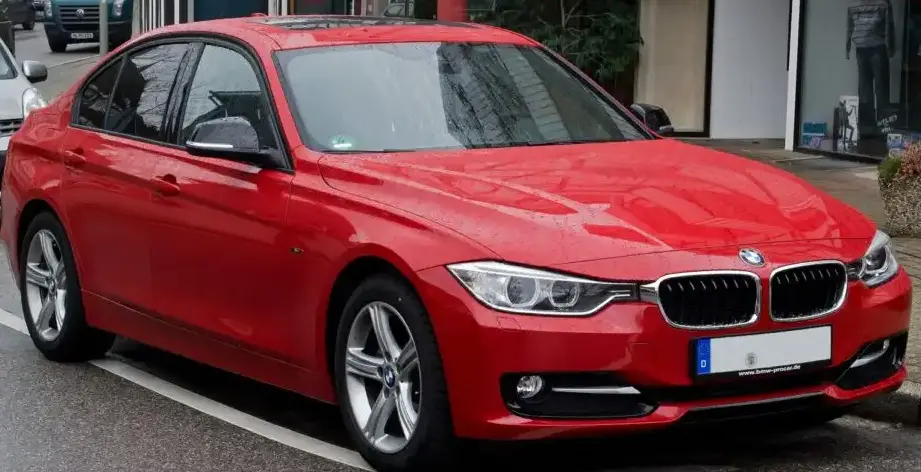
The BMW 3 Series Sedan (F30) 316i, produced from 2012 to 2015, represented the entry point into the sixth generation of BMW’s iconic sports sedan. Positioned as the base model, the 316i offered a balance of BMW’s renowned driving dynamics with improved fuel efficiency and a more accessible price point. It was a key model for attracting new customers to the 3 Series range, particularly in markets where taxation favored smaller displacement engines. The F30 generation, built on the BMW’s modular UKL2 platform, aimed to address criticisms of the previous E90 generation regarding interior space and driving engagement. This variant specifically utilized the N13B16A engine paired with either a six-speed manual or an eight-speed automatic transmission, the latter being a popular choice for comfort and ease of use.
Technical Specifications
| Brand | BMW |
| Model | 3 Series |
| Generation | 3 Series Sedan (F30) |
| Type (Engine) | 316i (136 Hp) |
| Start of production | 2012 |
| End of production | 2015 |
| Powertrain Architecture | Internal Combustion engine |
| Body type | Sedan |
| Seats | 5 |
| Doors | 4 |
| Fuel consumption (urban) | 7.6-7.7 l/100 km (30.9 – 30.5 US mpg) |
| Fuel consumption (extra urban) | 4.7-4.8 l/100 km (50 – 49 US mpg) |
| Fuel consumption (combined) | 5.8-5.9 l/100 km (40.6 – 39.9 US mpg) |
| CO2 emissions | 134-137 g/km |
| Fuel Type | Petrol (Gasoline) |
| Acceleration 0 – 100 km/h | 8.9 sec |
| Acceleration 0 – 62 mph | 8.9 sec |
| Acceleration 0 – 60 mph | 8.5 sec |
| Maximum speed | 210 km/h (130.49 mph) |
| Emission standard | Euro 5 |
| Weight-to-power ratio | 10.2 kg/Hp |
| Weight-to-torque ratio | 6.3 kg/Nm |
| Power | 136 Hp @ 4350 rpm |
| Torque | 220 Nm @ 1350 rpm (162.26 lb.-ft. @ 1350 rpm) |
| Engine layout | Front, Longitudinal |
| Engine Model/Code | N13B16A |
| Engine displacement | 1598 cm3 (97.52 cu. in.) |
| Number of cylinders | 4 |
| Engine configuration | Inline |
| Cylinder Bore | 77 mm (3.03 in.) |
| Piston Stroke | 85.8 mm (3.38 in.) |
| Compression ratio | 10.5:1 |
| Number of valves per cylinder | 4 |
| Fuel injection system | Direct injection |
| Engine aspiration | Twin-power turbo, Intercooler |
| Engine oil capacity | 4.2 l (4.44 US qt | 3.7 UK qt) |
| Coolant | 6.7 l (7.08 US qt | 5.9 UK qt) |
| Kerb Weight | 1385 kg (3053.4 lbs.) |
| Max. weight | 1935 kg (4265.94 lbs.) |
| Max load | 550 kg (1212.54 lbs.) |
| Trunk (boot) space – minimum | 480 l (16.95 cu. ft.) |
| Fuel tank capacity | 60 l (15.85 US gal | 13.2 UK gal) |
| Max. roof load | 75 kg (165.35 lbs.) |
| Permitted trailer load with brakes (12%) | 1500 kg (3306.93 lbs.) |
| Permitted trailer load without brakes | 695 kg (1532.21 lbs.) |
| Permitted towbar download | 75 kg (165.35 lbs.) |
| Length | 4624 mm (182.05 in.) |
| Width | 1811 mm (71.3 in.) |
| Height | 1429 mm (56.26 in.) |
| Wheelbase | 2810 mm (110.63 in.) |
| Front track | 1543 mm (60.75 in.) |
| Rear (Back) track | 1583 mm (62.32 in.) |
| Ride height (ground clearance) | 140 mm (5.51 in.) |
| Drag coefficient (Cd) | 0.27 |
| Minimum turning circle (turning diameter) | 11.3 m (37.07 ft.) |
| Drivetrain Architecture | Rear wheel drive |
| Drive wheel | Rear wheel drive |
| Number of gears and type of gearbox | 6 gears, manual transmission |
| Front suspension | Independent coil spring |
| Rear suspension | Independent multi-link suspension |
| Front brakes | Ventilated discs |
| Rear brakes | Ventilated discs |
| Assisting systems | ABS (Anti-lock braking system) |
| Steering type | Steering rack and pinion |
| Power steering | Electric Steering |
| Tires size | 205/60 R16 H; 225/55 R16; 225/50 R17; 255/45 R17; 225/45 R18; 255/40 R18; 225/40 R19; 255/35 R19 |
| Wheel rims size | 7J x 16; 7.5J x 16; 7.5J x 17; 8.5J x 17; 8J x 18; 8.5J x 18; 8J x 19; 8.5J x 19 |
Powertrain & Engine Architecture
The heart of the 316i is the N13B16A 1.6-liter inline-four cylinder engine. This engine is a member of BMW’s highly regarded modular engine family, known for its efficiency and responsiveness. It features direct fuel injection, a single twin-scroll turbocharger, and variable valve timing (VANOS) on both the intake and exhaust camshafts. The turbocharger is crucial for boosting power output from a relatively small displacement engine. The N13 engine produces 136 horsepower at 4,350 rpm and 220 Nm (162 lb-ft) of torque from as low as 1,350 rpm. The eight-speed automatic transmission, a ZF 8HP series unit, was a popular option. This transmission offered smooth shifts and contributed to improved fuel economy. It featured a wide range of gear ratios, allowing the engine to operate efficiently at various speeds.
Driving Characteristics
The 316i, particularly with the automatic transmission, prioritized comfort and fuel efficiency over outright performance. While the 0-60 mph time of around 8.5 seconds wasn’t particularly quick, the engine provided adequate power for everyday driving situations. The automatic transmission’s programming emphasized smooth upshifts and downshifts, making for a relaxed driving experience. Compared to the more powerful 320i or 328i models, the 316i felt noticeably less responsive, especially during overtaking maneuvers. However, the chassis retained BMW’s signature handling balance, providing a confident and engaging feel through corners. The steering was precise and well-weighted, contributing to a connected driving experience.
Equipment & Trim Levels
The 316i typically came standard with features such as automatic climate control, a basic iDrive infotainment system, power windows and locks, and alloy wheels. Interior upholstery was typically cloth, although leather options were available. Common optional extras included a sunroof, upgraded audio system, navigation system, and parking sensors. Trim levels varied by market, but generally, the 316i served as the entry-level model, with higher trims like the 320i and 328i offering more luxurious appointments and performance upgrades.
Chassis & Braking
The F30 316i utilized a MacPherson strut front suspension and a multi-link rear suspension, providing a good balance of ride comfort and handling precision. Brakes were ventilated discs all around, offering adequate stopping power for the vehicle’s weight and performance. ABS (Anti-lock Braking System) was standard. The suspension tuning was generally softer than that of the higher-performance models, prioritizing ride comfort over ultimate handling capability. Stabilizer bars were fitted front and rear to reduce body roll during cornering.
Market Reception & Comparison
The 316i was generally well-received as an affordable and efficient entry point into the 3 Series range. Critics praised its fuel economy and comfortable ride, but some noted its lack of outright performance compared to its siblings. Compared to the 320i, which featured a larger 2.0-liter engine, the 316i offered lower running costs but sacrificed some performance. The 316i’s fuel economy figures of around 40 mpg combined were a significant selling point, particularly in Europe where fuel prices were high. Reliability was generally good, although some owners reported issues with the turbocharger and fuel injectors.
Legacy
The F30 316i has become a popular choice in the used car market, offering a relatively affordable way to experience BMW ownership. The N13 engine, while generally reliable, requires regular maintenance, including oil changes and spark plug replacements. The eight-speed automatic transmission has proven to be durable and reliable. Today, the 316i represents a good value proposition for buyers seeking a comfortable, efficient, and well-equipped sports sedan. Its enduring appeal lies in its blend of BMW’s core driving characteristics with practical everyday usability.