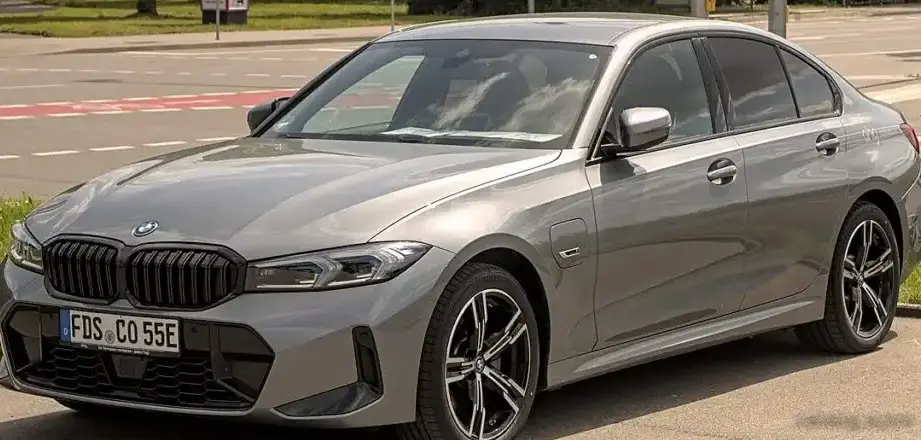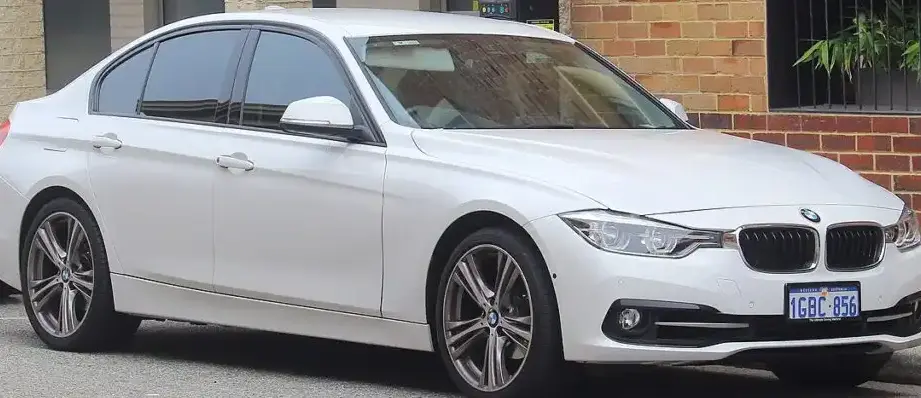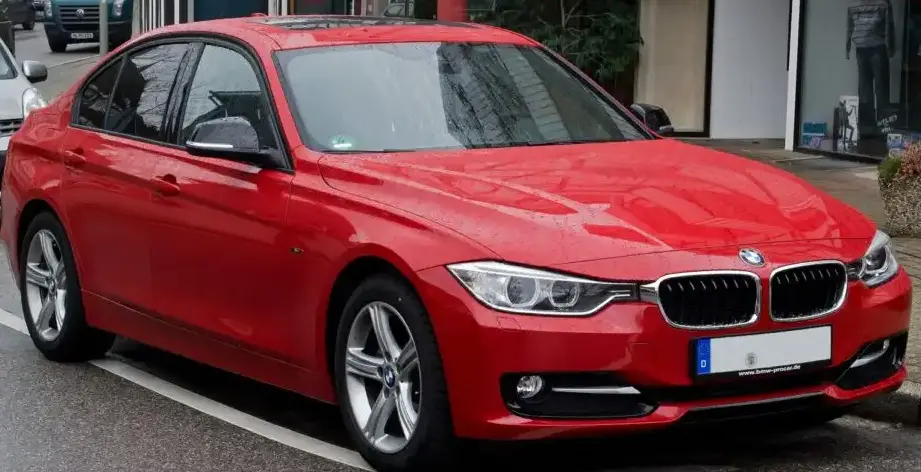
The BMW 3 Series Sedan (F30) 318d, producing 143 horsepower, was a key variant in the sixth generation of BMW’s iconic 3 Series. Introduced in 2012 and continuing through 2015, this model represented BMW’s entry point into the 3 Series range for many European markets, prioritizing fuel efficiency and reasonable running costs. It was positioned as a more economical alternative to the higher-performance 320d and 335i models, appealing to drivers seeking a premium sedan experience without the associated premium price tag or fuel consumption. The F30 chassis, known for its improved rigidity and handling compared to its E90 predecessor, provided a solid foundation for this diesel-powered offering. This particular variant utilized a rear-wheel drive configuration, a hallmark of the 3 Series lineage.
Technical Specifications
| Brand | BMW |
| Model | 3 Series |
| Generation | 3 Series Sedan (F30) |
| Type (Engine) | 318d (143 Hp) |
| Start of production | 2012 |
| End of production | 2015 |
| Powertrain Architecture | Internal Combustion engine |
| Body type | Sedan |
| Seats | 5 |
| Doors | 4 |
| Fuel consumption (urban) | 5.5 l/100 km (42.8 US mpg, 51.4 UK mpg, 18.2 km/l) |
| Fuel consumption (extra urban) | 3.8-3.9 l/100 km (61.9 – 60.3 US mpg, 74.3 – 72.4 UK mpg, 26.3 – 25.6 km/l) |
| Fuel consumption (combined) | 4.4-4.5 l/100 km (53.5 – 52.3 US mpg, 64.2 – 62.8 UK mpg, 22.7 – 22.2 km/l) |
| CO2 emissions | 116-118 g/km |
| Fuel Type | Diesel |
| Acceleration 0 – 100 km/h | 9 sec |
| Acceleration 0 – 62 mph | 9 sec |
| Acceleration 0 – 60 mph | 8.6 sec |
| Maximum speed | 212 km/h (131.73 mph) |
| Emission standard | Euro 5 |
| Weight-to-power ratio | 9.9 kg/Hp, 101.4 Hp/tonne |
| Weight-to-torque ratio | 4.4 kg/Nm, 227 Nm/tonne |
| Power | 143 Hp @ 4000 rpm |
| Power per litre | 71.7 Hp/l |
| Torque | 320 Nm @ 1750-2500 rpm (236.02 lb.-ft. @ 1750-2500 rpm) |
| Engine layout | Front, Longitudinal |
| Engine Model/Code | N47D20C |
| Engine displacement | 1995 cm3 (121.74 cu. in.) |
| Number of cylinders | 4 |
| Engine configuration | Inline |
| Cylinder Bore | 84 mm (3.31 in.) |
| Piston Stroke | 90 mm (3.54 in.) |
| Compression ratio | 16.5:1 |
| Number of valves per cylinder | 4 |
| Fuel injection system | Diesel Commonrail |
| Engine aspiration | Twin-power turbo, Intercooler |
| Engine oil capacity | 5.2 l (5.49 US qt | 4.58 UK qt) |
| Coolant | 7 l (7.4 US qt | 6.16 UK qt) |
| Kerb Weight | 1410 kg (3108.52 lbs.) |
| Max. weight | 1960 kg (4321.06 lbs.) |
| Max load | 550 kg (1212.54 lbs.) |
| Trunk (boot) space – minimum | 480 l (16.95 cu. ft.) |
| Fuel tank capacity | 57 l (15.06 US gal | 12.54 UK gal) |
| Max. roof load | 75 kg (165.35 lbs.) |
| Permitted trailer load with brakes (12%) | 1600 kg (3527.4 lbs.) |
| Permitted trailer load without brakes | 745 kg (1642.44 lbs.) |
| Permitted towbar download | 75 kg (165.35 lbs.) |
| Length | 4624 mm (182.05 in.) |
| Width | 1811 mm (71.3 in.) |
| Height | 1429 mm (56.26 in.) |
| Wheelbase | 2810 mm (110.63 in.) |
| Front track | 1543 mm (60.75 in.) |
| Rear (Back) track | 1583 mm (62.32 in.) |
| Ride height (ground clearance) | 140 mm (5.51 in.) |
| Drag coefficient (Cd) | 0.26 |
| Minimum turning circle (turning diameter) | 11.3 m (37.07 ft.) |
| Drivetrain Architecture | Rear wheel drive |
| Number of gears and type of gearbox | 6 gears, manual transmission |
| Front suspension | Independent coil spring |
| Rear suspension | Independent multi-link suspension |
| Front brakes | Ventilated discs |
| Rear brakes | Ventilated discs |
| Assisting systems | ABS (Anti-lock braking system) |
| Steering type | Steering rack and pinion |
| Power steering | Electric Steering |
| Tires size | 205/60 R16 92W; 225/55 R16; 225/50 R17; 255/45 R17; 225/45 R18; 255/40 R18; 225/40 R19; 255/35 R19 |
| Wheel rims size | 7J x 16; 7.5J x 16; 7.5J x 17; 8.5J x 17; 8J x 18; 8.5J x 18; 8J x 19; 8.5J x 19 |
Powertrain & Engine Architecture
The 318d was powered by the N47D20C, a 2.0-liter inline-four diesel engine. This engine was a cornerstone of BMW’s EfficientDynamics strategy, focusing on maximizing fuel economy and reducing emissions. The N47 series, known for its second-generation common rail direct injection system, delivered precise fuel metering and optimized combustion. The N47D20C featured a single turbocharger with variable geometry turbine (VGT) technology, enhancing low-end torque and responsiveness. The engine’s aluminum alloy cylinder head incorporated four valves per cylinder, contributing to efficient gas exchange. The 6-speed manual transmission was standard, offering a balance between fuel efficiency and driver engagement. While an 8-speed automatic transmission was available as an option, the manual was more common in this base trim level.
Driving Characteristics
The 318d, with its 143 hp and 320 Nm of torque, provided adequate performance for everyday driving. Acceleration from 0-60 mph took approximately 8.6 seconds, making it competitive within its class. However, it was noticeably slower than the 320d and significantly behind the more powerful 335i models. The engine’s peak torque, available from 1750-2500 rpm, ensured strong pulling power in everyday situations, such as overtaking and climbing hills. The manual transmission, while engaging, had relatively long gearing, prioritizing fuel economy over outright acceleration. Compared to the automatic, the manual offered a more connected driving experience, but required more driver involvement. The rear-wheel drive configuration contributed to the 3 Series’ renowned handling balance, providing a responsive and predictable feel.
Equipment & Trim Levels
The 318d typically came with a respectable level of standard equipment, though it was less lavish than the higher-spec models. Standard features included air conditioning, power windows, power mirrors, a basic audio system, and alloy wheels. Interior upholstery was typically cloth, with leather options available at extra cost. Optional extras included a sunroof, navigation system, upgraded audio, parking sensors, and heated seats. Trim levels varied slightly depending on the market, but generally followed a progressive structure, with the 318d representing the entry-level offering.
Chassis & Braking
The F30 3 Series benefited from a significantly stiffer chassis compared to the E90 generation, improving handling and ride comfort. The 318d utilized independent suspension all around – a coil spring setup at the front and a multi-link setup at the rear. Braking was handled by ventilated discs on all four wheels, providing ample stopping power. ABS (Anti-lock Braking System) was standard. The 318d’s relatively lower weight compared to its more powerful siblings contributed to its agility and responsiveness.
Market Reception & Comparison
The 318d was generally well-received by critics as a sensible and economical option within the 3 Series range. It was praised for its fuel efficiency and comfortable ride, but criticized for its relatively modest performance. Compared to the 320d, the 318d offered lower running costs but sacrificed some performance. The 320d, with its higher power output, provided a more engaging driving experience. The 318d’s fuel economy was a key selling point, consistently achieving figures in the range of 50-60 mpg on the combined cycle. Reliability was generally good, although the N47 engine was known to be susceptible to timing chain issues in some cases.
Legacy
The F30 318d remains a popular choice in the used car market, particularly for buyers seeking a reliable and fuel-efficient premium sedan. The N47 engine, despite its potential timing chain issues, has proven to be durable when properly maintained. The 318d’s combination of practicality, comfort, and reasonable running costs continues to appeal to a wide range of drivers. Its position as the entry point to the F30 3 Series range made it accessible to a broader audience, contributing to the model’s overall success.