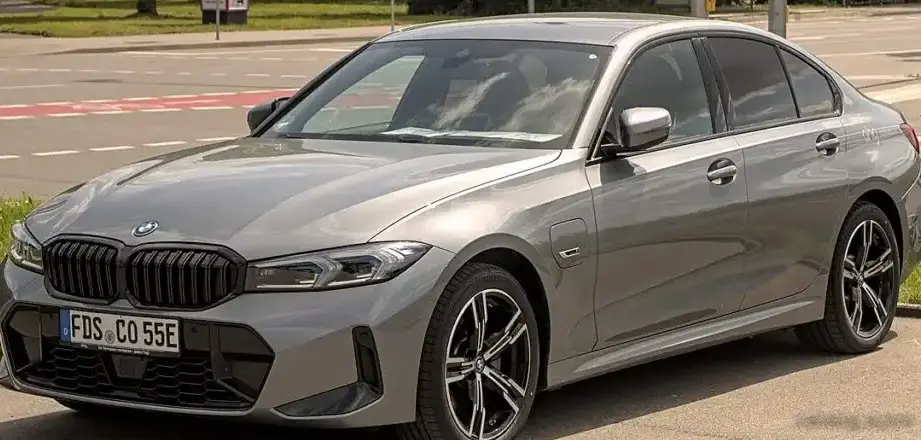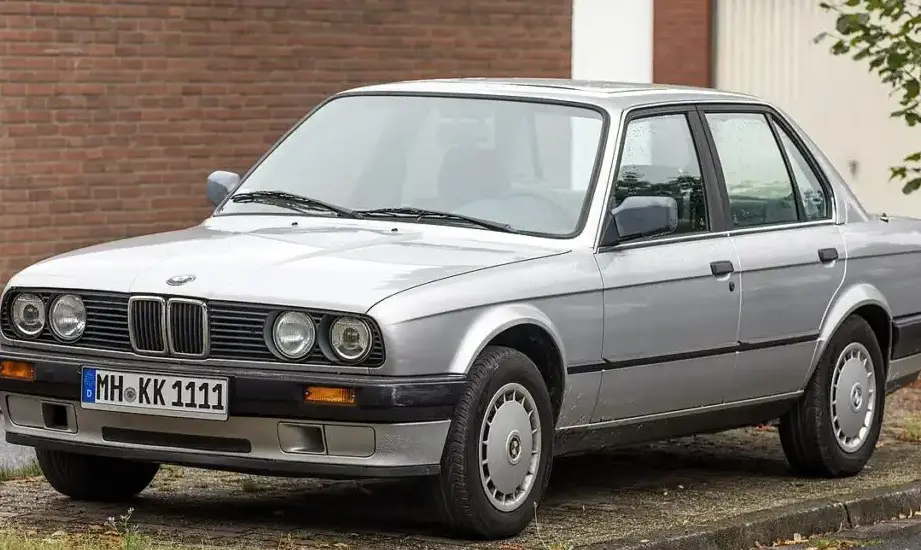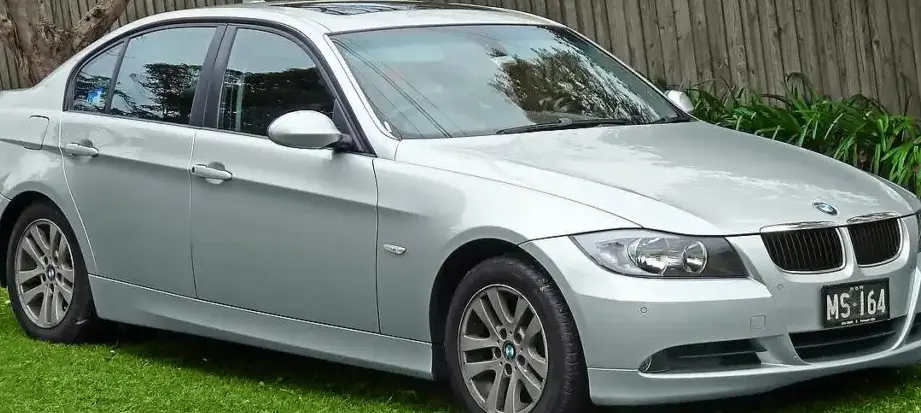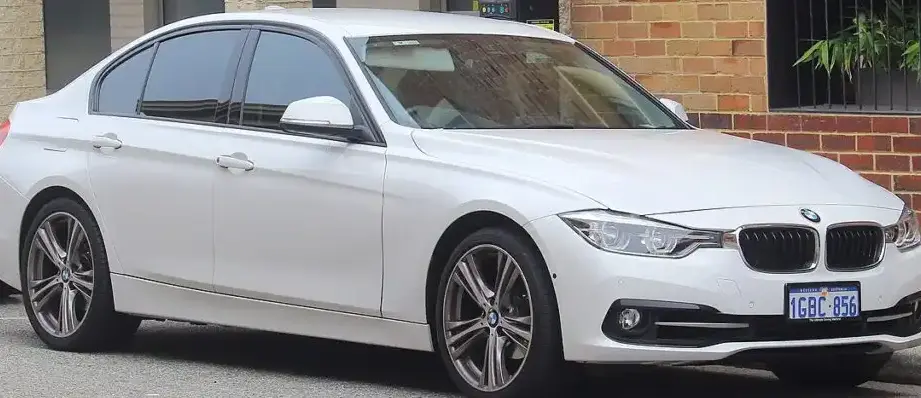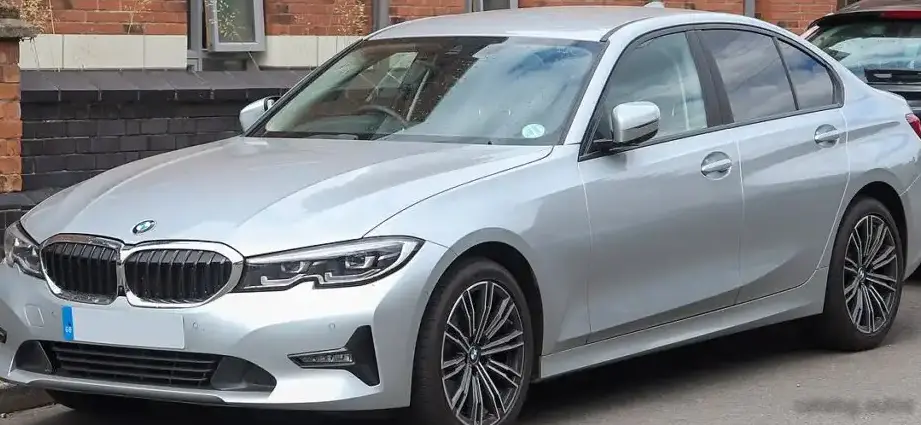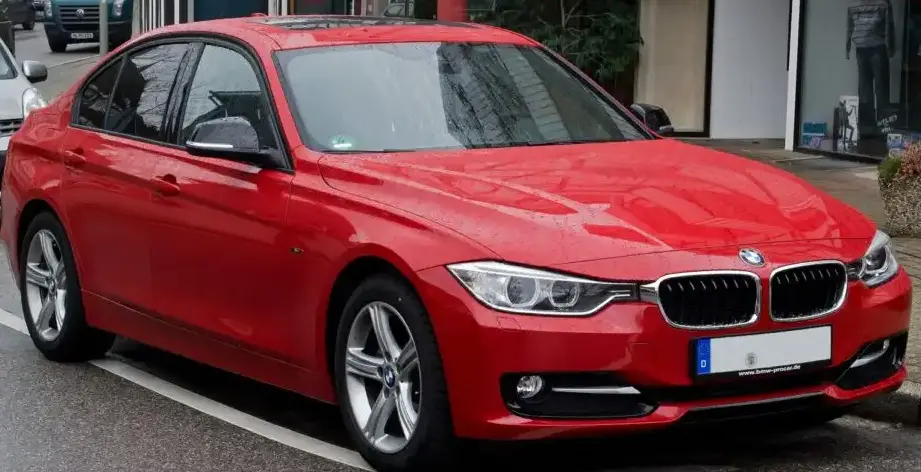
The BMW 3 Series Sedan (F30) 318d xDrive, produced from July 2013 to June 2015, represented an entry point into the sixth generation (F30) of BMW’s iconic 3 Series. This variant combined a 2.0-liter turbocharged diesel engine with BMW’s xDrive all-wheel-drive system and a six-speed manual transmission, offering a balance of efficiency, practicality, and all-weather capability. Positioned as the base diesel model within the F30 range, the 318d xDrive catered to buyers prioritizing fuel economy and confident handling over outright performance. It served as a key model in European markets, where diesel engines held significant popularity, and also found a niche audience in other regions seeking a refined and economical luxury sedan.
Technical Specifications
| Brand | BMW |
| Model | 3 Series |
| Generation | 3 Series Sedan (F30) |
| Type (Engine) | 318d (143 Hp) xDrive |
| Start of production | July, 2013 |
| End of production | June, 2015 |
| Powertrain Architecture | Internal Combustion engine |
| Body type | Sedan |
| Seats | 5 |
| Doors | 4 |
| Fuel consumption (economy) – urban (NEDC) | 5.7-5.9 l/100 km (41.3 – 39.9 US mpg, 49.6 – 47.9 UK mpg, 17.5 – 16.9 km/l) |
| Fuel consumption (economy) – extra urban (NEDC) | 4.1-4.2 l/100 km (57.4 – 56 US mpg, 68.9 – 67.3 UK mpg, 24.4 – 23.8 km/l) |
| Fuel consumption (economy) – combined (NEDC) | 4.7-4.8 l/100 km (50 – 49 US mpg, 60.1 – 58.9 UK mpg, 21.3 – 20.8 km/l) |
| CO2 emissions (NEDC) | 123-127 g/km |
| Fuel Type | Diesel |
| Acceleration 0 – 100 km/h | 9.2 sec |
| Acceleration 0 – 62 mph | 9.2 sec |
| Acceleration 0 – 60 mph | 8.7 sec |
| Maximum speed | 212 km/h (131.73 mph) |
| Emission standard | Euro 5 |
| Weight-to-power ratio | 10.4 kg/Hp, 96 Hp/tonne |
| Weight-to-torque ratio | 4.7 kg/Nm, 214.8 Nm/tonne |
| Power | 143 Hp @ 4000 rpm |
| Power per litre | 71.7 Hp/l |
| Torque | 320 Nm @ 1750-2500 rpm (236.02 lb.-ft. @ 1750-2500 rpm) |
| Engine layout | Front, Longitudinal |
| Engine Model/Code | N47D20C |
| Engine displacement | 1995 cm3 (121.74 cu. in.) |
| Number of cylinders | 4 |
| Engine configuration | Inline |
| Cylinder Bore | 84 mm (3.31 in.) |
| Piston Stroke | 90 mm (3.54 in.) |
| Compression ratio | 16.5:1 |
| Number of valves per cylinder | 4 |
| Fuel injection system | Diesel Commonrail |
| Engine aspiration | Turbocharger, Intercooler |
| Valvetrain | DOHC |
| Engine oil capacity | 5.2 l (5.49 US qt | 4.58 UK qt) |
| Coolant | 7.6 l (8.03 US qt | 6.69 UK qt) |
| Kerb Weight | 1490 kg (3284.89 lbs.) |
| Max. weight | 2030 kg (4475.38 lbs.) |
| Max load | 540 kg (1190.5 lbs.) |
| Trunk (boot) space – minimum | 480 l (16.95 cu. ft.) |
| Fuel tank capacity | 57 l (15.06 US gal | 12.54 UK gal) |
| Max. roof load | 75 kg (165.35 lbs.) |
| Permitted trailer load with brakes (12%) | 1600 kg (3527.4 lbs.) |
| Permitted trailer load without brakes | 745 kg (1642.44 lbs.) |
| Permitted towbar download | 75 kg (165.35 lbs.) |
| Length | 4624 mm (182.05 in.) |
| Width | 1811 mm (71.3 in.) |
| Width including mirrors | 2031 mm (79.96 in.) |
| Height | 1434 mm (56.46 in.) |
| Wheelbase | 2810 mm (110.63 in.) |
| Front track | 1543 mm (60.75 in.) |
| Rear (Back) track | 1583 mm (62.32 in.) |
| Front overhang | 776 mm (30.55 in.) |
| Rear overhang | 1038 mm (40.87 in.) |
| Ride height (ground clearance) | 145 mm (5.71 in.) |
| Drag coefficient (Cd) | 0.27 |
| Minimum turning circle (turning diameter) | 11.7 m (38.39 ft.) |
| Drivetrain Architecture | The Internal combustion engine (ICE) drives permanently the four wheels of the vehicle. |
| Drive wheel | All wheel drive (4×4) |
| Number of gears and type of gearbox | 6 gears, manual transmission |
| Front suspension | Spring Strut, Transverse stabilizer |
| Rear suspension | Independent multi-link spring suspension with stabilizer |
| Front brakes | Ventilated discs |
| Rear brakes | Ventilated discs |
| Assisting systems | ABS (Anti-lock braking system) |
| Steering type | Steering rack and pinion |
| Power steering | Electric Steering |
| Tires size | Front wheel tires: 205/60 R16; 225/50 R17; 225/45 R18; 225/40 R19Rear wheel tires: 205/60 R16; 225/50 R17; 225/45 R18; 255/40 R18; 255/35 R19 |
| Wheel rims size | Front wheel rims: 7J x 16; 7.5J x 17; 8J x 18; 8J x 19Rear wheel rims: 7J x 16; 7.5J x 17; 8J x 18; 8.5J x 18; 8.5J x 19 |
Powertrain & Engine Architecture
The heart of the 318d xDrive was the N47D20C engine, a 2.0-liter inline-four cylinder diesel. This engine was a cornerstone of BMW’s EfficientDynamics strategy, prioritizing fuel efficiency and reduced emissions. The N47 featured common-rail direct injection, delivering fuel at extremely high pressure for optimized combustion. A single turbocharger with an intercooler boosted power output, providing 143 horsepower at 4,000 rpm and 320 Nm (236 lb-ft) of torque between 1,750 and 2,500 rpm. The engine utilized a double overhead camshaft (DOHC) valvetrain with four valves per cylinder. The six-speed manual transmission offered precise gear changes and contributed to the car’s engaging driving experience. The xDrive all-wheel-drive system employed a multi-plate clutch to distribute torque between the front and rear axles, enhancing traction and stability in various conditions.
Driving Characteristics
The 318d xDrive offered a comfortable and refined driving experience. While not as overtly sporty as higher-powered 3 Series variants, the 318d provided ample torque for everyday driving and confident highway cruising. The turbocharger minimized turbo lag, delivering a responsive feel. The six-speed manual transmission allowed drivers to maintain optimal engine speed for efficient acceleration. Compared to the 320d or 328i models, the 318d felt less urgent in its acceleration, taking approximately 9.2 seconds to reach 62 mph. However, its fuel economy advantage was significant, making it an attractive option for drivers prioritizing efficiency. The xDrive system provided enhanced grip and stability, particularly in inclement weather, making it a more secure option than rear-wheel-drive counterparts.
Equipment & Trim Levels
The 318d xDrive typically came standard with features such as automatic climate control, a multi-function steering wheel, power windows and mirrors, and a basic audio system. Upholstery was generally cloth, though leather options were available. Optional extras included a premium sound system, navigation system, sunroof, and various driver assistance features like parking sensors and lane departure warning. Trim levels varied by market, but generally offered packages that bundled popular options together. The interior design followed BMW’s contemporary aesthetic, with a driver-focused cockpit and high-quality materials.
Chassis & Braking
The F30 3 Series utilized a MacPherson strut front suspension and a multi-link rear suspension, providing a good balance of ride comfort and handling precision. The 318d xDrive’s suspension was tuned to prioritize comfort, resulting in a slightly softer ride compared to sportier variants. Braking duties were handled by ventilated disc brakes on all four wheels, providing ample stopping power. The car was equipped with ABS (Anti-lock Braking System) and electronic stability control, enhancing safety. The weight distribution, aided by the xDrive system, contributed to balanced handling characteristics.
Market Reception & Comparison
The 318d xDrive was generally well-received by automotive critics, who praised its fuel efficiency, comfortable ride, and all-weather capability. However, some reviewers noted that its performance was not as exhilarating as that of higher-powered 3 Series models. Compared to the 320d, the 318d offered a lower price point but sacrificed some performance. Against competitors like the Audi A4 and Mercedes-Benz C-Class, the 318d xDrive held its own in terms of refinement and driving dynamics, while often offering a more competitive fuel economy figure.
Legacy
The N47 engine, while generally reliable, has been known to exhibit timing chain issues in some cases, requiring preventative maintenance or eventual replacement. The xDrive system has proven to be durable and effective. Today, the F30 318d xDrive represents a relatively affordable entry point into BMW ownership. Well-maintained examples continue to offer a compelling combination of practicality, efficiency, and driving enjoyment. Its reputation for reliability, coupled with BMW’s brand cachet, ensures continued demand in the used car market.