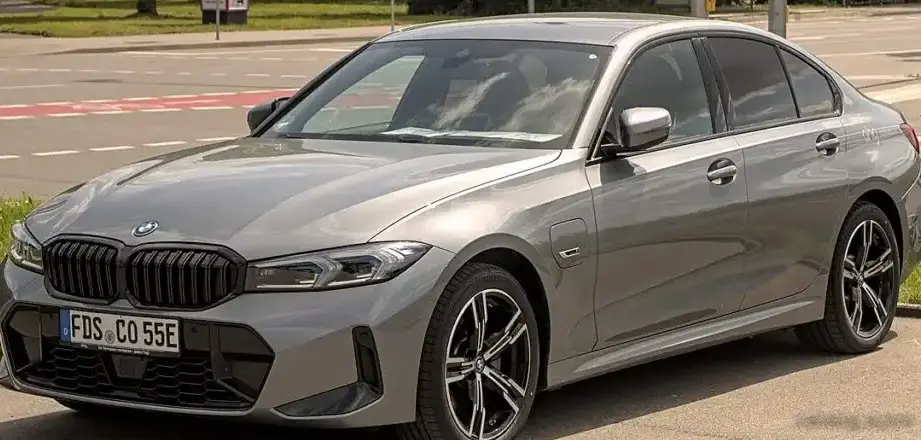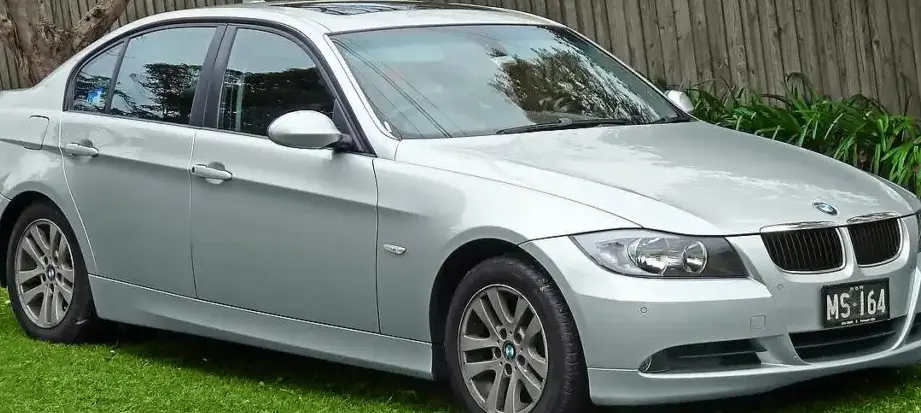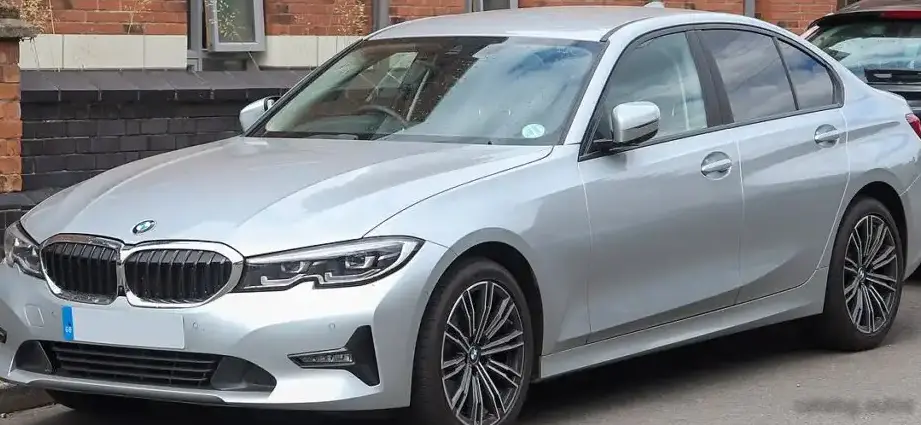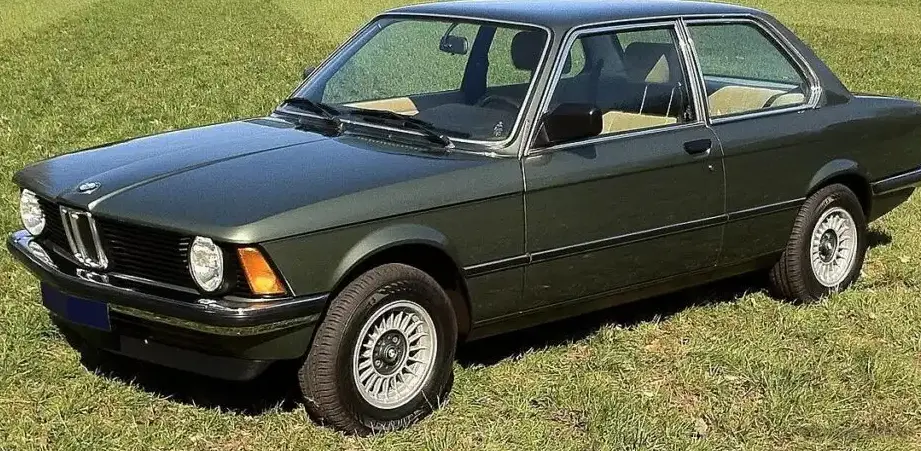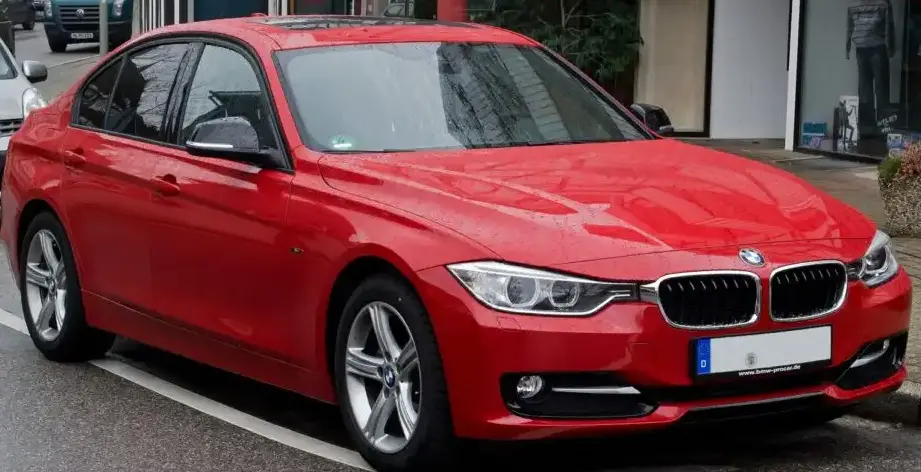
The BMW 3 Series Sedan (F30) 320i, producing 184 horsepower, was a key model in BMW’s lineup from 2012 to 2015. Representing the sixth generation of the iconic 3 Series, the F30 aimed to blend sporty handling with improved fuel efficiency and modern technology. The 320i variant served as the entry point into the F30 range, offering a balance between performance and affordability. It was positioned below the more powerful 328i and 335i models, targeting buyers seeking a premium sedan experience without the higher price tag of its siblings. This model played a significant role in maintaining the 3 Series’ reputation as a benchmark for compact executive cars in the North American and European markets.
Technical Specifications
| Brand | BMW |
| Model | 3 Series |
| Generation | 3 Series Sedan (F30) |
| Type (Engine) | 320i (184 Hp) |
| Start of production | 2012 |
| End of production | 2015 |
| Powertrain Architecture | Internal Combustion engine |
| Body type | Sedan |
| Seats | 5 |
| Doors | 4 |
| Fuel consumption (urban) | 8.2-8.4 l/100 km (28.7 – 28 US mpg, 34.4 – 33.6 UK mpg, 12.2 – 11.9 km/l) |
| Fuel consumption (extra urban) | 4.9-5.0 l/100 km (48 – 47 US mpg, 57.6 – 56.5 UK mpg, 20.4 – 20 km/l) |
| Fuel consumption (combined) | 6.1-6.3 l/100 km (38.6 – 37.3 US mpg, 46.3 – 44.8 UK mpg, 16.4 – 15.9 km/l) |
| CO2 emissions | 144-147 g/km |
| Fuel Type | Petrol (Gasoline) |
| Acceleration 0 – 100 km/h | 7.3 sec |
| Acceleration 0 – 62 mph | 7.3 sec |
| Acceleration 0 – 60 mph | 6.9 sec |
| Maximum speed | 235 km/h (146.02 mph) |
| Emission standard | Euro 5 |
| Weight-to-power ratio | 7.6 kg/Hp, 131.4 Hp/tonne |
| Weight-to-torque ratio | 5.2 kg/Nm, 192.9 Nm/tonne |
| Power | 184 Hp @ 5000 rpm |
| Torque | 270 Nm @ 1250-4500 rpm (199.14 lb.-ft. @ 1250-4500 rpm) |
| Engine layout | Front, Longitudinal |
| Engine Model/Code | N20B20B |
| Engine displacement | 1997 cm3 (121.86 cu. in.) |
| Number of cylinders | 4 |
| Engine configuration | Inline |
| Cylinder Bore | 84 mm (3.31 in.) |
| Piston Stroke | 90.1 mm (3.55 in.) |
| Compression ratio | 11:1 |
| Number of valves per cylinder | 4 |
| Fuel injection system | Direct injection |
| Engine aspiration | Twin-power turbo, Intercooler |
| Engine oil capacity | 5 l (5.28 US qt | 4.4 UK qt) |
| Coolant | 6.7 l (7.08 US qt | 5.9 UK qt) |
| Kerb Weight | 1400 kg (3086.47 lbs.) |
| Max. weight | 1950 kg (4299.01 lbs.) |
| Max load | 550 kg (1212.54 lbs.) |
| Trunk (boot) space – minimum | 480 l (16.95 cu. ft.) |
| Fuel tank capacity | 60 l (15.85 US gal | 13.2 UK gal) |
| Max. roof load | 75 kg (165.35 lbs.) |
| Permitted trailer load with brakes (12%) | 1600 kg (3527.4 lbs.) |
| Permitted trailer load without brakes | 695 kg (1532.21 lbs.) |
| Permitted towbar download | 75 kg (165.35 lbs.) |
| Length | 4624 mm (182.05 in.) |
| Width | 1811 mm (71.3 in.) |
| Height | 1429 mm (56.26 in.) |
| Wheelbase | 2810 mm (110.63 in.) |
| Front track | 1543 mm (60.75 in.) |
| Rear (Back) track | 1583 mm (62.32 in.) |
| Ride height (ground clearance) | 140 mm (5.51 in.) |
| Drag coefficient (Cd) | 0.29 |
| Minimum turning circle (turning diameter) | 11.3 m (37.07 ft.) |
| Drivetrain Architecture | The Internal combustion engine (ICE) drives the rear wheels of the vehicle. |
| Drive wheel | Rear wheel drive |
| Number of gears and type of gearbox | 6 gears, manual transmission |
| Front suspension | Independent coil spring |
| Rear suspension | Independent multi-link suspension |
| Front brakes | Ventilated discs |
| Rear brakes | Ventilated discs |
| Assisting systems | ABS (Anti-lock braking system) |
| Steering type | Steering rack and pinion |
| Power steering | Electric Steering |
| Tires size | 205/60 R16 92W; 225/55 R16; 225/50 R17; 255/45 R17; 225/45 R18; 255/40 R18; 225/40 R19; 255/35 R19 |
| Wheel rims size | 7J x 16; 7.5J x 16; 7.5J x 17; 8.5J x 17; 8J x 18; 8.5J x 18; 8J x 19; 8.5J x 19 |
Powertrain & Engine Architecture
The heart of the 320i was the N20B20B 2.0-liter inline-four cylinder engine. This engine was a significant departure from the naturally aspirated engines of previous 3 Series generations, embracing forced induction with a single twin-scroll turbocharger. Direct fuel injection, combined with variable valve timing (Double-VANOS) and variable valve lift (Valvetronic), optimized both power delivery and fuel efficiency. The N20 engine produced 184 horsepower at 5,000 rpm and 270 Nm (199 lb-ft) of torque available from a low 1,250 rpm, providing a broad and usable powerband. The engine’s architecture was designed for modularity, allowing for easy adaptation to different power outputs and vehicle applications within the BMW range. The 320i was typically equipped with a six-speed manual transmission, but an eight-speed automatic transmission was also available as an option, offering smoother shifts and improved fuel economy.
Driving Characteristics
The 320i, with its 184 hp and the available automatic transmission, offered a comfortable and refined driving experience. While not as overtly sporty as the 328i or 335i, it provided ample power for everyday driving and highway cruising. The automatic transmission, while smooth, did slightly diminish the sense of engagement compared to the manual version. Acceleration from 0 to 60 mph took around 6.9 seconds, respectable for the segment but noticeably slower than the more powerful variants. The engine’s strong low-end torque made it easy to navigate city traffic, and the turbocharger provided a noticeable boost in power when needed. The F30 320i prioritized ride comfort and fuel efficiency over outright performance, making it a practical choice for daily commuting and long-distance travel.
Equipment & Trim Levels
The 320i typically came standard with features such as automatic climate control, power windows and locks, a multi-function steering wheel, and a basic audio system. Upholstery was generally cloth, although leatherette or full leather options were available. Optional extras included a premium sound system, navigation system, sunroof, heated seats, and various driver-assistance features like parking sensors and lane departure warning. Trim levels varied depending on the market, but generally offered packages that bundled popular options together. The base 320i was a well-equipped vehicle, but buyers could customize their cars with a wide range of options to suit their individual preferences.
Chassis & Braking
The F30 3 Series featured a sophisticated chassis design with a MacPherson strut front suspension and a multi-link rear suspension. This setup provided a good balance between ride comfort and handling precision. The 320i typically came equipped with ventilated disc brakes on all four wheels, providing ample stopping power. Anti-lock braking system (ABS) was standard, along with electronic stability control (ESC). The suspension tuning was slightly softer on the 320i compared to the higher-performance models, prioritizing comfort over ultimate handling capability. The steering was precise and well-weighted, providing good feedback to the driver.
Market Reception & Comparison
The F30 320i was generally well-received by automotive critics. It was praised for its refined driving experience, fuel efficiency, and comfortable interior. However, some critics noted that it lacked the outright performance of its more powerful siblings. Compared to the 328i, the 320i offered a more affordable entry point into the 3 Series range, but at the cost of some performance. The 320d (diesel) variant offered similar fuel economy with slightly more torque, but the gasoline 320i was favored by those who preferred the responsiveness of a petrol engine. In terms of reliability, the N20 engine proved to be generally robust, although some owners reported issues with the timing chain and oil leaks.
Legacy
The F30 320i remains a popular choice in the used car market today. Its combination of practicality, fuel efficiency, and BMW’s renowned driving dynamics makes it an attractive option for buyers seeking a premium compact sedan. The N20 engine, while not without its potential issues, is generally considered reliable with proper maintenance. Parts availability is good, and repair costs are reasonable. The F30 320i represents a significant step forward in terms of technology and efficiency compared to previous generations of the 3 Series, and it continues to offer a compelling driving experience for its price point.