Technical Specifications
| Brand | BMW |
| Model | 3 Series |
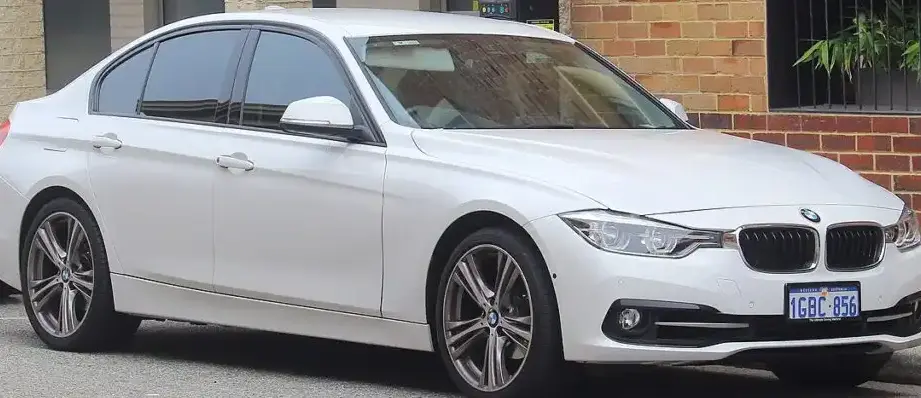
| Generation | 3 Series Sedan (F30) |
| Type (Engine) | 320i (184 Hp) xDrive |
| Start of production | 2012 |
| End of production | 2015 |
| Powertrain Architecture | Internal Combustion engine |
| Body type | Sedan |
| Seats | 5 |
| Doors | 4 |
| Fuel consumption (urban) | 8.8 l/100 km (26.7 US mpg, 32.1 UK mpg, 11.4 km/l) |
| Fuel consumption (extra urban) | 5.6 l/100 km (42 US mpg, 50.4 UK mpg, 17.9 km/l) |
| Fuel consumption (combined) | 6.8 l/100 km (34.6 US mpg, 41.5 UK mpg, 14.7 km/l) |
| CO2 emissions | 158-159 g/km |
| Fuel Type | Petrol (Gasoline) |
| Acceleration 0 – 100 km/h | 7.4 sec |
| Acceleration 0 – 62 mph | 7.4 sec |
| Acceleration 0 – 60 mph | 7 sec |
| Maximum speed | 232 km/h (144.16 mph) |
| Emission standard | Euro 5 |
| Weight-to-power ratio | 8 kg/Hp, 125.2 Hp/tonne |
| Weight-to-torque ratio | 5.4 kg/Nm, 183.7 Nm/tonne |
| Power | 184 Hp @ 5000 rpm |
| Torque | 270 Nm @ 1250-4500 rpm (199.14 lb.-ft. @ 1250-4500 rpm) |
| Engine layout | Front, Longitudinal |
| Engine Model/Code | N20B20B |
| Engine displacement | 1997 cm3 (121.86 cu. in.) |
| Number of cylinders | 4 |
| Engine configuration | Inline |
| Cylinder Bore | 84 mm (3.31 in.) |
| Piston Stroke | 90.1 mm (3.55 in.) |
| Compression ratio | 11:1 |
| Number of valves per cylinder | 4 |
| Fuel injection system | Direct injection |
| Engine aspiration | Twin-power turbo, Intercooler |
| Engine oil capacity | 5 l (5.28 US qt | 4.4 UK qt) |
| Coolant | 6.7 l (7.08 US qt | 5.9 UK qt) |
| Kerb Weight | 1470 kg (3240.8 lbs.) |
| Max. weight | 2010 kg (4431.29 lbs.) |
| Max load | 540 kg (1190.5 lbs.) |
| Trunk (boot) space – minimum | 480 l (16.95 cu. ft.) |
| Fuel tank capacity | 60 l (15.85 US gal | 13.2 UK gal) |
| Max. roof load | 75 kg (165.35 lbs.) |
| Permitted trailer load with brakes (12%) | 1700 kg (3747.86 lbs.) |
| Permitted trailer load without brakes | 750 kg (1653.47 lbs.) |
| Permitted towbar download | 75 kg (165.35 lbs.) |
| Length | 4624 mm (182.05 in.) |
| Width | 1811 mm (71.3 in.) |
| Height | 1434 mm (56.46 in.) |
| Wheelbase | 2810 mm (110.63 in.) |
| Front track | 1543 mm (60.75 in.) |
| Rear (Back) track | 1582 mm (62.28 in.) |
| Ride height (ground clearance) | 145 mm (5.71 in.) |
| Drag coefficient (Cd) | 0.29 |
| Minimum turning circle (turning diameter) | 11.7 m (38.39 ft.) |
| Drive wheel | All wheel drive (4×4) |
| Number of gears and type of gearbox | 6 gears, manual transmission |
| Front suspension | Independent coil spring |
| Rear suspension | Independent multi-link suspension |
| Front brakes | Ventilated discs |
| Rear brakes | Ventilated discs |
| Assisting systems | ABS (Anti-lock braking system) |
| Steering type | Steering rack and pinion |
| Power steering | Electric Steering |
| Tires size | 205/60 R16 92V; 225/55 R16; 225/50 R17; 255/45 R17; 225/45 R18; 255/40 R18; 225/40 R19; 255/35 R19 |
| Wheel rims size | 7J x 16; 7.5J x 16; 7.5J x 17; 8.5J x 17; 8J x 18; 8.5J x 18; 8J x 19; 8.5J x 19 |
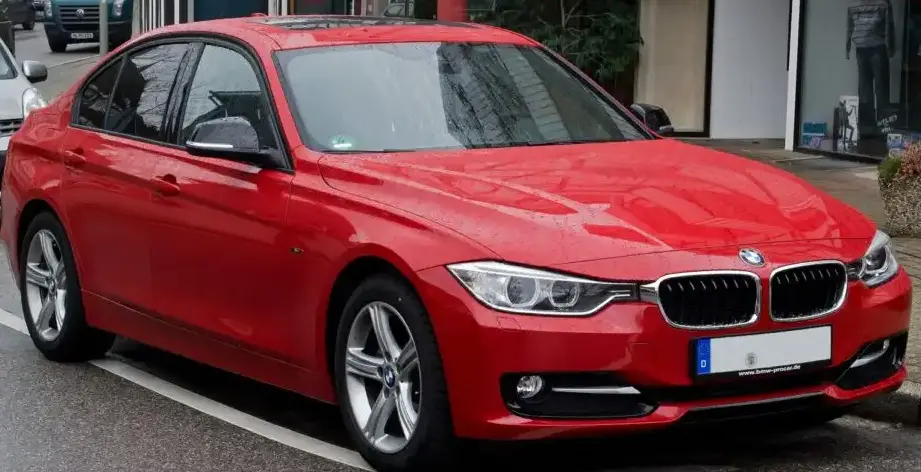
The F30 generation BMW 3 Series, launched in 2012, marked a significant evolution for the brand’s best-selling model. The 320i xDrive, specifically, was introduced as a compelling option for buyers prioritizing all-weather traction and a refined driving experience. It utilized the F30 platform (internally known as 1HX0), which brought improvements in weight reduction, chassis rigidity, and interior space compared to its E90 predecessor. The xDrive system, BMW’s branded all-wheel-drive technology, was a key differentiator, providing enhanced stability and grip in adverse conditions. This model was primarily aimed at the North American and European markets, where demand for all-wheel-drive vehicles is consistently high.
Powertrain & Engine Architecture
At the heart of the 320i xDrive lay the N20B20B 2.0-liter inline-four cylinder engine. This engine was a cornerstone of BMW’s new modular engine family, featuring direct fuel injection, a single twin-scroll turbocharger, and variable valve timing (VANOS) on both the intake and exhaust camshafts. The N20 engine produced 184 horsepower at 5,000 rpm and 270 Nm (199 lb-ft) of torque between 1,250 and 4,500 rpm. This broad torque curve provided good responsiveness in everyday driving situations. The engine’s direct injection system, operating at pressures up to 200 bar, ensured efficient combustion and reduced emissions. The 320i xDrive was typically paired with an 8-speed automatic transmission (ZF 8HP), known for its smooth shifts and efficiency. This transmission offered both automatic and manual shift modes, allowing drivers to tailor the driving experience to their preferences.
Driving Characteristics
The 320i xDrive offered a comfortable and composed driving experience. While not as overtly sporty as the 328i or 335i, it provided ample power for everyday commuting and highway cruising. The xDrive all-wheel-drive system distributed power between the front and rear axles as needed, enhancing traction and stability, particularly in wet or snowy conditions. The 8-speed automatic transmission contributed to smooth acceleration and efficient cruising. Compared to the 6-speed manual transmission available on some 320i models, the automatic offered greater convenience and refinement. The gear ratios were optimized for both fuel economy and performance, with a relatively tall final drive ratio contributing to lower engine speeds at highway speeds. The steering was precise and well-weighted, providing good feedback to the driver.
Equipment & Trim Levels
The 320i xDrive came standard with a respectable level of equipment. Standard features typically included automatic climate control, power-adjustable front seats, a BMW iDrive infotainment system with a 6.5-inch display screen, and a premium sound system. Safety features such as ABS, stability control, and multiple airbags were also standard. Optional extras included a larger iDrive display screen, navigation system, leather upholstery, heated front seats, a sunroof, and a variety of driver-assistance systems like lane departure warning and collision warning. Interior upholstery was typically cloth, with leatherette or full leather available as upgrades. The dashboard layout was clean and modern, with a focus on ergonomics and ease of use.
Chassis & Braking
The F30 3 Series featured a sophisticated chassis design. The front suspension utilized MacPherson struts, while the rear suspension employed a multi-link setup. This configuration provided a good balance between ride comfort and handling precision. The 320i xDrive typically came equipped with ventilated disc brakes on all four wheels, providing ample stopping power. ABS (Anti-lock Braking System) was standard, along with electronic brake-force distribution and brake assist. The xDrive all-wheel-drive system added to the vehicle’s stability during braking, particularly on slippery surfaces. Stabilizer bars were fitted to both the front and rear axles to reduce body roll during cornering.
Market Reception & Comparison
The 320i xDrive was generally well-received by automotive critics. It was praised for its comfortable ride, refined interior, and all-weather capability. However, some reviewers noted that its performance was not as exhilarating as that of the more powerful 328i or 335i models. Fuel economy was considered to be good for its class, averaging around 34.6 US mpg in combined driving. Compared to the rear-wheel-drive 320i, the xDrive model offered superior traction and stability, but at a slight penalty in fuel economy and weight. The 328i, with its more powerful engine, provided significantly quicker acceleration and a more engaging driving experience, but came at a higher price point.
Legacy
The N20 engine, found in the 320i xDrive, proved to be a reliable and durable powerplant when properly maintained. However, some early N20 engines were known to experience issues with the timing chain and water pump, so regular maintenance and inspection are crucial. The 8-speed automatic transmission has also proven to be very reliable. Today, the F30 320i xDrive represents a good value on the used car market, offering a blend of luxury, performance, and all-weather capability at an affordable price. Its reputation for reliability, combined with BMW’s strong brand image, ensures continued demand for this model in the years to come.