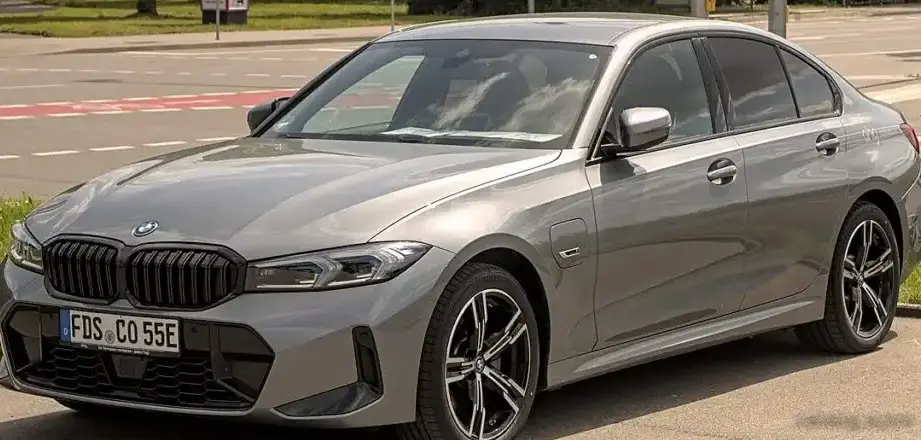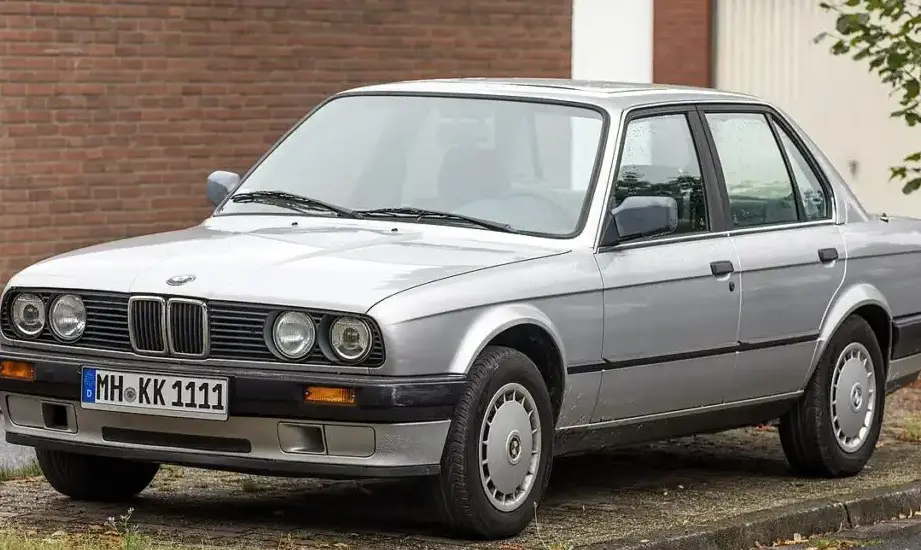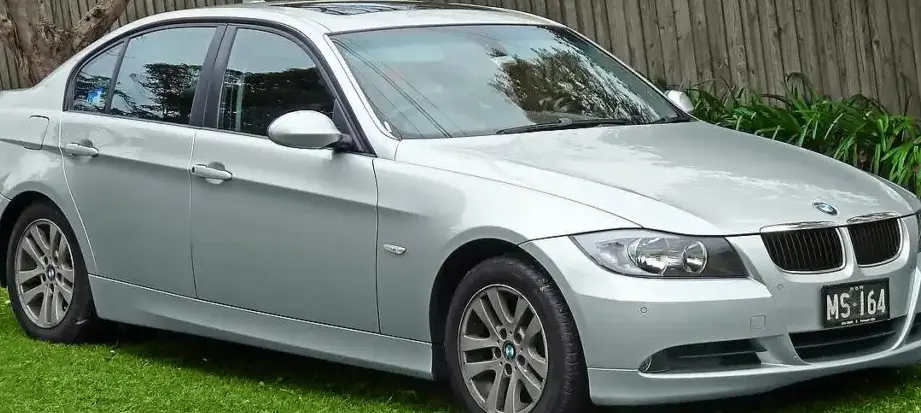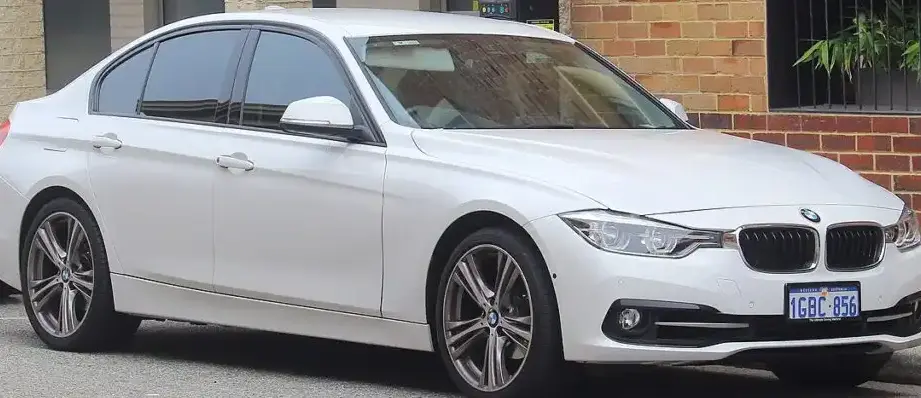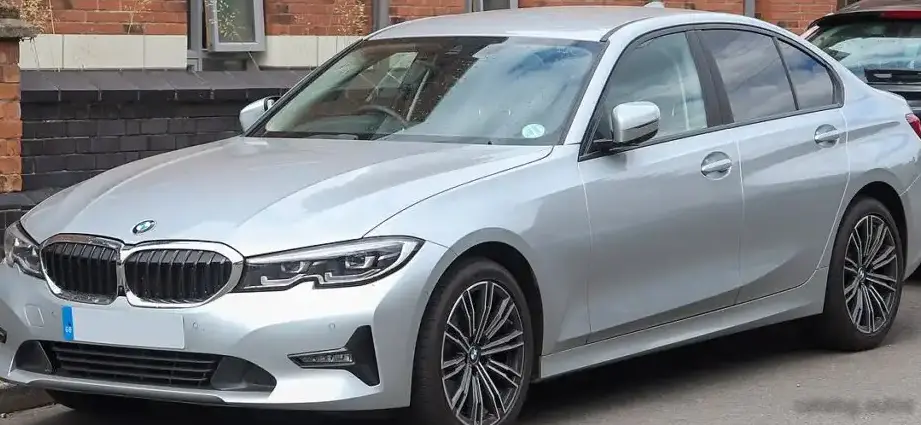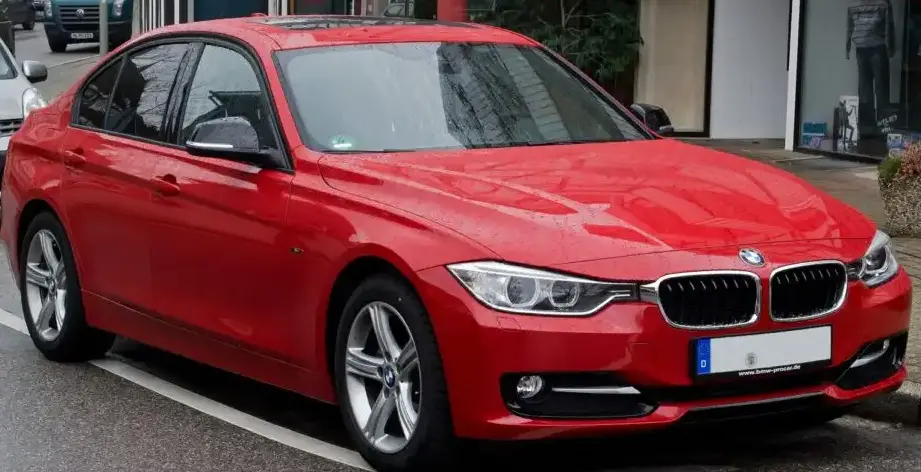
The BMW 3 Series Sedan (F30) 325d, produced from 2013 to 2015, represented a significant offering in the premium compact executive car segment. Positioned as a mid-range diesel variant within the broader F30 3 Series lineup, it aimed to balance performance, fuel efficiency, and refinement. The F30 generation, launched in 2012, marked a departure from its predecessor (E90) with a focus on improved driving dynamics and a more modern interior. The 325d specifically targeted buyers seeking the benefits of diesel power – strong torque and excellent economy – without necessarily requiring the outright performance of the higher-output 335i models.
Technical Specifications
| Brand | BMW |
| Model | 3 Series |
| Generation | 3 Series Sedan (F30) |
| Type (Engine) | 325d (218 Hp) |
| Start of production | 2013 |
| End of production | 2015 |
| Powertrain Architecture | Internal Combustion engine |
| Body type | Sedan |
| Seats | 5 |
| Doors | 4 |
| Fuel consumption (economy) – urban | 6.2 l/100 km (37.9 US mpg, 45.6 UK mpg, 16.1 km/l) |
| Fuel consumption (economy) – extra urban | 4.2 l/100 km (56 US mpg, 67.3 UK mpg, 23.8 km/l) |
| Fuel consumption (economy) – combined | 4.9 l/100 km (48 US mpg, 57.6 UK mpg, 20.4 km/l) |
| CO2 emissions | 129 g/km |
| Fuel Type | Diesel |
| Acceleration 0 – 100 km/h | 6.8 sec |
| Acceleration 0 – 62 mph | 6.8 sec |
| Acceleration 0 – 60 mph | 6.5 sec |
| Maximum speed | 245 km/h (152.24 mph) |
| Emission standard | Euro 5 |
| Weight-to-power ratio | 6.8 kg/Hp, 147.8 Hp/tonne |
| Weight-to-torque ratio | 3.3 kg/Nm, 305.1 Nm/tonne |
| Power | 218 Hp @ 4400 rpm |
| Power per litre | 109.3 Hp/l |
| Torque | 450 Nm @ 1500-2500 rpm (331.9 lb.-ft. @ 1500-2500 rpm) |
| Engine layout | Front, Longitudinal |
| Engine Model/Code | N47D20D |
| Engine displacement | 1995 cm3 (121.74 cu. in.) |
| Number of cylinders | 4 |
| Engine configuration | Inline |
| Cylinder Bore | 84 mm (3.31 in.) |
| Piston Stroke | 90 mm (3.54 in.) |
| Compression ratio | 16.5:1 |
| Number of valves per cylinder | 4 |
| Fuel injection system | Diesel Commonrail |
| Engine aspiration | Twin-power turbo, Intercooler |
| Engine oil capacity | 5.2 l (5.49 US qt | 4.58 UK qt) |
| Coolant | 7 l (7.4 US qt | 6.16 UK qt) |
| Kerb Weight | 1475 kg (3251.82 lbs.) |
| Max. weight | 2025 kg (4464.36 lbs.) |
| Max load | 550 kg (1212.54 lbs.) |
| Trunk (boot) space – minimum | 480 l (16.95 cu. ft.) |
| Fuel tank capacity | 57 l (15.06 US gal | 12.54 UK gal) |
| Max. roof load | 75 kg (165.35 lbs.) |
| Permitted trailer load with brakes (12%) | 1800 kg (3968.32 lbs.) |
| Permitted trailer load without brakes | 750 kg (1653.47 lbs.) |
| Permitted towbar download | 75 kg (165.35 lbs.) |
| Length | 4624 mm (182.05 in.) |
| Width | 1811 mm (71.3 in.) |
| Height | 1429 mm (56.26 in.) |
| Wheelbase | 2810 mm (110.63 in.) |
| Front track | 1531 mm (60.28 in.) |
| Rear (Back) track | 1572 mm (61.89 in.) |
| Ride height (ground clearance) | 140 mm (5.51 in.) |
| Drag coefficient (Cd) | 0.29 |
| Minimum turning circle (turning diameter) | 11.3 m (37.07 ft.) |
| Drivetrain Architecture | The Internal combustion engine (ICE) drives the rear wheels of the vehicle. |
| Drive wheel | Rear wheel drive |
| Number of gears and type of gearbox | 6 gears, manual transmission |
| Front suspension | Independent coil spring |
| Rear suspension | Independent multi-link suspension |
| Front brakes | Ventilated discs |
| Rear brakes | Ventilated discs |
| Assisting systems | ABS (Anti-lock braking system) |
| Steering type | Steering rack and pinion |
| Power steering | Electric Steering |
| Tires size | 225/50 R17 94W |
| Wheel rims size | 7.5J x 17 |
Powertrain & Engine Architecture
The heart of the 325d is the BMW N47D20D engine, a 2.0-liter inline-four cylinder diesel. This engine was a cornerstone of BMW’s EfficientDynamics strategy, focusing on maximizing fuel economy and reducing emissions. The N47 featured a second-generation common rail direct injection system, operating at pressures up to 1800 bar, for precise fuel delivery and optimized combustion. A single twin-scroll turbocharger with variable geometry turbine (VGT) technology provided a broad torque curve and minimized turbo lag. The engine also incorporated an intercooler to further enhance performance. The 325d was equipped with a six-speed manual transmission, delivering power to the rear wheels. The manual gearbox was chosen to provide a more engaging driving experience, and to keep the cost down compared to the optional eight-speed automatic.
Driving Characteristics
The 325d offered a compelling blend of performance and efficiency. While not as overtly sporty as the gasoline-powered 335i, the 325d’s 450 Nm (331.9 lb-ft) of torque, available from a low 1500 rpm, provided strong acceleration in everyday driving situations. The six-speed manual transmission allowed for precise gear selection, and the engine felt responsive throughout its rev range. Compared to the 320d, the 325d offered a noticeable power increase, resulting in quicker acceleration and more confident overtaking. However, the 335i, with its inline-six engine, provided a significantly more powerful and refined driving experience. The 325d’s suspension tuning prioritized comfort and stability, offering a composed ride quality even on less-than-perfect road surfaces.
Equipment & Trim Levels
The 325d typically came well-equipped, reflecting its position as a mid-range model. Standard features included automatic climate control, a BMW Professional radio system, power windows and mirrors, and alloy wheels. Interior upholstery was typically cloth, although leather options were available. Optional extras included a navigation system, upgraded audio systems (Harman Kardon), a sunroof, and parking sensors. The Sport Line package added more aggressive styling cues, including unique alloy wheels, sport seats, and black exterior trim. The Luxury Line offered a more refined aesthetic with chrome accents and wood interior trim.
Chassis & Braking
The F30 3 Series utilized a lightweight chassis construction, incorporating high-strength steel and aluminum components. The front suspension featured independent coil springs and struts, while the rear suspension employed a multi-link setup. This configuration provided a good balance between ride comfort and handling precision. The 325d was equipped with ventilated disc brakes on all four wheels, providing ample stopping power. Anti-lock braking system (ABS) and electronic stability control (ESC) were standard safety features.
Market Reception & Comparison
The 325d was generally well-received by automotive critics. It was praised for its fuel efficiency, strong torque, and comfortable ride. However, some reviewers noted that the engine could be somewhat noisy compared to its gasoline counterparts. Compared to the 320d, the 325d offered a worthwhile performance upgrade for those willing to spend the extra money. Against the 335i, the 325d represented a more economical option, albeit with a noticeable compromise in performance. Fuel economy figures consistently placed the 325d among the best in its class.
Legacy
The N47D20D engine, while generally reliable, has been known to exhibit issues with timing chain wear, particularly in earlier iterations. Regular oil changes and preventative maintenance are crucial for ensuring the longevity of this engine. Today, the F30 325d represents a relatively affordable entry point into BMW ownership. Well-maintained examples continue to offer a compelling combination of practicality, efficiency, and driving enjoyment. The 325d’s strong torque and fuel economy make it a suitable choice for both daily commuting and long-distance journeys, and its reputation for reliability, when properly maintained, ensures its continued presence on the used car market.