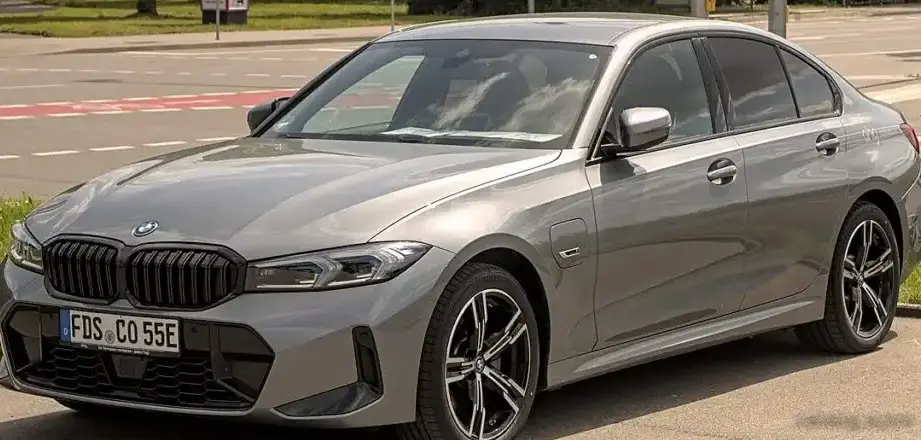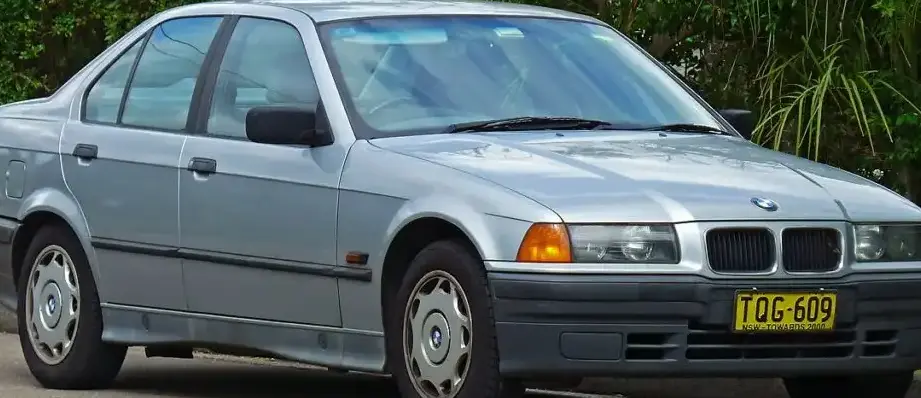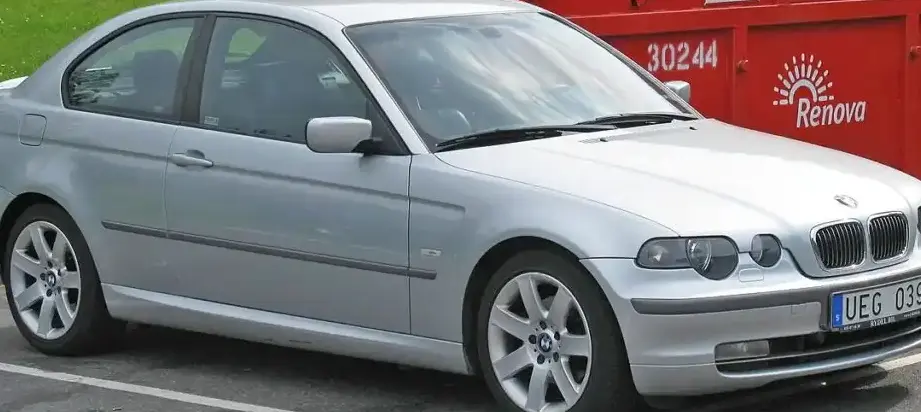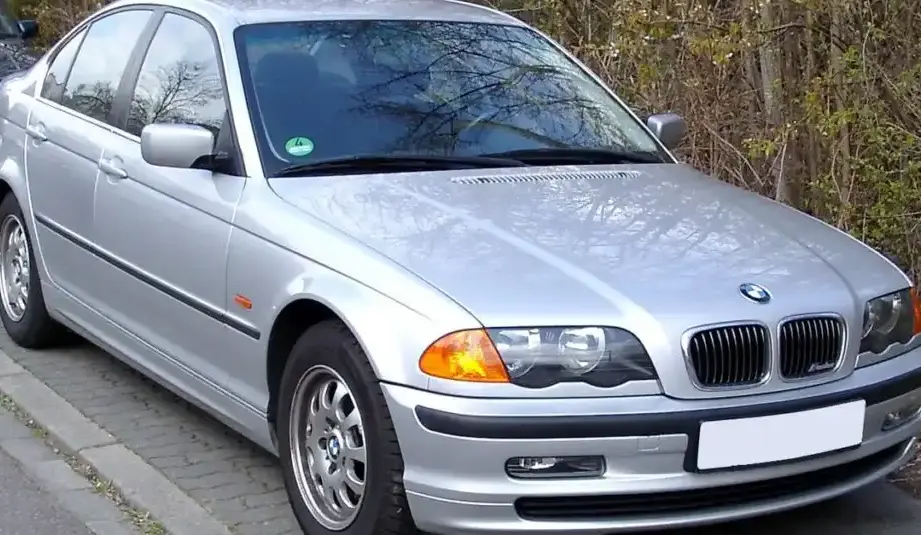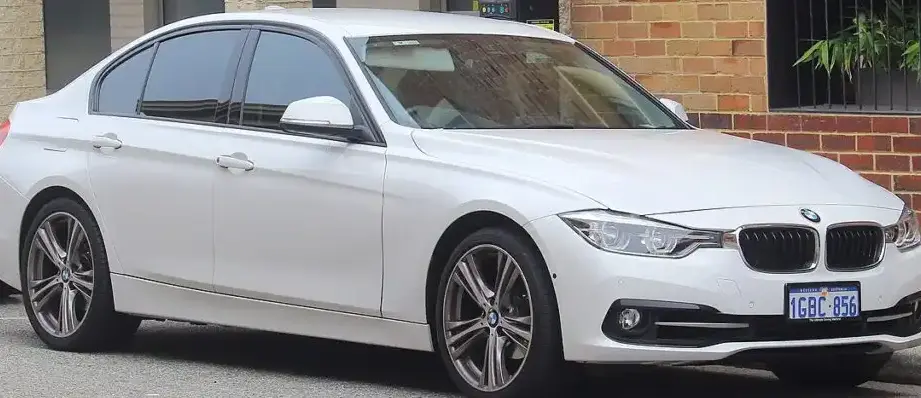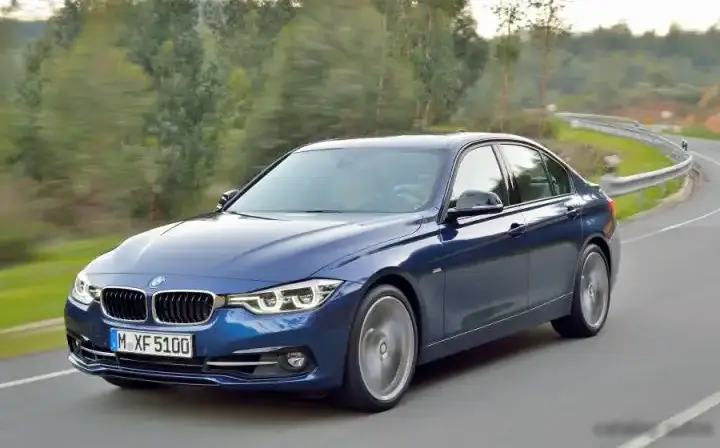
The BMW 3 Series Sedan (F30 LCI), specifically the 325d variant powered by the N47D20D engine producing 218 horsepower, was a key model in BMW’s lineup from 2015 to 2016. This iteration represents the facelift (LCI – Lebenszyklus Impuls) of the sixth-generation 3 Series (F30), introducing styling revisions, updated technology, and refined engine options. The 325d occupied a middle ground within the F30 range, offering a balance between performance, fuel efficiency, and equipment levels, appealing to buyers seeking a premium sedan with strong diesel power. It was primarily marketed in Europe and other regions where diesel engines held significant market share.
Technical Specifications
| Brand | BMW |
| Model | 3 Series |
| Generation | 3 Series Sedan (F30 LCI, Facelift 2015) |
| Type (Engine) | 325d (218 Hp) |
| Start of production | 2015 |
| End of production | 2016 |
| Powertrain Architecture | Internal Combustion engine |
| Body type | Sedan |
| Seats | 5 |
| Doors | 4 |
| Fuel consumption (urban) | 6.2-6.1 l/100 km (37.9 – 38.6 US mpg) |
| Fuel consumption (extra urban) | 4.3 l/100 km (54.7 US mpg) |
| Fuel consumption (combined) | 5.0-4.9 l/100 km (47 – 48 US mpg) |
| CO2 emissions | 132-129 g/km |
| Fuel Type | Diesel |
| Acceleration 0 – 100 km/h | 6.8 sec |
| Acceleration 0 – 62 mph | 6.8 sec |
| Acceleration 0 – 60 mph | 6.5 sec |
| Maximum speed | 245 km/h (152.24 mph) |
| Emission standard | Euro 6 |
| Weight-to-power ratio | 6.8 kg/Hp |
| Weight-to-torque ratio | 3.3 kg/Nm |
| Power | 218 Hp @ 4400 rpm |
| Torque | 450 Nm @ 1500-2500 rpm (331.9 lb.-ft. @ 1500-2500 rpm) |
| Engine layout | Front, Longitudinal |
| Engine Model/Code | N47D20D |
| Engine displacement | 1995 cm3 (121.74 cu. in.) |
| Number of cylinders | 4 |
| Engine configuration | Inline |
| Cylinder Bore | 84 mm (3.31 in.) |
| Piston Stroke | 90 mm (3.54 in.) |
| Compression ratio | 16.5:1 |
| Number of valves per cylinder | 4 |
| Fuel injection system | Diesel Commonrail |
| Engine aspiration | Twin-power turbo, Intercooler |
| Engine oil capacity | 5.2 l (5.49 US qt | 4.58 UK qt) |
| Coolant | 7 l (7.4 US qt | 6.16 UK qt) |
| Kerb Weight | 1475 kg (3251.82 lbs.) |
| Max. weight | 2035 kg (4486.41 lbs.) |
| Max load | 560 kg (1234.59 lbs.) |
| Trunk (boot) space – minimum | 480 l (16.95 cu. ft.) |
| Fuel tank capacity | 57 l (15.06 US gal | 12.54 UK gal) |
| Max. roof load | 75 kg (165.35 lbs.) |
| Permitted trailer load with brakes (12%) | 1800 kg (3968.32 lbs.) |
| Permitted trailer load without brakes | 750 kg (1653.47 lbs.) |
| Permitted towbar download | 75 kg (165.35 lbs.) |
| Length | 4633 mm (182.4 in.) |
| Width | 1811 mm (71.3 in.) |
| Height | 1429 mm (56.26 in.) |
| Wheelbase | 2810 mm (110.63 in.) |
| Front track | 1531 mm (60.28 in.) |
| Rear (Back) track | 1572 mm (61.89 in.) |
| Ride height (ground clearance) | 140 mm (5.51 in.) |
| Drag coefficient (Cd) | 0.28 |
| Minimum turning circle (turning diameter) | 11.3 m (37.07 ft.) |
| Drivetrain Architecture | Rear wheel drive |
| Drive wheel | Rear wheel drive |
| Number of gears and type of gearbox | 6 gears, manual transmission |
| Front suspension | Independent coil spring |
| Rear suspension | Independent multi-link suspension |
| Front brakes | Ventilated discs |
| Rear brakes | Ventilated discs |
| Assisting systems | ABS (Anti-lock braking system) |
| Steering type | Steering rack and pinion |
| Power steering | Electric Steering |
| Tires size | 225/50 R17 94W |
| Wheel rims size | 7.5J x 17 |
Powertrain & Engine Architecture
The heart of the 325d is the N47D20D, a 2.0-liter inline-four cylinder diesel engine. This engine is a product of BMW’s extensive diesel technology development, featuring common-rail direct injection and a variable geometry turbocharger. The N47 series, known for its efficiency and refinement, utilizes piezo injectors for precise fuel delivery, contributing to reduced emissions and improved combustion. The twin-power turbo system, consisting of a low-pressure and high-pressure turbocharger, provides a broad torque curve and minimizes turbo lag. The engine’s 16.5:1 compression ratio is typical for diesel engines, maximizing thermal efficiency. The 325d was typically equipped with a six-speed manual transmission, although an eight-speed automatic transmission was also available as an option. The automatic transmission offered smoother shifts and enhanced fuel economy, but the manual provided a more engaging driving experience.
Driving Characteristics
The 325d delivered a compelling blend of performance and economy. With 218 horsepower and 450 Nm (331.9 lb-ft) of torque, it offered brisk acceleration, achieving 0-60 mph in approximately 6.5 seconds. The readily available torque, peaking from 1500-2500 rpm, made it particularly adept at mid-range acceleration, ideal for overtaking maneuvers. Compared to the higher-output 335i models, the 325d prioritized fuel efficiency and torque over outright horsepower. While the 335i offered a more exhilarating driving experience, the 325d provided ample power for everyday driving and long-distance cruising. The manual transmission offered precise gear changes and a direct connection to the engine, while the automatic provided seamless shifts and reduced driver fatigue.
Equipment & Trim Levels
The 325d typically came standard with a generous array of features, including automatic climate control, power windows and mirrors, a multi-function steering wheel, and a BMW Professional radio system. Upholstery was typically cloth, but leather options were available. Higher trim levels, such as Sport Line, Luxury Line, and M Sport, added features like sport seats, unique interior trim, and exterior styling enhancements. Optional extras included navigation systems, premium sound systems, parking sensors, and driver assistance features like lane departure warning and adaptive cruise control. The Sport Line package, for example, added more aggressive styling cues and a sport-tuned suspension, while the Luxury Line focused on a more refined and elegant interior.
Chassis & Braking
The F30 3 Series featured a sophisticated chassis design, utilizing a MacPherson strut front suspension and a multi-link rear suspension. This setup provided a comfortable ride while maintaining precise handling characteristics. The 325d typically came equipped with ventilated disc brakes on all four wheels, providing ample stopping power. Anti-lock braking system (ABS) and electronic stability control (ESC) were standard safety features. The suspension tuning was generally geared towards comfort, but the optional Sport Line package offered a firmer, more responsive setup. The weight distribution was well-balanced, contributing to the car’s neutral handling characteristics.
Market Reception & Comparison
The 325d was well-received by automotive critics, who praised its fuel efficiency, strong torque, and refined driving experience. It was often seen as a sensible alternative to the more expensive and powerful 335i models. Fuel economy was a major selling point, with the 325d achieving up to 48 mpg on the combined cycle. Compared to other diesel-powered sedans in its class, the 325d offered a compelling combination of performance, luxury, and efficiency. Some critics noted that the N47 engine was prone to timing chain issues, but these were generally addressed through warranty repairs and service bulletins.
Legacy
The BMW 325d (F30 LCI) remains a popular choice in the used car market, particularly in Europe. The N47D20D engine, despite its potential timing chain issues, is generally considered reliable when properly maintained. The F30 3 Series as a whole is known for its build quality and driving dynamics, making it a desirable used car. The 325d’s blend of performance, economy, and practicality continues to appeal to buyers seeking a premium sedan that is both enjoyable to drive and affordable to operate. Its strong resale value reflects its enduring popularity and reputation for quality.