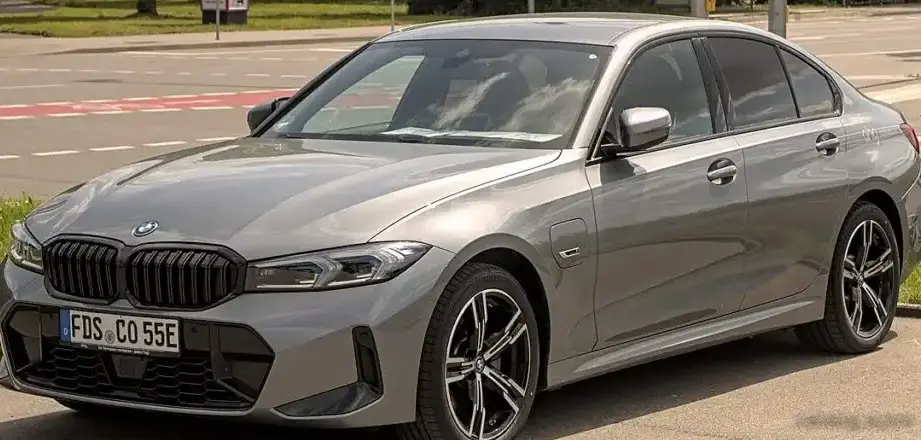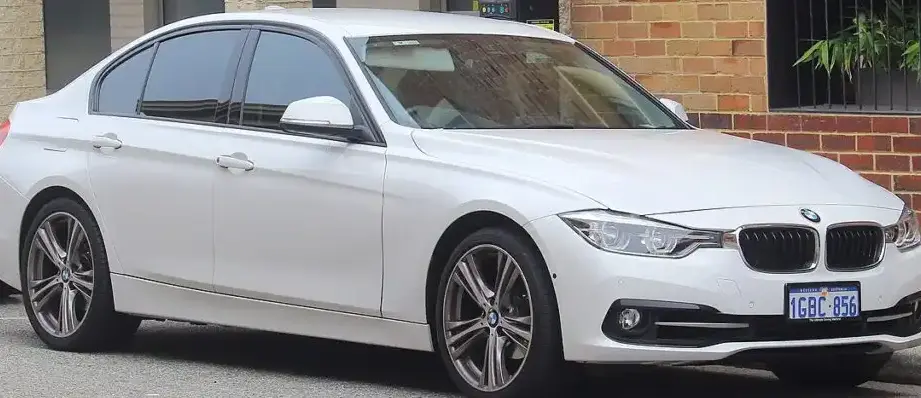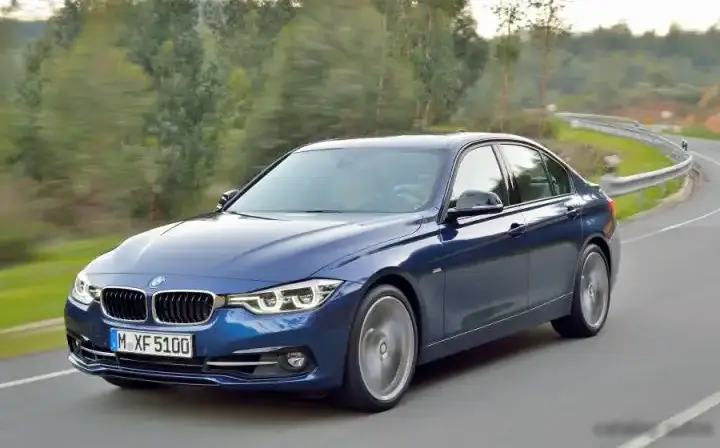
The BMW 3 Series Sedan (F30 LCI), specifically the 325d variant with the Steptronic automatic transmission, represents a significant iteration of BMW’s iconic sports sedan. Produced from 2015 to 2016, this model falls within the LCI (Life Cycle Impulse) facelift of the F30 generation, bringing updated styling, improved efficiency, and enhanced technology. The 325d Steptronic occupied a middle ground in the 3 Series lineup, offering a balance between performance, fuel economy, and comfort, appealing to buyers seeking a refined driving experience without the higher price tag of the more powerful models like the 335i or the ultimate performance of the M3. It was primarily marketed towards European and global markets where diesel engines were favored for their efficiency and torque.
Technical Specifications
| Brand | BMW |
| Model | 3 Series |
| Generation | 3 Series Sedan (F30 LCI, Facelift 2015) |
| Type (Engine) | 325d (218 Hp) Steptronic |
| Start of production | 2015 |
| End of production | 2016 |
| Powertrain Architecture | Internal Combustion engine |
| Body type | Sedan |
| Seats | 5 |
| Doors | 4 |
| Fuel consumption (urban) | 5.8-5.7 l/100 km (40.6 – 41.3 US mpg) |
| Fuel consumption (extra urban) | 4.2-4.0 l/100 km (56 – 58.8 US mpg) |
| Fuel consumption (combined) | 4.8-4.6 l/100 km (49 – 51.1 US mpg) |
| CO2 emissions | 125-122 g/km |
| Fuel Type | Diesel |
| Acceleration 0 – 100 km/h | 6.6 sec |
| Acceleration 0 – 62 mph | 6.6 sec |
| Acceleration 0 – 60 mph | 6.3 sec |
| Maximum speed | 245 km/h (152.24 mph) |
| Emission standard | Euro 6 |
| Weight-to-power ratio | 6.8 kg/Hp, 146.3 Hp/tonne |
| Weight-to-torque ratio | 3.3 kg/Nm, 302 Nm/tonne |
| Power | 218 Hp @ 4400 rpm |
| Torque | 450 Nm @ 1500-2500 rpm (331.9 lb.-ft. @ 1500-2500 rpm) |
| Engine layout | Front, Longitudinal |
| Engine Model/Code | N47D20D |
| Engine displacement | 1995 cm3 (121.74 cu. in.) |
| Number of cylinders | 4 |
| Engine configuration | Inline |
| Cylinder Bore | 84 mm (3.31 in.) |
| Piston Stroke | 90 mm (3.54 in.) |
| Compression ratio | 16.5:1 |
| Number of valves per cylinder | 4 |
| Fuel injection system | Diesel Commonrail |
| Engine aspiration | Twin-power turbo, Intercooler |
| Engine oil capacity | 5.2 l (5.49 US qt | 4.58 UK qt) |
| Coolant | 7 l (7.4 US qt | 6.16 UK qt) |
| Kerb Weight | 1490 kg (3284.89 lbs.) |
| Max. weight | 2050 kg (4519.48 lbs.) |
| Max load | 560 kg (1234.59 lbs.) |
| Trunk (boot) space – minimum | 480 l (16.95 cu. ft.) |
| Fuel tank capacity | 57 l (15.06 US gal | 12.54 UK gal) |
| Max. roof load | 75 kg (165.35 lbs.) |
| Permitted trailer load with brakes (12%) | 1800 kg (3968.32 lbs.) |
| Permitted trailer load without brakes | 750 kg (1653.47 lbs.) |
| Permitted towbar download | 75 kg (165.35 lbs.) |
| Length | 4633 mm (182.4 in.) |
| Width | 1811 mm (71.3 in.) |
| Height | 1429 mm (56.26 in.) |
| Wheelbase | 2810 mm (110.63 in.) |
| Front track | 1531 mm (60.28 in.) |
| Rear (Back) track | 1572 mm (61.89 in.) |
| Ride height (ground clearance) | 140 mm (5.51 in.) |
| Drag coefficient (Cd) | 0.28 |
| Minimum turning circle (turning diameter) | 11.3 m (37.07 ft.) |
| Drivetrain Architecture | Rear wheel drive |
| Number of gears and type of gearbox | 8 gears, automatic transmission Steptronic |
| Front suspension | Independent coil spring |
| Rear suspension | Independent multi-link suspension |
| Front brakes | Ventilated discs |
| Rear brakes | Ventilated discs |
Powertrain & Engine Architecture
The heart of the 325d Steptronic is the BMW N47D20D engine, a 2.0-liter inline-four cylinder diesel. This engine is a highly refined unit, featuring common-rail direct injection and a twin-scroll turbocharger with intercooling. The N47 series engines were known for their efficiency and relatively smooth operation for a diesel. The 325d variant produced 218 horsepower at 4400 rpm and a substantial 450 Nm (331.9 lb-ft) of torque between 1500 and 2500 rpm. This broad torque curve is a hallmark of diesel engines, providing strong acceleration in everyday driving situations. The Steptronic transmission is an 8-speed automatic, offering smooth and quick shifts. It features adaptive shift programs that adjust to the driver’s style and road conditions. The transmission contributes significantly to the car’s fuel efficiency and overall refinement.
Driving Characteristics
The 325d Steptronic delivers a comfortable and capable driving experience. While not as overtly sporty as the gasoline-powered 335i, the 325d offers ample power for confident overtaking and highway cruising. The 8-speed automatic transmission is well-matched to the engine’s torque characteristics, providing seamless gear changes and keeping the engine in its optimal power band. Compared to the 6-speed manual version of the 325d, the Steptronic offers greater convenience, especially in urban traffic. However, some enthusiasts might find the manual transmission more engaging. The gear ratios are tuned for both fuel efficiency and performance, with a relatively tall final drive to maximize mileage. The steering is precise and well-weighted, typical of BMW’s engineering philosophy.
Equipment & Trim Levels
The 325d Steptronic came standard with a comprehensive list of features, including automatic climate control, power windows and locks, a multi-function steering wheel, and a BMW iDrive infotainment system. Upholstery was typically cloth or leatherette, with leather being an optional upgrade. Common optional extras included a sunroof, navigation system, premium sound system, and parking sensors. The LCI facelift brought subtle interior updates, including revised trim materials and improved iDrive functionality. The 325d could also be equipped with various driver-assistance systems, such as lane departure warning and adaptive cruise control.
Chassis & Braking
The F30 3 Series features a sophisticated chassis design with independent suspension at all four wheels. The front suspension utilizes coil springs and struts, while the rear employs a multi-link setup. This configuration provides a good balance between ride comfort and handling precision. The 325d Steptronic typically came equipped with ventilated disc brakes on all four wheels, providing ample stopping power. Anti-lock braking system (ABS) and electronic stability control (ESC) were standard safety features. The suspension tuning was slightly softer than that of the more performance-oriented 335i, prioritizing comfort over outright track performance.
Market Reception & Comparison
The 325d Steptronic was generally well-received by automotive critics. It was praised for its fuel efficiency, comfortable ride, and refined driving experience. Compared to the 320d, the 325d offered a noticeable power upgrade, making it a more enjoyable car to drive. However, it was more expensive than the 320d. Compared to the 335i, the 325d offered better fuel economy but lacked the same level of performance. The 325d’s diesel engine also faced some criticism due to concerns about diesel emissions and potential maintenance costs associated with the diesel particulate filter.
Legacy
The N47D20D engine, while generally reliable, has been known to experience issues with the timing chain and turbocharger in some cases. Regular maintenance and the use of high-quality oil are crucial for ensuring the longevity of this engine. Today, the F30 325d Steptronic represents a good value proposition in the used car market. It offers a blend of performance, efficiency, and comfort that remains competitive even by modern standards. Its relatively low running costs and refined driving experience make it an attractive option for buyers seeking a practical and enjoyable sports sedan.