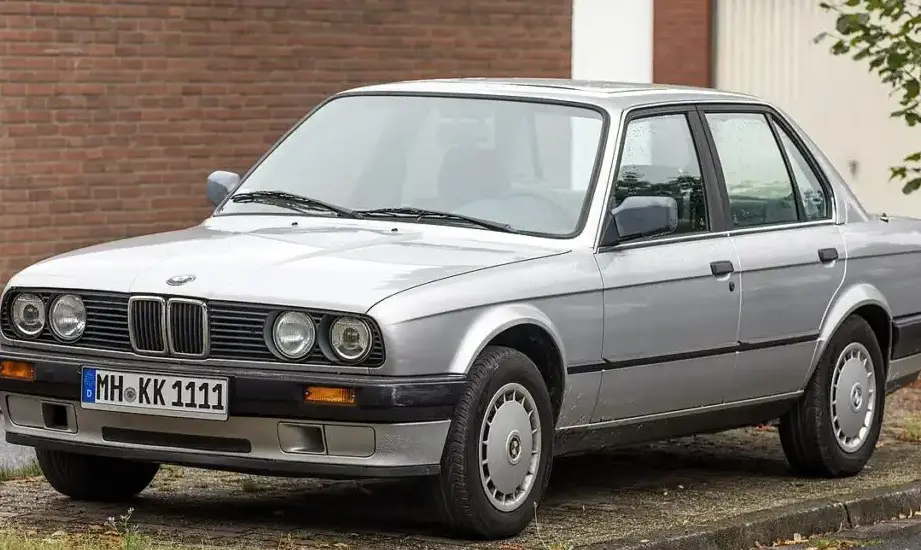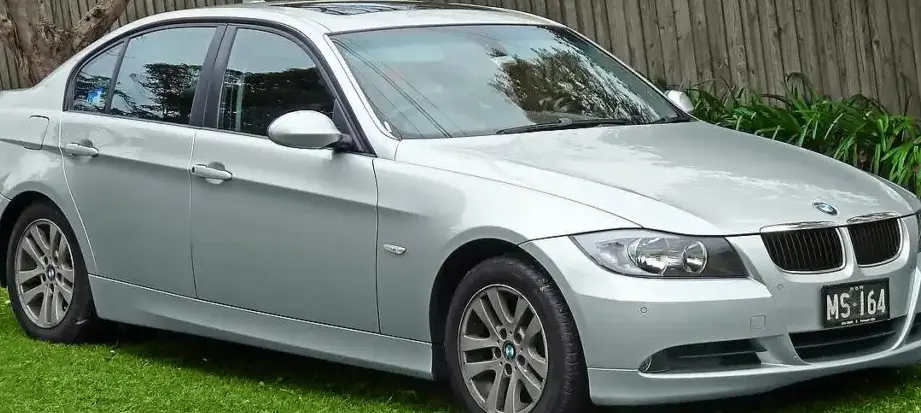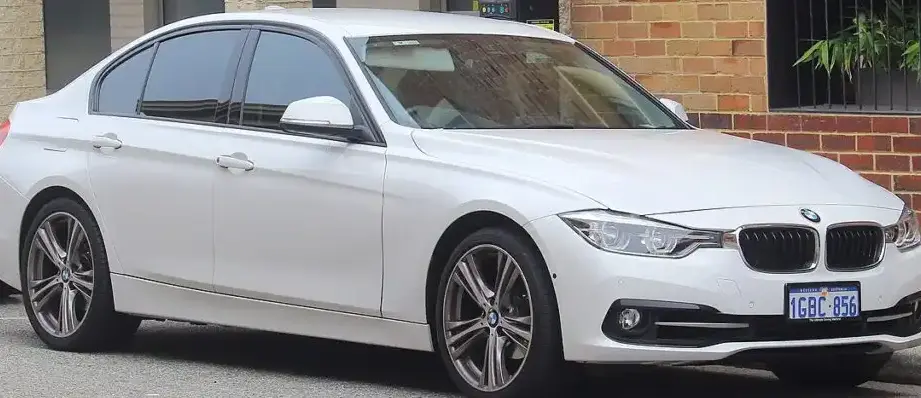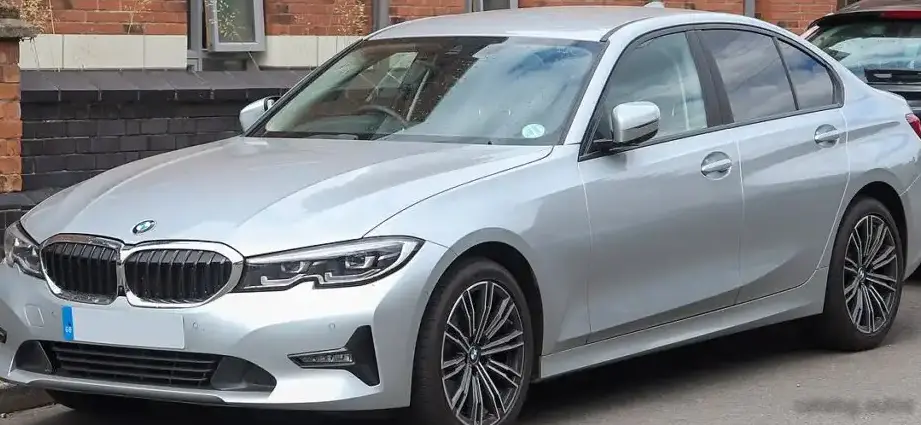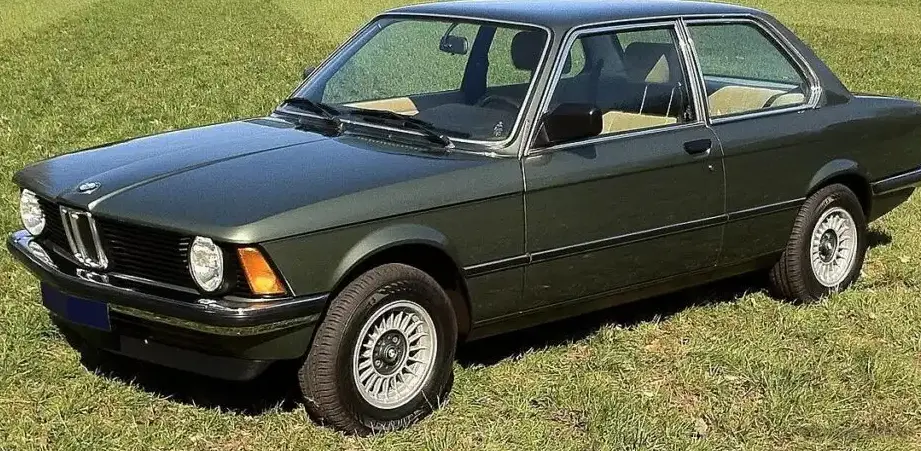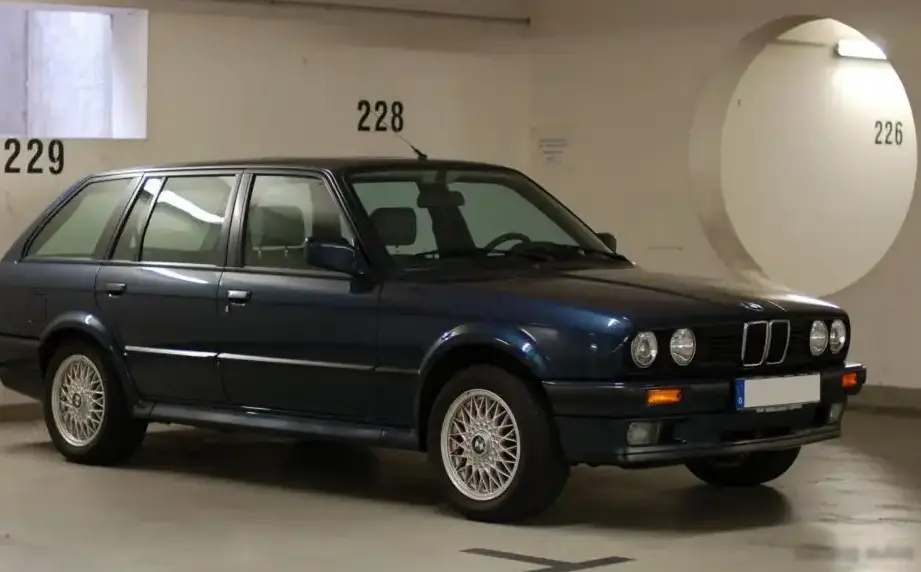
The BMW 3 Series Touring (E30) 318i Automatic, produced from 1989 to 1994, represents a significant expansion of the popular E30 3 Series range into the practical station wagon (estate) segment. This variant, powered by the M40B18 engine and paired with a four-speed automatic transmission, occupied a middle ground within the E30 Touring lineup, offering a balance of usability, comfort, and the BMW driving experience. It was positioned as a more accessible entry point into the Touring range compared to the higher-performance 325i models, appealing to families and drivers prioritizing convenience over outright speed. The E30 facelift, introduced in 1987, brought subtle but important styling updates and mechanical refinements to the entire 3 Series range, including the Touring.
Technical Specifications
| Brand | BMW |
| Model | 3 Series |
| Generation | 3 Series Touring (E30, facelift 1987) |
| Type (Engine) | 318i (113 Hp) Automatic |
| Start of production | 1989 |
| End of production | 1994 |
| Powertrain Architecture | Internal Combustion engine |
| Body type | Station wagon (estate) |
| Seats | 5 |
| Doors | 5 |
| Fuel consumption (economy) – urban | 10.3 l/100 km (22.8 US mpg, 27.4 UK mpg, 9.7 km/l) |
| Fuel consumption (economy) – extra urban | 7 l/100 km (33.6 US mpg, 40.4 UK mpg, 14.3 km/l) |
| Fuel consumption (economy) – combined | 8.9 l/100 km (26.4 US mpg, 31.7 UK mpg, 11.2 km/l) |
| Fuel Type | Petrol (Gasoline) |
| Acceleration 0 – 100 km/h | 13 sec |
| Acceleration 0 – 62 mph | 13 sec |
| Acceleration 0 – 60 mph | 12.4 sec |
| Maximum speed | 186 km/h (115.58 mph) |
| Weight-to-power ratio | 10.4 kg/Hp, 95.8 Hp/tonne |
| Weight-to-torque ratio | 7.3 kg/Nm, 137.3 Nm/tonne |
| Power | 113 Hp @ 5500 rpm |
| Power per litre | 62.9 Hp/l |
| Torque | 162 Nm @ 4250 rpm (119.49 lb.-ft. @ 4250 rpm) |
| Engine layout | Front, Longitudinal |
| Engine Model/Code | M40B18 |
| Engine displacement | 1796 cm3 (109.6 cu. in.) |
| Number of cylinders | 4 |
| Engine configuration | Inline |
| Cylinder Bore | 84 mm (3.31 in.) |
| Piston Stroke | 81 mm (3.19 in.) |
| Compression ratio | 8.8:1 |
| Number of valves per cylinder | 2 |
| Fuel injection system | Multi-port manifold injection |
| Engine aspiration | Naturally aspirated engine |
| Engine oil capacity | 4 l (4.23 US qt | 3.52 UK qt) |
| Coolant | 6 l (6.34 US qt | 5.28 UK qt) |
| Kerb Weight | 1180 kg (2601.45 lbs.) |
| Max. weight | 1660 kg (3659.67 lbs.) |
| Max load | 480 kg (1058.22 lbs.) |
| Trunk (boot) space – minimum | 370 l (13.07 cu. ft.) |
| Trunk (boot) space – maximum | 1125 l (39.73 cu. ft.) |
| Fuel tank capacity | 62 l (16.38 US gal | 13.64 UK gal) |
| Length | 4325 mm (170.28 in.) |
| Width | 1645 mm (64.76 in.) |
| Height | 1380 mm (54.33 in.) |
| Wheelbase | 2570 mm (101.18 in.) |
| Front track | 1405 mm (55.31 in.) |
| Rear (Back) track | 1415 mm (55.71 in.) |
| Drivetrain Architecture | The Internal combustion engine (ICE) drives the rear wheels of the vehicle. |
| Drive wheel | Rear wheel drive |
| Number of gears and type of gearbox | 4 gears, automatic transmission |
| Front suspension | Coil spring |
| Rear suspension | Coil spring |
| Front brakes | Disc |
| Rear brakes | Drum |
| Assisting systems | ABS (Anti-lock braking system) |
| Power steering | Hydraulic Steering |
| Tires size | 195/65 HR14 |
| Wheel rims size | 14 |
Powertrain & Engine Architecture
The heart of the 318i Touring Automatic is the M40B18 engine, a 1.8-liter inline-four cylinder powerplant. This engine, a mainstay of the E30 and E34 ranges, features a cast iron block and an aluminum cylinder head. It utilizes Bosch Motronic fuel injection, a significant advancement over earlier carbureted BMW engines, providing improved fuel efficiency and smoother operation. The M40B18 employs a single overhead camshaft (SOHC) design with two valves per cylinder. The automatic transmission is a four-speed unit, designed to provide comfortable and convenient shifting. While not known for its sporting character, this transmission was well-suited to the engine’s torque curve and the Touring’s intended role as a practical family vehicle. The engine’s relatively simple design contributed to its reliability, but also limited its ultimate performance potential.
Driving Characteristics
The 318i Touring Automatic offered a comfortable and relaxed driving experience. Acceleration from 0-60 mph took around 12.4 seconds, and top speed was approximately 115 mph. Compared to the five-speed manual version of the 318i, the automatic suffered a slight performance penalty due to the transmission’s inherent efficiency losses. The automatic’s gear ratios were optimized for fuel economy and smooth cruising, rather than aggressive acceleration. The Touring’s additional weight, compared to the sedan, further impacted performance. However, the automatic transmission made the 318i Touring a more accessible and user-friendly option for drivers less concerned with outright speed.
Equipment & Trim Levels
The 318i Touring Automatic typically came equipped with features such as power steering, central locking, and a basic stereo system. Interior upholstery was usually cloth, with options for leather available at extra cost. Common optional extras included a sunroof, air conditioning, and upgraded sound systems. The dashboard layout was typical of the E30, with a functional and straightforward design. Trim levels were relatively limited, with most variations coming down to the selection of optional equipment. The Touring’s focus was on practicality, so luxury features were often less emphasized than in other 3 Series models.
Chassis & Braking
The E30 Touring shared its chassis and suspension components with the E30 sedan. Front suspension utilized coil springs and MacPherson struts, while the rear employed a semi-trailing arm setup with coil springs. Brakes were disc brakes at the front and drum brakes at the rear, a common configuration for this class of vehicle at the time. ABS (Anti-lock Braking System) was available as an option, enhancing safety and control during hard braking. The suspension was tuned for a balance of comfort and handling, providing a reasonably compliant ride without sacrificing too much agility.
Market Reception & Comparison
The 318i Touring Automatic was generally well-received by critics as a practical and versatile vehicle. It offered a compelling alternative to traditional sedans and hatchbacks, providing the benefits of a station wagon – increased cargo space and versatility – without sacrificing the BMW driving experience. Compared to the 325i Touring, the 318i was more affordable and fuel-efficient, making it a more sensible choice for budget-conscious buyers. However, it lacked the performance and sporting character of its more powerful sibling. Fuel economy was respectable for the time, averaging around 26.4 US mpg in combined driving.
Legacy
The E30 3 Series Touring, including the 318i Automatic variant, has become a highly sought-after classic car. The M40B18 engine is known for its durability and relative simplicity, making it a relatively easy engine to maintain. However, age-related issues such as corrosion and wear on rubber components are common. The automatic transmission, while reliable, may require servicing or rebuilding after many years of use. Today, well-maintained examples of the 318i Touring Automatic command a premium in the used car market, appealing to enthusiasts and collectors who appreciate the E30’s timeless design and engaging driving dynamics.