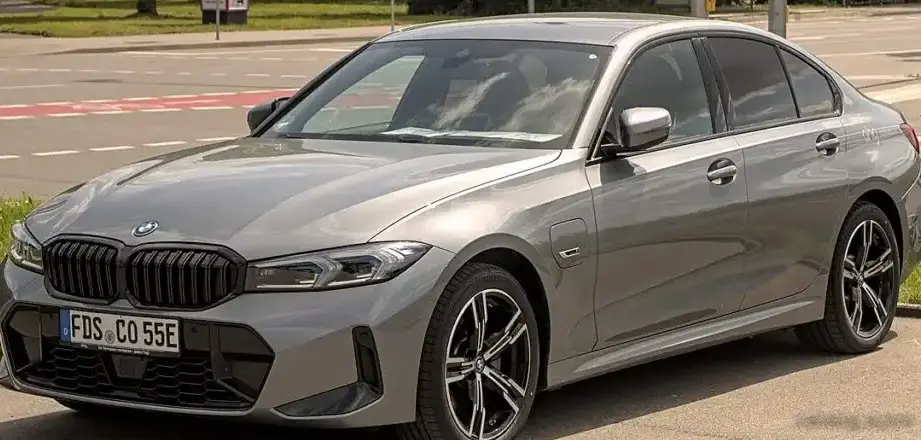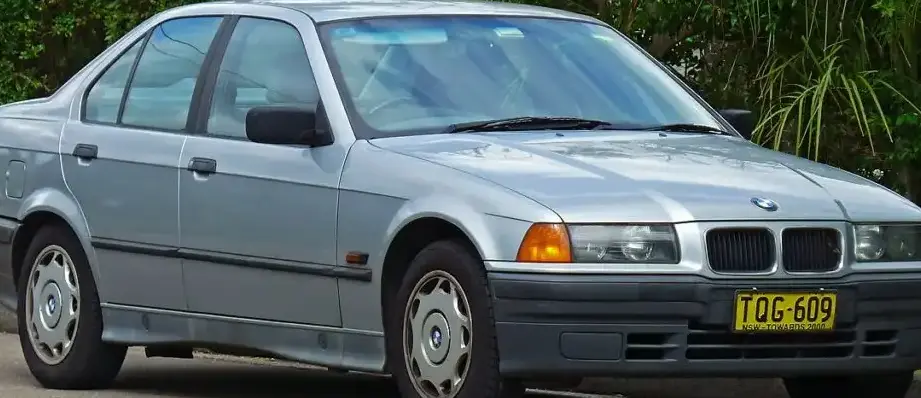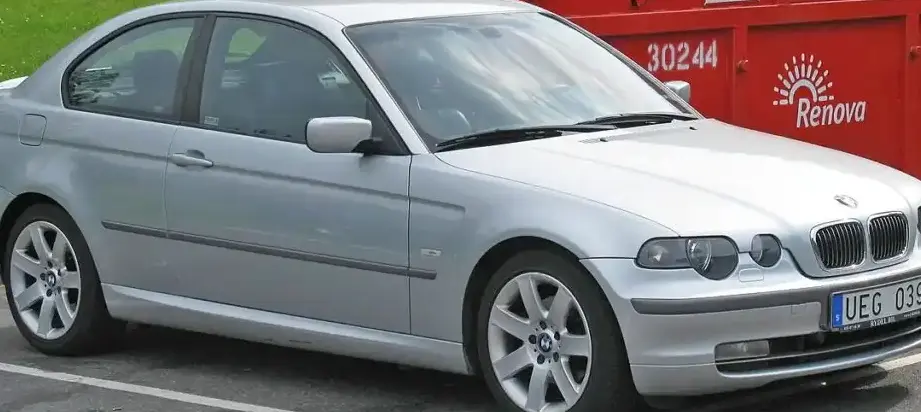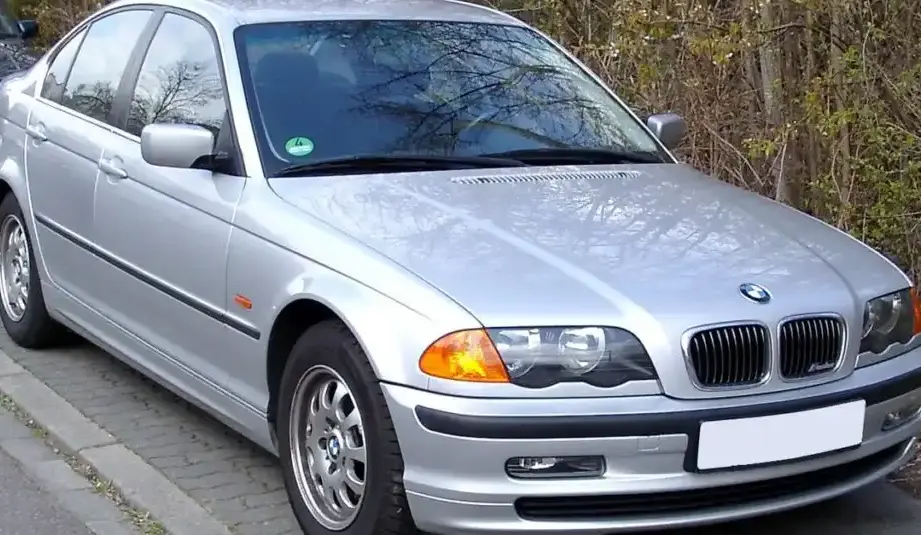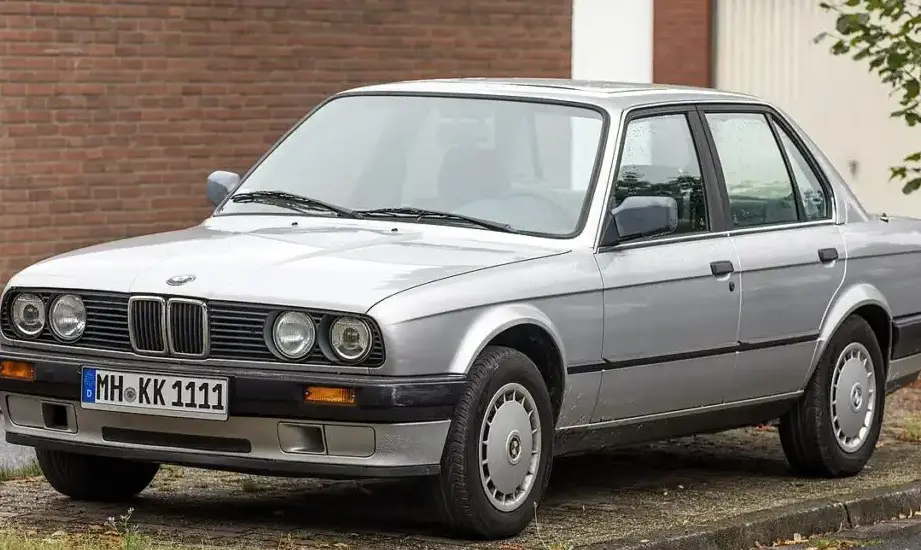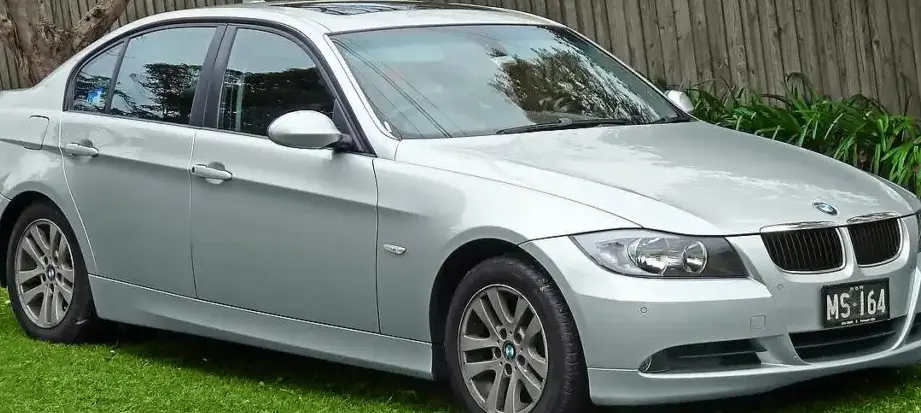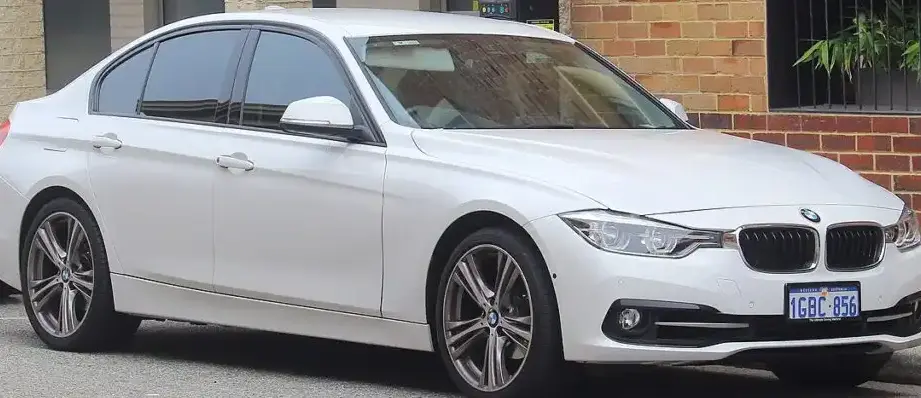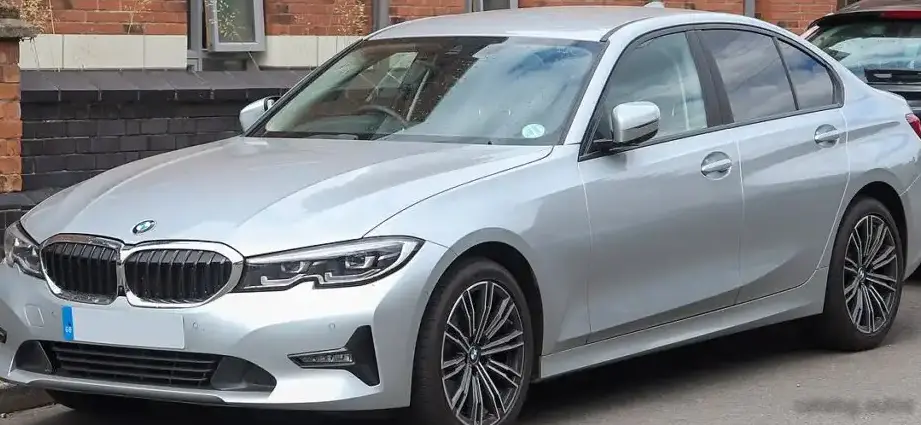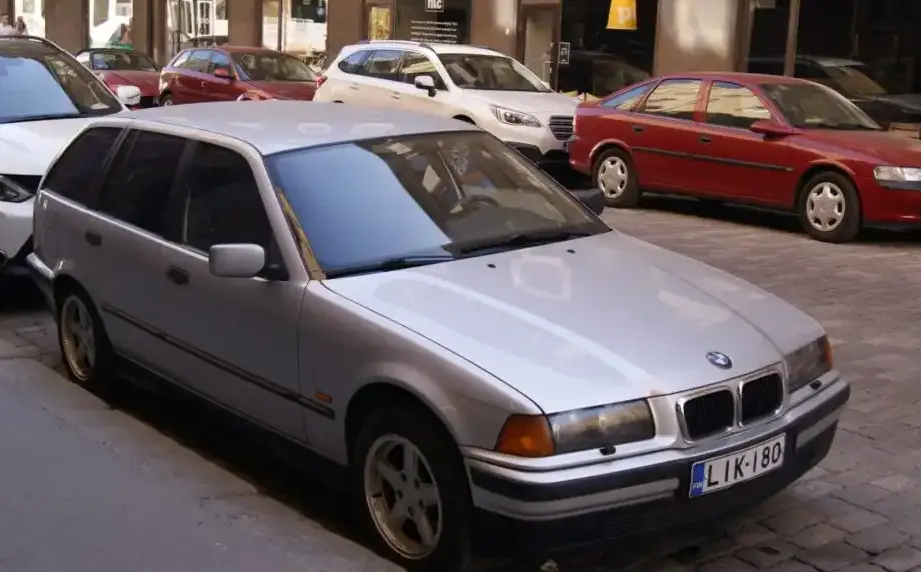
The BMW 3 Series Touring (E36) 318i, produced from 1993 to 1999, represents BMW’s entry point into the compact executive estate car market. Positioned as the more accessible variant within the E36 Touring range, it offered the practicality of a wagon body style combined with BMW’s renowned driving dynamics. This model was a key component of the E36 generation, which itself was a significant evolution of the 3 Series, introducing a more rounded design and improved refinement over its predecessor. The 318i Touring catered to buyers seeking a versatile vehicle for family use or leisure activities, without the higher price tag associated with the more powerful 328i or diesel models.
Technical Specifications
| Brand | BMW |
| Model | 3 Series |
| Generation | 3 Series Touring (E36) |
| Type (Engine) | 318i (115 Hp) |
| Start of production | 1993 |
| End of production | 1999 |
| Powertrain Architecture | Internal Combustion engine |
| Body type | Station wagon (estate) |
| Seats | 5 |
| Doors | 5 |
| Fuel consumption (economy) – urban | 11.2 l/100 km (21 US mpg, 25.2 UK mpg, 8.9 km/l) |
| Fuel consumption (economy) – extra urban | 6.3 l/100 km (37.3 US mpg, 44.8 UK mpg, 15.9 km/l) |
| Fuel consumption (economy) – combined | 8.1 l/100 km (29 US mpg, 34.9 UK mpg, 12.3 km/l) |
| Fuel Type | Petrol (Gasoline) |
| Acceleration 0 – 100 km/h | 11.7 sec |
| Acceleration 0 – 62 mph | 11.7 sec |
| Acceleration 0 – 60 mph | 11.1 sec |
| Maximum speed | 197 km/h (122.41 mph) |
| Weight-to-power ratio | 11.1 kg/Hp, 89.8 Hp/tonne |
| Weight-to-torque ratio | 7.6 kg/Nm, 131.3 Nm/tonne |
| Power | 115 Hp @ 5500 rpm |
| Power per litre | 64 Hp/l |
| Torque | 168 Nm @ 3900 rpm (123.91 lb.-ft. @ 3900 rpm) |
| Engine layout | Front, Longitudinal |
| Engine Model/Code | M43B18 |
| Engine displacement | 1796 cm3 (109.6 cu. in.) |
| Number of cylinders | 4 |
| Engine configuration | Inline |
| Cylinder Bore | 84 mm (3.31 in.) |
| Piston Stroke | 81 mm (3.19 in.) |
| Compression ratio | 9.7:1 |
| Number of valves per cylinder | 2 |
| Fuel injection system | Multi-port manifold injection |
| Engine aspiration | Naturally aspirated engine |
| Valvetrain | OHC |
| Engine oil capacity | 4 l (4.23 US qt | 3.52 UK qt) |
| Coolant | 6.5 l (6.87 US qt | 5.72 UK qt) |
| Kerb Weight | 1280 kg (2821.92 lbs.) |
| Max. weight | 1780 kg (3924.23 lbs.) |
| Max load | 500 kg (1102.31 lbs.) |
| Trunk (boot) space – minimum | 370 l (13.07 cu. ft.) |
| Trunk (boot) space – maximum | 1320 l (46.62 cu. ft.) |
| Fuel tank capacity | 62 l (16.38 US gal | 13.64 UK gal) |
| Length | 4433 mm (174.53 in.) |
| Width | 1698 mm (66.85 in.) |
| Height | 1391 mm (54.76 in.) |
| Wheelbase | 2700 mm (106.3 in.) |
| Front track | 1418 mm (55.83 in.) |
| Rear (Back) track | 1431 mm (56.34 in.) |
| Ride height (ground clearance) | 110 mm (4.33 in.) |
| Drivetrain Architecture | The Internal combustion engine (ICE) drives the rear wheels of the vehicle. |
| Drive wheel | Rear wheel drive |
| Number of gears and type of gearbox | 5 gears, manual transmission |
| Front suspension | Wishbone |
| Rear suspension | Coil spring |
| Front brakes | Ventilated discs |
| Rear brakes | Disc |
| Assisting systems | ABS (Anti-lock braking system) |
| Steering type | Steering rack and pinion |
| Power steering | Hydraulic Steering |
| Tires size | 185/65 R15 |
| Wheel rims size | 15 |
Powertrain & Engine Architecture
The 318i Touring was powered by the M43B18, a 1.8-liter inline-four cylinder engine. This engine was a significant upgrade over the M40 series it replaced, featuring improved fuel efficiency and reduced emissions. The M43B18 utilized a single overhead camshaft (OHC) design with two valves per cylinder. Fuel delivery was handled by a multi-port fuel injection system, providing precise fuel metering for optimal combustion. The engine produced 115 horsepower at 5500 rpm and 168 Nm (124 lb-ft) of torque at 3900 rpm. The engine’s relatively modest output was paired with a standard 5-speed manual transmission, although a 4-speed automatic transmission was also available. The automatic transmission, while offering convenience, did impact acceleration and fuel economy compared to the manual.
Driving Characteristics
The 318i Touring, particularly with the manual transmission, offered a balanced driving experience. While not as overtly sporty as the 328i, it provided sufficient power for everyday driving and comfortable cruising. The 1.8-liter engine felt responsive enough in most situations, although it required downshifting for quicker acceleration, especially when fully loaded. The automatic transmission, while smooth, noticeably dulled performance. The E36 chassis, known for its well-tuned suspension, provided a composed ride and predictable handling. The rear-wheel-drive layout contributed to a balanced feel, making the 318i Touring enjoyable to drive on winding roads. The gear ratios in the manual transmission were well-chosen, allowing for efficient cruising at highway speeds.
Equipment & Trim Levels
The 318i Touring typically came equipped with a reasonable level of standard features. Interior upholstery was usually cloth, with options for leather available. Standard equipment included power windows, central locking, and an AM/FM radio. Optional extras included a sunroof, air conditioning, upgraded audio systems, and sport seats. Trim levels were relatively simple, with most variations coming down to the addition of optional packages. The Touring model, by its nature, included a larger cargo area than the sedan, with a split-folding rear seat for added versatility. The interior dashboard configuration was typical of the E36, with a driver-focused layout and clear instrumentation.
Chassis & Braking
The E36 Touring shared its chassis with the sedan and coupe models, featuring a MacPherson strut front suspension and a semi-trailing arm rear suspension. The 318i typically featured smaller diameter rear brake discs compared to the higher-performance models. ABS (Anti-lock Braking System) was standard equipment, enhancing safety and stability during braking. Stabilizer bars were fitted front and rear to reduce body roll during cornering. The suspension tuning was geared towards comfort and everyday usability, rather than outright sportiness, although it still provided a reasonably engaging driving experience.
Market Reception & Comparison
The 318i Touring was generally well-received by automotive critics as a practical and well-rounded estate car. It was praised for its build quality, handling, and spacious interior. However, some critics noted that the 1.8-liter engine could feel underpowered, particularly when the vehicle was fully loaded or when driving uphill. Compared to the 328i Touring, the 318i offered a more affordable entry point into the E36 Touring range, but at the expense of performance. The 318i also offered better fuel economy than the 328i, making it a more economical choice for those who prioritized efficiency. Against competitors like the Audi 80 Avant and Volvo V40, the 318i Touring stood out for its engaging driving dynamics and premium feel.
Legacy
The M43B18 engine, while not known for being particularly exciting, proved to be a reliable and durable powerplant. With proper maintenance, these engines can continue to provide years of service. The E36 318i Touring has become a popular choice among enthusiasts looking for a classic BMW estate car. Values for well-maintained examples have been steadily increasing in recent years. The combination of practicality, driving enjoyment, and relative affordability has ensured that the E36 318i Touring remains a desirable vehicle in the used car market today. Common issues include oil leaks and wear on suspension components, but these are generally manageable with regular maintenance and repair.