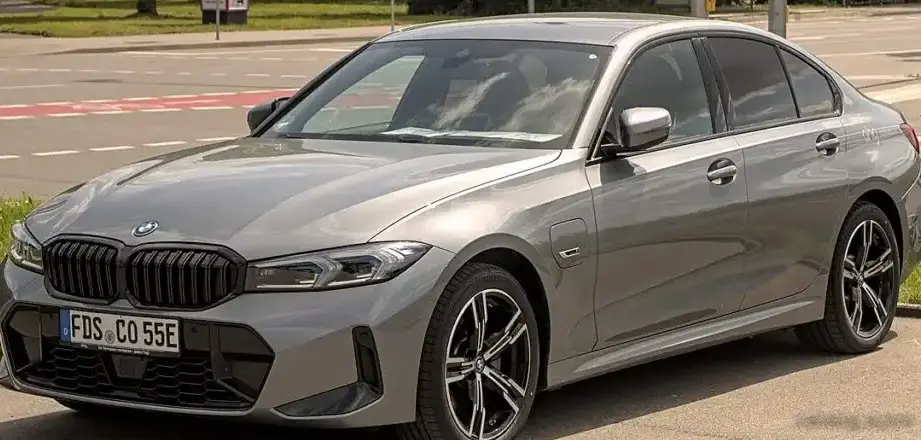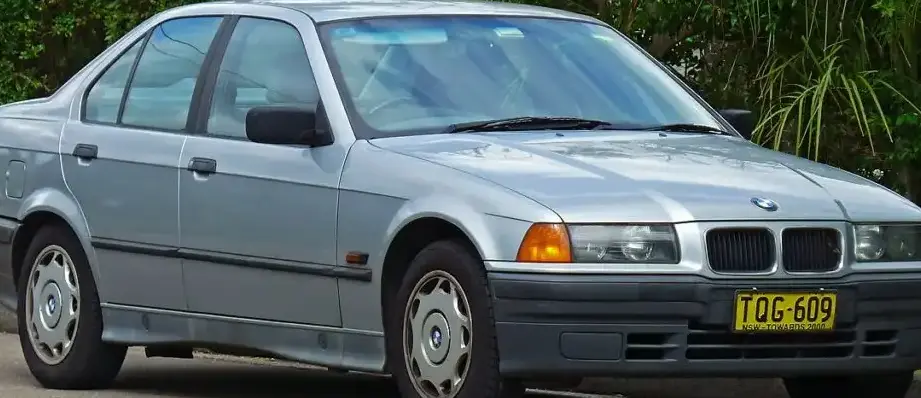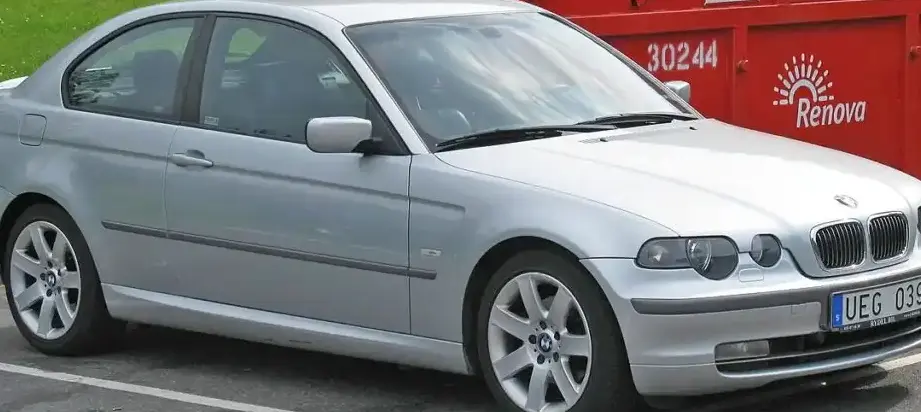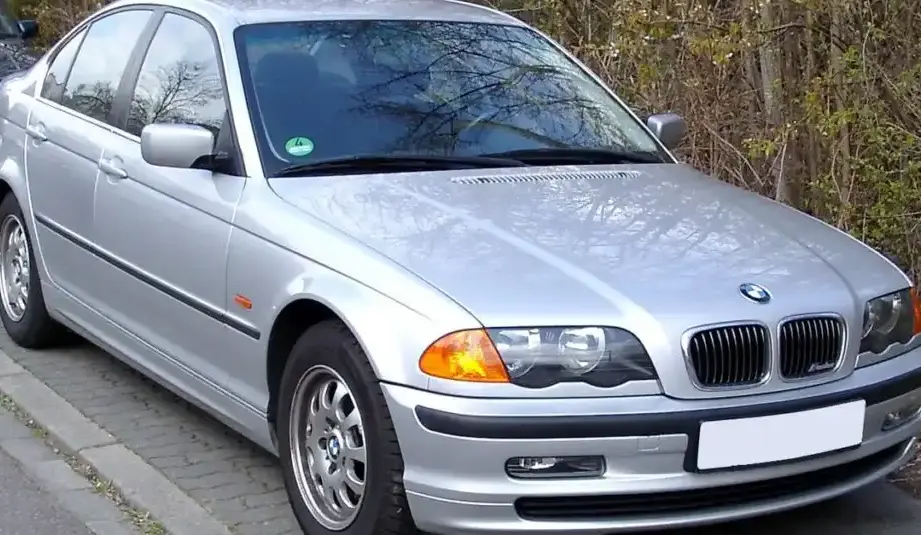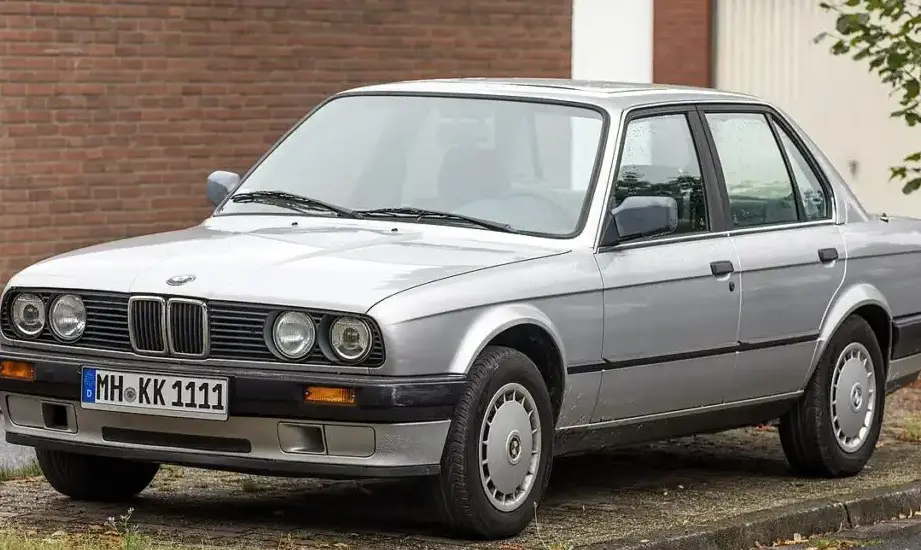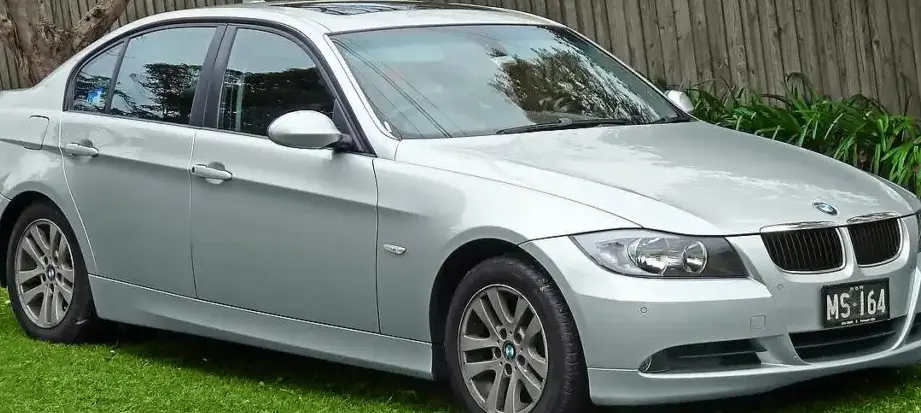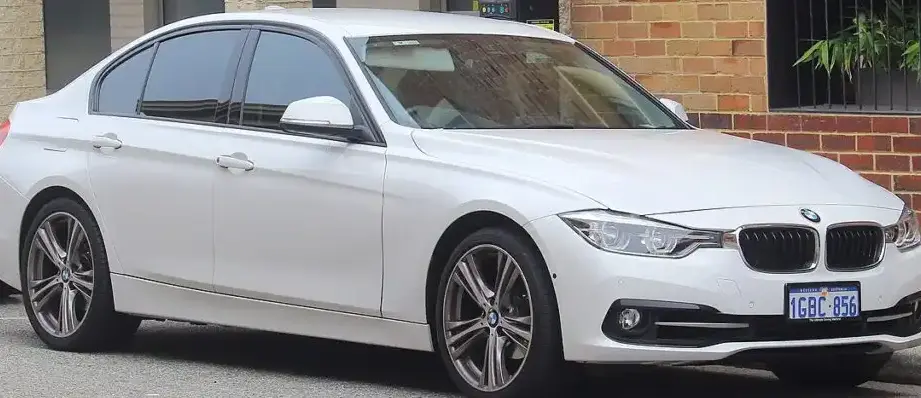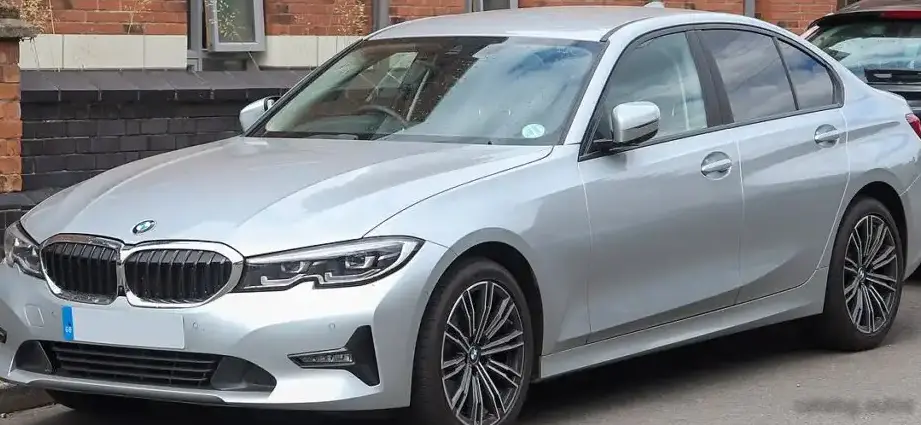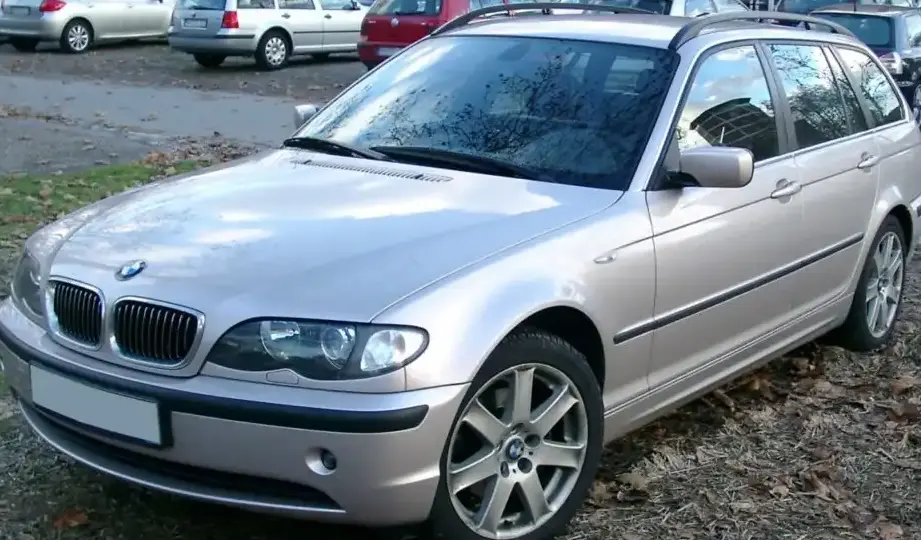
The BMW 3 Series Touring (E46) facelift 325Ci, produced from 2001 to 2005, represents a compelling blend of practicality and performance within the compact executive estate car segment. Positioned as a mid-range offering in the E46 Touring lineup, it catered to buyers seeking a more engaging driving experience than the diesel variants, while offering a more accessible price point than the high-performance M3. This model benefited from the mid-cycle refresh of the E46 series, incorporating styling updates and refinements to the interior and mechanical components. It was primarily sold in the European market, where the demand for practical, yet sporty, wagons was strong.
Technical Specifications
| Brand | BMW |
| Model | 3 Series |
| Generation | 3 Series Touring (E46, facelift 2001) |
| Type (Engine) | 325Ci (192 Hp) |
| Start of production | 2001 |
| End of production | 2005 |
| Powertrain Architecture | Internal Combustion engine |
| Body type | Station wagon (estate) |
| Seats | 5 |
| Doors | 5 |
| Fuel consumption (urban) | 12.9 l/100 km (18.2 US mpg, 21.9 UK mpg, 7.8 km/l) |
| Fuel consumption (extra urban) | 7.4 l/100 km (31.8 US mpg, 38.2 UK mpg, 13.5 km/l) |
| Fuel consumption (combined) | 9.2 l/100 km (25.6 US mpg, 30.7 UK mpg, 10.9 km/l) |
| Fuel Type | Petrol (Gasoline) |
| Acceleration 0 – 100 km/h | 7.4 sec |
| Acceleration 0 – 62 mph | 7.4 sec |
| Acceleration 0 – 60 mph | 7 sec |
| Maximum speed | 237 km/h (147.26 mph) |
| Weight-to-power ratio | 7.6 kg/Hp, 131.5 Hp/tonne |
| Weight-to-torque ratio | 6 kg/Nm, 167.8 Nm/tonne |
| Power | 192 Hp @ 6000 rpm |
| Power per litre | 77 Hp/l |
| Torque | 245 Nm @ 3500 rpm (180.7 lb.-ft. @ 3500 rpm) |
| Engine layout | Front, Longitudinal |
| Engine Model/Code | M54B25 |
| Engine displacement | 2494 cm3 (152.19 cu. in.) |
| Number of cylinders | 6 |
| Engine configuration | Inline |
| Cylinder Bore | 84 mm (3.31 in.) |
| Piston Stroke | 75 mm (2.95 in.) |
| Compression ratio | 10.5:1 |
| Number of valves per cylinder | 4 |
| Fuel injection system | Multi-port manifold injection |
| Engine aspiration | Naturally aspirated engine |
| Valvetrain | DOHC |
| Engine oil capacity | 6.5 l (6.87 US qt | 5.72 UK qt) |
| Coolant | 8.4 l (8.88 US qt | 7.39 UK qt) |
| Kerb Weight | 1460 kg (3218.75 lbs.) |
| Max. weight | 2000 kg (4409.25 lbs.) |
| Max load | 540 kg (1190.5 lbs.) |
| Trunk (boot) space – minimum | 435 l (15.36 cu. ft.) |
| Trunk (boot) space – maximum | 1345 l (47.5 cu. ft.) |
| Fuel tank capacity | 63 l (16.64 US gal | 13.86 UK gal) |
| Length | 4480 mm (176.38 in.) |
| Width | 1740 mm (68.5 in.) |
| Height | 1410 mm (55.51 in.) |
| Wheelbase | 2725 mm (107.28 in.) |
| Front track | 1470 mm (57.87 in.) |
| Rear (Back) track | 1485 mm (58.46 in.) |
| Drivetrain Architecture | The Internal combustion engine (ICE) drives the rear wheels of the vehicle. |
| Drive wheel | Rear wheel drive |
| Number of gears and type of gearbox | 5 gears, manual transmission |
| Front suspension | Wishbone |
| Rear suspension | Coil spring |
| Front brakes | Ventilated discs |
| Rear brakes | Disc |
| Assisting systems | ABS (Anti-lock braking system) |
| Steering type | Steering rack and pinion |
| Power steering | Hydraulic Steering |
| Tires size | 205/55 R16 |
| Wheel rims size | 7J x 16 |
Powertrain & Engine Architecture
The heart of the 325Ci Touring is the M54B25, a 2.5-liter inline-six engine. This engine is a naturally aspirated powerplant known for its smooth operation and responsive power delivery. The M54 featured double overhead camshafts (DOHC) and four valves per cylinder, contributing to its efficient breathing and respectable output. Fuel delivery was handled by a multi-port fuel injection system, ensuring precise fuel metering. The engine produced 192 horsepower at 6000 rpm and 245 Nm (180.7 lb-ft) of torque at 3500 rpm. The five-speed manual transmission was standard, providing a direct connection between the engine and the rear wheels. The engine’s longitudinal mounting and rear-wheel-drive configuration were hallmarks of BMW’s commitment to driving dynamics.
Driving Characteristics
The 325Ci Touring offered a balanced driving experience. While not as overtly sporty as the M3, it provided ample power for everyday driving and spirited weekend excursions. The 0-60 mph sprint took approximately 7 seconds, and the car could reach a top speed of 147 mph. The five-speed manual transmission allowed for precise gear selection, and the engine’s torque curve provided good responsiveness across a wide range of engine speeds. Compared to the 320i, the 325Ci offered a noticeable performance upgrade, while remaining more affordable and less demanding to drive than the M3. The Touring body style did add some weight compared to the sedan, but the impact on handling was minimal thanks to BMW’s well-tuned suspension.
Equipment & Trim Levels
The 325Ci Touring typically came equipped with a respectable level of standard features, including power windows, power locks, air conditioning, and an AM/FM stereo. Upholstery was typically cloth, although leather was available as an option. Optional extras included a sunroof, heated front seats, automatic climate control, and a premium sound system. The interior design was functional and driver-focused, with clear instrumentation and well-placed controls. The facelifted models (2001-2005) featured updated interior trim and improved materials compared to the pre-facelift E46 Touring.
Chassis & Braking
The E46 Touring utilized a MacPherson strut front suspension and a multi-link rear suspension, providing a comfortable ride and precise handling. The 325Ci was equipped with ventilated disc brakes at the front and solid disc brakes at the rear. Anti-lock braking system (ABS) was standard, enhancing safety and stability during hard braking. The steering was a hydraulic power-assisted rack and pinion system, offering responsive and accurate steering feel. The standard tire size was 205/55 R16, mounted on 7J x 16 alloy wheels.
Market Reception & Comparison
The 325Ci Touring was generally well-received by automotive critics. It was praised for its blend of practicality, performance, and driving enjoyment. Fuel economy was considered reasonable for a performance-oriented estate car, averaging around 25.6 US mpg in combined driving. Reliability was generally good, although preventative maintenance was crucial to avoid issues with the cooling system and oil leaks. Compared to the 320i Touring, the 325Ci offered a significant performance boost, making it a more appealing choice for drivers who prioritized driving dynamics. However, the 325Ci was more expensive to purchase and maintain than the 320i.
Legacy
The E46 325Ci Touring has become a popular choice among enthusiasts and collectors. The M54 engine is known for its durability and relatively straightforward maintenance. While examples are now over two decades old, well-maintained cars can still provide years of reliable service. The combination of a practical estate car body style, a smooth and powerful inline-six engine, and BMW’s renowned handling characteristics has ensured that the 325Ci Touring remains a desirable and rewarding vehicle in the used car market. Parts availability is generally good, and a thriving aftermarket supports the E46 platform, making it easier to keep these cars on the road.