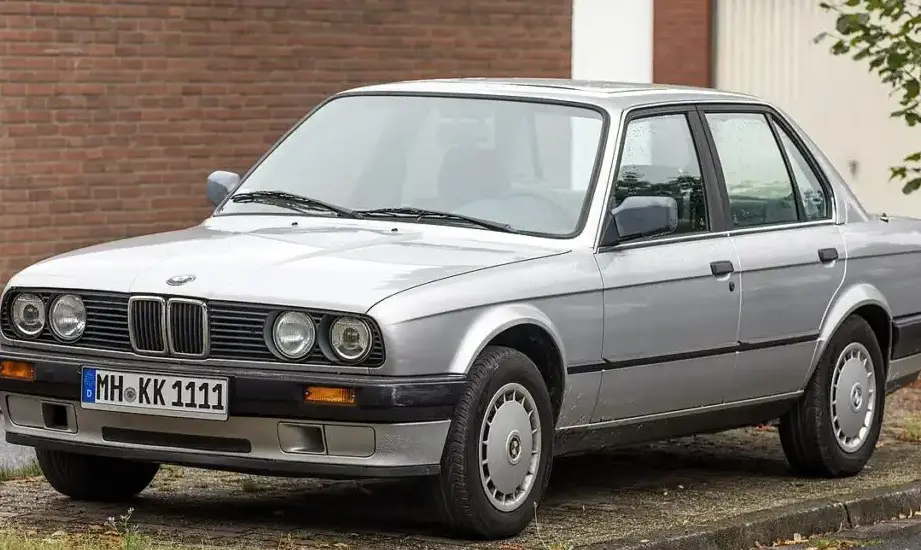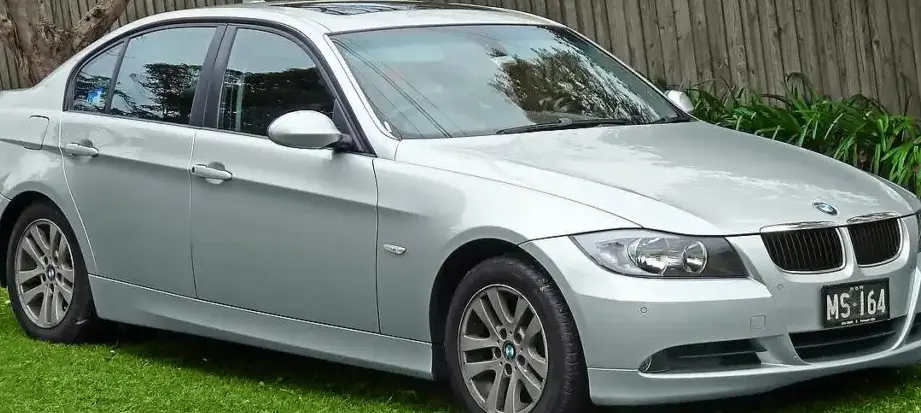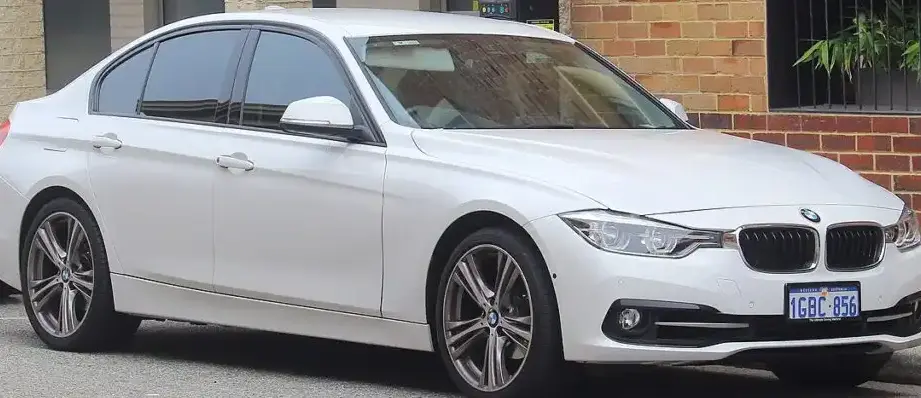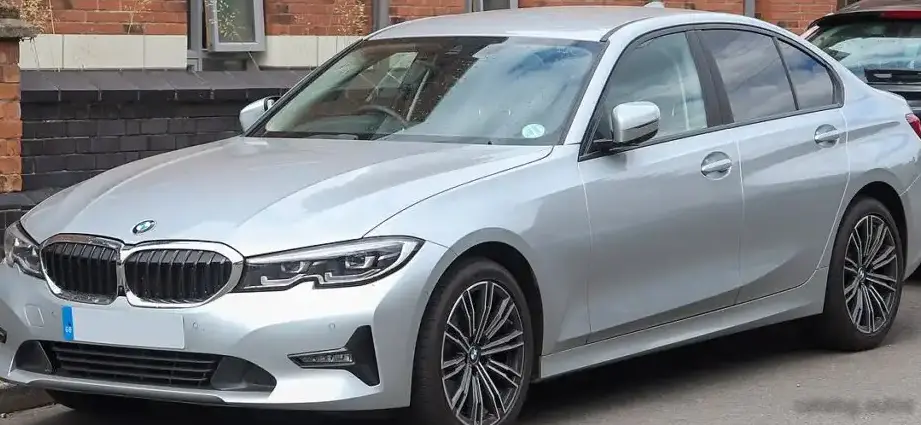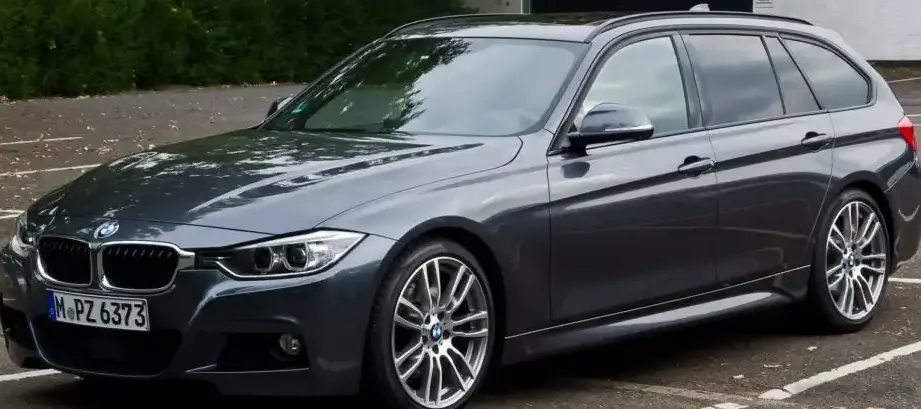
The BMW 3 Series Touring (F31) 328i Steptronic, produced from 2012 to 2015, represents a compelling blend of performance and practicality within the sixth generation (F30) of BMW’s iconic 3 Series. This variant, a station wagon (estate) body style, was primarily marketed in Europe and other regions where the touring configuration is highly favored. Positioned as a mid-range offering, the 328i Steptronic aimed to deliver a more accessible entry point into the 3 Series lineup while still providing a spirited driving experience. It occupied a space between the more fuel-efficient 320i models and the higher-performance 335i and M3 variants.
Technical Specifications
| Brand | BMW |
| Model | 3 Series |
| Generation | 3 Series Touring (F31) |
| Type (Engine) | 328i (245 Hp) Steptronic |
| Start of production | 2012 |
| End of production | 2015 |
| Powertrain Architecture | Internal Combustion engine |
| Body type | Station wagon (estate) |
| Seats | 5 |
| Doors | 5 |
| Fuel consumption (urban) | 8.4 l/100 km (28 US mpg, 33.6 UK mpg, 11.9 km/l) |
| Fuel consumption (extra urban) | 5.4 l/100 km (43.6 US mpg, 52.3 UK mpg, 18.5 km/l) |
| Fuel consumption (combined) | 6.5 l/100 km (36.2 US mpg, 43.5 UK mpg, 15.4 km/l) |
| CO2 emissions | 152 g/km |
| Fuel Type | Petrol (Gasoline) |
| Acceleration 0 – 100 km/h | 6 sec |
| Acceleration 0 – 62 mph | 6 sec |
| Acceleration 0 – 60 mph | 5.7 sec |
| Maximum speed | 250 km/h (155.34 mph) |
| Emission standard | Euro 5 |
| Weight-to-power ratio | 6.2 kg/Hp, 161.2 Hp/tonne |
| Weight-to-torque ratio | 4.3 kg/Nm, 230.3 Nm/tonne |
| Power | 245 Hp @ 5000-6000 rpm |
| Power per litre | 122.7 Hp/l |
| Torque | 350 Nm @ 1250-4800 rpm (258.15 lb.-ft. @ 1250-4800 rpm) |
| Engine layout | Front, Longitudinal |
| Engine Model/Code | N20B20A |
| Engine displacement | 1997 cm3 (121.86 cu. in.) |
| Number of cylinders | 4 |
| Engine configuration | Inline |
| Cylinder Bore | 84 mm (3.31 in.) |
| Piston Stroke | 90.1 mm (3.55 in.) |
| Compression ratio | 10:1 |
| Number of valves per cylinder | 4 |
| Fuel injection system | Direct injection |
| Engine aspiration | Twin-power turbo, Intercooler |
| Engine oil capacity | 5 l (5.28 US qt | 4.4 UK qt) |
| Coolant | 6.9 l (7.29 US qt | 6.07 UK qt) |
| Kerb Weight | 1520 kg (3351.03 lbs.) |
| Max. weight | 2070 kg (4563.57 lbs.) |
| Max load | 550 kg (1212.54 lbs.) |
| Trunk (boot) space – minimum | 495 l (17.48 cu. ft.) |
| Trunk (boot) space – maximum | 1500 l (52.97 cu. ft.) |
| Fuel tank capacity | 60 l (15.85 US gal | 13.2 UK gal) |
| Max. roof load | 75 kg (165.35 lbs.) |
| Permitted trailer load with brakes (12%) | 1600 kg (3527.4 lbs.) |
| Permitted trailer load without brakes | 745 kg (1642.44 lbs.) |
| Permitted towbar download | 75 kg (165.35 lbs.) |
| Length | 4624 mm (182.05 in.) |
| Width | 1811 mm (71.3 in.) |
| Height | 1429 mm (56.26 in.) |
| Wheelbase | 2810 mm (110.63 in.) |
| Front track | 1531 mm (60.28 in.) |
| Rear (Back) track | 1572 mm (61.89 in.) |
| Ride height (ground clearance) | 140 mm (5.51 in.) |
| Drag coefficient (Cd) | 0.32 |
| Minimum turning circle (turning diameter) | 11.3 m (37.07 ft.) |
| Drivetrain Architecture | The Internal combustion engine (ICE) drives the rear wheels of the vehicle. |
| Drive wheel | Rear wheel drive |
| Number of gears and type of gearbox | 8 gears, automatic transmission |
| Front suspension | Independent torsion bar, double wishbone |
| Rear suspension | Independent multi-link suspension |
| Front brakes | Ventilated discs |
| Rear brakes | Ventilated discs |
| Assisting systems | ABS (Anti-lock braking system) |
| Steering type | Steering rack and pinion |
| Power steering | Electric Steering |
| Tires size | 225/50 R17 94W |
| Wheel rims size | 7.5J x 17 |
Powertrain & Engine Architecture
At the heart of the 328i Steptronic lies the BMW N20B20A 2.0-liter inline-four cylinder engine. This engine is a key component of BMW’s modular engine family, known for its efficiency and performance. The N20 utilizes direct fuel injection, delivering fuel directly into the combustion chamber for improved combustion efficiency and reduced emissions. It’s also equipped with a single twin-scroll turbocharger and an intercooler, boosting power output to 245 horsepower and 258 lb-ft of torque. The engine’s variable valve timing (VANOS) and variable valve lift (Valvetronic) systems further optimize performance and fuel economy. The “Steptronic” designation refers to BMW’s 8-speed automatic transmission, a sophisticated unit known for its smooth shifts and quick response. This transmission features adaptive learning, adjusting shift points based on driving style.
Driving Characteristics
The 328i Steptronic offered a balanced driving experience. While not as overtly sporty as the 335i, it provided ample power for everyday driving and confident highway passing. The 8-speed automatic transmission contributed to smooth acceleration, although some enthusiasts preferred the more engaging experience of the 6-speed manual transmission available on other 3 Series models. The automatic transmission’s gear ratios were tuned for a blend of performance and fuel efficiency. Compared to the 320i, the 328i offered a noticeable increase in power and responsiveness. However, the 335i, with its larger inline-six engine, provided significantly more power and a more visceral driving experience. The rear-wheel-drive configuration contributed to the 3 Series’ renowned handling characteristics, providing a balanced and predictable feel.
Equipment & Trim Levels
The 328i Steptronic typically came standard with features such as leatherette upholstery, automatic climate control, a BMW iDrive infotainment system with a 6.5-inch display, and power-adjustable front seats. Optional extras included a premium sound system, navigation, heated seats, a sunroof, and various driver-assistance features like lane departure warning and collision warning. Interior trim options ranged from basic cloth to more luxurious leather options. Exterior styling was relatively understated, with subtle chrome accents and aerodynamic enhancements. The Sport Line package added more aggressive styling cues, including unique alloy wheels and sport seats.
Chassis & Braking
The F31 328i Touring featured a sophisticated chassis design. The front suspension utilized independent torsion bar struts with double wishbones, while the rear suspension employed an independent multi-link setup. This configuration provided a comfortable ride while maintaining precise handling. Braking duties were handled by ventilated disc brakes on all four wheels, providing ample stopping power. Anti-lock braking system (ABS) and electronic stability control (ESC) were standard features, enhancing safety. The suspension tuning was geared towards a balance between comfort and handling, making it suitable for both daily commuting and spirited driving.
Market Reception & Comparison
The 328i Steptronic was generally well-received by automotive critics. It was praised for its refined engine, smooth transmission, and comfortable ride. However, some reviewers noted that the 2.0-liter engine lacked the character of the larger six-cylinder engines offered in other 3 Series models. Fuel economy was considered competitive for its class, and reliability was generally good. Compared to the 320i, the 328i offered a significant performance upgrade, justifying the higher price tag for many buyers. Against the 335i, the 328i represented a more affordable option, albeit with less power and performance.
Legacy
The N20 engine, found in the 328i, has proven to be a relatively reliable powertrain, although some owners have reported issues with the timing chain and oil leaks. The 8-speed automatic transmission has also demonstrated good durability. On the used car market, the F31 328i Touring remains a popular choice for buyers seeking a practical and enjoyable driving experience. Its combination of performance, fuel efficiency, and spaciousness makes it a versatile option for families and individuals alike. Maintenance costs are generally reasonable, although preventative maintenance, such as regular oil changes and timing chain inspections, is crucial to ensure long-term reliability.