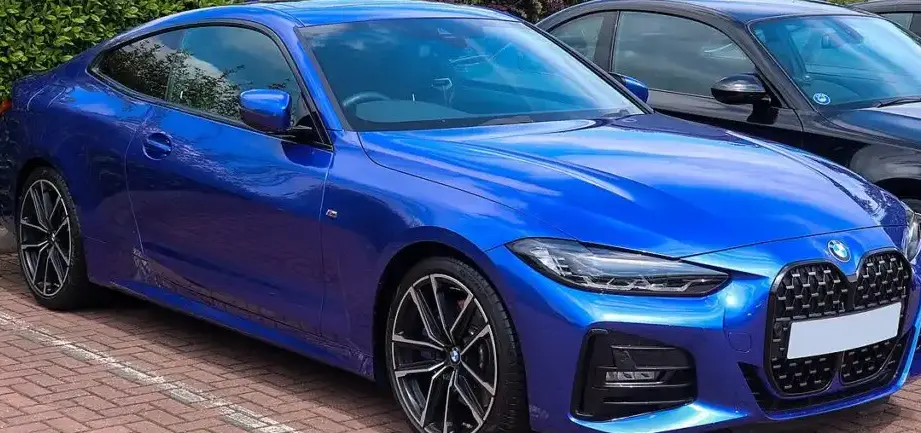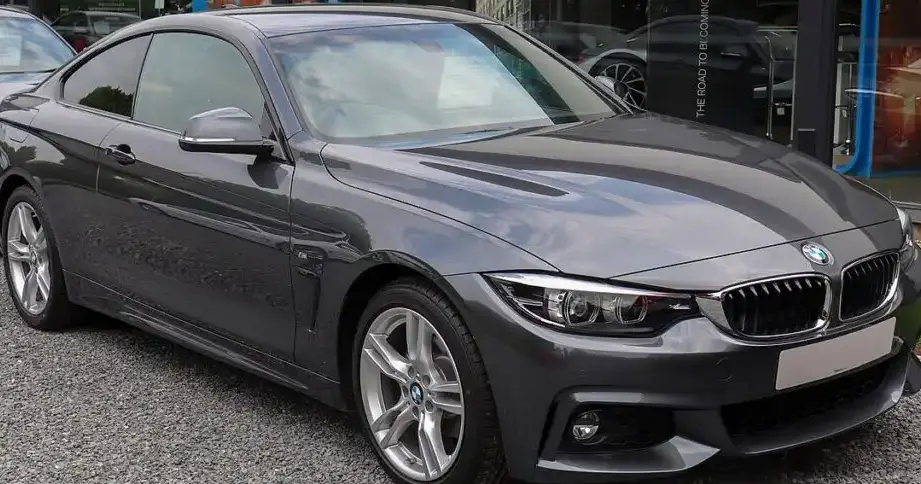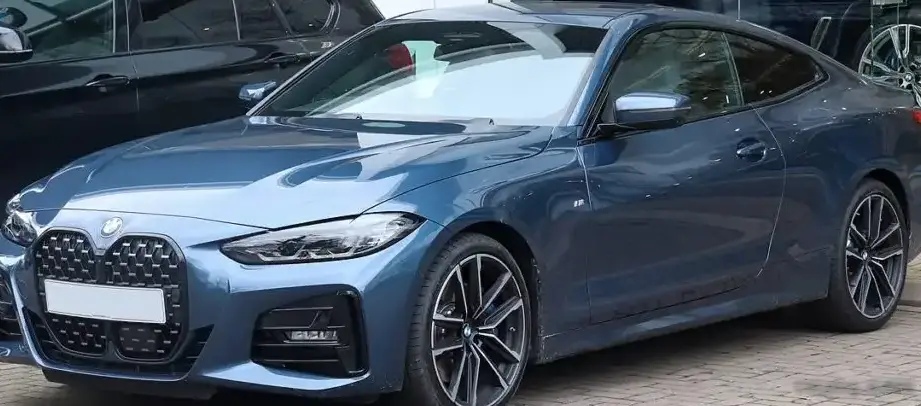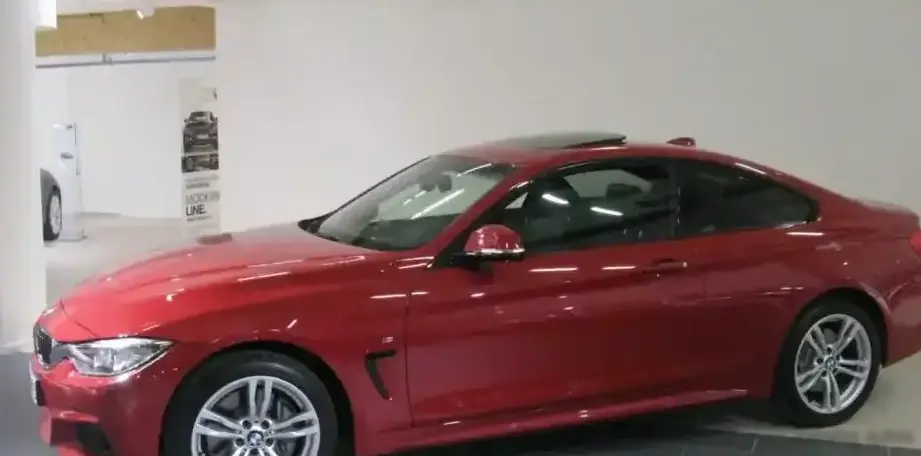
The BMW 4 Series Coupe (F32) 435i, produced from October 2013 to March 2016, represents a significant evolution in BMW’s mid-size coupe offerings. Positioned as a performance-oriented variant within the F32 generation, it aimed to deliver a more engaging driving experience than the base 428i while offering a slightly more accessible price point than the range-topping 435d or future M4 models. The 435i was a key model for BMW in the North American market, where coupes with powerful inline-six engines have traditionally been popular. It built upon the success of the E92 335i, offering a more refined and technologically advanced package.
| Brand | BMW |
| Model | 4 Series |
| Generation | 4 Series Coupe (F32) |
| Type (Engine) | 435i (306 Hp) |
| Start of production | October, 2013 |
| End of production | March, 2016 |
| Powertrain Architecture | Internal Combustion engine |
| Body type | Coupe |
| Seats | 4 |
| Doors | 2 |
| Fuel consumption (economy) – urban (NEDC) | 11.1-11.4 l/100 km (21.2 – 20.6 US mpg) |
| Fuel consumption (economy) – extra urban (NEDC) | 6.1-6.2 l/100 km (38.6 – 37.9 US mpg) |
| Fuel consumption (economy) – combined (NEDC) | 7.9-8.1 l/100 km (29.8 – 29 US mpg) |
| CO2 emissions (NEDC) | 185-189 g/km |
| Fuel Type | Petrol (Gasoline) |
| Acceleration 0 – 100 km/h | 5.4 sec |
| Acceleration 0 – 62 mph | 5.4 sec |
| Acceleration 0 – 60 mph | 5.1 sec |
| Maximum speed | 250 km/h (155.34 mph), Electronically limited |
| Emission standard | Euro 6 |
| Weight-to-power ratio | 4.9 kg/Hp, 202.6 Hp/tonne |
| Weight-to-torque ratio | 3.8 kg/Nm, 264.9 Nm/tonne |
| Power | 306 Hp @ 5800-6400 rpm |
| Power per litre | 102.7 Hp/l |
| Torque | 400 Nm @ 1200-5000 rpm (295.02 lb.-ft. @ 1200-5000 rpm) |
| Engine layout | Front, Longitudinal |
| Engine Model/Code | N55B30A |
| Engine displacement | 2979 cm3 (181.79 cu. in.) |
| Number of cylinders | 6 |
| Engine configuration | Inline |
| Cylinder Bore | 84 mm (3.31 in.) |
| Piston Stroke | 89.6 mm (3.53 in.) |
| Compression ratio | 10.2:1 |
| Number of valves per cylinder | 4 |
| Fuel injection system | Direct injection |
| Engine aspiration | Turbocharger, Intercooler |
| Valvetrain | Double-VANOS, VALVETRONIC |
| Engine oil capacity | 6.5 l (6.87 US qt | 5.72 UK qt) |
| Coolant | 6.7 l (7.08 US qt | 5.9 UK qt) |
| Kerb Weight | 1510 kg (3328.98 lbs.) |
| Max. weight | 2030 kg (4475.38 lbs.) |
| Max load | 520 kg (1146.4 lbs.) |
| Trunk (boot) space – minimum | 445 l (15.72 cu. ft.) |
| Fuel tank capacity | 60 l (15.85 US gal | 13.2 UK gal) |
| Max. roof load | 75 kg (165.35 lbs.) |
| Permitted trailer load with brakes (8%) | 1800 kg (3968.32 lbs.) |
| Permitted trailer load with brakes (12%) | 1700 kg (3747.86 lbs.) |
| Permitted trailer load without brakes | 750 kg (1653.47 lbs.) |
| Permitted towbar download | 75 kg (165.35 lbs.) |
| Length | 4638 mm (182.6 in.) |
| Width | 1825 mm (71.85 in.) |
| Width including mirrors | 2017 mm (79.41 in.) |
| Height | 1377 mm (54.21 in.) |
| Wheelbase | 2810 mm (110.63 in.) |
| Front track | 1545 mm (60.83 in.) |
| Rear (Back) track | 1594 mm (62.76 in.) |
| Front overhang | 787 mm (30.98 in.) |
| Rear overhang | 1041 mm (40.98 in.) |
| Ride height (ground clearance) | 130 mm (5.12 in.) |
| Drag coefficient (Cd) | 0.30 |
| Minimum turning circle (turning diameter) | 11.3 m (37.07 ft.) |
| Drivetrain Architecture | The Internal combustion engine (ICE) drives the rear wheels of the vehicle. |
| Drive wheel | Rear wheel drive |
| Number of gears and type of gearbox | 6 gears, manual transmission |
| Front suspension | Spring Strut, Transverse stabilizer |
| Rear suspension | Independent multi-link spring suspension with stabilizer |
| Front brakes | Ventilated discs |
| Rear brakes | Ventilated discs |
| Assisting systems | ABS (Anti-lock braking system) |
| Steering type | Steering rack and pinion |
| Power steering | Electric Steering |
| Tires size Front | 225/50 R17; 225/45 R18; 225/40 R19; 225/35 R20 |
| Tires size Rear | 225/50 R17; 225/45 R18; 255/40 R18; 255/35 R19; 255/30 R20 |
| Wheel rims size Front | 7.5J x 17; 8J x 18; 8J x 19; 8J x 20 |
| Wheel rims size Rear | 7.5J x 17; 8J x 18; 8.5J x 18; 8.5J x 19; 8.5J x 20 |
Powertrain & Engine Architecture
The heart of the 435i is the N55B30A, a 3.0-liter inline-six cylinder engine. This engine is a direct descendant of the N54, but utilizes improvements like a single twin-scroll turbocharger instead of two smaller ones, and VALVETRONIC variable valve timing and lift on both intake and exhaust sides (Double-VANOS). These advancements resulted in a broader torque curve and improved fuel efficiency. The N55 employs direct fuel injection, delivering fuel directly into the combustion chamber for precise control and increased power. The engine produces 306 horsepower at 5800-6400 rpm and 400 Nm (295 lb-ft) of torque between 1200-5000 rpm. The 435i was typically offered with a six-speed manual transmission, but an eight-speed automatic transmission (ZF 8HP) was also available and widely chosen by US buyers. The automatic transmission features paddle shifters and adaptive shift programs.
Driving Characteristics
The 435i with the automatic transmission delivers a smooth and refined driving experience. The eight-speed automatic is quick-shifting and generally intuitive, although some drivers prefer the more direct engagement of the manual. The broad torque band of the N55 engine means strong acceleration is available across a wide range of engine speeds. While not as raw or track-focused as the later M4, the 435i offers a compelling balance of performance and comfort. The rear-wheel-drive configuration contributes to a balanced chassis, and the optional sport suspension upgrades further enhance handling. Compared to the 428i, the 435i feels significantly more powerful, with noticeably quicker acceleration and a more confident feel when overtaking. The 435i’s performance is comparable to that of the E92 335i, but with improved refinement and technology.
Equipment & Trim Levels
The 435i typically came well-equipped as standard, including leather upholstery, power-adjustable seats, a premium sound system, and BMW’s iDrive infotainment system. Common optional extras included a navigation system, a head-up display, adaptive cruise control, and a sunroof. Interior trim options ranged from basic cloth to more luxurious leather choices with various wood or aluminum accents. Exterior options included different wheel designs, paint colors, and the M Sport package, which added more aggressive styling cues and a sport-tuned suspension.
Chassis & Braking
The F32 4 Series utilizes a MacPherson strut front suspension and a multi-link rear suspension. The 435i typically featured larger stabilizer bars than the 428i to reduce body roll during cornering. Braking duties are handled by ventilated discs at all four corners. ABS (Anti-lock Braking System) is standard. The suspension tuning aimed for a balance between comfort and handling, providing a relatively compliant ride while still offering good control in corners.
Market Reception & Comparison
The 435i was generally well-received by automotive critics. It was praised for its powerful engine, refined handling, and luxurious interior. Some critics noted that the rear seats were somewhat cramped, a common complaint with coupe designs. Compared to the 428i, the 435i offered a significant performance upgrade, but at a higher price point. Fuel economy was respectable for a performance coupe, averaging around 29 mpg combined. The 435i’s reliability was generally good, although some owners reported issues with oil leaks and cooling system components, common to the N55 engine.
Legacy
The F32 435i has become a popular choice in the used car market. The N55 engine is known for its durability and tunability, making it a favorite among enthusiasts. While maintenance costs can be higher than some other vehicles in its class, the 435i offers a compelling combination of performance, luxury, and style. Well-maintained examples continue to command a premium price, and the car remains a desirable option for those seeking a sporty and refined coupe.