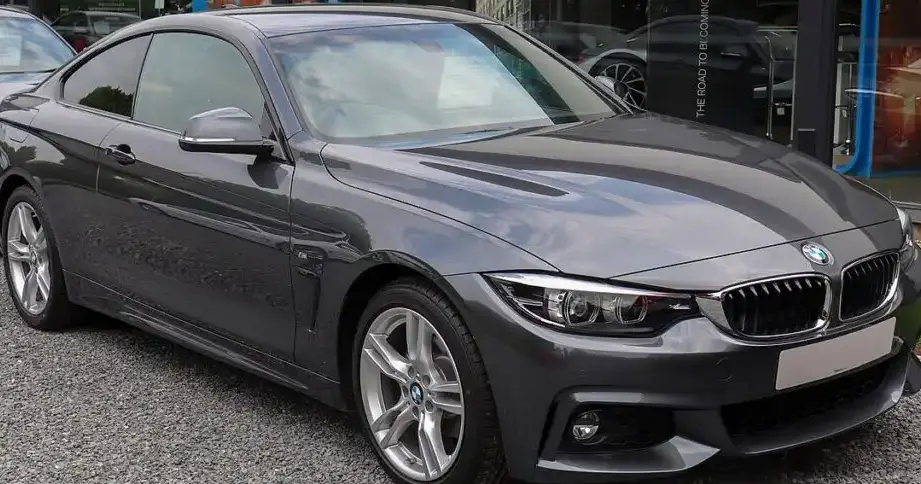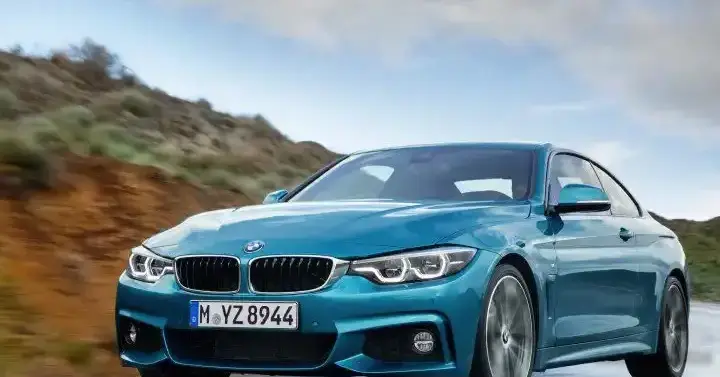
The BMW 4 Series Coupe (F32), specifically the 418i variant produced from 2017 to 2019 following the facelift, represents an entry point into the 4 Series lineup. Positioned as a more accessible option, it offered the coupe’s styling and handling characteristics with a smaller, more fuel-efficient engine. This generation of the 4 Series, built on the F32 platform, aimed to blend sporty driving dynamics with a degree of practicality, appealing to buyers seeking a premium coupe experience without the higher price tag of the more powerful models. The 418i was primarily marketed in Europe and other regions where smaller displacement engines were favored due to taxation and fuel costs.
Technical Specifications
| Brand | BMW |
| Model | 4 Series |
| Generation | 4 Series Coupe (F32, facelift 2017) |
| Type (Engine) | 418i (136 Hp) |
| Start of production | 2017 |
| End of production | 2019 |
| Powertrain Architecture | Internal Combustion engine |
| Body type | Coupe |
| Seats | 4 |
| Doors | 2 |
| Fuel consumption (economy) – urban (NEDC) | 6.7-7.1 l/100 km (35.1 – 33.1 US mpg, 42.2 – 39.8 UK mpg, 14.9 – 14.1 km/l) |
| Fuel consumption (economy) – extra urban (NEDC) | 4.5-4.8 l/100 km (52.3 – 49 US mpg, 62.8 – 58.9 UK mpg, 22.2 – 20.8 km/l) |
| Fuel consumption (economy) – combined (NEDC) | 5.3-5.6 l/100 km (44.4 – 42 US mpg, 53.3 – 50.4 UK mpg, 18.9 – 17.9 km/l) |
| CO2 emissions (NEDC) | 124-131 g/km |
| Fuel Type | Petrol (Gasoline) |
| Acceleration 0 – 100 km/h | 9 sec |
| Acceleration 0 – 62 mph | 9 sec |
| Acceleration 0 – 60 mph | 8.6 sec |
| Maximum speed | 212 km/h (131.73 mph) |
| Emission standard | Euro 6 |
| Weight-to-power ratio | 10.5 kg/Hp, 95.1 Hp/tonne |
| Weight-to-torque ratio | 6.5 kg/Nm, 153.8 Nm/tonne |
| Power | 136 Hp @ 4400 rpm |
| Power per litre | 90.7 Hp/l |
| Torque | 220 Nm @ 1250-4300 rpm (162.26 lb.-ft. @ 1250-4300 rpm) |
| Engine layout | Front, Longitudinal |
| Engine Model/Code | B38B15A |
| Engine displacement | 1499 cm3 (91.47 cu. in.) |
| Number of cylinders | 3 |
| Engine configuration | Inline |
| Cylinder Bore | 82 mm (3.23 in.) |
| Piston Stroke | 94.6 mm (3.72 in.) |
| Compression ratio | 11:1 |
| Number of valves per cylinder | 4 |
| Fuel injection system | Direct injection |
| Engine aspiration | Turbocharger, Intercooler |
| Valvetrain | VALVETRONIC, Double-VANOS |
| Engine oil capacity | 4.25 l (4.49 US qt | 3.74 UK qt) |
| Coolant | 7.7 l (8.14 US qt | 6.78 UK qt) |
| Kerb Weight | 1430 kg (3152.61 lbs.) |
| Max. weight | 1950 kg (4299.01 lbs.) |
| Max load | 520 kg (1146.4 lbs.) |
| Trunk (boot) space – minimum | 445 l (15.72 cu. ft.) |
| Fuel tank capacity | 60 l (15.85 US gal | 13.2 UK gal) |
| Max. roof load | 75 kg (165.35 lbs.) |
| Permitted trailer load with brakes (8%) | 1500 kg (3306.93 lbs.) |
| Permitted trailer load with brakes (12%) | 1300 kg (2866.01 lbs.) |
| Length | 4640 mm (182.68 in.) |
| Width | 1825 mm (71.85 in.) |
| Width including mirrors | 2017 mm (79.41 in.) |
| Height | 1377 mm (54.21 in.) |
| Wheelbase | 2810 mm (110.63 in.) |
| Front track | 1545 mm (60.83 in.) |
| Rear (Back) track | 1594 mm (62.76 in.) |
| Front overhang | 787 mm (30.98 in.) |
| Rear overhang | 1043 mm (41.06 in.) |
| Drivetrain Architecture | The Internal combustion engine (ICE) drives the rear wheels of the vehicle. |
| Drive wheel | Rear wheel drive |
| Number of gears and type of gearbox | 6 gears, manual transmission |
| Front suspension | Spring Strut, Transverse stabilizer |
| Rear suspension | Independent multi-link spring suspension with stabilizer |
| Front brakes | Ventilated discs |
| Rear brakes | Ventilated discs |
| Assisting systems | ABS (Anti-lock braking system) |
| Steering type | Steering rack and pinion |
| Power steering | Electric Steering |
| Tires size Front | 225/50 R17; 225/45 R18; 225/40 R19; 225/35 R20 |
| Tires size Rear | 225/50 R17; 225/45 R18; 255/40 R18; 255/35 R19; 255/30 R20 |
| Wheel rims size Front | 7.5J x 17; 8J x 18; 8J x 19; 8J x 20 |
| Wheel rims size Rear | 7.5J x 17; 8J x 18; 8.5J x 18; 8J x 19; 8.5J x 20 |
Powertrain & Engine Architecture
The 418i is powered by the BMW B38B15A, a 1.5-liter turbocharged inline-three cylinder engine. This engine is part of BMW’s modular engine family, designed for efficiency and scalability. The B38 utilizes direct fuel injection, VALVETRONIC variable valve timing, and Double-VANOS variable camshaft timing to optimize combustion and power delivery. The turbocharger, coupled with an intercooler, helps to mitigate turbo lag and provide a relatively responsive driving experience. The engine produces 136 horsepower at 4400 rpm and 220 Nm (162 lb-ft) of torque between 1250 and 4300 rpm. The engine is longitudinally mounted, driving the rear wheels. The 418i was typically equipped with a 6-speed manual transmission, although an 8-speed automatic transmission was also available as an option.
Driving Characteristics
The 418i, with its smaller engine and rear-wheel drive configuration, offers a different driving experience compared to its more powerful 4 Series siblings. Acceleration from 0-60 mph takes around 8.6 seconds, and top speed is limited to 131.73 mph. While not exceptionally quick, the engine provides adequate power for everyday driving. The turbocharger provides a noticeable boost in torque at lower engine speeds, making it reasonably responsive in urban environments. The manual transmission offers precise shifts, while the optional automatic provides smooth gear changes. The 418i’s lighter weight compared to the six-cylinder models contributes to its agile handling, making it enjoyable on winding roads. However, drivers accustomed to the higher performance of the 420i, 430i, or 440i models will find the 418i’s power delivery less exhilarating.
Equipment & Trim Levels
The 418i typically came standard with features such as automatic climate control, a 6.5-inch infotainment system with iDrive controller, power-adjustable front seats, and a leather-wrapped steering wheel. Upholstery options included cloth and leatherette. Optional extras included a larger infotainment screen, navigation system, premium sound system, heated seats, and a sunroof. Sport Line, Luxury Line, and M Sport packages were available, each adding unique styling elements and additional features. The Sport Line focused on a more aggressive appearance, while the Luxury Line emphasized comfort and refinement. The M Sport package offered sporty suspension upgrades, aerodynamic enhancements, and interior trim details.
Chassis & Braking
The 418i utilizes a MacPherson strut front suspension with a transverse stabilizer bar and an independent multi-link rear suspension, also with a stabilizer bar. This suspension setup provides a good balance between comfort and handling. The braking system consists of ventilated discs on all four wheels, providing adequate stopping power. ABS (Anti-lock Braking System) is standard. The 418i’s curb weight of 1430 kg (3152.61 lbs) is relatively low for a coupe of its size, contributing to its agile handling characteristics.
Market Reception & Comparison
The 418i was generally well-received by critics as an accessible entry point into the 4 Series range. It was praised for its fuel efficiency, comfortable ride, and stylish design. However, some reviewers noted that the engine lacked the punch of the larger engines available in the 4 Series lineup. Compared to the 420i, the 418i offered lower running costs but less performance. The 420i, with its 184 horsepower, provided a more engaging driving experience. In terms of reliability, the B38 engine has proven to be generally reliable, although some owners have reported issues with the timing chain. Fuel economy figures of 44.4 – 42 US mpg combined made it a competitive option in its class.
Legacy
The BMW 418i (F32) represents a shift towards smaller, more efficient engines in the premium coupe segment. While it may not be as sought after as the higher-performance 4 Series models, it offers a compelling combination of style, comfort, and fuel economy. On the used car market, the 418i represents a relatively affordable way to experience BMW’s coupe design and handling. Its generally reliable powertrain and readily available parts make it a practical choice for buyers seeking a well-rounded and stylish coupe.