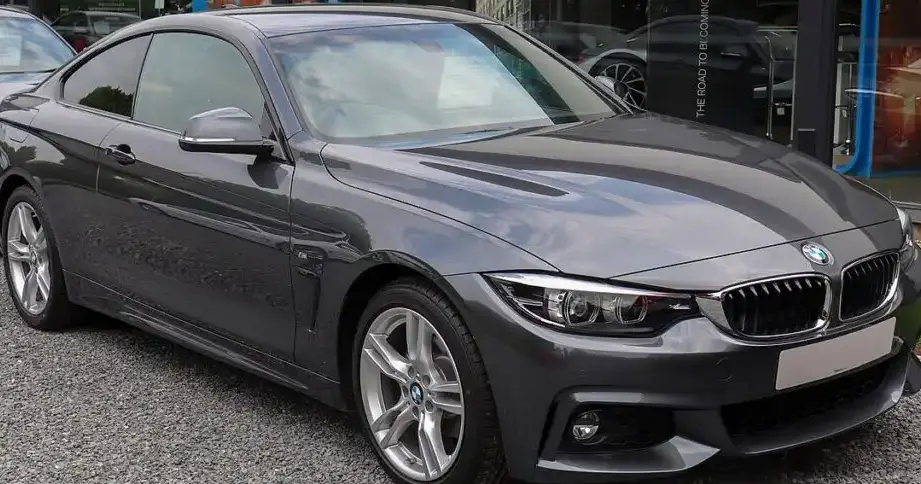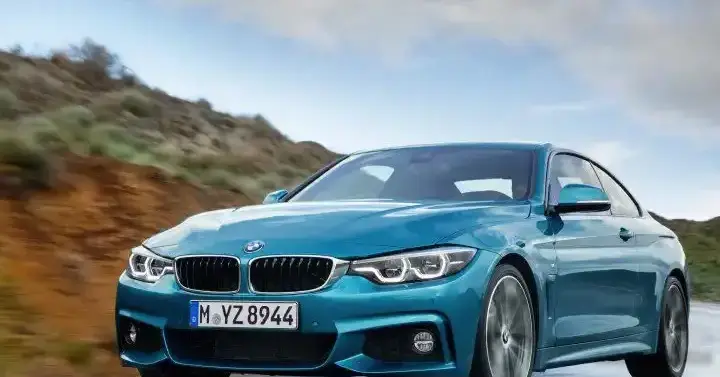
The BMW 4 Series Coupe (F32), specifically the 420d variant produced from 2017 to 2020 following the facelift, represents a compelling entry point into the premium compact executive coupe market. Positioned as a more efficient and accessible alternative to its higher-performance siblings like the 430i and 440i, the 420d aimed to balance BMW’s renowned driving dynamics with improved fuel economy and lower running costs. This model falls within the F32 generation, which itself is based on the F30 3 Series platform, sharing much of its underlying architecture but offering a more stylish and sporting profile. The 420d was primarily marketed towards buyers seeking a sophisticated and enjoyable driving experience without the higher price tag or fuel consumption associated with the more powerful engines.
Technical Specifications
| Brand | BMW |
| Model | 4 Series |
| Generation | 4 Series Coupe (F32, facelift 2017) |
| Type (Engine) | 420d (190 Hp) |
| Start of production | 2017 |
| End of production | 2020 |
| Powertrain Architecture | Internal Combustion engine |
| Body type | Coupe |
| Seats | 4 |
| Doors | 2 |
| Fuel consumption (urban) | 5.1-5.5 l/100 km (46.1 – 42.8 US mpg) |
| Fuel consumption (extra urban) | 3.7-3.9 l/100 km (63.6 – 60.3 US mpg) |
| Fuel consumption (combined) | 4.2-4.5 l/100 km (56 – 52.3 US mpg) |
| CO2 emissions | 111-119 g/km |
| Fuel Type | Diesel |
| Acceleration 0 – 100 km/h | 7.3 sec |
| Acceleration 0 – 62 mph | 7.3 sec |
| Acceleration 0 – 60 mph | 6.9 sec |
| Maximum speed | 240 km/h (149.13 mph) |
| Emission standard | Euro 6 |
| Weight-to-power ratio | 7.8 kg/Hp, 128.8 Hp/tonne |
| Weight-to-torque ratio | 3.7 kg/Nm, 271.2 Nm/tonne |
| Power | 190 Hp @ 4000 rpm |
| Torque | 400 Nm @ 1750-2500 rpm (295.02 lb.-ft. @ 1750-2500 rpm) |
| Engine layout | Front, Longitudinal |
| Engine Model/Code | B47D20A |
| Engine displacement | 1995 cm3 (121.74 cu. in.) |
| Number of cylinders | 4 |
| Engine configuration | Inline |
| Cylinder Bore | 84 mm (3.31 in.) |
| Piston Stroke | 90 mm (3.54 in.) |
| Compression ratio | 16.5:1 |
| Number of valves per cylinder | 4 |
| Fuel injection system | Diesel Commonrail |
| Engine aspiration | Twin-power turbo, Intercooler |
| Engine oil capacity | 5 l (5.28 US qt | 4.4 UK qt) |
| Coolant | 7 l (7.4 US qt | 6.16 UK qt) |
| Kerb Weight | 1475 kg (3251.82 lbs.) |
| Max. weight | 1995 kg (4398.22 lbs.) |
| Max load | 520 kg (1146.4 lbs.) |
| Trunk (boot) space – minimum | 445 l (15.72 cu. ft.) |
| Fuel tank capacity | 57 l (15.06 US gal | 12.54 UK gal) |
| Max. roof load | 75 kg (165.35 lbs.) |
| Permitted trailer load with brakes (12%) | 1600 kg (3527.4 lbs.) |
| Permitted trailer load without brakes | 745 kg (1642.44 lbs.) |
| Permitted towbar download | 75 kg (165.35 lbs.) |
| Length | 4640 mm (182.68 in.) |
| Width | 1825 mm (71.85 in.) |
| Height | 1377 mm (54.21 in.) |
| Wheelbase | 2810 mm (110.63 in.) |
| Front track | 1547 mm (60.91 in.) |
| Rear (Back) track | 1593 mm (62.72 in.) |
| Ride height (ground clearance) | 130 mm (5.12 in.) |
| Drag coefficient (Cd) | 0.28 |
| Minimum turning circle (turning diameter) | 11.3 m (37.07 ft.) |
| Drivetrain Architecture | The Internal combustion engine (ICE) drives the rear wheels of the vehicle. |
| Drive wheel | Rear wheel drive |
| Number of gears and type of gearbox | 6 gears, manual transmission |
| Front suspension | Independent coil spring |
| Rear suspension | Independent multi-link suspension |
| Front brakes | Ventilated discs |
| Rear brakes | Ventilated discs |
| Assisting systems | ABS (Anti-lock braking system) |
| Steering type | Steering rack and pinion |
| Power steering | Electric Steering |
| Tires size | 225/50 R17; 225/45 R18; 255/40 R18; 225/40 R19; 255/35 R19 |
| Wheel rims size | 7.5J x 17; 8J x 18; 8.5J x 18; 8J x 19; 8.5J x 19 |
INTRODUCTION
The BMW 420d Coupe, as part of the F32 facelift (2017-2020), offered a refined and efficient grand touring experience. It slotted into the 4 Series lineup as the entry-level diesel option, providing a balance between performance, fuel economy, and affordability. The F32 generation, launched in 2013, was BMW’s attempt to create a more emotionally driven and stylish alternative to the 3 Series sedan. The facelift in 2017 brought updated styling cues, including revised headlights and taillights, along with improvements to the interior and technology. The 420d, with its 2.0-liter turbocharged diesel engine, was a popular choice in European markets, where diesel fuel was more prevalent and fuel efficiency was highly valued.
Powertrain & Engine Architecture
The heart of the 420d is the BMW B47D20A, a 2.0-liter inline-four cylinder diesel engine. This engine is a member of BMW’s modular engine family, known for its efficiency and refinement. The B47 utilizes a common-rail direct injection system, delivering fuel at extremely high pressures for optimized combustion. A single twin-scroll turbocharger with variable geometry turbine (VGT) technology provides a broad torque curve and minimizes turbo lag. The engine also features an intercooler to further enhance performance. The 420d typically came equipped with a six-speed manual transmission, but an eight-speed automatic transmission (ZF 8HP) was also available as an option, and became increasingly common. The automatic transmission offered smoother shifts and improved fuel economy, but at the expense of some driver engagement. The engine produces 400 Nm (295 lb-ft) of torque between 1750 and 2500 rpm, providing strong mid-range acceleration.
Driving Characteristics
The 420d Coupe, while not a performance flagship, delivers a surprisingly engaging driving experience. The 190 horsepower and 400 Nm of torque provide adequate power for everyday driving and comfortable highway cruising. Acceleration from 0 to 60 mph takes around 6.9 seconds, which is respectable for a diesel coupe. The automatic transmission, when equipped, offers quick and seamless gear changes, contributing to a smooth and refined ride. Compared to the more powerful 430i and 440i models, the 420d feels less urgent in its acceleration, but its abundant low-end torque makes it easy to overtake and navigate traffic. The rear-wheel-drive configuration provides a balanced and predictable handling characteristic, typical of BMWs. The steering is precise and well-weighted, offering good feedback to the driver.
Equipment & Trim Levels
The 420d Coupe came standard with a generous array of features, including automatic climate control, power-adjustable front seats, a BMW iDrive infotainment system with a 6.5-inch display screen, and a leather-wrapped steering wheel. Optional extras included a larger 8.8-inch iDrive display, navigation system, Harman Kardon premium sound system, heated front seats, and a sunroof. Interior upholstery options typically included cloth, leatherette, and full leather. Trim levels varied depending on the market, but generally included Sport Line, Luxury Line, and M Sport packages, each offering unique styling cues and additional features. The M Sport package, for example, included more aggressive body styling, sport suspension, and upgraded interior trim.
Chassis & Braking
The 420d Coupe utilizes a sophisticated chassis design, featuring an independent suspension at all four corners. The front suspension consists of coil springs and struts, while the rear suspension employs a multi-link setup. This configuration provides a comfortable ride while maintaining good handling characteristics. Brakes are ventilated discs all around, providing ample stopping power. Anti-lock braking system (ABS), electronic stability control (ESC), and traction control are standard safety features. The 420d’s weight, around 1475 kg (3251 lbs), is relatively well-distributed, contributing to its balanced handling.
Market Reception & Comparison
The 420d Coupe was generally well-received by automotive critics, who praised its fuel efficiency, refined ride, and stylish design. However, some critics noted that the engine lacked the outright performance of its gasoline-powered counterparts. Compared to the 430i, the 420d offered significantly better fuel economy but less horsepower and torque. The 420d also provided a more affordable entry point into the 4 Series range, making it an attractive option for buyers who prioritized efficiency and value. In terms of reliability, the B47 engine has proven to be generally robust, although some owners have reported issues with the timing chain and diesel particulate filter (DPF).
Legacy
The BMW 420d Coupe (F32) remains a popular choice in the used car market, particularly in Europe. Its combination of style, efficiency, and driving dynamics continues to appeal to buyers seeking a premium compact coupe. The B47 engine, while not without its potential issues, is generally considered to be a reliable and durable unit. The 420d represents a significant step forward in diesel engine technology, offering a refined and enjoyable driving experience with impressive fuel economy. As a used car, the 420d offers a compelling value proposition, providing a taste of BMW luxury and performance at a relatively affordable price point.