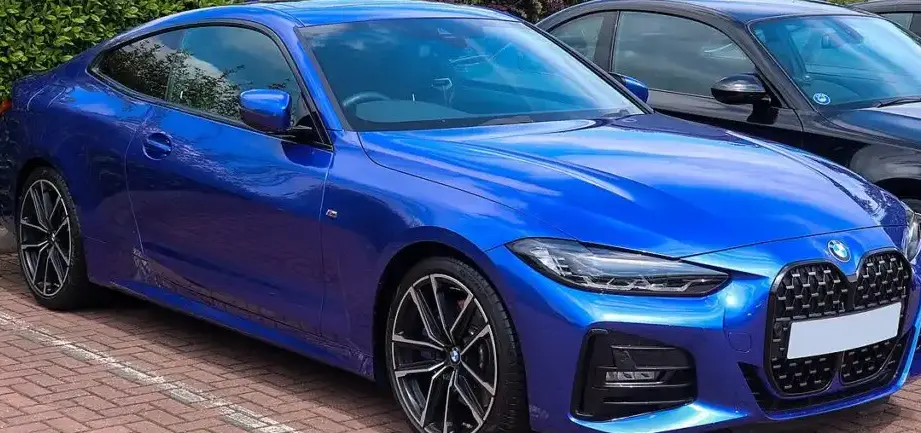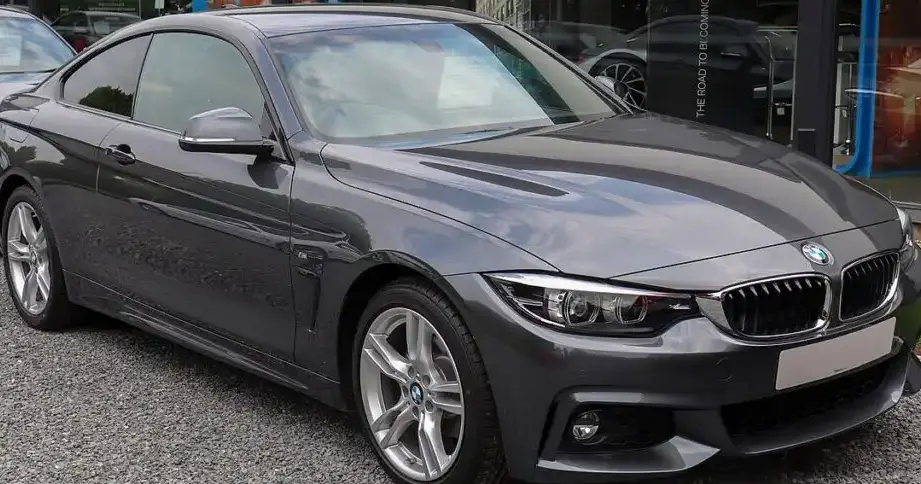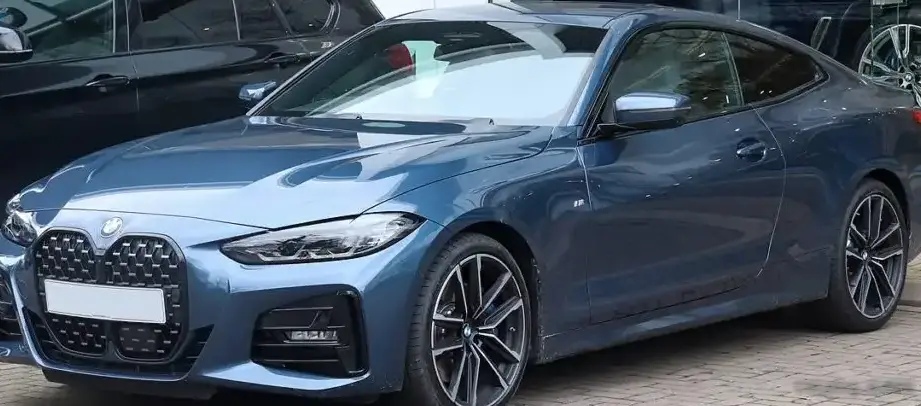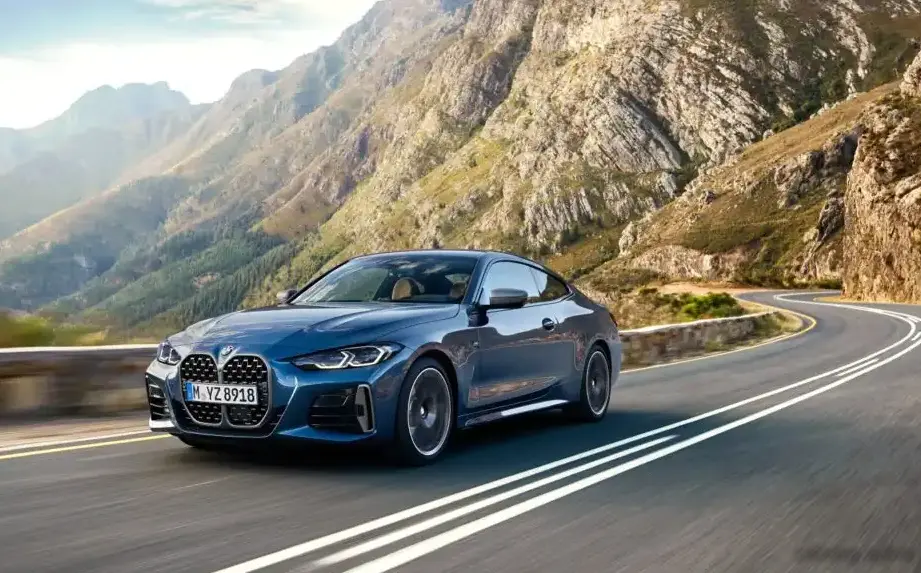
The BMW 4 Series Coupe (G22) 420d, produced from 2020 through January 2024, represents a key entry point into the G22 generation of BMW’s popular coupe. Positioned as a diesel-powered variant within the 4 Series lineup, the 420d utilizes a mild hybrid system to enhance fuel efficiency and refine the driving experience. This model aimed to balance performance with economy, appealing to buyers seeking a premium coupe experience without the higher running costs associated with more powerful engines. It slots below the 430i and M440i in terms of performance and price, offering a more accessible option for those prioritizing fuel economy and a comfortable ride.
Technical Specifications
| Brand | BMW |
| Model | 4 Series |
| Generation | 4 Series Coupe (G22) |
| Type (Engine) | 420d (190 Hp) Mild Hybrid Steptronic |
| Start of production | 2020 |
| End of production | January, 2024 |
| Powertrain Architecture | MHEV (Mild Hybrid Electric Vehicle) |
| Body type | Coupe |
| Seats | 4 |
| Doors | 2 |
| Combined fuel consumption (WLTP) | 4.5-5.2 l/100 km (52.3 – 45.2 US mpg) |
| CO2 emissions (WLTP) | 118-137 g/km |
| Fuel consumption (economy) – urban (NEDC) | 4.5-4.9 l/100 km (52.3 – 48 US mpg) |
| Fuel consumption (economy) – extra urban (NEDC) | 3.6-3.9 l/100 km (65.3 – 60.3 US mpg) |
| Fuel consumption (economy) – combined (NEDC) | 3.9-4.2 l/100 km (60.3 – 56 US mpg) |
| CO2 emissions (NEDC) | 103-112 g/km |
| Fuel Type | Diesel |
| Acceleration 0 – 100 km/h | 7.1 sec |
| Acceleration 0 – 62 mph | 7.1 sec |
| Acceleration 0 – 60 mph | 6.7 sec |
| Maximum speed | 240 km/h (149.13 mph) |
| Emission standard | Euro 6d |
| Weight-to-power ratio | 8.4 kg/Hp |
| Weight-to-torque ratio | 4 kg/Nm |
| Gross battery capacity | 0.4 kWh |
| Battery voltage | 48 V |
| Battery technology | Lithium-ion (Li-Ion) |
| Electric motor power | 11 Hp |
| Electric motor Torque | 25 Nm (18.44 lb.-ft.) |
| Power | 190 Hp @ 4000 rpm |
| Torque | 400 Nm @ 1750-2500 rpm (295.02 lb.-ft. @ 1750-2500 rpm) |
| Engine layout | Front, Longitudinal |
| Engine Model/Code | B47D20B |
| Engine displacement | 1995 cm3 (121.74 cu. in.) |
| Number of cylinders | 4 |
| Engine configuration | Inline |
| Cylinder Bore | 84 mm (3.31 in.) |
| Piston Stroke | 90 mm (3.54 in.) |
| Compression ratio | 16.5:1 |
| Number of valves per cylinder | 4 |
| Fuel injection system | Diesel Commonrail |
| Engine aspiration | Twin-power turbo, Intercooler |
| Valvetrain | DOHC |
| Engine oil capacity | 5.5 l (5.81 US qt | 4.84 UK qt) |
| Coolant | 7 l (7.4 US qt | 6.16 UK qt) |
| Kerb Weight | 1605 kg (3538.42 lbs.) |
| Max. weight | 2095 kg (4618.68 lbs.) |
| Max load | 490 kg (1080.27 lbs.) |
| Trunk (boot) space – minimum | 440 l (15.54 cu. ft.) |
| Fuel tank capacity | 59 l (15.59 US gal | 12.98 UK gal) |
| Length | 4768 mm (187.72 in.) |
| Width | 1852 mm (72.91 in.) |
| Height | 1383 mm (54.45 in.) |
| Wheelbase | 2851 mm (112.24 in.) |
| Number of gears | 8 |
| Type of gearbox | automatic transmission Steptronic |
INTRODUCTION
The BMW 420d Coupe, introduced in 2020 as part of the G22 generation, represents BMW’s continued commitment to offering efficient and refined diesel options within its premium coupe range. Built on the 1HX0 platform (shared with the 3 Series), the 420d aimed to deliver a balance of performance, fuel economy, and comfort. The inclusion of 48V mild hybrid technology further enhanced its efficiency, contributing to lower emissions and improved real-world fuel consumption. This variant was particularly popular in European markets where diesel engines remain prevalent, but also found a niche audience in other regions seeking a sophisticated and economical grand tourer.
Powertrain & Engine Architecture
At the heart of the 420d lies the BMW B47D20B, a 2.0-liter inline-four cylinder diesel engine. This engine is a member of BMW’s modular engine family, known for its robust construction and advanced technology. The B47 utilizes a common rail direct injection system, delivering fuel at extremely high pressures for optimized combustion. A twin-scroll turbocharger, coupled with an intercooler, provides enhanced power and torque across a broad rev range. The engine also features a sophisticated valvetrain with Double Overhead Camshafts (DOHC) and four valves per cylinder. The mild hybrid system incorporates a 48V lithium-ion battery and an integrated starter generator, allowing for features like extended start-stop operation, regenerative braking, and a small power boost during acceleration. The Steptronic 8-speed automatic transmission is standard, offering smooth and efficient gear changes. This transmission is known for its responsiveness and ability to adapt to driving conditions.
Driving Characteristics
The 420d Coupe delivers a refined and comfortable driving experience. While not as overtly sporty as the higher-powered 4 Series variants, the 190 hp and 400 Nm (295 lb-ft) of torque provide ample power for everyday driving and confident overtaking. Acceleration from 0-60 mph takes approximately 6.7 seconds, and the car reaches a top speed of 149 mph. The 8-speed automatic transmission is well-tuned, providing seamless gear changes and contributing to a relaxed cruising experience. The mild hybrid system helps to smooth out the engine’s operation and improve fuel economy, particularly in urban environments. Compared to a manual transmission version (not widely available on this model), the automatic offers greater convenience and ease of use. Against the more powerful 430i, the 420d feels less urgent in its acceleration, but offers significantly better fuel economy.
Equipment & Trim Levels
The 420d Coupe typically came equipped with a generous array of standard features. These included BMW’s iDrive infotainment system with a central touchscreen display, leather upholstery, automatic climate control, and a suite of driver assistance systems such as lane departure warning and collision warning. Optional extras included a premium sound system, adaptive suspension, heated seats, and a head-up display. Trim levels varied depending on the market, but generally offered options for upgraded interior materials, exterior styling enhancements, and additional technology features. Sport Line, Luxury Line, and M Sport packages were commonly available, each offering a distinct aesthetic and equipment focus.
Chassis & Braking
The G22 4 Series Coupe features a sophisticated chassis designed to deliver a balance of comfort and handling. The front suspension utilizes a spring strut design with a transverse stabilizer bar, while the rear suspension employs an independent multi-link setup, also with a stabilizer bar. This configuration provides excellent ride quality and precise handling. The 420d typically came equipped with ventilated disc brakes on all four wheels, providing ample stopping power. Anti-lock Braking System (ABS) and Electronic Stability Control (ESC) are standard safety features. The weight distribution is well-balanced, contributing to the car’s agile handling characteristics.
Market Reception & Comparison
The 420d Coupe was generally well-received by automotive critics. It was praised for its refined engine, comfortable ride, and fuel efficiency. However, some reviewers noted that it lacked the outright performance of the more powerful 4 Series variants. Compared to the 430i, the 420d offered a more economical option, but at the expense of some performance. Against other diesel-powered coupes in its class, the 420d stood out for its sophisticated technology and premium interior. Fuel economy figures typically ranged from 4.5 to 5.2 l/100 km (52.3 – 45.2 US mpg), making it a competitive option in terms of running costs.
Legacy
The BMW 420d Coupe (G22) represents a significant step forward in diesel engine technology and efficiency. The B47D20B engine has proven to be a reliable and durable unit, and the inclusion of mild hybrid technology further enhances its long-term viability. On the used car market, the 420d Coupe remains a popular choice for buyers seeking a premium coupe experience with low running costs. Its combination of style, comfort, and efficiency ensures its continued appeal for years to come. Regular maintenance, including oil changes and adherence to BMW’s service schedule, is crucial for maintaining the longevity of the powertrain.