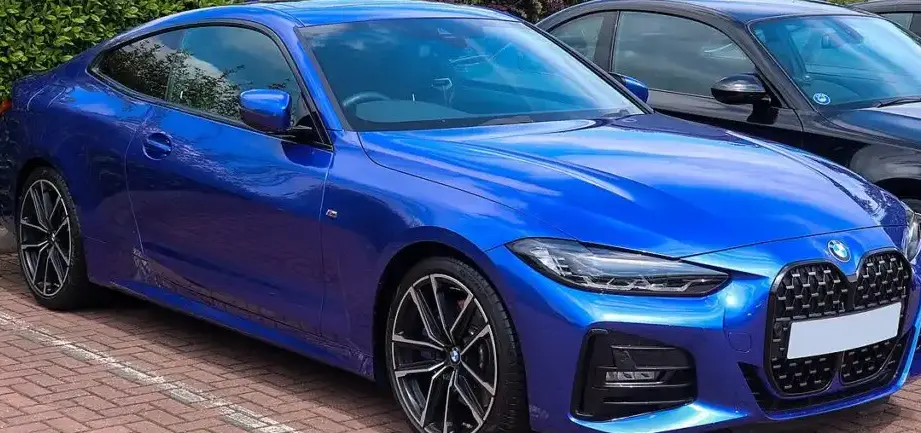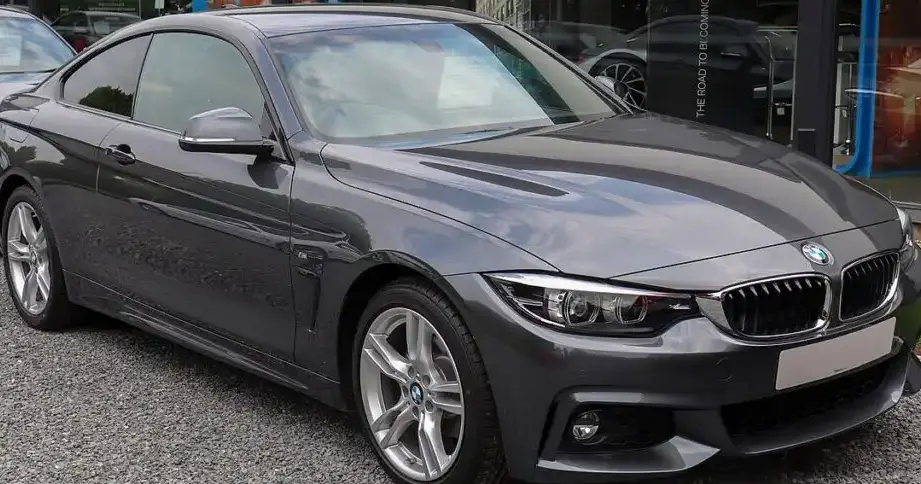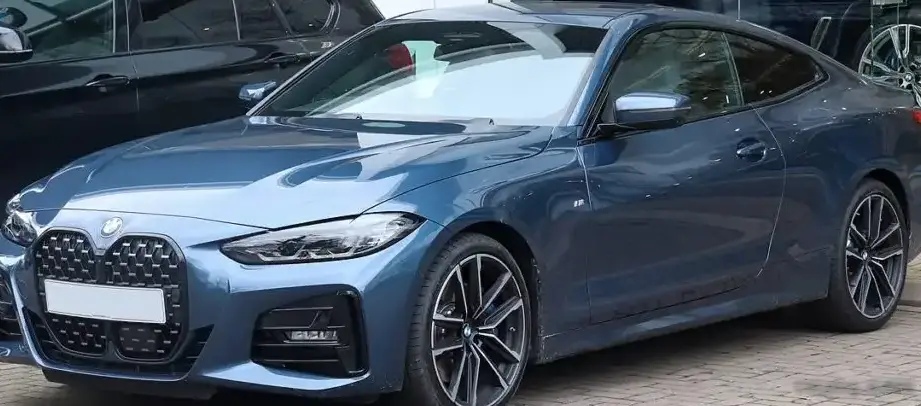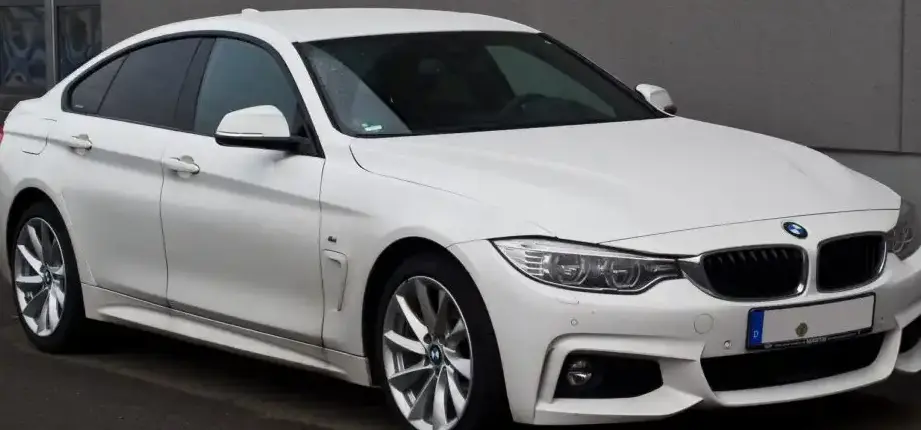
The BMW 4 Series Gran Coupe (F36) 420i, produced from 2014 to 2016, represented an entry point into the Gran Coupe body style within the broader 4 Series lineup. Positioned as a more practical alternative to the traditional 4 Series Coupe, the Gran Coupe offered five-door convenience without sacrificing the sporty aesthetic BMW was known for. The 420i variant, powered by a 2.0-liter turbocharged four-cylinder engine producing 184 horsepower, served as the base model, appealing to buyers seeking a balance of performance, efficiency, and affordability. It was built on the F30 3 Series platform, sharing many components but distinguished by its unique Gran Coupe silhouette and more premium positioning.
Technical Specifications
| Brand | BMW |
| Model | 4 Series |
| Generation | 4 Series Gran Coupe (F36) |
| Type (Engine) | 420i (184 Hp) |
| Start of production | 2014 |
| End of production | 2016 |
| Powertrain Architecture | Internal Combustion engine |
| Body type | Coupe |
| Seats | 5 |
| Doors | 5 |
| Fuel consumption (urban) | 8.9 l/100 km (26.4 US mpg) |
| Fuel consumption (extra urban) | 5.2 l/100 km (45.2 US mpg) |
| Fuel consumption (combined) | 6.6 l/100 km (35.6 US mpg) |
| CO2 emissions | 153 g/km |
| Fuel Type | Petrol (Gasoline) |
| Acceleration 0 – 100 km/h | 7.5 sec |
| Acceleration 0 – 62 mph | 7.5 sec |
| Acceleration 0 – 60 mph | 7.1 sec |
| Maximum speed | 236 km/h (146.64 mph) |
| Emission standard | Euro 6 |
| Weight-to-power ratio | 8.5 kg/Hp |
| Weight-to-torque ratio | 5.8 kg/Nm |
| Power | 184 Hp @ 5000-6250 rpm |
| Torque | 270 Nm @ 1250-4500 rpm (199.14 lb.-ft.) |
| Engine layout | Front, Longitudinal |
| Engine Model/Code | N20B20B |
| Engine displacement | 1997 cm3 (121.86 cu. in.) |
| Number of cylinders | 4 |
| Engine configuration | Inline |
| Cylinder Bore | 84 mm (3.31 in.) |
| Piston Stroke | 90.1 mm (3.55 in.) |
| Compression ratio | 11:1 |
| Number of valves per cylinder | 4 |
| Fuel injection system | Direct injection |
| Engine aspiration | Twin-power turbo, Intercooler |
| Engine oil capacity | 5 l (5.28 US qt | 4.4 UK qt) |
| Coolant | 7.6 l (8.03 US qt | 6.69 UK qt) |
| Kerb Weight | 1555 kg (3428.19 lbs.) |
| Max. weight | 2040 kg (4497.43 lbs.) |
| Max load | 485 kg (1069.24 lbs.) |
| Fuel tank capacity | 60 l (15.85 US gal | 13.2 UK gal) |
| Length | 4638 mm (182.6 in.) |
| Width | 1825 mm (71.85 in.) |
| Height | 1389 mm (54.69 in.) |
| Wheelbase | 2810 mm (110.63 in.) |
| Front track | 1557 mm (61.3 in.) |
| Rear track | 1605 mm (63.19 in.) |
| Drivetrain Architecture | Rear wheel drive |
| Number of gears | 6 gears, manual transmission |
| Front suspension | Independent coil spring |
| Rear suspension | Independent multi-link suspension |
| Front brakes | Ventilated discs |
| Rear brakes | Ventilated discs |
| Assisting systems | ABS (Anti-lock braking system) |
| Steering type | Steering rack and pinion |
| Power steering | Electric Steering |
| Tires size | 225/50 R17 94W |
| Wheel rims size | 7.5J x 17 |
Powertrain & Engine Architecture
The heart of the 420i Gran Coupe was the BMW N20B20B engine, a 2.0-liter inline-four cylinder powerplant. This engine was a key component of BMW’s modular engine family, utilizing direct fuel injection and a single twin-scroll turbocharger. The direct injection system, operating at pressures up to 200 bar, allowed for precise fuel delivery and optimized combustion. The twin-scroll turbocharger minimized turbo lag, providing a more responsive driving experience. The N20 engine featured Valvetronic technology, which allowed for stepless control of valve lift, further enhancing efficiency and power delivery. The 6-speed manual transmission was standard, offering precise shifts and a direct connection to the engine. While an 8-speed automatic transmission was available as an option, the manual was favored by enthusiasts for its engaging feel.
Driving Characteristics
The 420i Gran Coupe, with its 184 horsepower and 199 lb-ft of torque, offered a respectable, though not overwhelming, driving experience. Acceleration from 0-60 mph took around 7.1 seconds. The engine delivered a broad torque curve, making it feel responsive in everyday driving situations. Compared to the more powerful 435i models, the 420i prioritized fuel efficiency and comfort over outright performance. The manual transmission provided a satisfyingly connected feel, while the optional automatic offered smooth and convenient gear changes. The Gran Coupe’s rear-wheel-drive layout contributed to balanced handling, although it wasn’t as sharp or agile as some of its competitors. The suspension was tuned for a balance between comfort and control, providing a reasonably compliant ride without sacrificing handling precision.
Equipment & Trim Levels
The 420i Gran Coupe came standard with a generous array of features, including automatic climate control, power-adjustable front seats, a BMW iDrive infotainment system with a 6.5-inch display, and a suite of safety features like ABS, stability control, and multiple airbags. Upholstery was typically cloth, but leather options were available. Common optional extras included a larger iDrive display, navigation system, premium sound system, sunroof, and various driver-assistance technologies. Trim levels were relatively simple, with most customization coming through individual options rather than distinct packages. Sport Line and Luxury Line packages were available, offering unique exterior and interior styling cues.
Chassis & Braking
The F36 4 Series Gran Coupe utilized a MacPherson strut front suspension and a multi-link rear suspension. The suspension geometry was tuned to provide a balance between comfort and handling. The 420i typically featured ventilated disc brakes on all four wheels, providing adequate stopping power for its weight and performance. ABS (Anti-lock Braking System) was standard, along with electronic brake-force distribution and brake assist. The steering system was an electric power-assisted rack-and-pinion setup, offering precise and responsive steering feel. The chassis was designed to be relatively lightweight, contributing to the car’s agility and fuel efficiency.
Market Reception & Comparison
The 420i Gran Coupe was generally well-received by automotive critics, who praised its stylish design, practical five-door layout, and fuel-efficient engine. However, some reviewers noted that the 184-horsepower engine felt somewhat underpowered, especially when compared to the more potent 435i models. Fuel economy was a strong point, with combined figures around 35.6 US mpg. In terms of reliability, the N20 engine proved to be generally dependable, although some owners reported issues with the timing chain and water pump. Compared to competitors like the Audi A5 Sportback and the Volkswagen Passat CC, the 420i Gran Coupe offered a more premium driving experience and a more distinctive design.
Legacy
The BMW 4 Series Gran Coupe (F36) 420i remains a popular choice in the used car market. Its combination of style, practicality, and fuel efficiency continues to appeal to buyers. The N20 engine, while not without its potential issues, is generally considered to be a robust and reliable powerplant when properly maintained. Parts availability is good, and the car’s relatively simple mechanical design makes it relatively easy to service. The 420i Gran Coupe represents a compelling entry point into the BMW brand, offering a taste of the brand’s renowned driving dynamics and luxurious features at a more affordable price point.