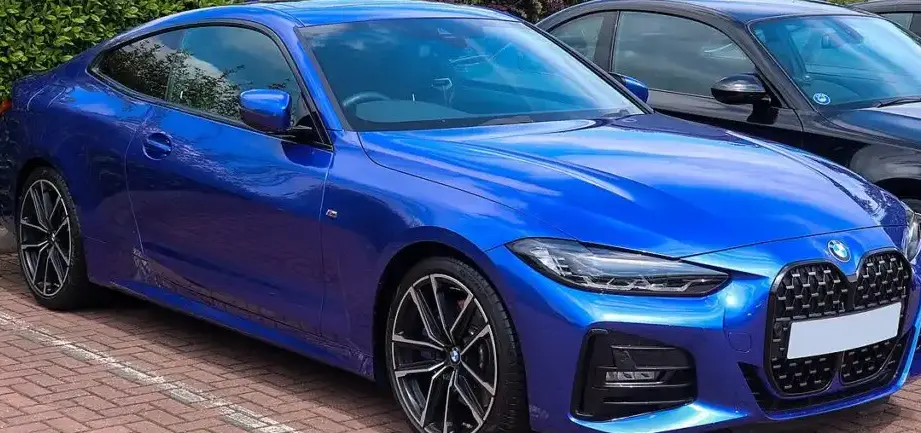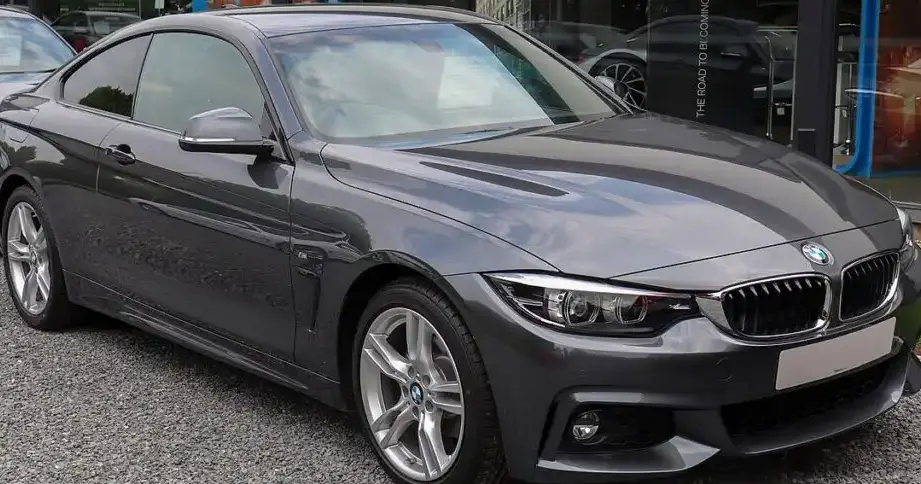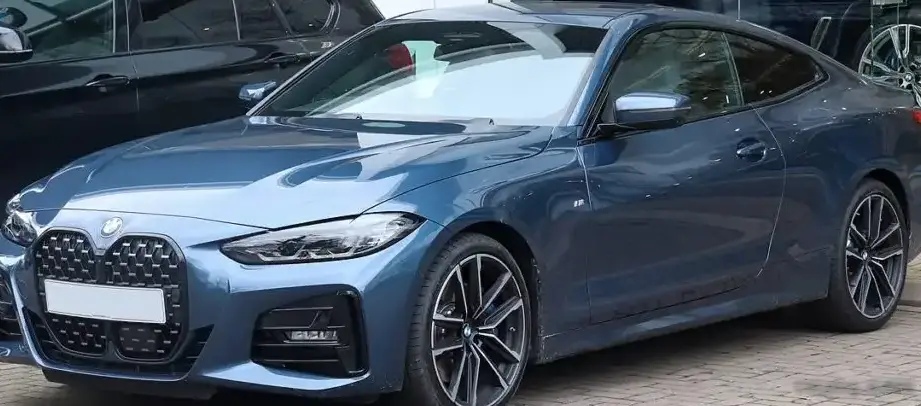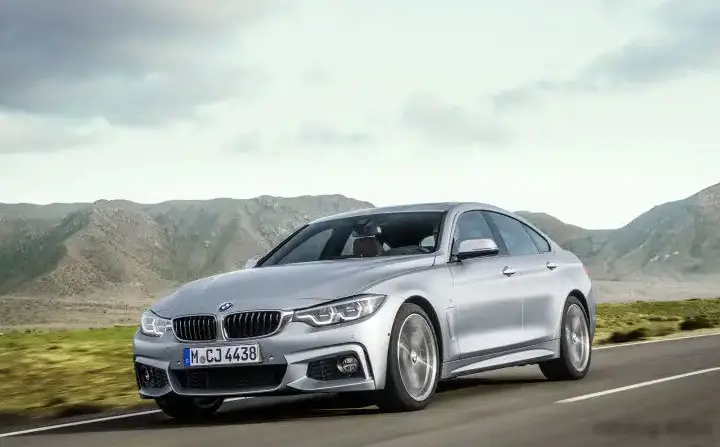
The BMW 4 Series Gran Coupe (F36), specifically the 418d variant with 150 horsepower, was produced from 2017 to 2021 as part of the F36 lifecycle facelift. This model occupied a key position in BMW’s 4 Series lineup, offering a blend of practicality, efficiency, and the brand’s signature driving dynamics. Positioned as an entry-level diesel option within the Gran Coupe range, it catered to buyers seeking lower running costs without sacrificing the premium feel and styling of the 4 Series. The 418d aimed to bridge the gap between the more performance-oriented gasoline models and the higher-specification diesel variants like the 420d and 430d.
Technical Specifications
| Brand | BMW |
| Model | 4 Series |
| Generation | 4 Series Gran Coupe (F36, facelift 2017) |
| Type (Engine) | 418d (150 Hp) |
| Start of production | 2017 |
| End of production | 2021 |
| Powertrain Architecture | Internal Combustion engine |
| Body type | Coupe |
| Seats | 5 |
| Doors | 4 |
| Fuel consumption (urban) | 5.0-5.4 l/100 km (47 – 43.6 US mpg, 56.5 – 52.3 UK mpg, 20 – 18.5 km/l) |
| Fuel consumption (extra urban) | 3.6-3.9 l/100 km (65.3 – 60.3 US mpg, 78.5 – 72.4 UK mpg, 27.8 – 25.6 km/l) |
| Fuel consumption (combined) | 4.1-4.5 l/100 km (57.4 – 52.3 US mpg, 68.9 – 62.8 UK mpg, 24.4 – 22.2 km/l) |
| CO2 emissions | 109-118 g/km |
| Fuel Type | Diesel |
| Acceleration 0 – 100 km/h | 9 sec |
| Acceleration 0 – 62 mph | 9 sec |
| Acceleration 0 – 60 mph | 8.6 sec |
| Maximum speed | 213 km/h (132.35 mph) |
| Emission standard | Euro 6 |
| Weight-to-power ratio | 10.1 kg/Hp, 99.3 Hp/tonne |
| Weight-to-torque ratio | 4.7 kg/Nm, 211.9 Nm/tonne |
| Power | 150 Hp @ 4000 rpm |
| Power per litre | 75.2 Hp/l |
| Torque | 320 Nm @ 1500-3000 rpm (236.02 lb.-ft. @ 1500-3000 rpm) |
| Engine layout | Front, Longitudinal |
| Engine Model/Code | B47D20A |
| Engine displacement | 1995 cm3 (121.74 cu. in.) |
| Number of cylinders | 4 |
| Engine configuration | Inline |
| Cylinder Bore | 84 mm (3.31 in.) |
| Piston Stroke | 90 mm (3.54 in.) |
| Compression ratio | 16.5:1 |
| Number of valves per cylinder | 4 |
| Fuel injection system | Diesel Commonrail |
| Engine aspiration | Twin-power turbo, Intercooler |
| Engine oil capacity | 5 l (5.28 US qt | 4.4 UK qt) |
| Coolant | 7 l (7.4 US qt | 6.16 UK qt) |
| Kerb Weight | 1510 kg (3328.98 lbs.) |
| Max. weight | 2070 kg (4563.57 lbs.) |
| Max load | 560 kg (1234.59 lbs.) |
| Trunk (boot) space – minimum | 480 l (16.95 cu. ft.) |
| Trunk (boot) space – maximum | 1300 l (45.91 cu. ft.) |
| Fuel tank capacity | 57 l (15.06 US gal | 12.54 UK gal) |
| Max. roof load | 75 kg (165.35 lbs.) |
| Permitted trailer load with brakes (12%) | 1600 kg (3527.4 lbs.) |
| Permitted trailer load without brakes | 745 kg (1642.44 lbs.) |
| Permitted towbar download | 75 kg (165.35 lbs.) |
| Length | 4640 mm (182.68 in.) |
| Width | 1825 mm (71.85 in.) |
| Height | 1389 mm (54.69 in.) |
| Wheelbase | 2810 mm (110.63 in.) |
| Front track | 1557 mm (61.3 in.) |
| Rear (Back) track | 1604 mm (63.15 in.) |
| Ride height (ground clearance) | 130 mm (5.12 in.) |
| Drag coefficient (Cd) | 0.27 |
| Minimum turning circle (turning diameter) | 11.3 m (37.07 ft.) |
| Drivetrain Architecture | The Internal combustion engine (ICE) drives the rear wheels of the vehicle. |
| Drive wheel | Rear wheel drive |
| Number of gears and type of gearbox | 6 gears, manual transmission |
| Front suspension | Independent coil spring |
| Rear suspension | Independent multi-link suspension |
| Front brakes | Ventilated discs |
| Rear brakes | Ventilated discs |
| Assisting systems | ABS (Anti-lock braking system) |
| Steering type | Steering rack and pinion |
| Power steering | Electric Steering |
| Tires size | 225/50 R17; 225/45 R18; 255/40 R18; 225/40 R19; 255/35 R19 |
| Wheel rims size | 7.5J x 17; 8J x 18; 8.5J x 18; 8J x 19; 8.5J x 19 |
Powertrain & Engine Architecture
The 418d Gran Coupe utilized BMW’s B47D20A 2.0-liter inline-four diesel engine. This engine is a member of the modular BMW engine family, known for its efficiency and refinement. The B47 featured a cast iron block, aluminum cylinder head, and a sophisticated common-rail direct injection system operating at pressures up to 2,000 bar. This high-pressure injection contributed to improved combustion efficiency and reduced emissions. The engine was equipped with a single twin-scroll turbocharger with variable geometry turbine (VGT) technology, enhancing low-end torque and responsiveness. The 418d was typically paired with a six-speed manual transmission, although an optional eight-speed automatic transmission (ZF 8HP) was also available. The automatic transmission offered smoother shifts and improved fuel economy, but at a slight cost to driver engagement.
Driving Characteristics
The 150 horsepower and 320 Nm (236 lb-ft) of torque delivered by the B47 engine provided adequate performance for everyday driving. Acceleration from 0 to 60 mph took approximately 8.6 seconds, and top speed was limited to 132.35 mph. While not a sports car, the 418d offered a comfortable and refined driving experience. The engine provided strong low-end torque, making it easy to navigate city streets and overtake on the highway. Compared to the more powerful 420d and 430d models, the 418d felt less urgent in its acceleration, but the difference was often subtle in normal driving conditions. The manual transmission offered a more engaging driving experience, while the automatic transmission prioritized comfort and convenience. The rear-wheel-drive configuration contributed to balanced handling and a sporty feel.
Equipment & Trim Levels
The 418d Gran Coupe came standard with a comprehensive list of features, including automatic climate control, a 6.5-inch iDrive infotainment system, power-adjustable front seats, and a leather-wrapped steering wheel. Optional extras included a larger 8.8-inch iDrive system with navigation, a premium sound system, heated front seats, and a panoramic sunroof. Trim levels varied depending on the market, but generally included base, Sport Line, Luxury Line, and M Sport packages. The Sport Line added exterior styling enhancements and sport seats, while the Luxury Line focused on interior comfort and refinement. The M Sport package offered the most aggressive styling and performance upgrades, including a sport suspension and aerodynamic body kit.
Chassis & Braking
The F36 4 Series Gran Coupe featured a sophisticated chassis design with a lightweight aluminum suspension. The front suspension utilized independent coil springs and struts, while the rear suspension employed a multi-link setup. This configuration provided a good balance of ride comfort and handling precision. The 418d typically came equipped with ventilated disc brakes on all four wheels, providing ample stopping power. Anti-lock braking system (ABS) and electronic stability control (ESC) were standard safety features. The suspension tuning was generally softer on the 418d compared to the higher-performance models, prioritizing ride comfort over ultimate handling.
Market Reception & Comparison
The 418d Gran Coupe was generally well-received by automotive critics. It was praised for its fuel efficiency, refined driving experience, and stylish design. However, some critics noted that the 150 horsepower engine could feel underpowered at times, especially when fully loaded or driving uphill. Compared to the 420d, the 418d offered a lower price point but sacrificed some performance. The 418d’s fuel economy was a major selling point, with combined fuel consumption figures ranging from 52.3 to 57.4 US mpg. Reliability was generally good, although some owners reported issues with the diesel particulate filter (DPF) and turbocharger.
Legacy
The BMW 418d Gran Coupe (F36) remains a popular choice in the used car market. Its combination of practicality, efficiency, and BMW’s brand appeal makes it an attractive option for buyers seeking a premium coupe. The B47 engine has proven to be relatively reliable, although regular maintenance is essential to prevent issues with the DPF and turbocharger. The 418d’s fuel efficiency and relatively low running costs continue to be major advantages, making it a sensible choice for those who prioritize economy without compromising on style or driving pleasure. The F36 generation 4 Series Gran Coupe, including the 418d, helped solidify BMW’s position as a leader in the premium compact executive car segment.