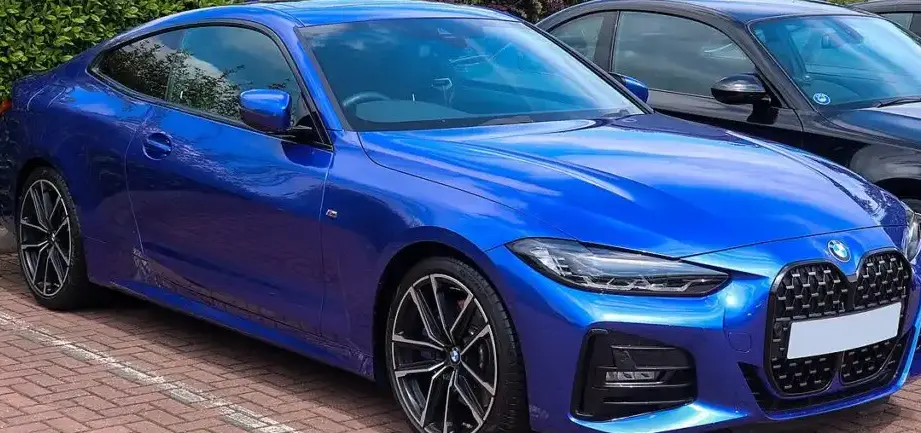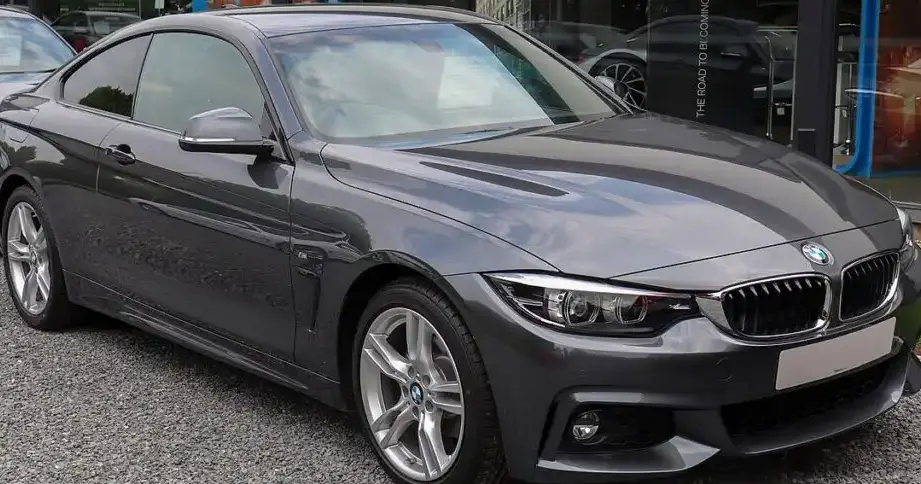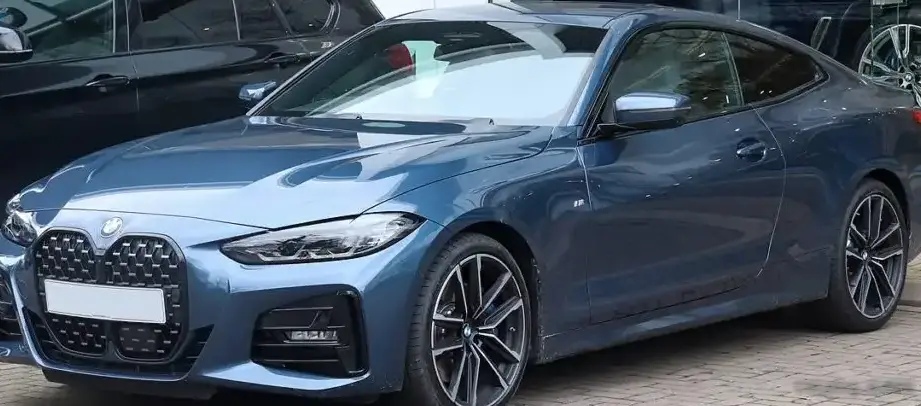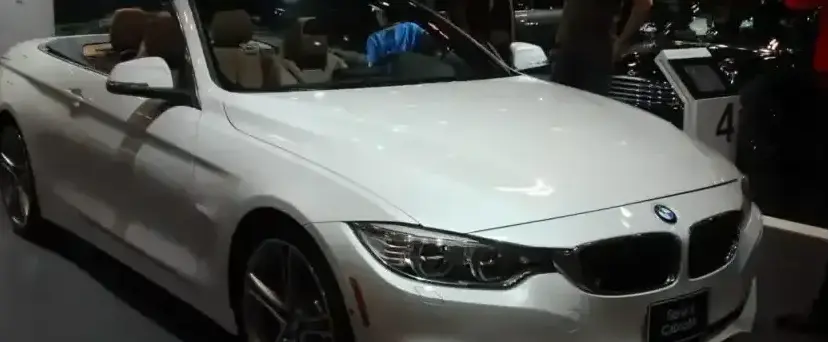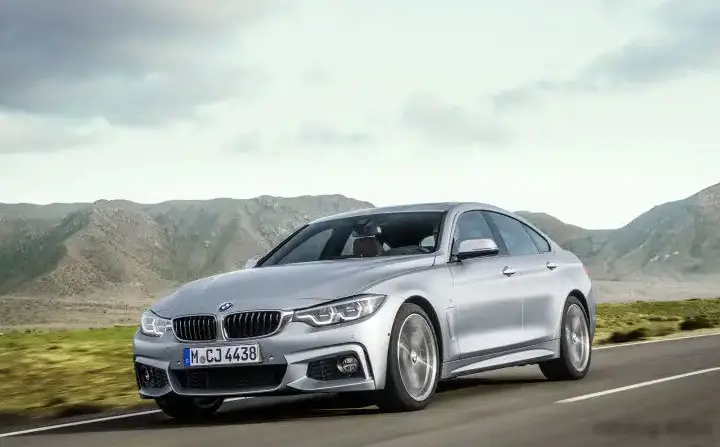
The BMW 4 Series Gran Coupe (F36), specifically the 418i variant produced from 2017 to 2019 following the facelift, represents an entry point into the 4 Series Gran Coupe lineup. Positioned as a more accessible option, it offered the styling and practicality of the Gran Coupe body style with a focus on fuel efficiency and reasonable performance. This model falls within the F36 generation, which itself is based on the BMW 3 Series (F30) platform, sharing many underlying components but distinguished by its four-door coupe design and more premium aspirations. The 418i aimed to attract buyers seeking a stylish and comfortable grand tourer without the higher price tag or performance focus of its more powerful siblings.
Technical Specifications
| Brand | BMW |
| Model | 4 Series |
| Generation | 4 Series Gran Coupe (F36, facelift 2017) |
| Type (Engine) | 418i (136 Hp) |
| Start of production | 2017 |
| End of production | 2019 |
| Powertrain Architecture | Internal Combustion engine |
| Body type | Coupe |
| Seats | 5 |
| Doors | 4 |
| Fuel consumption (economy) – urban (NEDC) | 6.8-7.3 l/100 km (34.6 – 32.2 US mpg, 41.5 – 38.7 UK mpg, 14.7 – 13.7 km/l) |
| Fuel consumption (economy) – extra urban (NEDC) | 4.6-4.9 l/100 km (51.1 – 48 US mpg, 61.4 – 57.6 UK mpg, 21.7 – 20.4 km/l) |
| Fuel consumption (economy) – combined (NEDC) | 5.4-5.8 l/100 km (43.6 – 40.6 US mpg, 52.3 – 48.7 UK mpg, 18.5 – 17.2 km/l) |
| CO2 emissions (NEDC) | 125-134 g/km |
| Fuel Type | Petrol (Gasoline) |
| Acceleration 0 – 100 km/h | 9.4 sec |
| Acceleration 0 – 62 mph | 9.4 sec |
| Acceleration 0 – 60 mph | 8.9 sec |
| Maximum speed | 210 km/h (130.49 mph) |
| Emission standard | Euro 6 |
| Weight-to-power ratio | 10.9 kg/Hp, 91.6 Hp/tonne |
| Weight-to-torque ratio | 6.8 kg/Nm, 148.1 Nm/tonne |
| Power | 136 Hp @ 4400 rpm |
| Power per litre | 90.7 Hp/l |
| Torque | 220 Nm @ 1250-4300 rpm (162.26 lb.-ft. @ 1250-4300 rpm) |
| Engine layout | Front, Longitudinal |
| Engine Model/Code | B38B15A |
| Engine displacement | 1499 cm3 (91.47 cu. in.) |
| Number of cylinders | 3 |
| Engine configuration | Inline |
| Cylinder Bore | 82 mm (3.23 in.) |
| Piston Stroke | 94.6 mm (3.72 in.) |
| Compression ratio | 11:1 |
| Number of valves per cylinder | 4 |
| Fuel injection system | Direct injection |
| Engine aspiration | Turbocharger, Intercooler |
| Valvetrain | VALVETRONIC, Double-VANOS |
| Engine oil capacity | 4.25 l (4.49 US qt | 3.74 UK qt) |
| Coolant | 7.7 l (8.14 US qt | 6.78 UK qt) |
| Kerb Weight | 1485 kg (3273.86 lbs.) |
| Max. weight | 2045 kg (4508.45 lbs.) |
| Max load | 560 kg (1234.59 lbs.) |
| Trunk (boot) space – minimum | 480 l (16.95 cu. ft.) |
| Trunk (boot) space – maximum | 1300 l (45.91 cu. ft.) |
| Fuel tank capacity | 60 l (15.85 US gal | 13.2 UK gal) |
| Permitted trailer load with brakes (8%) | 1500 kg (3306.93 lbs.) |
| Permitted trailer load with brakes (12%) | 1300 kg (2866.01 lbs.) |
| Length | 4640 mm (182.68 in.) |
| Width | 1825 mm (71.85 in.) |
| Width including mirrors | 2017 mm (79.41 in.) |
| Height | 1389 mm (54.69 in.) |
| Wheelbase | 2810 mm (110.63 in.) |
| Front track | 1545 mm (60.83 in.) |
| Rear (Back) track | 1594 mm (62.76 in.) |
| Front overhang | 787 mm (30.98 in.) |
| Rear overhang | 1043 mm (41.06 in.) |
| Drivetrain Architecture | The Internal combustion engine (ICE) drives the rear wheels of the vehicle. |
| Drive wheel | Rear wheel drive |
| Number of gears and type of gearbox | 6 gears, manual transmission |
| Front suspension | Spring Strut, Transverse stabilizer |
| Rear suspension | Independent multi-link spring suspension with stabilizer |
| Front brakes | Ventilated discs |
| Rear brakes | Ventilated discs |
| Assisting systems | ABS (Anti-lock braking system) |
| Steering type | Steering rack and pinion |
| Power steering | Electric Steering |
| Tires size | Front wheel tires: 225/50 R17; 225/45 R18; 225/40 R19; 225/35 R20Rear wheel tires: 225/50 R17; 225/45 R18; 255/40 R18; 255/35 R19; 255/30 R20 |
| Wheel rims size | Front wheel rims: 7.5J x 17; 8J x 18; 8J x 19; 8J x 20Rear wheel rims: 7.5J x 17; 8J x 18; 8.5J x 18; 8J x 19; 8.5J x 20 |
Powertrain & Engine Architecture
The heart of the 418i Gran Coupe is the BMW B38B15A 1.5-liter turbocharged inline-three cylinder engine. This engine is a member of BMW’s modular engine family, known for its compact size and efficiency. It utilizes direct fuel injection, VALVETRONIC variable valve timing, and Double-VANOS variable camshaft timing to optimize performance and fuel economy. The turbocharger, coupled with an intercooler, helps to mitigate turbo lag and provide a broader torque curve. The engine produces 136 horsepower at 4,400 rpm and 220 Nm (162 lb-ft) of torque between 1,250 and 4,300 rpm. The engine is longitudinally mounted, driving the rear wheels. The 418i was exclusively offered with a 6-speed manual transmission during its production run.
Driving Characteristics
The 418i Gran Coupe, with its 136 hp and manual transmission, delivers a driving experience focused on efficiency and comfort rather than outright performance. Acceleration from 0-60 mph takes approximately 8.9 seconds, and it reaches a top speed of 130.49 mph. The engine provides adequate power for everyday driving, with the turbocharger providing a noticeable boost in the mid-range. The 6-speed manual transmission offers precise shifts, but the relatively low power output means frequent gear changes are necessary to maintain momentum, especially when overtaking. Compared to the more powerful 420i or 430i models, the 418i feels less responsive, but it offers a more engaging driving experience than the automatic-equipped versions of those models. The suspension provides a comfortable ride, absorbing bumps and imperfections in the road well, making it a suitable vehicle for long-distance journeys.
Equipment & Trim Levels
The 418i Gran Coupe typically came standard with features such as automatic climate control, a BMW iDrive infotainment system with a 6.5-inch display, power-adjustable front seats, and a leather-wrapped steering wheel. Upholstery was generally cloth, though leather options were available. Common optional extras included a larger iDrive display, navigation system, heated front seats, a sunroof, and a premium sound system. The trim level was generally considered the base trim for the 4 Series Gran Coupe, with options available to upgrade the interior and exterior aesthetics.
Chassis & Braking
The F36 4 Series Gran Coupe utilizes a MacPherson strut front suspension with a transverse stabilizer and an independent multi-link rear suspension, also with a stabilizer bar. This setup provides a good balance between comfort and handling. The 418i is equipped with ventilated disc brakes on all four wheels, providing adequate stopping power for its weight and performance. Anti-lock Braking System (ABS) is standard. The chassis is designed to be relatively lightweight, contributing to the car’s agility and fuel efficiency.
Market Reception & Comparison
The 418i Gran Coupe was generally well-received as an entry-level option in the 4 Series lineup. Critics praised its stylish design, comfortable ride, and fuel efficiency. However, some reviewers noted that the engine lacked the punch of its more powerful counterparts. Compared to the 420i, which featured a larger 2.0-liter engine, the 418i offered lower running costs but sacrificed performance. The 418i’s fuel economy figures of 43.6-40.6 US mpg combined were a significant selling point for buyers prioritizing efficiency. Reliability reports suggest the B38 engine is generally reliable, though preventative maintenance is crucial.
Legacy
The BMW 418i Gran Coupe (F36) represents a significant step in BMW’s adoption of smaller, turbocharged engines. The B38 engine has proven to be a durable and efficient powerplant, and the 418i remains a popular choice in the used car market. Its combination of style, practicality, and affordability makes it an attractive option for buyers seeking a premium grand tourer. While not the fastest or most luxurious 4 Series variant, the 418i offers a compelling package for those prioritizing fuel economy and a comfortable driving experience. Its relatively simple mechanicals, compared to more complex models, can also translate to lower maintenance costs over the long term.