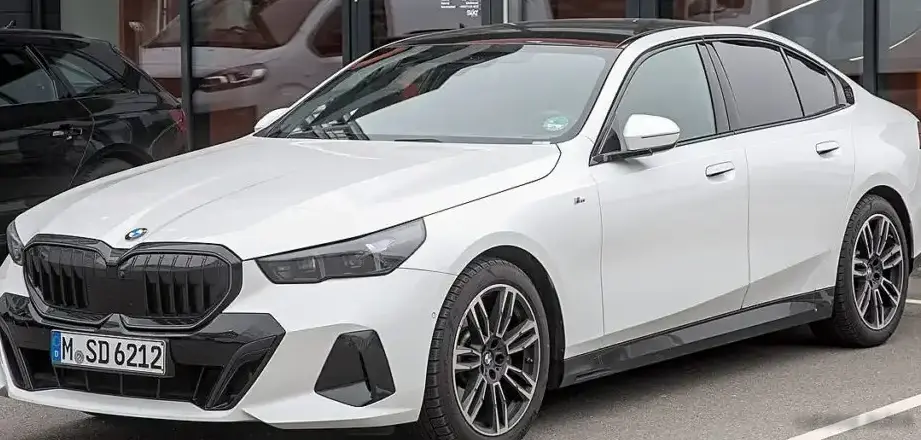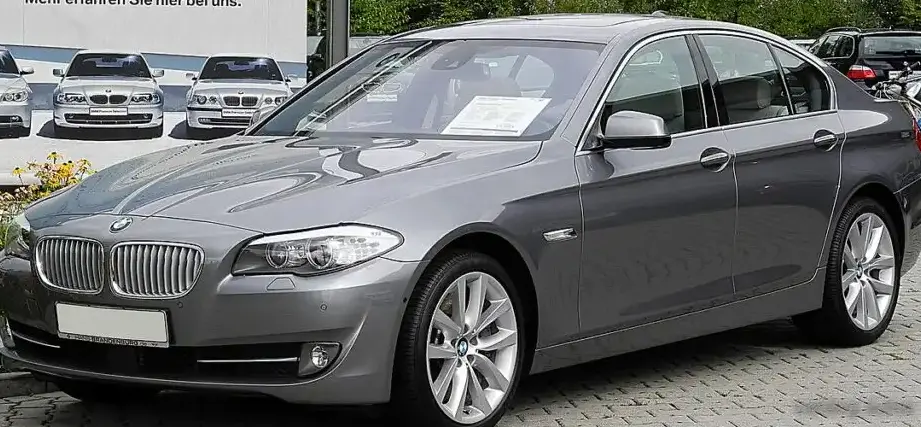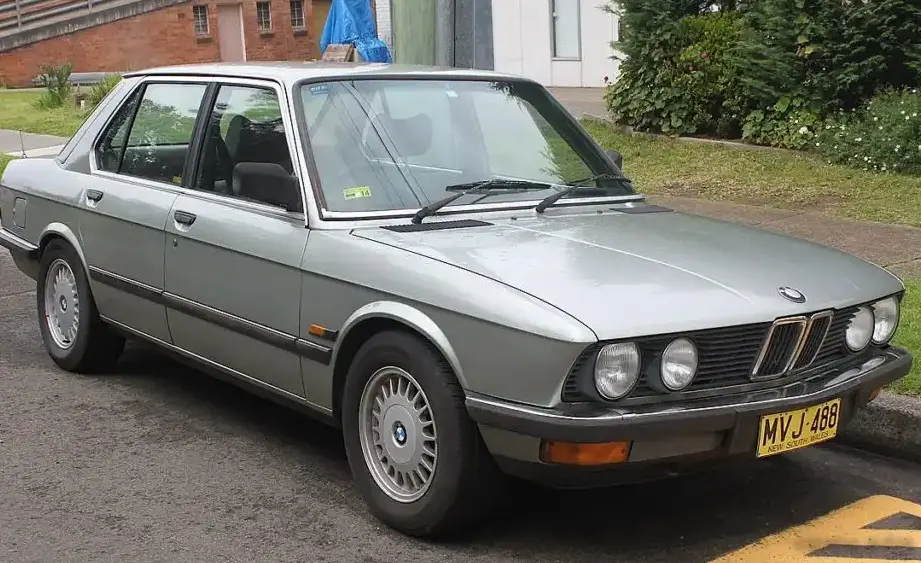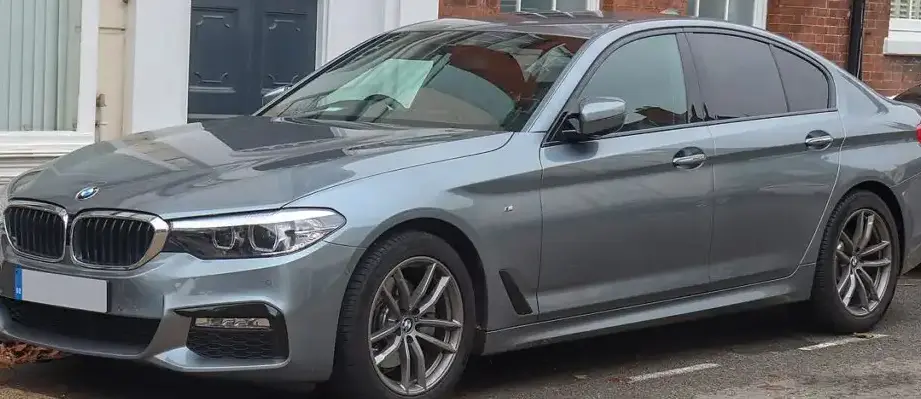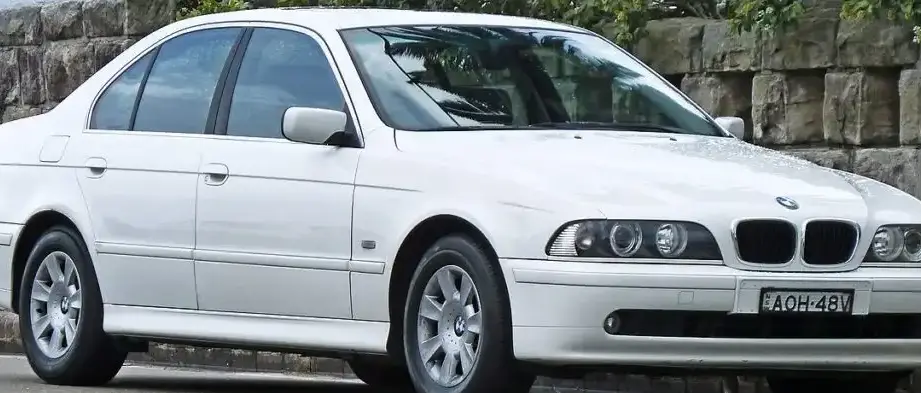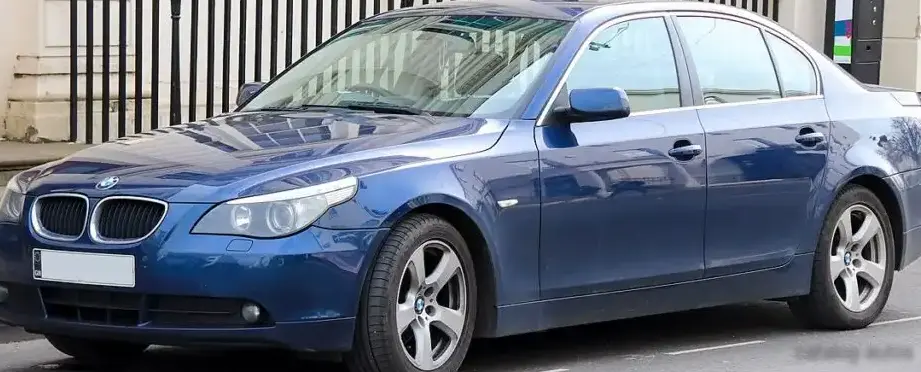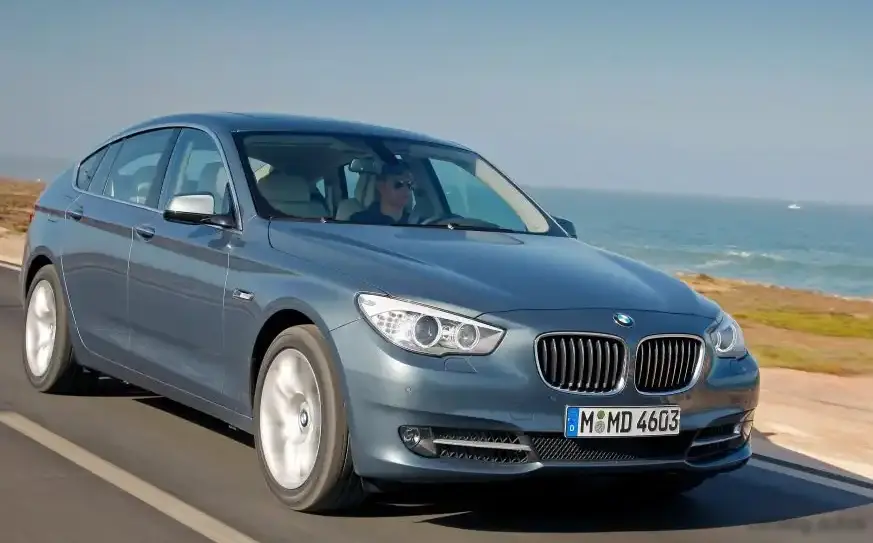
The BMW 5 Series Gran Turismo (F07) 530d Steptronic, produced from 2009 to 2012, represented BMW’s attempt to blend the luxury and driving dynamics of the 5 Series sedan with the practicality and space of a crossover. Positioned as a premium grand tourer, the F07 aimed to offer a unique alternative within the executive car segment. The 530d variant, equipped with the Steptronic automatic transmission, was a core model in the lineup, offering a balance between performance, fuel efficiency, and comfort. It sat in the mid-range of the Gran Turismo offerings, below the more powerful 550i and above the entry-level 523i/528i models.
Technical Specifications
| Brand | BMW |
| Model | 5 Series |
| Generation | 5 Series Gran Turismo (F07) |
| Type (Engine) | 530d (245 Hp) Steptronic |
| Start of production | 2009 |
| End of production | 2012 |
| Powertrain Architecture | Internal Combustion engine |
| Body type | Grand Tourer |
| Seats | 5 |
| Doors | 5 |
| Fuel consumption (urban) | 8.1 l/100 km (29 US mpg, 34.9 UK mpg, 12.3 km/l) |
| Fuel consumption (extra urban) | 5.6 l/100 km (42 US mpg, 50.4 UK mpg, 17.9 km/l) |
| Fuel consumption (combined) | 6.5 l/100 km (36.2 US mpg, 43.5 UK mpg, 15.4 km/l) |
| CO2 emissions | 173 g/km |
| Fuel Type | Diesel |
| Acceleration 0 – 100 km/h | 6.9 sec |
| Acceleration 0 – 62 mph | 6.9 sec |
| Acceleration 0 – 60 mph | 6.6 sec |
| Maximum speed | 240 km/h (149.13 mph) |
| Emission standard | Euro 5 |
| Weight-to-power ratio | 8 kg/Hp, 125 Hp/tonne |
| Weight-to-torque ratio | 3.6 kg/Nm, 275.5 Nm/tonne |
| Power | 245 Hp @ 4000 rpm |
| Power per litre | 81.9 Hp/l |
| Torque | 540 Nm @ 1750-3000 rpm (398.28 lb.-ft. @ 1750-3000 rpm) |
| Engine layout | Front, Longitudinal |
| Engine Model/Code | N57D30A |
| Engine displacement | 2993 cm3 (182.64 cu. in.) |
| Number of cylinders | 6 |
| Engine configuration | Inline |
| Cylinder Bore | 84 mm (3.31 in.) |
| Piston Stroke | 90 mm (3.54 in.) |
| Compression ratio | 16.5:1 |
| Number of valves per cylinder | 4 |
| Fuel injection system | Diesel Commonrail |
| Engine aspiration | Turbocharger, Intercooler |
| Engine oil capacity | 6.5 l (6.87 US qt | 5.72 UK qt) |
| Coolant | 10.6 l (11.2 US qt | 9.33 UK qt) |
| Kerb Weight | 1960 kg (4321.06 lbs.) |
| Max. weight | 2590 kg (5709.97 lbs.) |
| Max load | 630 kg (1388.91 lbs.) |
| Trunk (boot) space – minimum | 440 l (15.54 cu. ft.) |
| Trunk (boot) space – maximum | 1700 l (60.03 cu. ft.) |
| Fuel tank capacity | 70 l (18.49 US gal | 15.4 UK gal) |
| Max. roof load | 75 kg (165.35 lbs.) |
| Permitted trailer load with brakes (12%) | 2100 kg (4629.71 lbs.) |
| Permitted trailer load without brakes | 750 kg (1653.47 lbs.) |
| Permitted towbar download | 100 kg (220.46 lbs.) |
| Length | 4998 mm (196.77 in.) |
| Width | 1901 mm (74.84 in.) |
| Height | 1559 mm (61.38 in.) |
| Wheelbase | 3070 mm (120.87 in.) |
| Front track | 1611 mm (63.43 in.) |
| Rear (Back) track | 1654 mm (65.12 in.) |
| Drag coefficient (Cd) | 0.30 |
| Minimum turning circle | 12.2 m (40.03 ft.) |
| Drivetrain Architecture | Rear wheel drive |
| Number of gears and type of gearbox | 8 gears, automatic transmission Steptronic |
| Front suspension | Double wishbone |
| Rear suspension | Independent multi-link suspension |
| Front brakes | Ventilated discs |
| Rear brakes | Ventilated discs |
| Assisting systems | ABS (Anti-lock braking system) |
| Steering type | Steering rack and pinion |
| Power steering | Electric Steering |
| Tires size | 245/50 R18 |
| Wheel rims size | 8J x 18 |
Powertrain & Engine Architecture
The heart of the 530d Gran Turismo is BMW’s N57D30A 3.0-liter inline-six diesel engine. This engine is a member of the highly regarded N57 family, known for its robust construction and efficiency. The N57D30A utilizes a common rail direct injection system, delivering fuel at extremely high pressures for optimized combustion. A single variable geometry turbocharger (VGT) with an intercooler provides forced induction, contributing to the engine’s substantial torque output. The engine also features four valves per cylinder and a sophisticated engine management system. The Steptronic 8-speed automatic transmission, a staple of BMW’s lineup, was paired with this engine. This transmission offered smooth and quick shifts, contributing to both performance and fuel economy. The transmission featured adaptive shift programs, adjusting to the driver’s style and road conditions.
Driving Characteristics
The 530d Steptronic offered a refined and comfortable driving experience. While not as overtly sporty as some of its gasoline-powered siblings, the 530d provided ample power for effortless cruising and confident overtaking. The 540 Nm (398 lb-ft) of torque, available from a low 1750 rpm, meant strong acceleration in everyday driving situations. The 8-speed automatic transmission was well-matched to the engine’s characteristics, providing smooth gear changes and helping to keep the engine in its optimal power band. Compared to the manual transmission versions, the Steptronic offered greater convenience, particularly in urban traffic. However, some driving enthusiasts felt the automatic transmission slightly dulled the engine’s responsiveness. Compared to the more powerful 550i, the 530d offered a more economical driving experience without sacrificing a significant amount of performance.
Equipment & Trim Levels
The 530d Gran Turismo came reasonably well-equipped as standard. Typical features included leather upholstery, automatic climate control, a multi-function steering wheel, and a BMW Professional radio system. Optional extras were plentiful, allowing buyers to customize their vehicles. Popular options included the Premium Package (adding features like navigation, upgraded audio, and comfort seats), the Sport Package (with sport suspension and unique styling cues), and various standalone options such as adaptive cruise control, parking sensors, and a panoramic sunroof. Interior trim options ranged from wood veneers to aluminum accents, allowing for a degree of personalization.
Chassis & Braking
The F07 Gran Turismo featured a robust chassis designed to handle the vehicle’s weight and provide a comfortable ride. The front suspension utilized a double wishbone setup, while the rear employed an independent multi-link suspension. This configuration aimed to balance ride comfort with handling precision. The 530d typically came equipped with ventilated disc brakes on all four wheels, providing ample stopping power. Anti-lock braking system (ABS) and electronic stability control (ESC) were standard safety features. The suspension tuning was generally geared towards comfort, prioritizing a smooth ride over aggressive handling.
Market Reception & Comparison
The 5 Series Gran Turismo, and the 530d variant specifically, received mixed reviews from automotive critics. While praised for its spacious interior, comfortable ride, and fuel efficiency, it was often criticized for its unconventional styling and somewhat compromised driving dynamics. Some reviewers felt the Gran Turismo didn’t fully deliver on the promise of blending the best aspects of a sedan and a crossover. Compared to the standard 5 Series sedan, the Gran Turismo offered more interior space and a higher seating position, but at the cost of some agility. The 530d’s fuel economy was generally considered excellent for its class, particularly when compared to the more powerful 550i. Reliability reports suggested the N57 engine was generally robust, although diesel particulate filter (DPF) issues could occur with infrequent long-distance driving.
Legacy
The BMW 5 Series Gran Turismo (F07) was a relatively short-lived model, discontinued after just three years. While it didn’t achieve the same sales success as the standard 5 Series sedan, it remains a unique and interesting vehicle. The N57D30A engine, in particular, has proven to be a durable and reliable powerplant. On the used car market, the 530d Gran Turismo represents a relatively affordable entry point into BMW ownership, offering a good balance of luxury, performance, and fuel efficiency. However, potential buyers should be aware of the potential for DPF issues and ensure the vehicle has been properly maintained. The F07 Gran Turismo serves as a reminder of BMW’s willingness to experiment with new vehicle concepts and push the boundaries of automotive design.