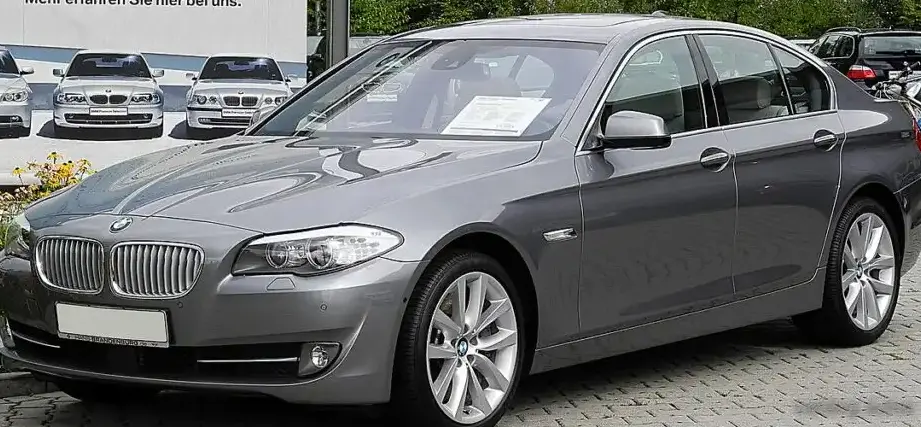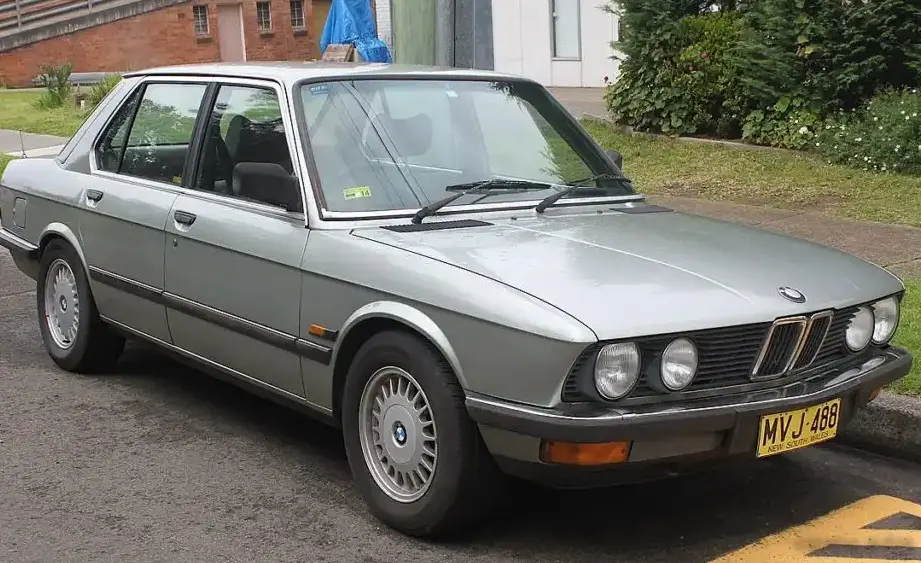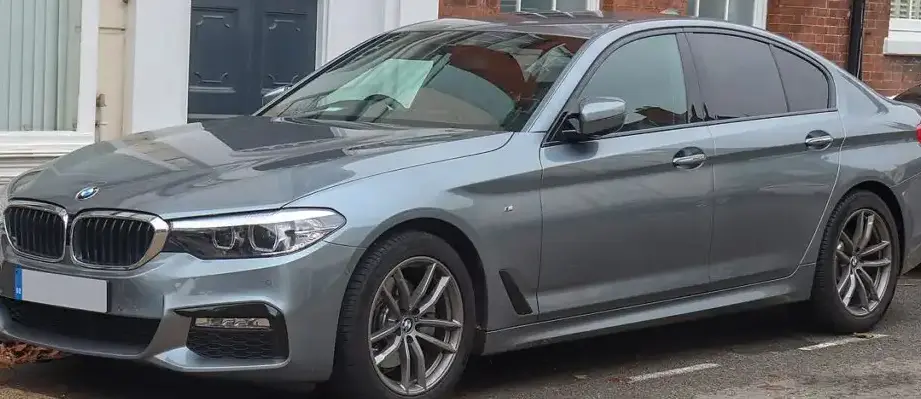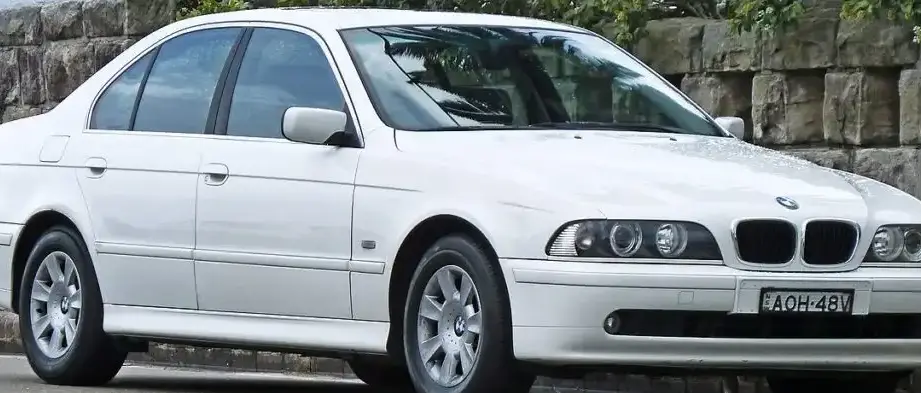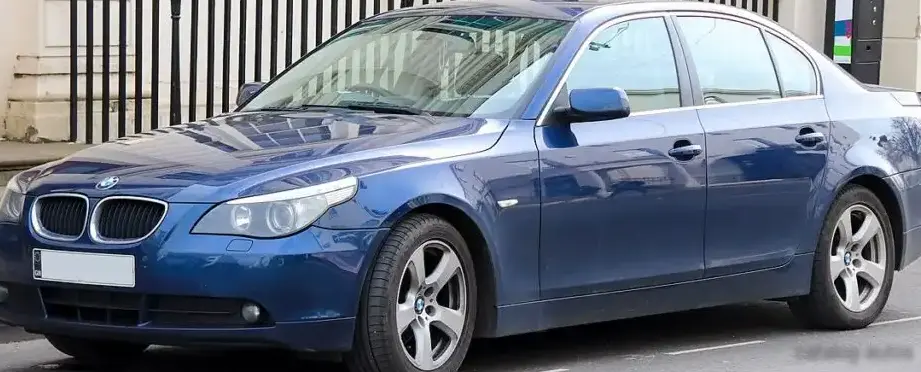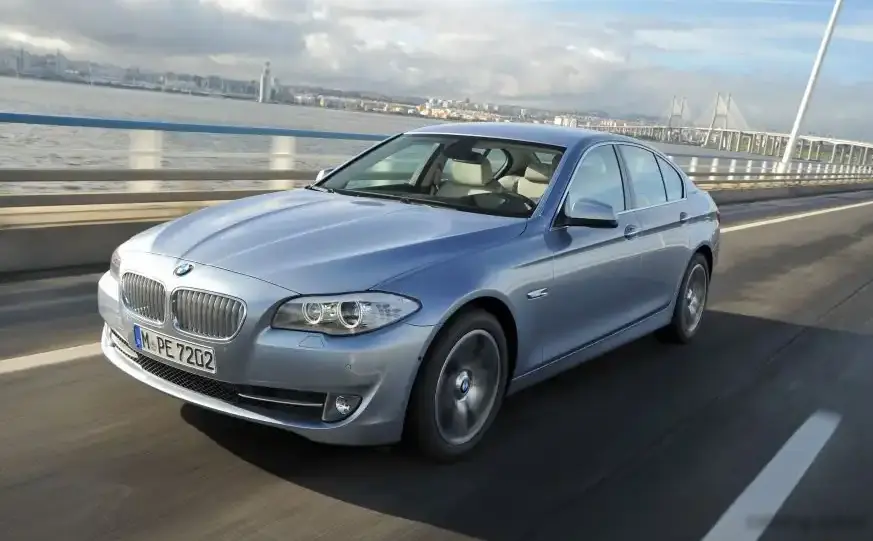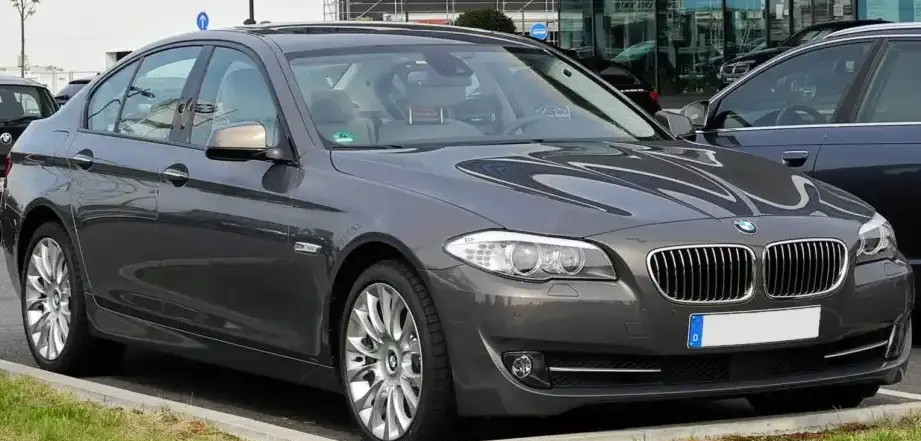
The BMW 5 Series Sedan (F10) 535i, produced from 2010 to 2013, represented a compelling blend of performance and luxury within the fifth generation of BMW’s iconic mid-size executive car. Positioned as a step up from the 528i and below the flagship 550i, the 535i offered a significant power increase without venturing into the higher price bracket and associated running costs of the larger displacement models. It was a key offering in the North American market, where buyers often prioritized powerful inline-six engines. The F10 generation, overall, aimed to recapture the driving dynamics BMW was known for while incorporating advanced technology and a more modern aesthetic.
Technical Specifications
| Brand | BMW |
| Model | 5 Series |
| Generation | 5 Series Sedan (F10) |
| Type (Engine) | 535i (306 Hp) |
| Start of production | 2010 |
| End of production | 2013 |
| Powertrain Architecture | Internal Combustion engine |
| Body type | Sedan |
| Seats | 5 |
| Doors | 4 |
| Fuel consumption (economy) – urban | 11.8 l/100 km (19.9 US mpg, 23.9 UK mpg, 8.5 km/l) |
| Fuel consumption (economy) – extra urban | 6.6 l/100 km (35.6 US mpg, 42.8 UK mpg, 15.2 km/l) |
| Fuel consumption (economy) – combined | 8.5 l/100 km (27.7 US mpg, 33.2 UK mpg, 11.8 km/l) |
| CO2 emissions | 199 g/km |
| Fuel Type | Petrol (Gasoline) |
| Acceleration 0 – 100 km/h | 6 sec |
| Acceleration 0 – 62 mph | 6 sec |
| Acceleration 0 – 60 mph | 5.7 sec |
| Maximum speed | 250 km/h (155.34 mph) |
| Emission standard | Euro 5 |
| Weight-to-power ratio | 5.5 kg/Hp, 181.6 Hp/tonne |
| Weight-to-torque ratio | 4.2 kg/Nm, 237.4 Nm/tonne |
| Power | 306 Hp @ 5800 rpm |
| Power per litre | 102.7 Hp/l |
| Torque | 400 Nm @ 1200-5000 rpm (295.02 lb.-ft. @ 1200-5000 rpm) |
| Engine layout | Front, Longitudinal |
| Engine Model/Code | N55B30A |
| Engine displacement | 2979 cm3 (181.79 cu. in.) |
| Number of cylinders | 6 |
| Engine configuration | Inline |
| Cylinder Bore | 84 mm (3.31 in.) |
| Piston Stroke | 89.6 mm (3.53 in.) |
| Compression ratio | 10.2:1 |
| Number of valves per cylinder | 4 |
| Fuel injection system | Direct injection |
| Engine aspiration | Twin-power turbo, Intercooler |
| Engine oil capacity | 6.5 l (6.87 US qt | 5.72 UK qt) |
| Coolant | 9 l (9.51 US qt | 7.92 UK qt) |
| Kerb Weight | 1685 kg (3714.79 lbs.) |
| Max. weight | 2295 kg (5059.61 lbs.) |
| Max load | 610 kg (1344.82 lbs.) |
| Trunk (boot) space – minimum | 520 l (18.36 cu. ft.) |
| Fuel tank capacity | 70 l (18.49 US gal | 15.4 UK gal) |
| Max. roof load | 100 kg (220.46 lbs.) |
| Permitted trailer load with brakes (12%) | 2000 kg (4409.25 lbs.) |
| Permitted trailer load without brakes | 750 kg (1653.47 lbs.) |
| Permitted towbar download | 90 kg (198.42 lbs.) |
| Length | 4899 mm (192.87 in.) |
| Width | 1860 mm (73.23 in.) |
| Height | 1464 mm (57.64 in.) |
| Wheelbase | 2968 mm (116.85 in.) |
| Front track | 1600 mm (62.99 in.) |
| Rear (Back) track | 1627 mm (64.06 in.) |
| Ride height (ground clearance) | 141 mm (5.55 in.) |
| Drag coefficient (Cd) | 0.29 |
| Minimum turning circle (turning diameter) | 11.95 m (39.21 ft.) |
| Drivetrain Architecture | The Internal combustion engine (ICE) drives the rear wheels of the vehicle. |
| Drive wheel | Rear wheel drive |
| Number of gears and type of gearbox | 6 gears, manual transmission |
| Front suspension | Double wishbone |
| Rear suspension | Independent multi-link suspension |
| Front brakes | Ventilated discs |
| Rear brakes | Disc |
| Assisting systems | ABS (Anti-lock braking system) |
| Steering type | Steering rack and pinion |
| Power steering | Electric Steering |
| Tires size | 225/55 R17 97W |
| Wheel rims size | 8J x 17 |
Powertrain & Engine Architecture
The heart of the 535i was the N55B30A, a 3.0-liter inline-six cylinder engine. This engine was a significant evolution of BMW’s long-standing inline-six tradition, incorporating direct fuel injection and a single twin-scroll turbocharger. The direct injection system allowed for precise fuel delivery, improving efficiency and reducing emissions. The twin-scroll turbocharger minimized turbo lag, providing a more responsive driving experience. The N55 featured Valvetronic, BMW’s variable valve timing and lift system, further optimizing engine performance and fuel economy. The engine produced 306 horsepower at 5800 rpm and 400 Nm (295 lb-ft) of torque available from a low 1200 rpm all the way to 5000 rpm. The standard transmission was a six-speed manual, but an eight-speed automatic transmission was also available, and quite popular in the US market. This automatic transmission offered smooth shifts and contributed to improved fuel efficiency.
Driving Characteristics
The 535i offered a noticeably more engaging driving experience than the 528i, thanks to the significantly increased power output. Acceleration from 0 to 60 mph took around 5.7 seconds, making it a genuinely quick sedan. The N55 engine delivered a broad torque curve, providing strong acceleration in almost any gear. While not as raw or visceral as some of BMW’s more performance-focused models, the 535i struck a good balance between comfort and sportiness. The automatic transmission, when equipped, provided seamless gear changes, enhancing the overall driving experience. Compared to the 550i with its V8 engine, the 535i felt lighter and more agile, particularly in corners. The manual transmission offered a more direct connection to the engine, appealing to driving enthusiasts.
Equipment & Trim Levels
The 535i typically came well-equipped, offering standard features such as leather upholstery, power-adjustable front seats, a premium sound system, and automatic climate control. Optional extras included features like a navigation system, a head-up display, adaptive cruise control, and a panoramic sunroof. Trim levels were relatively straightforward, with most customization options available à la carte. Interior color choices were varied, allowing buyers to personalize their vehicle. The standard dashboard configuration featured BMW’s iDrive infotainment system, which controlled various vehicle functions through a central rotary dial and a display screen.
Chassis & Braking
The F10 535i utilized a double-wishbone front suspension and an independent multi-link rear suspension, providing a comfortable ride and precise handling. The suspension was tuned to balance comfort and performance, offering a good compromise for everyday driving. Brakes consisted of ventilated discs at all four corners, providing ample stopping power. Anti-lock braking system (ABS) was standard, along with electronic stability control. The 535i’s chassis was relatively lightweight, contributing to its agile handling characteristics. The standard tire size was 225/55 R17, although larger wheels and tires were available as options.
Market Reception & Comparison
The 535i was generally well-received by automotive critics, who praised its powerful engine, refined handling, and comfortable interior. It was often seen as the sweet spot in the 5 Series lineup, offering a compelling combination of performance and luxury at a reasonable price. Compared to the 528i, the 535i provided a significant performance upgrade, while remaining more affordable than the 550i. Fuel economy was respectable for a car of its size and performance, averaging around 27.7 US mpg in combined driving. Reliability was generally good, although some owners reported issues with the fuel pump and oil leaks.
Legacy
The N55 engine, found in the 535i, proved to be a robust and reliable powerplant. While not immune to age-related issues, it generally holds up well with proper maintenance. Today, the F10 535i represents a good value on the used car market, offering a luxurious and sporty driving experience at an affordable price. The combination of a powerful engine, comfortable interior, and relatively good reliability makes it a popular choice among BMW enthusiasts. However, potential buyers should be aware of potential maintenance costs associated with a luxury vehicle of this age, including items like cooling system components and suspension parts.