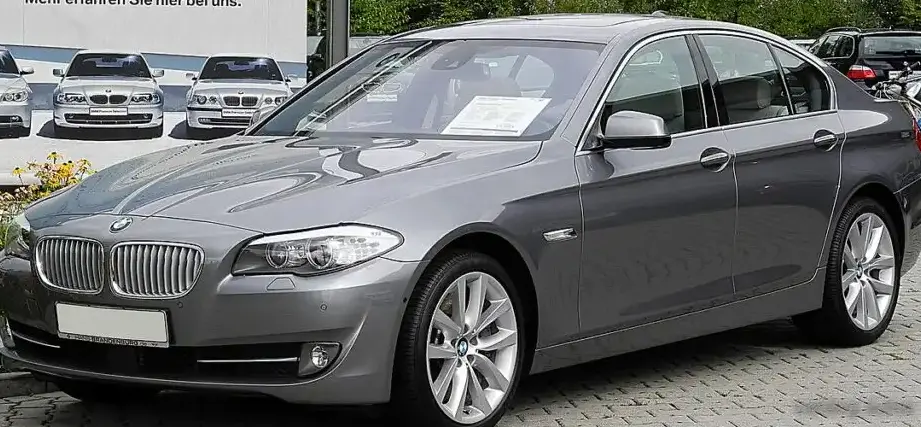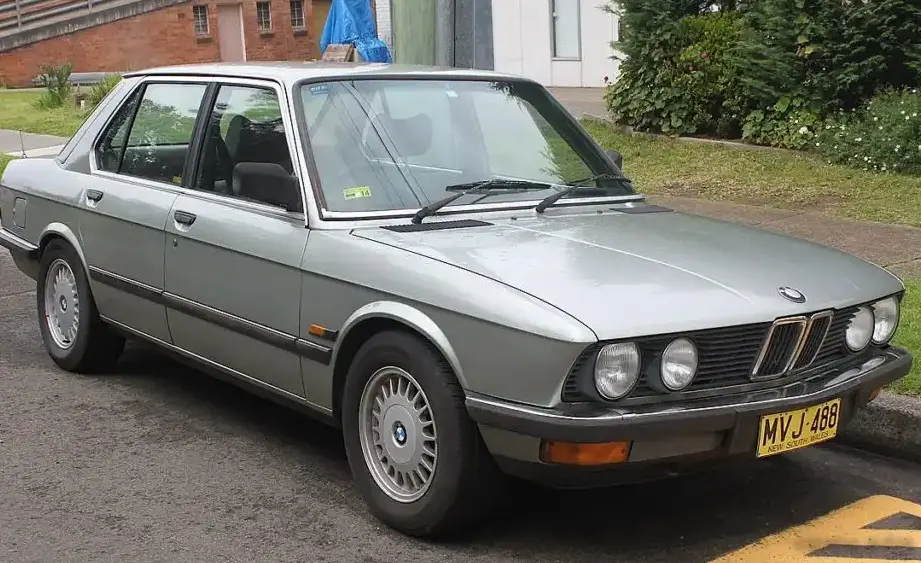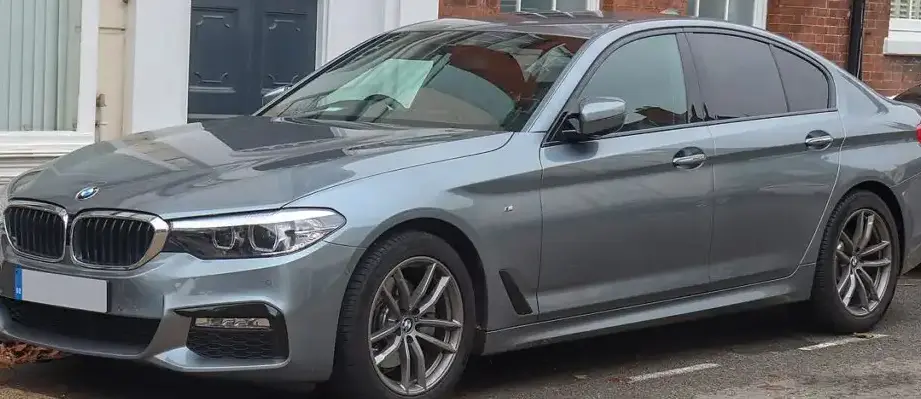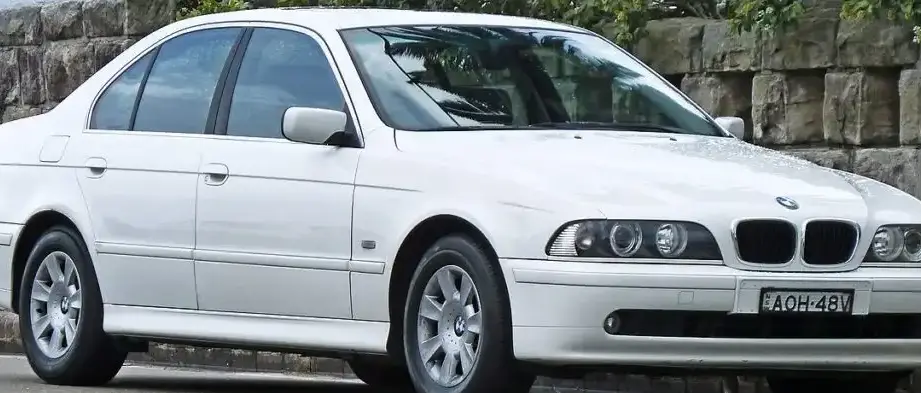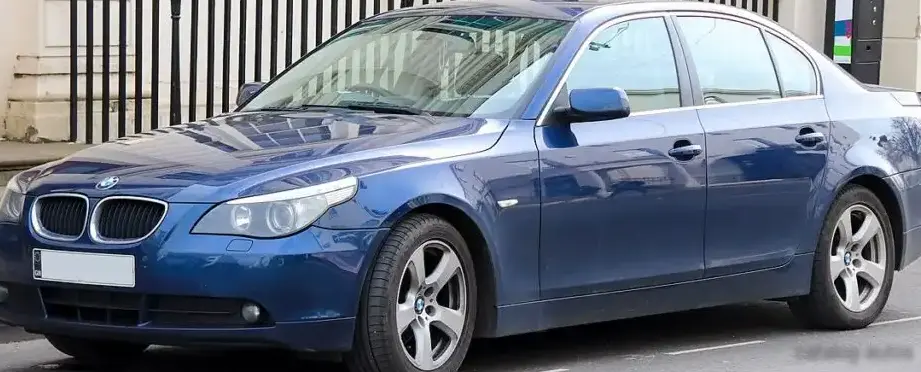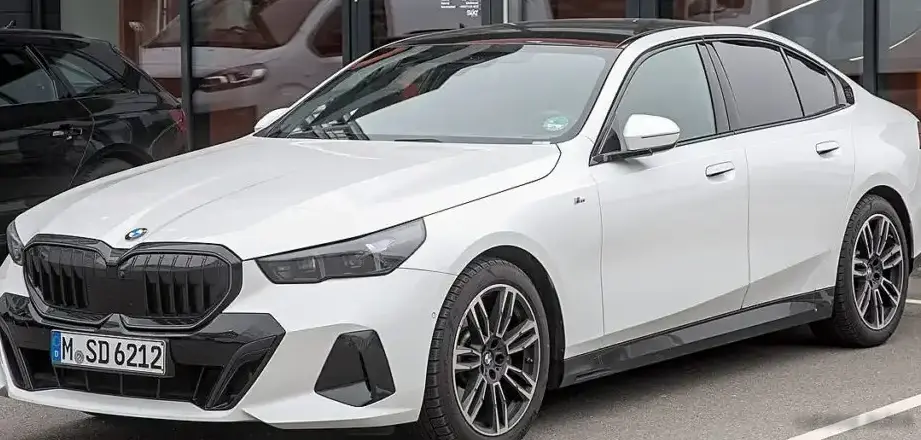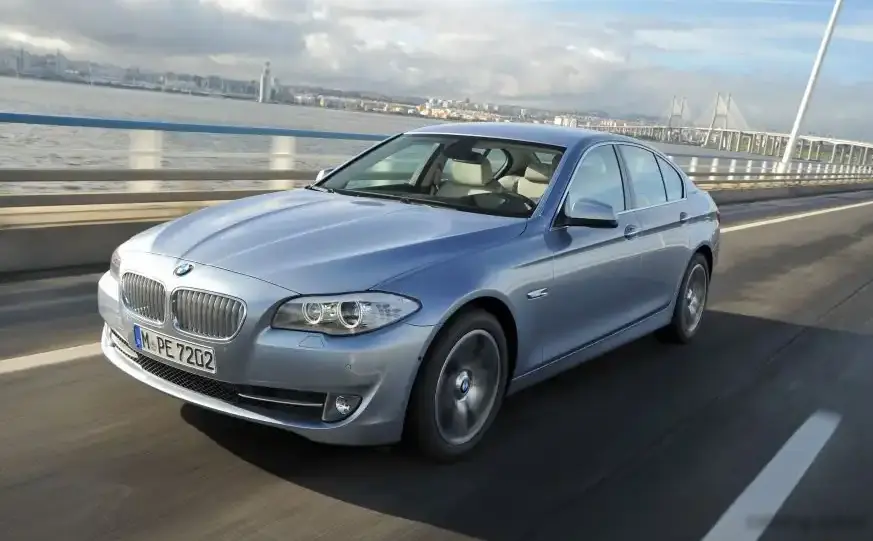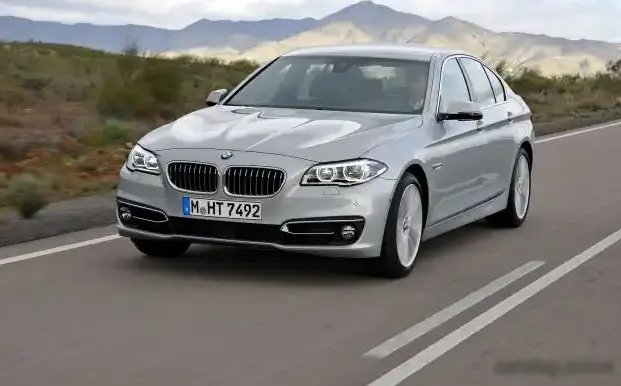
The BMW 520d xDrive Steptronic, part of the F10 Life Cycle Impulse (LCI) facelift of the fifth-generation 5 Series, was produced from 2013 to 2014. This variant represented an entry point into the 5 Series range, offering a blend of efficiency, comfort, and BMW’s signature driving dynamics. Positioned below the more powerful 525d and 530d models, the 520d xDrive catered to buyers prioritizing fuel economy and all-weather capability over outright performance. It was a significant model in the European market, where diesel engines and all-wheel drive were highly sought after, and also saw moderate sales in other regions.
Technical Specifications
| Brand | BMW |
| Model | 5 Series |
| Generation | 5 Series Sedan (F10 LCI, Facelift 2013) |
| Type (Engine) | 520d (184 Hp) xDrive Steptronic |
| Start of production | 2013 |
| End of production | 2014 |
| Powertrain Architecture | Internal Combustion engine |
| Body type | Sedan |
| Seats | 5 |
| Doors | 4 |
| Fuel consumption (urban) | 5.7-6.2 l/100 km (41.3 – 37.9 US mpg, 49.6 – 45.6 UK mpg, 17.5 – 16.1 km/l) |
| Fuel consumption (extra urban) | 4.4-4.8 l/100 km (53.5 – 49 US mpg, 64.2 – 58.9 UK mpg, 22.7 – 20.8 km/l) |
| Fuel consumption (combined) | 4.9-5.3 l/100 km (48 – 44.4 US mpg, 57.6 – 53.3 UK mpg, 20.4 – 18.9 km/l) |
| CO2 emissions | 129-139 g/km |
| Fuel Type | Diesel |
| Acceleration 0 – 100 km/h | 8.1 sec |
| Acceleration 0 – 62 mph | 8.1 sec |
| Acceleration 0 – 60 mph | 7.7 sec |
| Maximum speed | 228 km/h (141.67 mph) |
| Emission standard | Euro 6 |
| Weight-to-power ratio | 9.4 kg/Hp, 106.4 Hp/tonne |
| Weight-to-torque ratio | 4.6 kg/Nm, 219.7 Nm/tonne |
| Power | 184 Hp @ 4000 rpm |
| Torque | 380 Nm @ 1750-2750 rpm (280.27 lb.-ft. @ 1750-2750 rpm) |
| Engine layout | Front, Longitudinal |
| Engine Model/Code | N47D20C |
| Engine displacement | 1995 cm3 (121.74 cu. in.) |
| Number of cylinders | 4 |
| Engine configuration | Inline |
| Cylinder Bore | 84 mm (3.31 in.) |
| Piston Stroke | 90 mm (3.54 in.) |
| Compression ratio | 16.5:1 |
| Number of valves per cylinder | 4 |
| Fuel injection system | Diesel Commonrail |
| Engine aspiration | Twin-power turbo, Intercooler |
| Engine oil capacity | 5.2 l (5.49 US qt | 4.58 UK qt) |
| Coolant | 7.2 l (7.61 US qt | 6.34 UK qt) |
| Kerb Weight | 1730 kg (3814 lbs.) |
| Max. weight | 2330 kg (5136.77 lbs.) |
| Max load | 600 kg (1322.77 lbs.) |
| Trunk (boot) space – minimum | 520 l (18.36 cu. ft.) |
| Fuel tank capacity | 70 l (18.49 US gal | 15.4 UK gal) |
| Max. roof load | 100 kg (220.46 lbs.) |
| Permitted trailer load with brakes (12%) | 2000 kg (4409.25 lbs.) |
| Permitted trailer load without brakes | 750 kg (1653.47 lbs.) |
| Permitted towbar download | 90 kg (198.42 lbs.) |
| Length | 4907 mm (193.19 in.) |
| Width | 1860 mm (73.23 in.) |
| Height | 1464 mm (57.64 in.) |
| Wheelbase | 2968 mm (116.85 in.) |
| Front track | 1600 mm (62.99 in.) |
| Rear (Back) track | 1627 mm (64.06 in.) |
| Ride height (ground clearance) | 141 mm (5.55 in.) |
| Drag coefficient (Cd) | 0.25 |
| Minimum turning circle (turning diameter) | 12.1 m (39.7 ft.) |
| Drive wheel | All wheel drive (4×4) |
| Number of gears and type of gearbox | 8 gears, automatic transmission Steptronic |
| Front suspension | Double wishbone |
| Rear suspension | Independent multi-link suspension |
| Front brakes | Ventilated discs |
| Rear brakes | Ventilated discs |
Powertrain & Engine Architecture
The 520d xDrive utilized BMW’s N47D20C engine, a 2.0-liter inline-four diesel engine. This engine was a cornerstone of BMW’s EfficientDynamics strategy, focusing on maximizing fuel economy and reducing emissions. The N47 featured common-rail direct injection, a variable geometry turbocharger, and double overhead camshafts with four valves per cylinder. The ‘C’ suffix denotes updates to the engine management system and emissions control. The engine produced 184 horsepower at 4,000 rpm and a substantial 380 Nm (280 lb-ft) of torque between 1,750 and 2,750 rpm. This torque output, available across a broad rev range, was a key characteristic of the engine. The engine was paired with BMW’s 8-speed Steptronic automatic transmission, known for its smooth shifts and efficiency. This transmission allowed for optimized gear selection, contributing to both fuel economy and drivability.
Driving Characteristics
The 520d xDrive, with its 184 hp and automatic transmission, offered a comfortable and refined driving experience. Acceleration from 0 to 60 mph took approximately 7.7 seconds, which was adequate for everyday driving but noticeably slower than the more powerful 525d or 530d variants. The xDrive all-wheel-drive system provided excellent traction in all weather conditions, enhancing stability and confidence. The 8-speed automatic transmission generally shifted smoothly and responsively, although it could occasionally feel hesitant during quick downshifts. The gear ratios were tuned for fuel efficiency, meaning the engine didn’t always feel as eager to rev as it did in manual transmission versions. Compared to the 6-speed manual available on some 520d models, the Steptronic offered greater convenience but slightly diminished driver engagement.
Equipment & Trim Levels
The 520d xDrive typically came standard with features such as automatic climate control, power-adjustable front seats, a multi-function steering wheel, and BMW’s iDrive infotainment system. Upholstery was generally cloth, although leather options were available. Common optional extras included a sunroof, navigation system, upgraded audio system, parking sensors, and adaptive headlights. The trim level could vary depending on the market, but generally, the 520d xDrive was positioned as a well-equipped but not overly luxurious model. Packages like the ‘Sport Line’ added aesthetic enhancements and sportier suspension tuning, while the ‘Luxury Line’ focused on premium interior materials and chrome exterior accents.
Chassis & Braking
The F10 5 Series featured a sophisticated chassis design with a double-wishbone front suspension and an independent multi-link rear suspension. This setup provided a good balance between ride comfort and handling precision. The 520d xDrive’s suspension was typically tuned for comfort, with softer springs and dampers compared to the sportier variants. Braking was handled by ventilated disc brakes on all four wheels, providing ample stopping power. ABS (Anti-lock Braking System) and electronic stability control were standard safety features. The xDrive all-wheel-drive system distributed power between the front and rear axles as needed, optimizing traction and stability.
Market Reception & Comparison
The 520d xDrive was generally well-received by automotive critics as a practical and efficient option within the 5 Series range. It was praised for its fuel economy, comfortable ride, and all-weather capability. However, some reviewers noted that its performance was not as exhilarating as the more powerful models. Compared to the 525d, the 520d offered lower running costs but sacrificed some performance. Against the 530d, the gap in performance was even more significant. The 520d xDrive’s fuel economy was competitive with other diesel-powered executive sedans of the time, and its reliability was generally considered good, although early N47 engines were known to have potential timing chain issues which were addressed in later revisions.
Legacy
The BMW 520d xDrive (F10 LCI) remains a popular choice in the used car market, particularly for buyers seeking a comfortable, efficient, and well-equipped executive sedan. The N47 engine, while having some known issues, is generally reliable if properly maintained. The 8-speed Steptronic transmission has proven to be durable and smooth-shifting. The xDrive all-wheel-drive system continues to be a valuable asset in regions with inclement weather. Today, these vehicles represent a good value proposition, offering a taste of BMW luxury and performance at a relatively affordable price point. However, potential buyers should be aware of the potential timing chain issues and ensure that the vehicle has been regularly serviced.