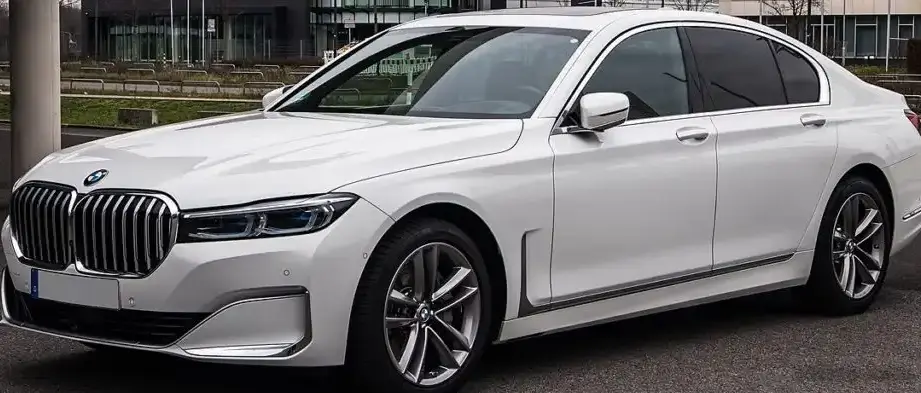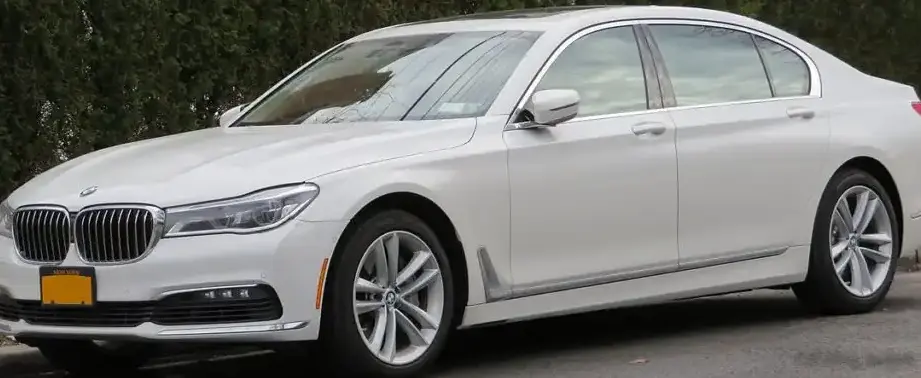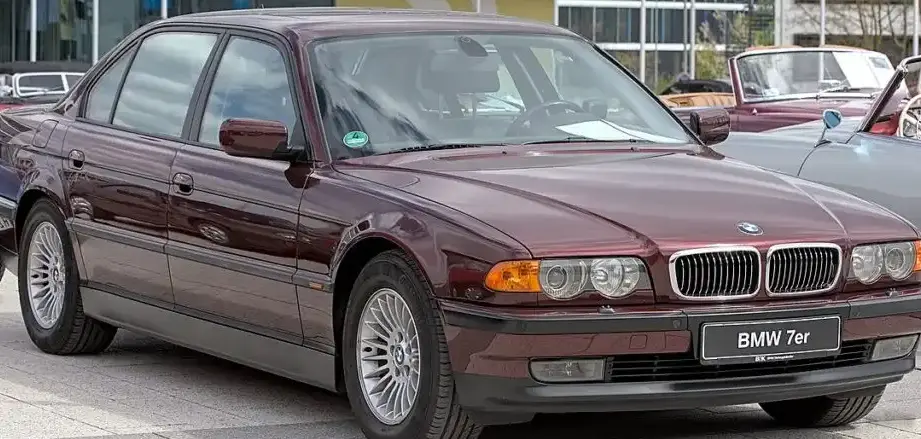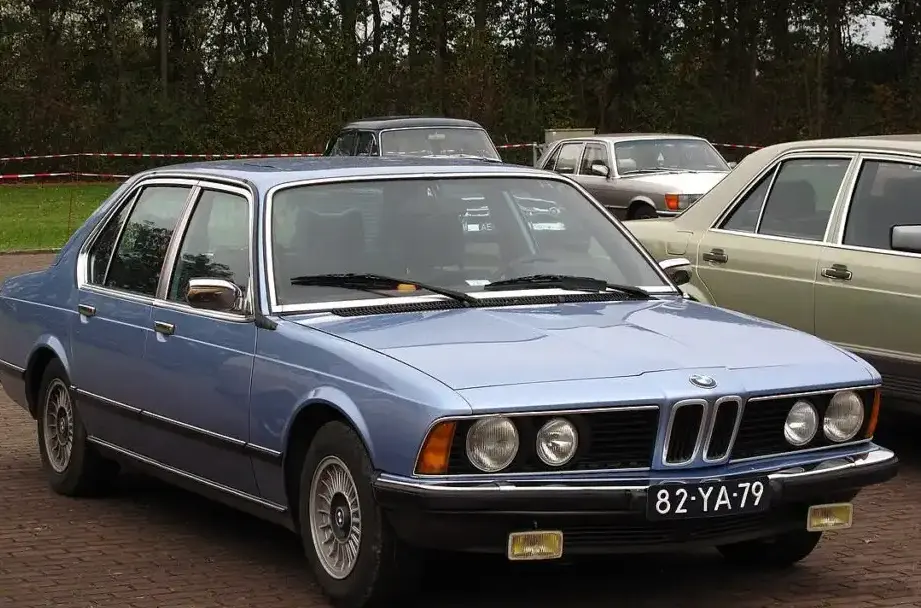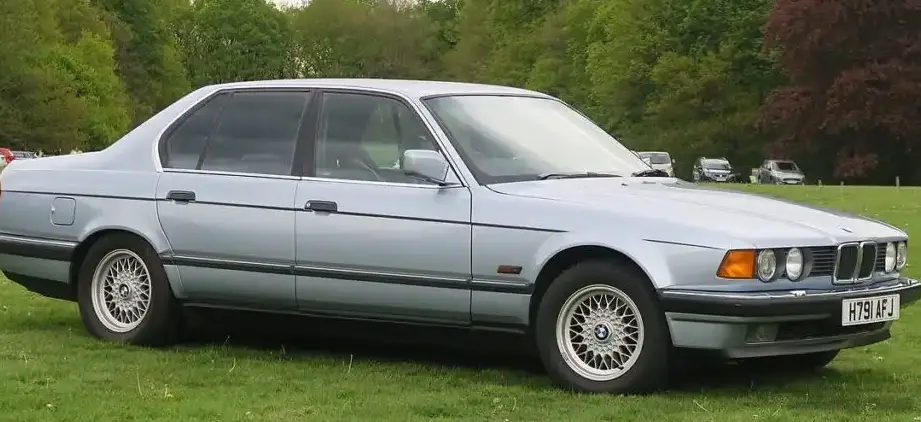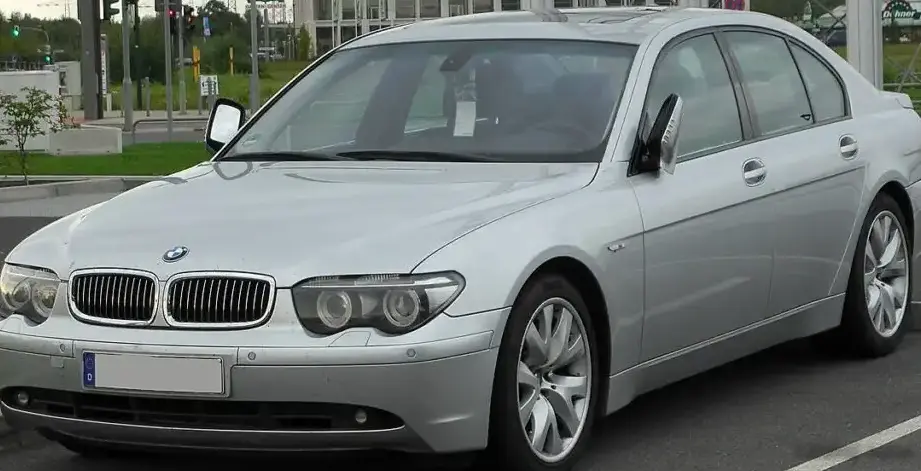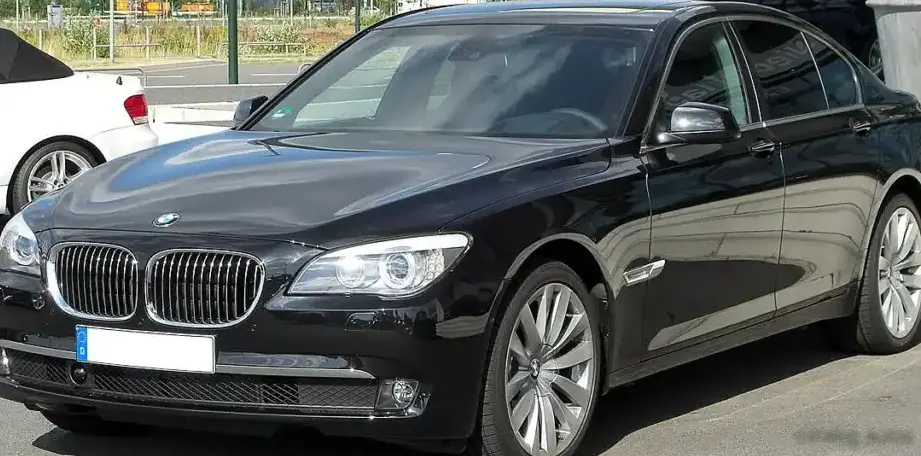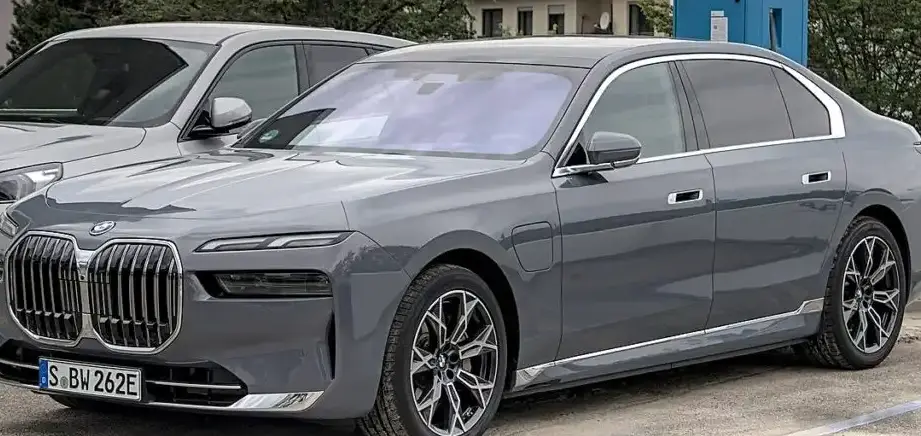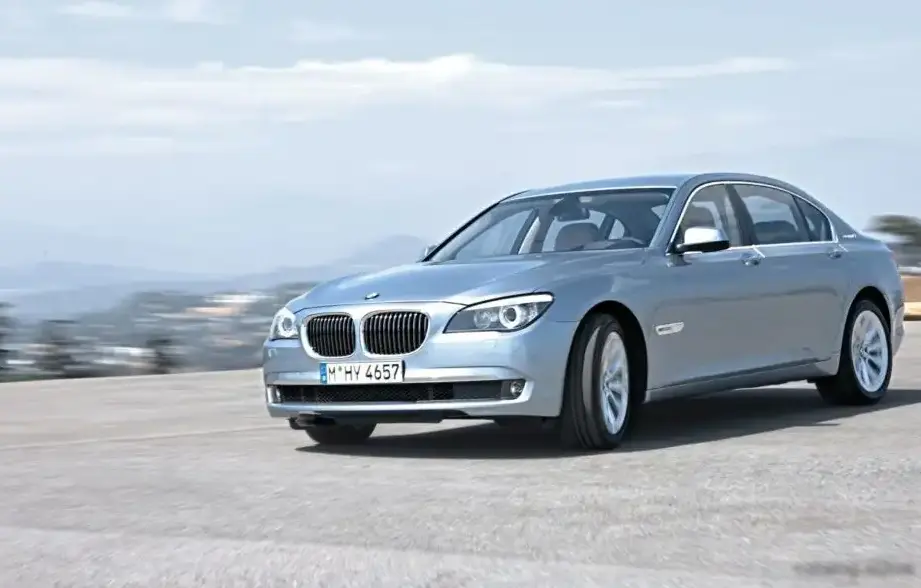
The BMW 7 Series ActiveHybrid Long (F04), specifically the ActiveHybrid 4.4 V8 (465 Hp) Steptronic variant, represents BMW’s foray into the luxury hybrid sedan market. Produced from October 2009 to July 2012, this model was primarily aimed at the Asian and European markets, where demand for fuel-efficient luxury vehicles was growing. It was positioned as a premium offering within the F04 7 Series lineup, bridging the gap between the standard gasoline models and a commitment to emerging hybrid technology. The “Long” designation indicates an extended wheelbase, offering increased rear passenger legroom – a key feature for markets like China where chauffeur-driven luxury is prevalent.
Technical Specifications
| Brand | BMW |
| Model | 7 Series |
| Generation | 7 Series ActiveHybrid Long (F04) |
| Type (Engine) | ActiveHybrid 4.4 V8 (465 Hp) Steptronic |
| Start of production | October, 2009 |
| End of production | July, 2012 |
| Powertrain Architecture | MHEV (Mild Hybrid Electric Vehicle) |
| Body type | Sedan |
| Seats | 5 |
| Doors | 4 |
| Fuel consumption (urban) | 12.6 l/100 km (18.7 US mpg) |
| Fuel consumption (extra urban) | 7.6 l/100 km (30.9 US mpg) |
| Fuel consumption (combined) | 9.4 l/100 km (25 US mpg) |
| CO2 emissions | 219 g/km |
| Fuel Type | Petrol (Gasoline) |
| Acceleration 0 – 100 km/h | 4.9 sec |
| Acceleration 0 – 62 mph | 4.9 sec |
| Acceleration 0 – 60 mph | 4.7 sec |
| Maximum speed | 250 km/h (155.34 mph) |
| Emission standard | Euro 5 |
| Weight-to-power ratio | 4.5 kg/Hp |
| Weight-to-torque ratio | 3 kg/Nm |
| Gross battery capacity | 0.4 kWh |
| Battery technology | Lithium-ion (Li-Ion) |
| Battery weight | 27 kg (59.52 lbs) |
| Battery location | Inside the trunk |
| Electric motor power | 20 Hp |
| Electric motor Torque | 210 Nm (154.89 lb.-ft.) |
| Electric motor location | Between the combustion engine and the transmission |
| System power | 465 Hp |
| System torque | 700 Nm (516.29 lb.-ft.) |
| Engine Power | 449 Hp @ 5500-6000 rpm |
| Engine Torque | 650 Nm @ 2000-4500 rpm (479.42 lb.-ft. @ 2000-4500 rpm) |
| Engine layout | Front, Longitudinal |
| Engine Model/Code | N63B44A |
| Engine displacement | 4395 cm3 (268.2 cu. in.) |
| Number of cylinders | 8 |
| Engine configuration | V-engine |
| Cylinder Bore | 89 mm (3.5 in.) |
| Piston Stroke | 88.3 mm (3.48 in.) |
| Compression ratio | 10:1 |
| Number of valves per cylinder | 4 |
| Fuel injection system | Direct injection |
| Engine aspiration | Twin-power turbo, Intercooler |
| Valvetrain | DOHC |
| Engine oil capacity | 8 l (8.45 US qt | 7.04 UK qt) |
| Coolant capacity | 14.2 l (15 US qt | 12.49 UK qt) |
| Kerb Weight | 2070 kg (4563.57 lbs) |
| Max. weight | 2660 kg (5864.3 lbs) |
| Max load | 590 kg (1300.73 lbs) |
| Trunk (boot) space (minimum) | 460 l (16.24 cu. ft.) |
| Fuel tank capacity | 80 l (21.13 US gal | 17.6 UK gal) |
| Length | 5212 mm (205.2 in.) |
| Width | 1902 mm (74.88 in.) |
| Width including mirrors | 2134 mm (84.02 in.) |
| Height | 1481 mm (58.31 in.) |
| Wheelbase | 3210 mm (126.38 in.) |
| Front track | 1621 mm (63.82 in.) |
| Rear track | 1632 mm (64.25 in.) |
| Front overhang | 864 mm (34.02 in.) |
| Rear overhang | 1138 mm (44.8 in.) |
| Ride height (ground clearance) | 151 mm (5.94 in.) |
| Drag coefficient (Cd) | 0.31 |
| Minimum turning circle | 13 m (42.65 ft.) |
| Gearbox | 8 gears, automatic transmission Steptronic |
Powertrain & Engine Architecture
At the heart of the ActiveHybrid 7 lies the N63B44A 4.4-liter twin-turbocharged V8 engine. This engine, a staple in BMW’s upper-tier models, produces 449 horsepower and 650 Nm (479 lb-ft) of torque. The “ActiveHybrid” component adds a 20 horsepower electric motor integrated between the engine and the 8-speed Steptronic automatic transmission. This mild-hybrid system doesn’t allow for fully electric driving; instead, the electric motor provides assistance during acceleration, regenerative braking to recharge the 0.4 kWh lithium-ion battery pack (located in the trunk), and enables an auto start-stop function. The engine utilizes direct fuel injection and BMW’s Valvetronic variable valve timing system for optimized efficiency and power delivery. The Steptronic transmission is known for its smooth shifts and responsiveness, further enhancing the driving experience.
Driving Characteristics
The 465 hp combined output of the engine and electric motor translates to a 0-60 mph time of around 4.7 seconds, making the ActiveHybrid 7 surprisingly quick for its size. However, the focus isn’t solely on outright performance. The hybrid system aims to improve fuel economy, achieving a combined figure of around 25 US mpg – a noticeable improvement over the non-hybrid 7 Series models. The electric motor’s assistance is most noticeable during initial acceleration, providing a boost of torque. The Steptronic transmission is programmed to prioritize fuel efficiency, often upshifting quickly to maintain lower engine speeds. Compared to the 750i with the same V8 but without the hybrid system, the ActiveHybrid offers a slightly softer, more refined driving experience, prioritizing comfort and efficiency over aggressive performance.
Equipment & Trim Levels
The ActiveHybrid Long typically came well-equipped, reflecting its premium positioning. Standard features included leather upholstery, a panoramic sunroof, a high-end audio system, navigation, and a suite of driver-assistance technologies like adaptive cruise control and lane departure warning. The “Long” wheelbase added significantly to the rear passenger experience, with increased legroom and available features like rear-seat entertainment. Optional extras included individual leather trim, massaging seats, and a more powerful audio system. The interior design mirrored that of other F04 7 Series models, emphasizing luxury and technological sophistication.
Chassis & Braking
The ActiveHybrid 7 utilized a double-wishbone front suspension and an independent multi-link rear suspension, often paired with air suspension for a comfortable ride. The added weight of the hybrid components (battery and electric motor) necessitated a slightly stiffer suspension setup compared to the standard 7 Series. Braking duties were handled by ventilated discs all around, providing ample stopping power. ABS, dynamic stability control, and traction control were standard safety features. The steering system was a hydraulic rack-and-pinion setup, offering precise and responsive handling.
Market Reception & Comparison
Critics generally praised the ActiveHybrid 7 for its smooth ride, luxurious interior, and improved fuel economy compared to its non-hybrid counterparts. However, the relatively small battery capacity and limited all-electric range were points of criticism. Some reviewers also noted that the hybrid system added complexity and potential maintenance costs. Compared to the 750i, the ActiveHybrid offered a more environmentally conscious option without sacrificing significant performance. Against competitors like the Porsche Panamera Hybrid, the BMW offered a more spacious interior and a more traditional luxury experience.
Legacy
The BMW 7 Series ActiveHybrid Long (F04) represented an early step in BMW’s hybrid technology development. While not a runaway sales success, it paved the way for more advanced plug-in hybrid models in later years. The N63B44A engine, despite some early issues with cooling system components, proved to be a robust and reliable powerplant when properly maintained. Today, used examples of the ActiveHybrid 7 are relatively rare and can be found at attractive price points. However, potential buyers should be aware of the added complexity of the hybrid system and ensure that all components are functioning correctly. The car remains a testament to BMW’s commitment to innovation and its ability to blend luxury with emerging technologies.