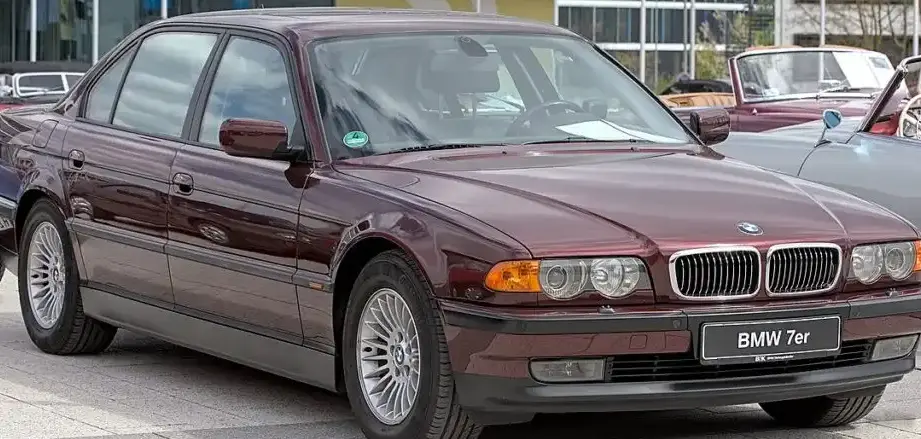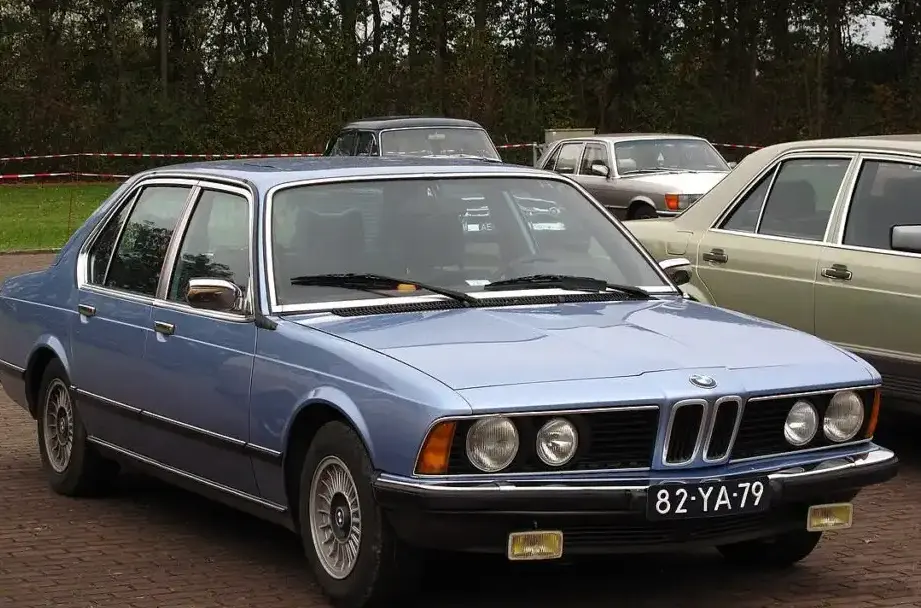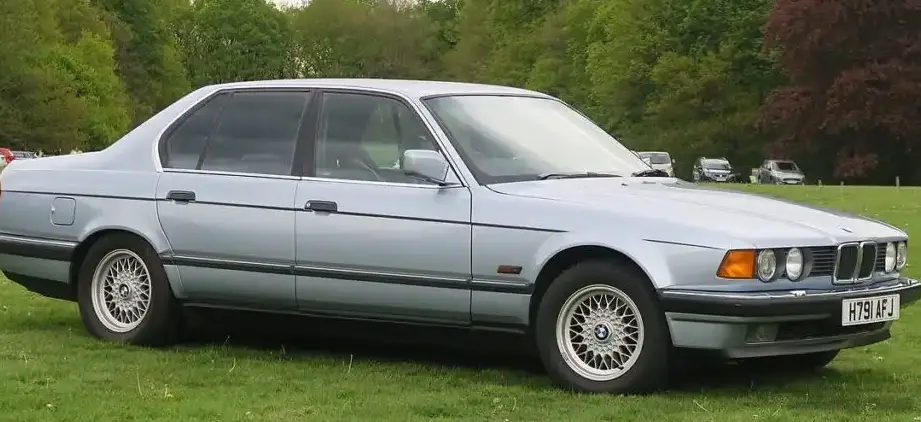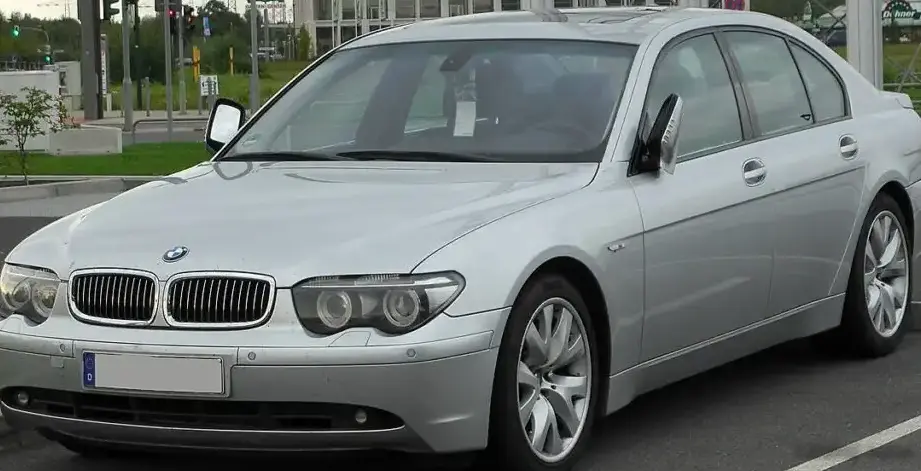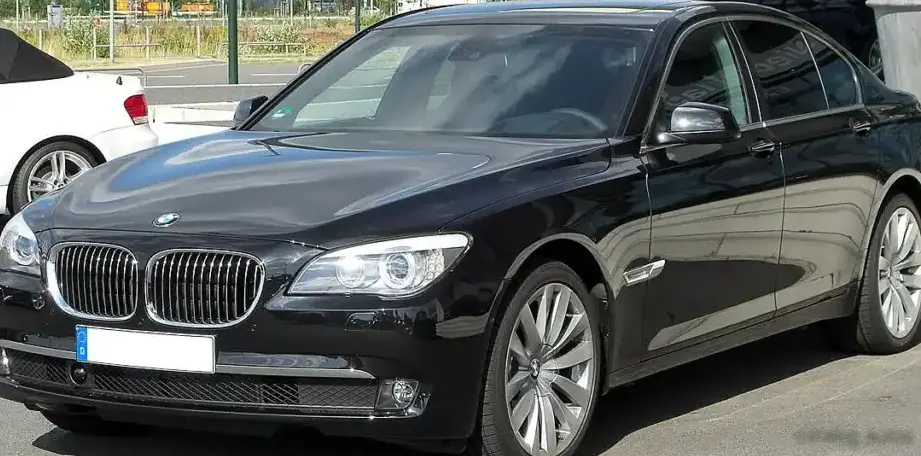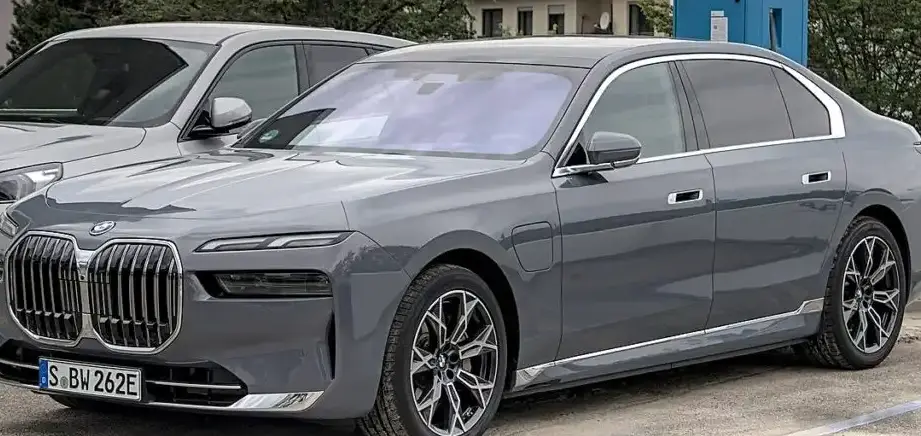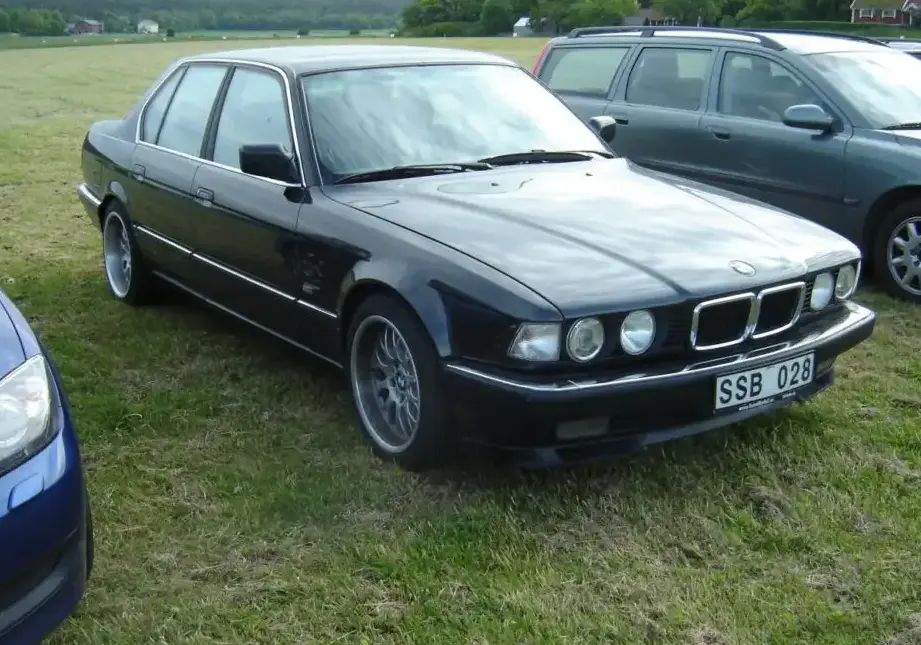
The BMW 730i V8, produced between 1992 and 1994, represents a significant iteration of the E32 7 Series. This model, introduced with the facelift of the E32 generation, aimed to offer a balance between the performance of the larger V12 engines and the relative affordability of the inline-six models. Positioned as a mid-range offering within the 7 Series lineup, the 730i V8 catered to buyers seeking a luxurious and capable sedan with a smooth, powerful engine. It was primarily sold in European and select international markets, serving as a key competitor to Mercedes-Benz S-Class and Audi A8 models.
Technical Specifications
| Brand | BMW |
| Model | 7 Series |
| Generation | 7 Series (E32, facelift 1992) |
| Type (Engine) | 730i V8 (218 Hp) Automatic |
| Start of production | 1992 |
| End of production | 1994 |
| Powertrain Architecture | Internal Combustion engine |
| Body type | Sedan |
| Seats | 5 |
| Doors | 4 |
| Fuel consumption (urban) | 15.6 l/100 km (15.1 US mpg, 18.1 UK mpg, 6.4 km/l) |
| Fuel consumption (extra urban) | 7.7 l/100 km (30.5 US mpg, 36.7 UK mpg, 13 km/l) |
| Fuel consumption (combined) | 10.9 l/100 km (21.6 US mpg, 25.9 UK mpg, 9.2 km/l) |
| Fuel Type | Petrol (Gasoline) |
| Acceleration 0 – 100 km/h | 9.3 sec |
| Acceleration 0 – 62 mph | 9.3 sec |
| Acceleration 0 – 60 mph | 8.8 sec |
| Maximum speed | 230 km/h (142.92 mph) |
| Weight-to-power ratio | 7.9 kg/Hp, 126 Hp/tonne |
| Weight-to-torque ratio | 6 kg/Nm, 167.6 Nm/tonne |
| Power | 218 Hp @ 5800 rpm |
| Power per litre | 72.7 Hp/l |
| Torque | 290 Nm @ 4500 rpm (213.89 lb.-ft. @ 4500 rpm) |
| Engine layout | Front, Longitudinal |
| Engine Model/Code | M60B30 |
| Engine displacement | 2997 cm3 (182.89 cu. in.) |
| Number of cylinders | 8 |
| Engine configuration | V-engine |
| Cylinder Bore | 84 mm (3.31 in.) |
| Piston Stroke | 67.6 mm (2.66 in.) |
| Compression ratio | 10.5:1 |
| Number of valves per cylinder | 4 |
| Fuel injection system | Multi-port manifold injection |
| Engine aspiration | Naturally aspirated engine |
| Valvetrain | DOHC |
| Engine oil capacity | 7.5 l (7.93 US qt | 6.6 UK qt) |
| Coolant | 12.5 l (13.21 US qt | 11 UK qt) |
| Kerb Weight | 1730 kg (3814 lbs.) |
| Max. weight | 2250 kg (4960.4 lbs.) |
| Max load | 520 kg (1146.4 lbs.) |
| Trunk (boot) space – minimum | 500 l (17.66 cu. ft.) |
| Fuel tank capacity | 90 l (23.78 US gal | 19.8 UK gal) |
| Length | 4910 mm (193.31 in.) |
| Width | 1845 mm (72.64 in.) |
| Height | 1411 mm (55.55 in.) |
| Wheelbase | 2832 mm (111.5 in.) |
| Front track | 1530 mm (60.24 in.) |
| Rear (Back) track | 1558 mm (61.34 in.) |
| Drag coefficient (Cd) | 0.32 |
| Minimum turning circle | 11.6 m (38.06 ft.) |
| Drivetrain Architecture | Rear wheel drive |
| Drive wheel | Rear wheel drive |
| Number of gears and type of gearbox | 5 gears, automatic transmission |
| Front suspension | Coil spring |
| Rear suspension | Coil spring |
| Front brakes | Ventilated discs |
| Rear brakes | Disc |
| Assisting systems | ABS (Anti-lock braking system) |
| Steering type | Steering rack and pinion |
| Power steering | Hydraulic Steering |
| Tires size | 225/60 ZR 15 |
| Wheel rims size | 15 |
Powertrain & Engine Architecture
The heart of the 730i V8 is the M60B30 engine, a 3.0-liter naturally aspirated V8. This engine is a member of the M60 family, known for its smooth operation and robust construction. It features a 90-degree V-angle, four valves per cylinder, and a double overhead camshaft (DOHC) design. The M60B30 utilizes Bosch Motronic 3.1 engine management, controlling multi-port fuel injection and ignition timing. The engine produces 218 horsepower at 5800 rpm and 290 Nm (213.89 lb-ft) of torque at 4500 rpm. Paired exclusively with a 5-speed automatic transmission (typically the ZF 5HP30), the powertrain was designed for refined, effortless cruising. The automatic transmission offered a balance between comfort and responsiveness, with electronically controlled shift points.
Driving Characteristics
The 730i V8 offered a distinctly different driving experience compared to the 735i (inline-six) or the 750i/740i (V12) models. While not as overtly sporty as the six-cylinder, the V8 provided significantly more low-end torque, resulting in effortless acceleration in everyday driving situations. The automatic transmission, while smooth, did result in a slight performance deficit compared to the available manual transmissions in other 7 Series variants. Gear ratios were optimized for comfortable highway cruising, with a focus on minimizing engine revolutions at higher speeds. The 0-60 mph time of around 8.8 seconds was respectable for the era, but noticeably slower than the more powerful models. However, the V8’s smooth power delivery and the automatic transmission’s seamless shifts contributed to a luxurious and refined driving experience.
Equipment & Trim Levels
The 730i V8 typically came well-equipped, reflecting BMW’s commitment to luxury. Standard features included leather upholstery, power-adjustable front seats with memory function, automatic climate control, a high-quality sound system, and power windows and locks. The E32 facelift also brought improvements to the interior trim and dashboard design. Optional extras included a sunroof, upgraded sound systems, rear climate control, and various wood trim options. The 730i V8 often served as a base for customers who wanted to add a significant number of options, allowing them to tailor the car to their specific preferences.
Chassis & Braking
The E32 7 Series featured a robust chassis with independent suspension all around. The 730i V8 utilized coil springs and shock absorbers at all four corners, providing a comfortable ride. The front suspension employed MacPherson struts, while the rear utilized a semi-trailing arm design. Braking duties were handled by ventilated discs at the front and solid discs at the rear. Anti-lock braking system (ABS) was standard, enhancing safety and control. The suspension tuning was geared towards comfort and stability, prioritizing a smooth ride over aggressive handling. Stabilizer bars were fitted front and rear to reduce body roll during cornering.
Market Reception & Comparison
The 730i V8 was generally well-received by automotive critics. It was praised for its smooth engine, comfortable ride, and luxurious interior. However, some reviewers noted that the performance was not as exhilarating as the larger-engined models. Fuel economy, while reasonable for a V8 of that era, was still relatively high at around 21.6 US mpg combined. Compared to the 735i, the 730i V8 offered a more refined and relaxed driving experience, albeit with slightly less performance. Compared to the 750i/740i, it represented a more affordable entry point into the 7 Series range, sacrificing some power and prestige for a lower price tag.
Legacy
The M60B30 engine, while not as widely produced as some of BMW’s other engines, has proven to be remarkably durable. Well-maintained examples continue to provide reliable service today. The 730i V8, while not the most sought-after E32 variant, has gained a following among enthusiasts who appreciate its blend of luxury, comfort, and V8 power. In the used car market, these cars are often more affordable than the 750i/740i models, making them an attractive option for those seeking a classic BMW experience without breaking the bank. However, as with any older luxury car, regular maintenance and attention to detail are crucial to preserving its condition and ensuring its long-term reliability.