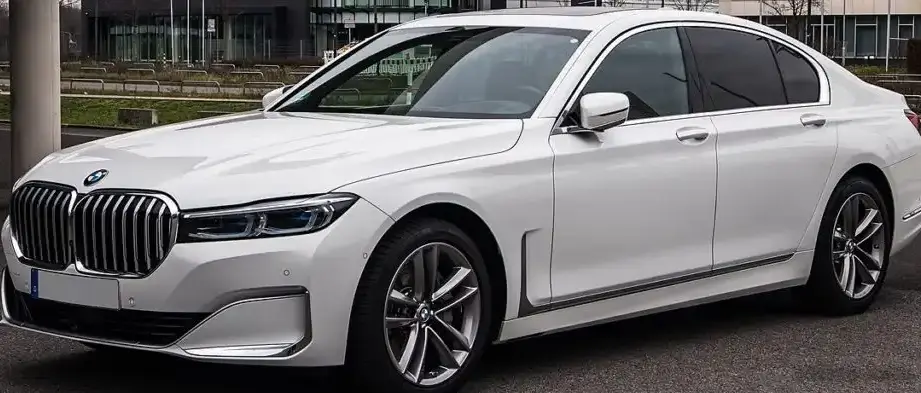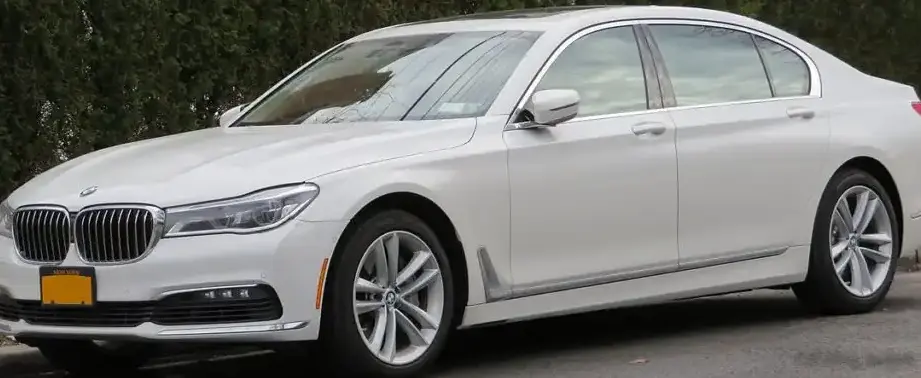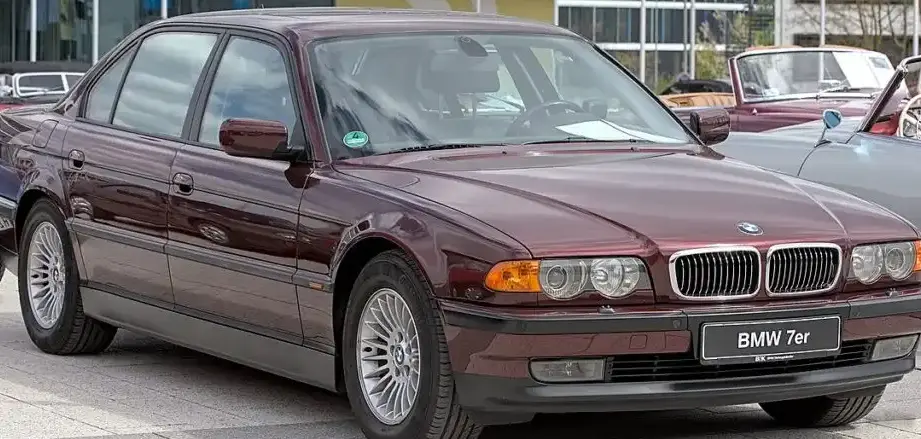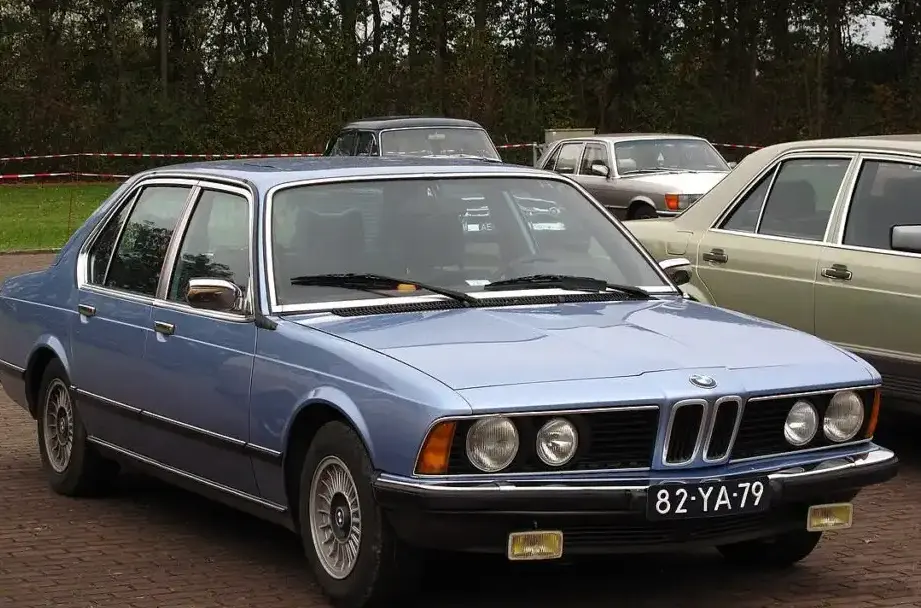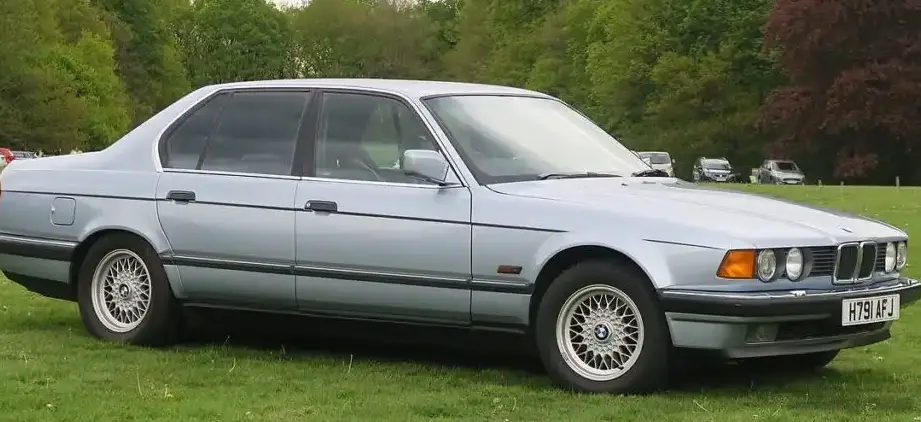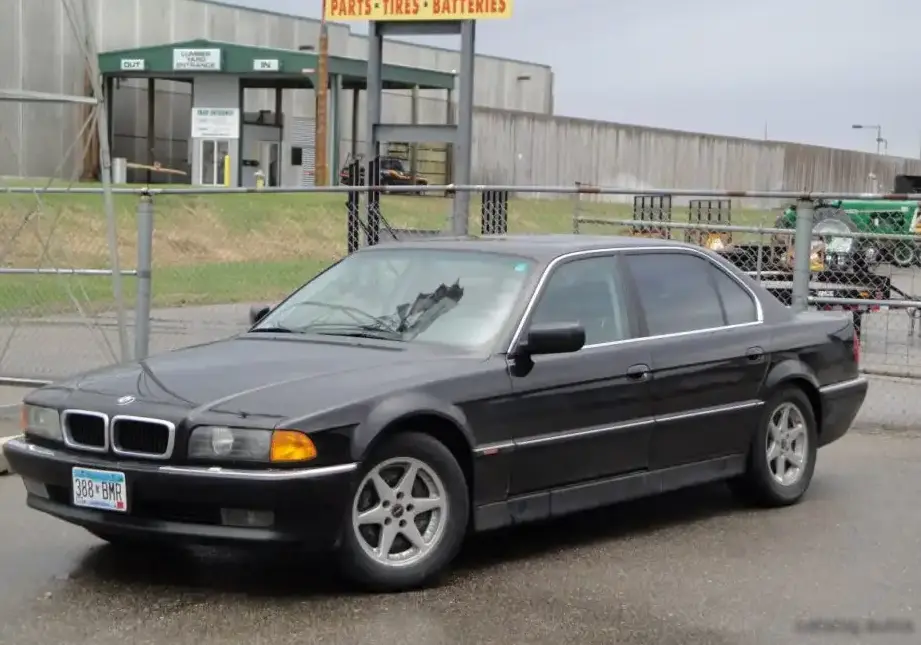
The BMW 740i, part of the E38 generation of the 7 Series produced between 1994 and 1996, represented a significant step forward in luxury and technology for the German automaker. Positioned as a mid-range offering within the E38 lineup – sandwiched between the entry-level 730i and the flagship 750iL – the 740i aimed to deliver a compelling blend of performance, refinement, and features. It was BMW’s response to increasing competition in the full-size luxury segment, particularly from Mercedes-Benz and Jaguar. The “Steptronic” designation indicates the inclusion of BMW’s then-new automatic transmission with manual shift capabilities.
Technical Specifications
| Brand | BMW |
| Model | 7 Series |
| Generation | 7 Series (E38) |
| Type (Engine) | 740i 4.0 (286 Hp) Steptronic |
| Start of production | 1994 |
| End of production | 1996 |
| Powertrain Architecture | Internal Combustion engine |
| Body type | Sedan |
| Seats | 5 |
| Doors | 4 |
| Fuel consumption (urban) | 16.3 l/100 km (14.4 US mpg, 17.3 UK mpg, 6.1 km/l) |
| Fuel consumption (extra urban) | 8.3 l/100 km (28.3 US mpg, 34 UK mpg, 12 km/l) |
| Fuel consumption (combined) | 11.5 l/100 km (20.5 US mpg, 24.6 UK mpg, 8.7 km/l) |
| Fuel Type | Petrol (Gasoline) |
| Acceleration 0 – 100 km/h | 7.4 sec |
| Acceleration 0 – 62 mph | 7.4 sec |
| Acceleration 0 – 60 mph | 7 sec |
| Maximum speed | 250 km/h (155.34 mph) |
| Weight-to-power ratio | 6.2 kg/Hp, 160.7 Hp/tonne |
| Weight-to-torque ratio | 4.5 kg/Nm, 224.7 Nm/tonne |
| Power | 286 Hp @ 5800 rpm |
| Power per litre | 71.8 Hp/l |
| Torque | 400 Nm @ 4500 rpm (295.02 lb.-ft. @ 4500 rpm) |
| Engine layout | Front, Longitudinal |
| Engine Model/Code | M60B40 |
| Engine displacement | 3982 cm3 (243 cu. in.) |
| Number of cylinders | 8 |
| Engine configuration | V-engine |
| Cylinder Bore | 89 mm (3.5 in.) |
| Piston Stroke | 80 mm (3.15 in.) |
| Compression ratio | 10:1 |
| Number of valves per cylinder | 4 |
| Fuel injection system | Multi-port manifold injection |
| Engine aspiration | Naturally aspirated engine |
| Valvetrain | DOHC |
| Engine oil capacity | 7.5 l (7.93 US qt | 6.6 UK qt) |
| Coolant | 12.5 l (13.21 US qt | 11 UK qt) |
| Kerb Weight | 1780 kg (3924.23 lbs.) |
| Max. weight | 2315 kg (5103.7 lbs.) |
| Max load | 535 kg (1179.47 lbs.) |
| Trunk (boot) space – minimum | 500 l (17.66 cu. ft.) |
| Fuel tank capacity | 85 l (22.45 US gal | 18.7 UK gal) |
| Length | 4984 mm (196.22 in.) |
| Width | 1862 mm (73.31 in.) |
| Height | 1435 mm (56.5 in.) |
| Wheelbase | 2930 mm (115.35 in.) |
| Front track | 1552 mm (61.1 in.) |
| Rear (Back) track | 1568 mm (61.73 in.) |
| Drag coefficient (Cd) | 0.30 |
| Minimum turning circle | 11.6 m (38.06 ft.) |
| Drivetrain Architecture | Rear wheel drive |
| Drive wheel | Rear wheel drive |
| Number of gears | 5 |
| Gearbox type | automatic transmission Steptronic |
| Front suspension | Wishbone |
| Rear suspension | Inclined Lever |
| Front brakes | Ventilated discs |
| Rear brakes | Disc |
| Assisting systems | ABS (Anti-lock braking system) |
| Steering type | Steering rack and pinion |
| Power steering | Hydraulic Steering |
| Tires size | 215/65 R16 |
| Wheel rims size | 16 |
Powertrain & Engine Architecture
The heart of the 740i was the M60B40 4.0-liter V8 engine. This engine, a cornerstone of BMW’s engineering prowess in the early 1990s, featured all-aluminum construction, a 90-degree V-angle, and dual overhead camshafts (DOHC) with four valves per cylinder. The M60B40 utilized Bosch Motronic 1.7 engine management, controlling multi-port fuel injection and ignition timing. This system was crucial for optimizing performance and fuel efficiency. The engine produced 286 horsepower at 5800 rpm and 400 Nm (295 lb-ft) of torque at 4500 rpm. Paired with the engine was the 5HP30 Steptronic automatic transmission, a five-speed unit offering both fully automatic operation and a manual shift mode, allowing drivers to exert more control over gear selection. This transmission was a significant upgrade over previous BMW automatics, providing smoother shifts and quicker response times.
Driving Characteristics
The 740i with the Steptronic transmission offered a refined and capable driving experience. While not as overtly sporty as the 750iL, the 740i provided ample power for confident highway cruising and brisk acceleration. The automatic transmission, while improving upon earlier designs, wasn’t as quick-shifting as modern transmissions. However, the manual shift mode allowed drivers to hold gears longer for more spirited driving. The gear ratios were tuned for a balance of acceleration and fuel economy. Compared to the 730i, the 740i offered a noticeable performance advantage, while remaining more accessible than the considerably more expensive 750iL. The added weight of the automatic transmission did slightly impact acceleration compared to the six-speed manual option available in some markets.
Equipment & Trim Levels
The 740i came standard with a generous array of features befitting a luxury sedan of its era. These included leather upholstery, power-adjustable front seats with memory function, automatic climate control, a premium sound system, and power windows and locks. Wood trim adorned the interior, adding to the sense of luxury. Optional extras included a rear sunshade, a navigation system (a relatively new feature at the time), upgraded leather options, and a sunroof. The 740i’s interior was designed to provide a comfortable and sophisticated environment for both driver and passengers.
Chassis & Braking
The E38 7 Series featured a robust chassis with independent suspension at all four wheels. The front suspension utilized a double wishbone design, while the rear employed an inclined lever setup. This configuration provided a comfortable ride while maintaining good handling characteristics. The 740i was equipped with ventilated disc brakes at the front and solid disc brakes at the rear. Anti-lock braking system (ABS) was standard, enhancing safety and control during hard braking. The steering was a rack-and-pinion system with hydraulic power assistance, providing precise and responsive steering feel.
Market Reception & Comparison
The 740i was generally well-received by automotive critics. It was praised for its powerful engine, comfortable ride, and luxurious interior. However, some reviewers noted that the Steptronic transmission, while improved, wasn’t as responsive as a manual gearbox. Compared to the 730i, the 740i offered a significant performance boost, justifying the higher price tag for those seeking more power. Against the 750iL, the 740i represented a more sensible option for buyers who didn’t require the ultimate in performance and luxury. Fuel economy, while not a primary concern for buyers in this segment, was respectable for a V8-powered luxury sedan.
Legacy
The M60B40 engine, while known for its smooth power delivery and overall reliability, can be susceptible to cooling system issues and oil leaks as it ages. The Steptronic transmission, if properly maintained, is generally durable, but can require expensive repairs if problems arise. Today, the E38 740i is considered a classic BMW, appreciated by enthusiasts for its blend of luxury, performance, and timeless design. Well-maintained examples are becoming increasingly collectible, and the car remains a comfortable and capable grand tourer. Finding parts can sometimes be challenging, but a dedicated community of BMW enthusiasts ensures that support and resources are available.