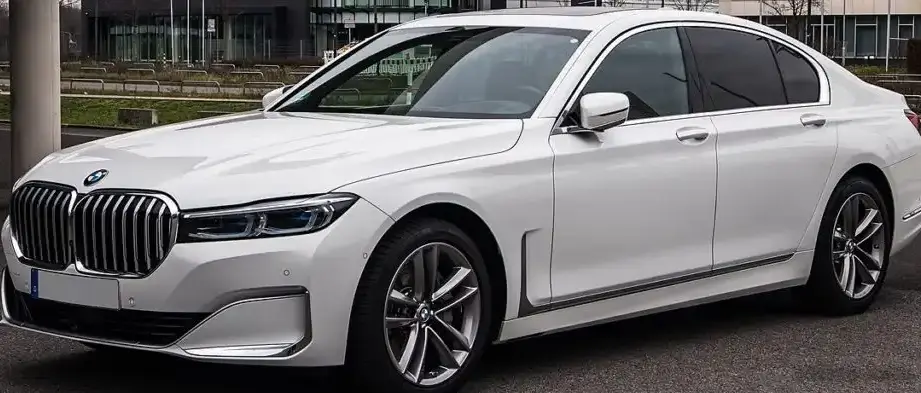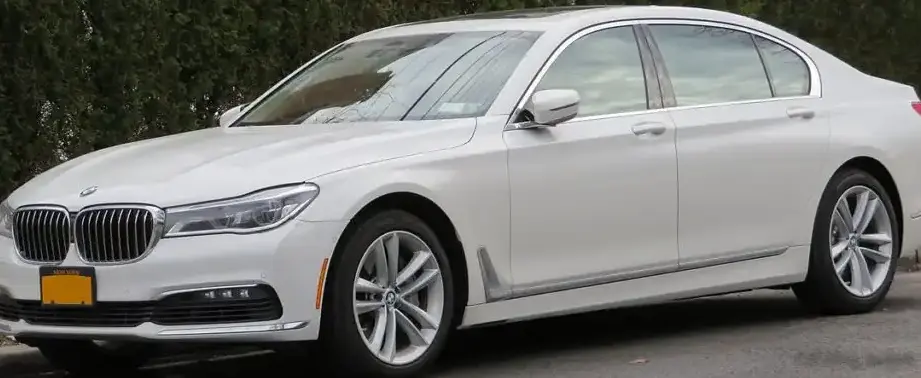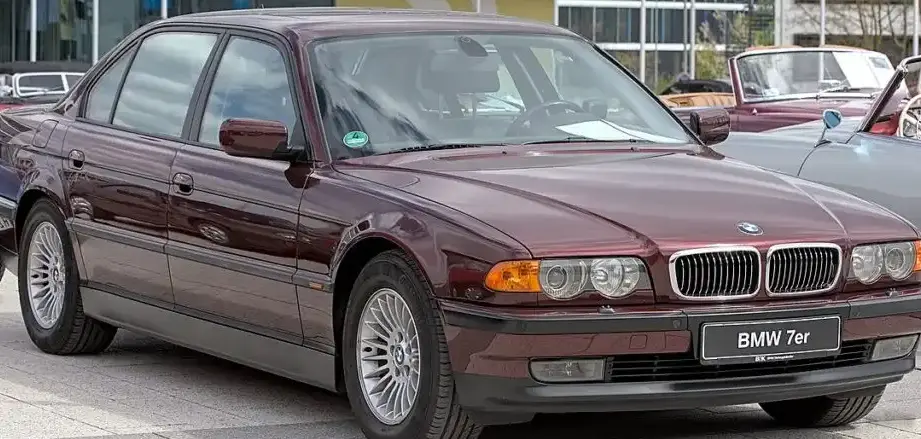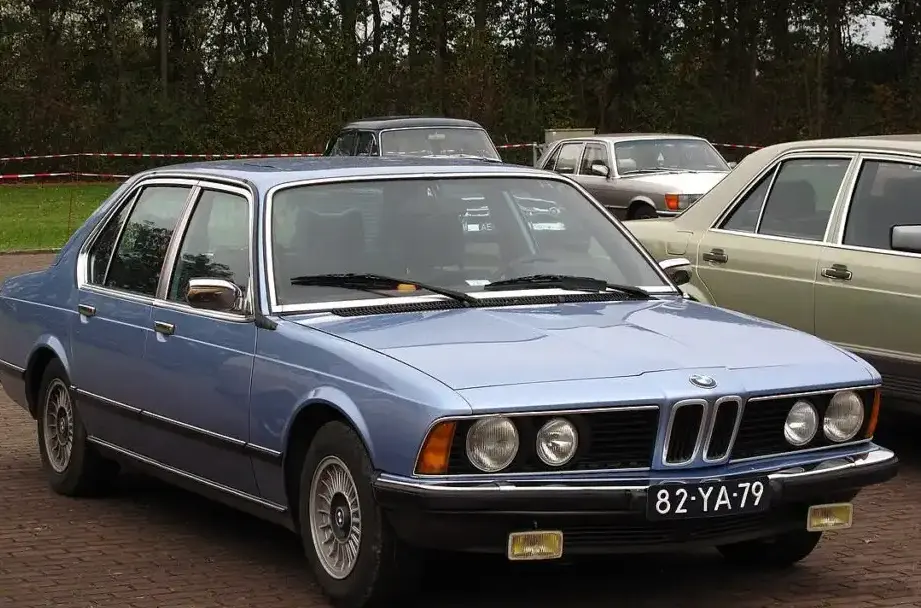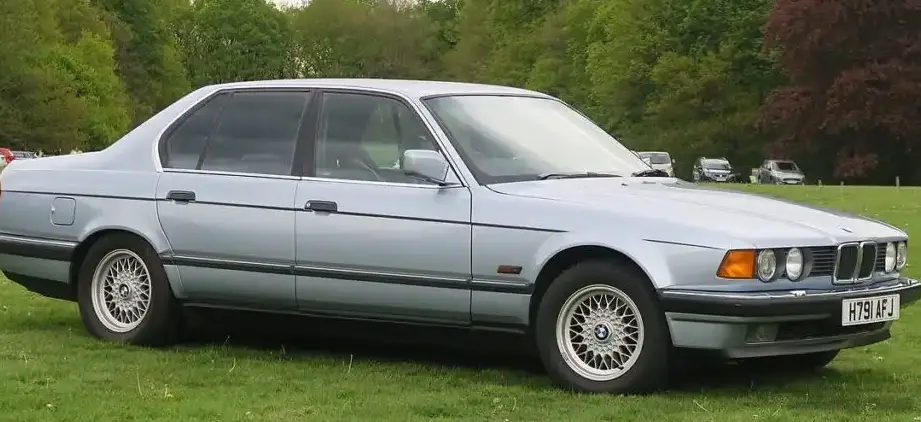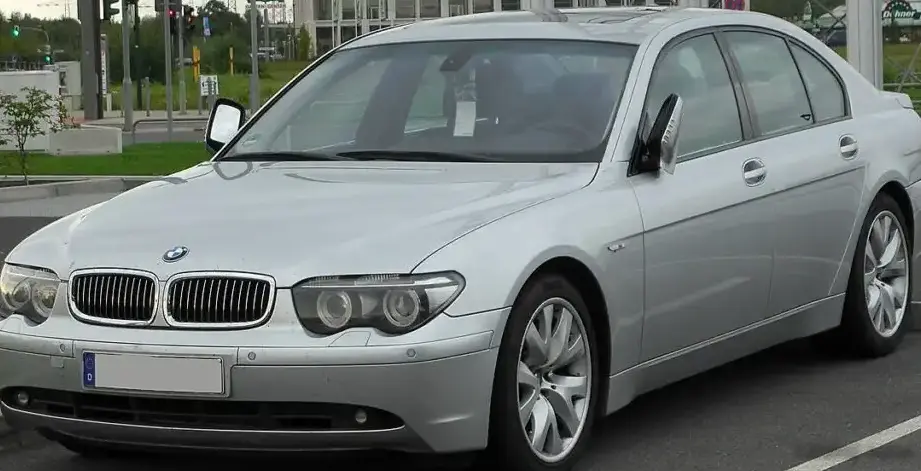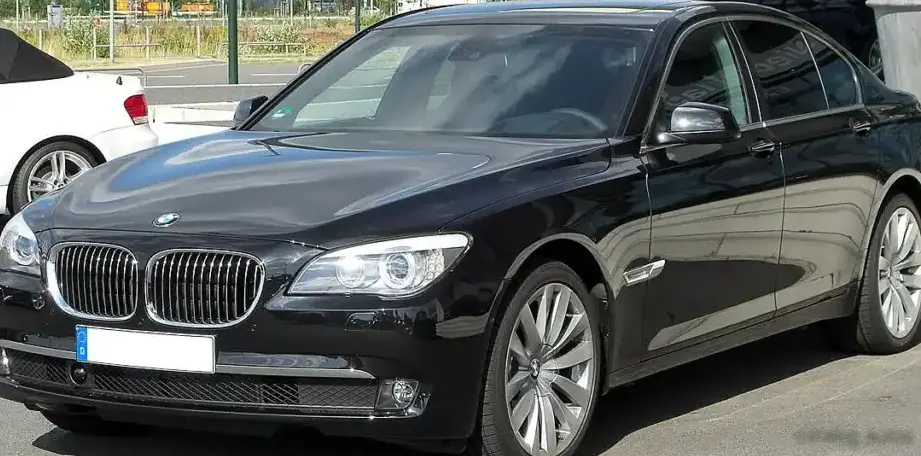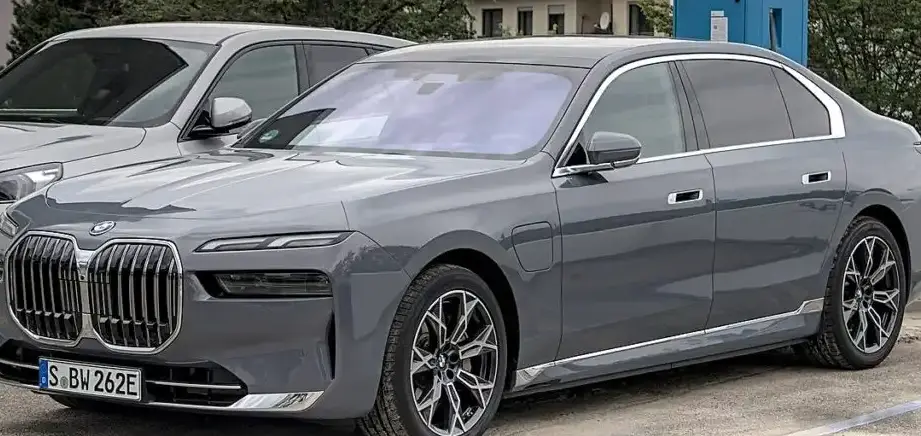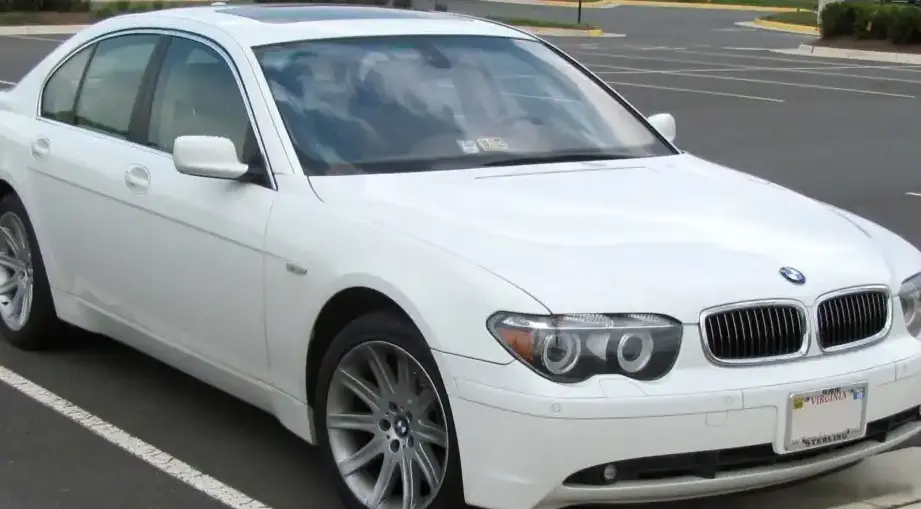
The BMW 760i, produced between 2002 and 2005 as part of the E65 generation of the 7 Series, represented the pinnacle of BMW’s luxury and performance offerings. This flagship sedan was distinguished by its powerful 6.0-liter V12 engine and sophisticated technology, aimed at competing with the Mercedes-Benz S-Class and other high-end luxury vehicles. The 760i was positioned as the top-of-the-line model, offering a more exclusive experience than the 745i and 750i variants. It was primarily marketed towards buyers seeking uncompromising power, refinement, and advanced features in a large luxury sedan, primarily in North America, Europe, and select Asian markets.
Technical Specifications
| Brand | BMW |
| Model | 7 Series |
| Generation | 7 Series (E65) |
| Type (Engine) | 760i (445 Hp) Steptronic |
| Start of production | 2002 |
| End of production | 2005 |
| Powertrain Architecture | Internal Combustion engine |
| Body type | Sedan |
| Seats | 5 |
| Doors | 4 |
| Fuel consumption (economy) – urban | 20.2 l/100 km (11.6 US mpg, 14 UK mpg, 5 km/l) |
| Fuel consumption (economy) – extra urban | 9.5 l/100 km (24.8 US mpg, 29.7 UK mpg, 10.5 km/l) |
| Fuel consumption (economy) – combined | 13.4 l/100 km (17.6 US mpg, 21.1 UK mpg, 7.5 km/l) |
| Fuel Type | Petrol (Gasoline) |
| Acceleration 0 – 100 km/h | 5.5 sec |
| Acceleration 0 – 62 mph | 5.5 sec |
| Acceleration 0 – 60 mph | 5.2 sec |
| Maximum speed | 250 km/h (155.34 mph) – Electronically limited |
| Emission standard | Euro 3 |
| Weight-to-power ratio | 4.5 kg/Hp, 220.8 Hp/tonne |
| Weight-to-torque ratio | 3.4 kg/Nm, 297.8 Nm/tonne |
| Power | 445 Hp @ 6000 rpm |
| Power per litre | 74.5 Hp/l |
| Torque | 600 Nm @ 3950 rpm (442.54 lb.-ft. @ 3950 rpm) |
| Engine layout | Front, Longitudinal |
| Engine Model/Code | N73B60 |
| Engine displacement | 5972 cm3 (364.43 cu. in.) |
| Number of cylinders | 12 |
| Engine configuration | V-engine |
| Cylinder Bore | 89 mm (3.5 in.) |
| Piston Stroke | 80 mm (3.15 in.) |
| Compression ratio | 11.3:1 |
| Number of valves per cylinder | 4 |
| Fuel injection system | Direct injection |
| Engine aspiration | Naturally aspirated engine |
| Valvetrain | DOHC |
| Engine oil capacity | 8.5 l (8.98 US qt | 7.48 UK qt) |
| Kerb Weight | 2015 kg (4442.31 lbs.) |
| Max. weight | 2630 kg (5798.16 lbs.) |
| Max load | 615 kg (1355.84 lbs.) |
| Trunk (boot) space – minimum | 500 l (17.66 cu. ft.) |
| Fuel tank capacity | 88 l (23.25 US gal | 19.36 UK gal) |
| Length | 5029 mm (197.99 in.) |
| Width | 1902 mm (74.88 in.) |
| Height | 1492 mm (58.74 in.) |
| Wheelbase | 2990 mm (117.72 in.) |
| Front track | 1578 mm (62.13 in.) |
| Rear (Back) track | 1582 mm (62.28 in.) |
| Drag coefficient (Cd) | 0.29 |
| Minimum turning circle | 12.1 m (39.7 ft.) |
| Drivetrain Architecture | Rear wheel drive |
| Number of gears and type of gearbox | 6 gears, automatic transmission Steptronic |
| Front suspension | Spring Strut |
| Rear suspension | Air suspension |
| Front brakes | Ventilated discs |
| Rear brakes | Ventilated discs |
| Assisting systems | ABS (Anti-lock braking system) |
| Steering type | Steering rack and pinion |
| Power steering | Hydraulic Steering |
| Tires size | 245/50 R18 |
| Wheel rims size | 18 |
Powertrain & Engine Architecture
The heart of the 760i was the N73B60, a 6.0-liter naturally aspirated V12 engine. This engine featured BMW’s Valvetronic technology, a variable valve lift system that optimized engine breathing for improved efficiency and power delivery. Direct fuel injection further enhanced performance and reduced emissions. The N73B60 produced 445 horsepower at 6000 rpm and a substantial 600 Nm (442.54 lb-ft) of torque at 3950 rpm. This power was delivered to the rear wheels through a six-speed Steptronic automatic transmission. The Steptronic transmission offered both fully automatic operation and a manual shift mode, allowing drivers to have more control over gear selection. The engine’s longitudinal mounting and rear-wheel-drive configuration were typical of BMW’s performance-oriented sedans.
Driving Characteristics
The 760i offered a driving experience that prioritized effortless power and smooth refinement. The V12 engine provided ample torque throughout the rev range, resulting in strong acceleration in any gear. The Steptronic transmission shifted smoothly and responsively, contributing to a relaxed and comfortable driving experience. While not as overtly sporty as the 750i, the 760i still offered impressive handling thanks to its sophisticated suspension system, which included air suspension on the rear axle. Compared to the 745i and 750i, the 760i delivered significantly more power and a more luxurious feel. The 750i, with its V8 engine, offered a good balance of performance and efficiency, while the 745i was positioned as the more economical option.
Equipment & Trim Levels
The 760i came standard with a comprehensive list of luxury features, including leather upholstery, wood trim, a premium sound system, and a navigation system. Standard equipment also included features like automatic climate control, power-adjustable seats with memory function, and a sunroof. Optional extras included features like massaging seats, rear-seat entertainment, and upgraded leather options. The interior design emphasized elegance and comfort, with high-quality materials and meticulous attention to detail. The 760i’s trim levels were relatively limited, as it was already the top-of-the-line model. However, buyers could customize their vehicles with a range of options to suit their individual preferences.
Chassis & Braking
The E65 7 Series featured a robust chassis designed to provide a comfortable ride and stable handling. The front suspension utilized spring struts, while the rear suspension employed an air suspension system, which automatically adjusted ride height and damping based on driving conditions. This air suspension contributed to a smooth and controlled ride, even on uneven surfaces. The 760i was equipped with ventilated disc brakes on all four wheels, providing ample stopping power. An anti-lock braking system (ABS) was standard, enhancing safety and control during emergency braking situations. The steering system utilized a rack-and-pinion setup with hydraulic power assistance, offering precise and responsive steering feel.
Market Reception & Comparison
The 760i was generally well-received by automotive critics, who praised its powerful engine, luxurious interior, and advanced technology. However, some critics noted its high price and relatively poor fuel economy. Compared to its rivals, such as the Mercedes-Benz S600, the 760i offered a more driver-focused experience, with sharper handling and a more responsive engine. The 750i, while offering less power, provided a more fuel-efficient and affordable alternative. The 745i appealed to buyers who prioritized economy and practicality. Reliability was a mixed bag, with some owners reporting issues with the complex electronic systems and air suspension. However, the N73B60 engine itself was generally considered to be a robust and reliable unit.
Legacy
The E65 760i remains a desirable vehicle among enthusiasts and collectors. Its powerful V12 engine and luxurious features continue to appeal to those seeking a high-end luxury sedan. While maintenance costs can be high due to the complexity of the vehicle, the 760i offers a unique driving experience that is difficult to replicate with modern cars. The N73B60 engine, when properly maintained, has proven to be a durable and long-lasting powerplant. Today, well-maintained examples of the E65 760i command a premium in the used car market, representing a piece of BMW’s engineering heritage.