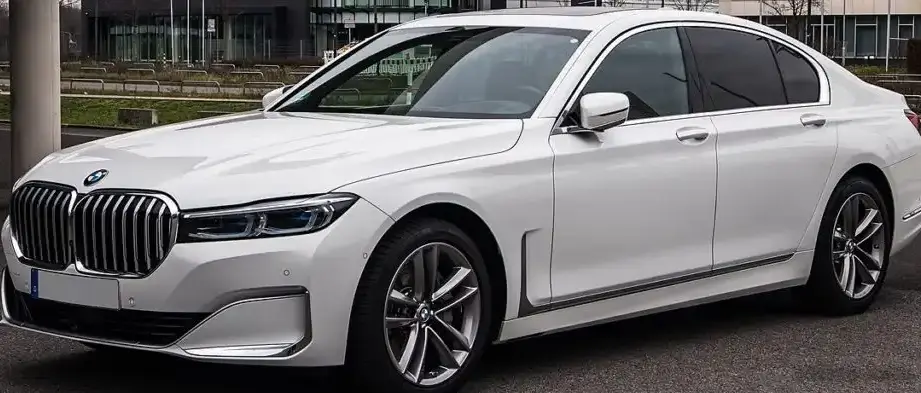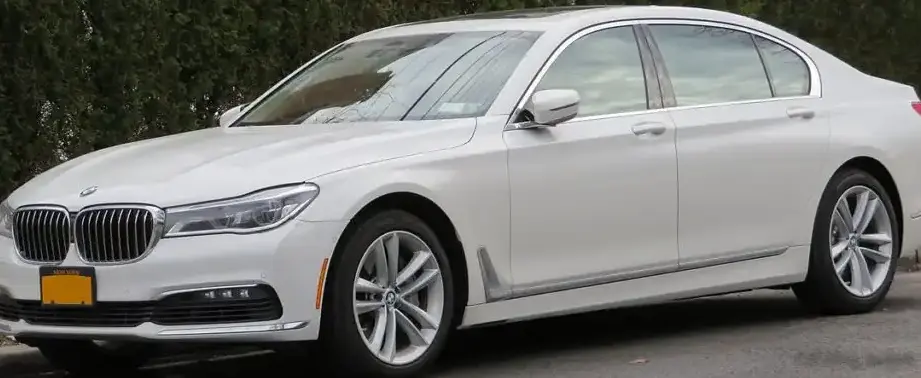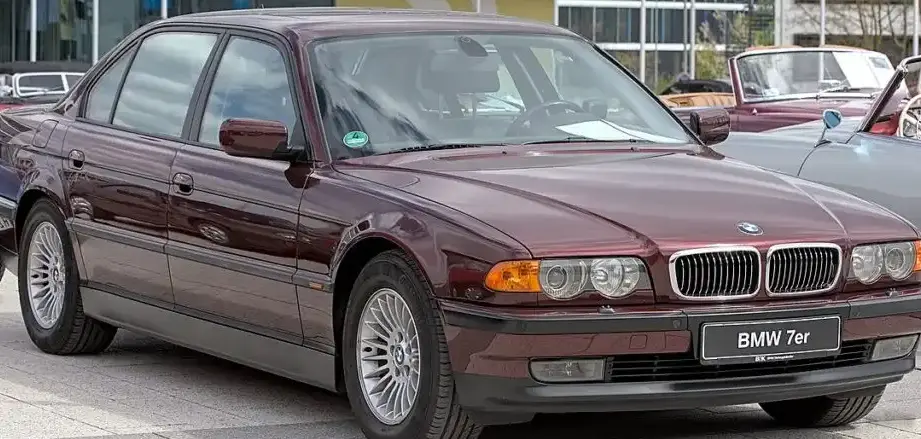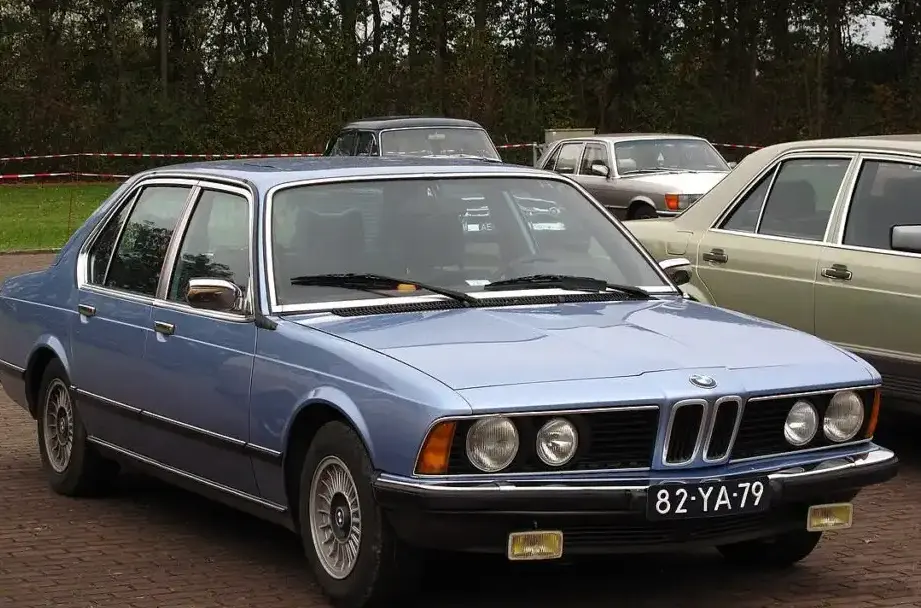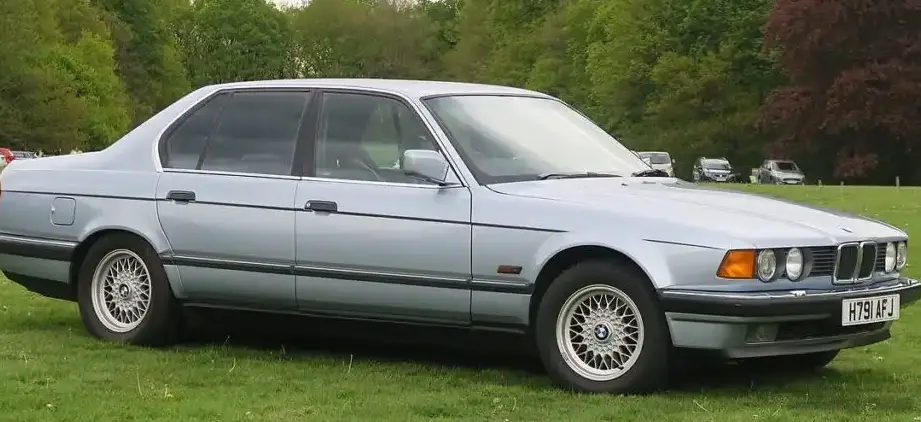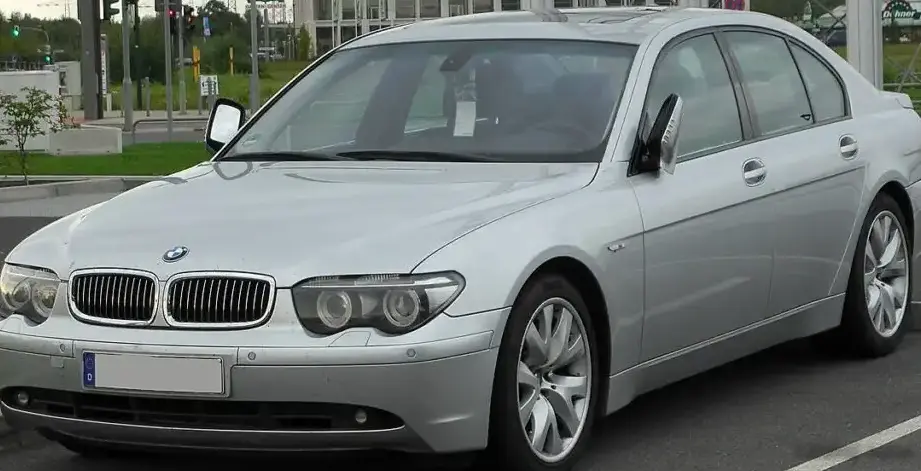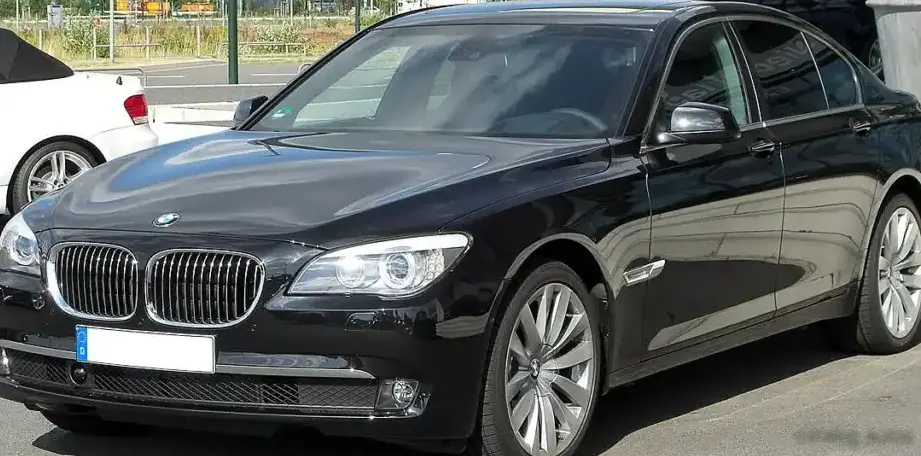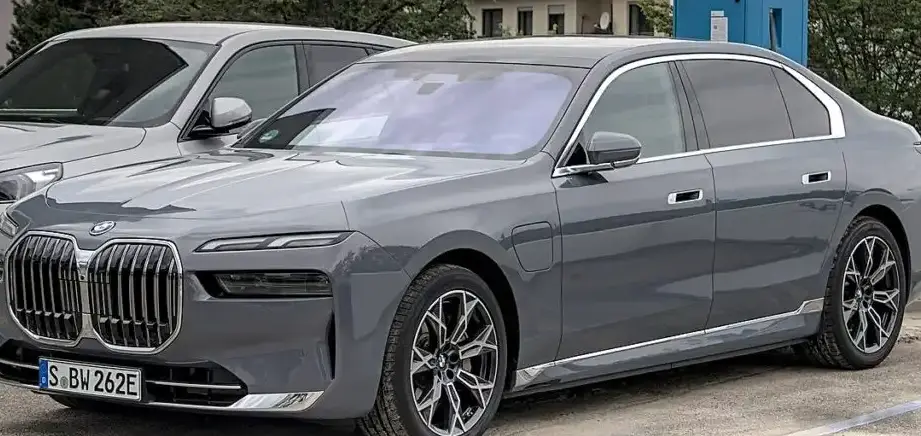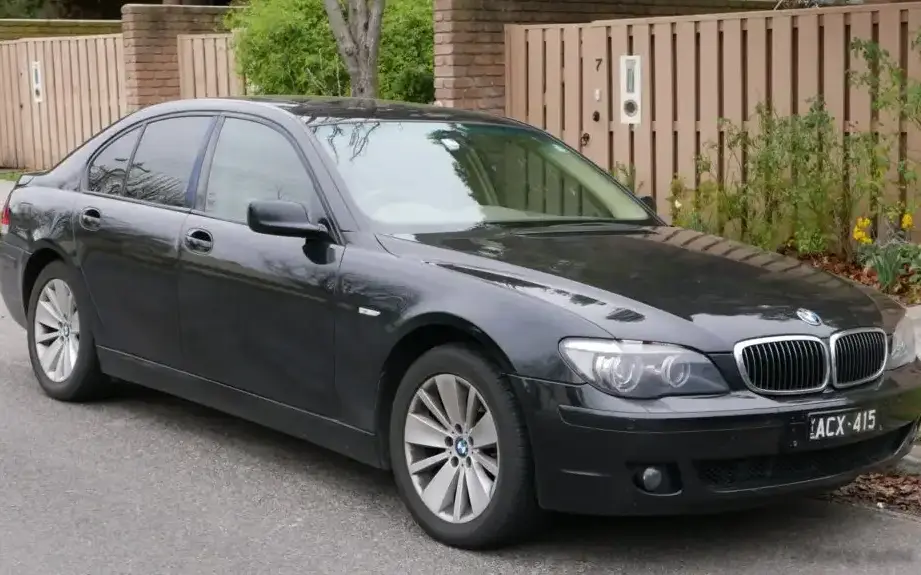
The BMW 730i, part of the E65 generation 7 Series produced from 2005 to 2008, represented a key entry point into BMW’s flagship sedan range. Following the 2005 facelift of the E65, the 730i was positioned as a more accessible alternative to the higher-performance 745i and 760i models, offering a blend of luxury, technology, and a naturally aspirated inline-six engine paired with BMW’s Steptronic automatic transmission. This variant aimed to attract buyers who prioritized refinement and efficiency over outright speed, while still benefiting from the 7 Series’ advanced features and prestigious image.
Technical Specifications
| Brand | BMW |
| Model | 7 Series |
| Generation | 7 Series (E65, facelift 2005) |
| Type (Engine) | 730i (258 Hp) Steptronic |
| Start of production | 2005 |
| End of production | 2008 |
| Powertrain Architecture | Internal Combustion engine |
| Body type | Sedan |
| Seats | 5 |
| Doors | 4 |
| Fuel consumption (economy) – urban | 14.6 l/100 km (16.1 US mpg, 19.3 UK mpg, 6.8 km/l) |
| Fuel consumption (economy) – extra urban | 7.5 l/100 km (31.4 US mpg, 37.7 UK mpg, 13.3 km/l) |
| Fuel consumption (economy) – combined | 10.1 l/100 km (23.3 US mpg, 28 UK mpg, 9.9 km/l) |
| Fuel Type | Petrol (Gasoline) |
| Acceleration 0 – 100 km/h | 7.8 sec |
| Acceleration 0 – 62 mph | 7.8 sec |
| Acceleration 0 – 60 mph | 7.4 sec |
| Maximum speed | 237 km/h (147.26 mph) |
| Emission standard | Euro 4 |
| Weight-to-power ratio | 7 kg/Hp, 142.9 Hp/tonne |
| Weight-to-torque ratio | 6 kg/Nm, 166.2 Nm/tonne |
| Power | 258 Hp @ 6600 rpm |
| Power per litre | 86.1 Hp/l |
| Torque | 300 Nm @ 2500-4000 rpm (221.27 lb.-ft. @ 2500-4000 rpm) |
| Engine layout | Front, Longitudinal |
| Engine Model/Code | N52B30A |
| Engine displacement | 2996 cm3 (182.83 cu. in.) |
| Number of cylinders | 6 |
| Engine configuration | Inline |
| Cylinder Bore | 85 mm (3.35 in.) |
| Piston Stroke | 88 mm (3.46 in.) |
| Compression ratio | 10.7:1 |
| Number of valves per cylinder | 4 |
| Fuel injection system | Multi-port manifold injection |
| Engine aspiration | Naturally aspirated engine |
| Valvetrain | DOHC |
| Engine oil capacity | 6.5 l (6.87 US qt | 5.72 UK qt) |
| Coolant | 11.4 l (12.05 US qt | 10.03 UK qt) |
| Kerb Weight | 1805 kg (3979.34 lbs.) |
| Max. weight | 2385 kg (5258.02 lbs.) |
| Max load | 580 kg (1278.68 lbs.) |
| Trunk (boot) space – minimum | 500 l (17.66 cu. ft.) |
| Fuel tank capacity | 88 l (23.25 US gal | 19.36 UK gal) |
| Length | 5039 mm (198.39 in.) |
| Width | 1902 mm (74.88 in.) |
| Height | 1491 mm (58.7 in.) |
| Wheelbase | 2990 mm (117.72 in.) |
| Front track | 1578 mm (62.13 in.) |
| Rear (Back) track | 1596 mm (62.83 in.) |
| Drag coefficient (Cd) | 0.29 |
| Minimum turning circle (turning diameter) | 12.1 m (39.7 ft.) |
| Drivetrain Architecture | The Internal combustion engine (ICE) drives the rear wheels of the vehicle. |
| Drive wheel | Rear wheel drive |
| Number of gears and type of gearbox | 6 gears, automatic transmission Steptronic |
| Front suspension | Spring Strut |
| Rear suspension | Coil spring |
| Front brakes | Ventilated discs |
| Rear brakes | Disc |
| Assisting systems | ABS (Anti-lock braking system) |
| Steering type | Steering rack and pinion |
| Power steering | Hydraulic Steering |
| Tires size | 245/55 R17 |
| Wheel rims size | 17 |
Powertrain & Engine Architecture
The 730i was powered by BMW’s N52B30A engine, a 3.0-liter naturally aspirated inline-six. This engine was a significant departure from the earlier M52 and M54 engines, featuring magnesium alloy construction for the block, double VANOS variable valve timing, and a more efficient combustion chamber design. The N52B30A produced 258 horsepower at 6600 rpm and 300 Nm (221 lb-ft) of torque between 2500 and 4000 rpm. Fuel was delivered via multi-port fuel injection. The engine’s smooth power delivery and relatively high revving nature were hallmarks of BMW’s inline-six tradition. The engine was mated to a six-speed Steptronic automatic transmission, offering both fully automatic operation and manual shift control. This transmission was known for its smooth shifts and responsiveness, contributing to a comfortable driving experience.
Driving Characteristics
The 730i’s driving experience was characterized by refinement and ease of use. While not as overtly sporty as the 745i or 760i, the 3.0-liter engine provided ample power for everyday driving and comfortable highway cruising. Acceleration from 0 to 60 mph took approximately 7.4 seconds, and the car had a top speed of 147 mph. The Steptronic transmission’s gear ratios were tuned for fuel efficiency and smooth transitions, rather than aggressive acceleration. Compared to the manual transmission options available on other 7 Series models, the automatic prioritized comfort and convenience. The 730i felt less eager to rev and lacked the immediate response of the higher-powered variants, but it offered a more relaxed and refined driving experience.
Equipment & Trim Levels
The 730i came standard with a comprehensive list of luxury features, including leather upholstery, power-adjustable front seats with memory function, automatic climate control, a premium sound system, and BMW’s iDrive infotainment system. Standard exterior features included alloy wheels, fog lights, and a sunroof. Optional extras included upgraded leather, rear-seat entertainment, active steering, and various driver-assistance systems. The interior trim could be customized with a range of wood veneers and metallic accents. The 730i generally occupied a mid-range position in the 7 Series lineup, offering a good balance of features and price.
Chassis & Braking
The E65 7 Series featured a robust chassis with a MacPherson strut front suspension and a multi-link rear suspension. The 730i’s suspension was tuned for comfort, providing a smooth and controlled ride. Brakes consisted of ventilated discs at the front and solid discs at the rear, with ABS standard. The steering was a hydraulic power-assisted rack-and-pinion system, offering precise and responsive handling. The 730i’s weight of approximately 3979 lbs was relatively moderate for a full-size luxury sedan, contributing to its balanced handling characteristics.
Market Reception & Comparison
The 730i was generally well-received by automotive critics as a sensible and refined option within the 7 Series range. It was praised for its comfortable ride, smooth engine, and comprehensive list of standard features. However, some critics noted that it lacked the outright performance of the 745i and 760i. Fuel economy was considered reasonable for a vehicle of its size and class, averaging around 23 mpg in combined driving. Compared to the 745i, the 730i offered a lower purchase price and potentially lower maintenance costs, making it an attractive option for buyers who prioritized value and efficiency. The 730i also offered a more accessible entry point into the BMW 7 Series brand.
Legacy
The N52B30A engine and the six-speed Steptronic automatic transmission used in the 730i have proven to be relatively reliable powertrains. While some maintenance issues, such as oil leaks and cooling system components, are common to the E65 generation 7 Series, the engine itself is generally considered durable. Today, the 730i represents a relatively affordable entry point into the world of BMW luxury. Well-maintained examples are still sought after by enthusiasts who appreciate the car’s blend of comfort, technology, and classic BMW driving characteristics. The 730i’s legacy lies in its ability to deliver a premium driving experience at a more accessible price point, making it a popular choice for those seeking a refined and reliable luxury sedan.