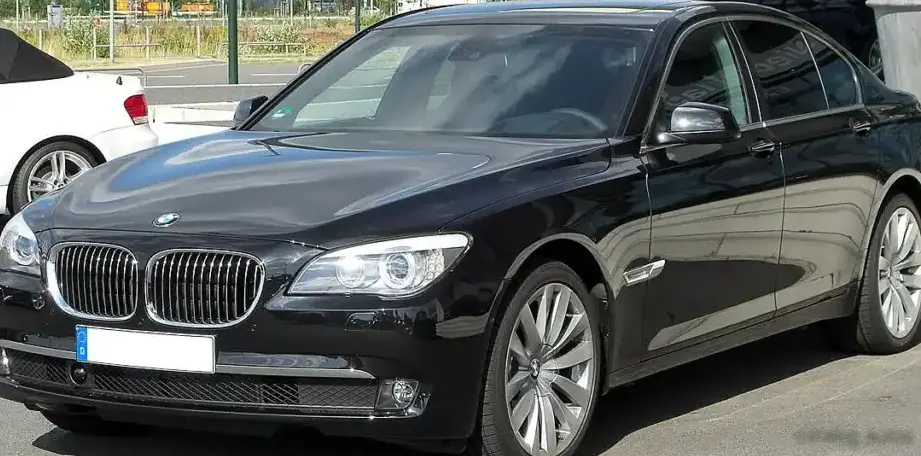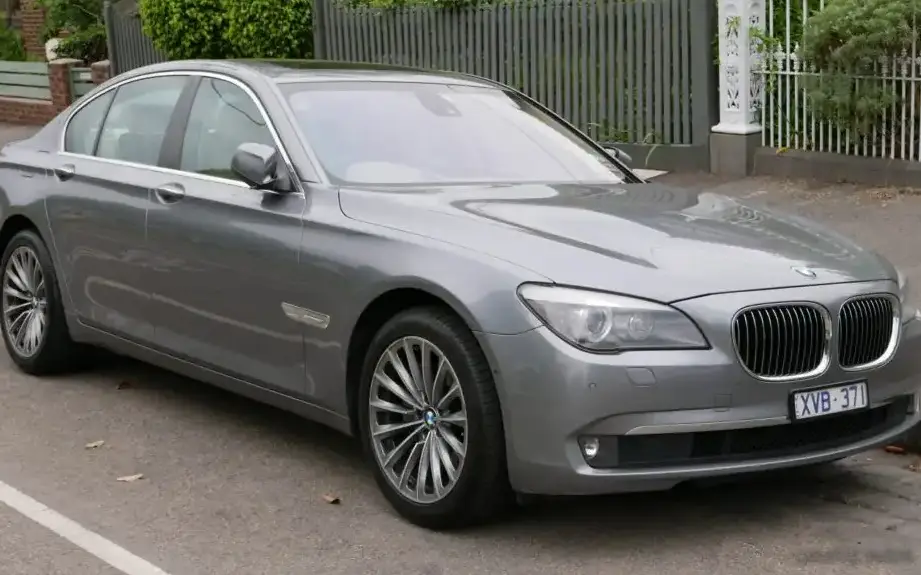
The BMW 730d Steptronic, produced between 2008 and 2011, was a key variant within the F01 generation of the BMW 7 Series. Positioned as a more fuel-efficient and accessible entry point into the flagship 7 Series range, it offered a blend of luxury, performance, and diesel economy. This model aimed to appeal to buyers seeking the prestige of a 7 Series without the higher costs associated with the more powerful 740i or 750i models. The 730d utilized BMW’s advanced diesel technology and a smooth-shifting automatic transmission, making it a popular choice in European markets where diesel engines were favored.
Technical Specifications
| Brand | BMW |
| Model | 7 Series |
| Generation | 7 Series (F01) |
| Type (Engine) | 730d (245 Hp) Steptronic DPF |
| Start of production | 2008 |
| End of production | 2011 |
| Powertrain Architecture | Internal Combustion engine |
| Body type | Sedan |
| Seats | 5 |
| Doors | 4 |
| Fuel consumption (urban) | 9.5 l/100 km (24.8 US mpg) |
| Fuel consumption (extra urban) | 5.9 l/100 km (39.9 US mpg) |
| Fuel consumption (combined) | 7.2 l/100 km (32.7 US mpg) |
| Fuel Type | Diesel |
| Acceleration 0 – 100 km/h | 7.2 sec |
| Acceleration 0 – 62 mph | 7.2 sec |
| Acceleration 0 – 60 mph | 6.8 sec |
| Maximum speed | 245 km/h (152.24 mph) |
| Emission standard | Euro 5 |
| Weight-to-power ratio | 7.6 kg/Hp |
| Weight-to-torque ratio | 3.5 kg/Nm |
| Power | 245 Hp @ 4000 rpm |
| Torque | 540 Nm @ 2000 rpm (398.28 lb.-ft. @ 2000 rpm) |
| Engine layout | Front, Longitudinal |
| Engine Model/Code | N57D30A |
| Engine displacement | 2993 cm3 (182.64 cu. in.) |
| Number of cylinders | 6 |
| Engine configuration | Inline |
| Cylinder Bore | 84 mm (3.31 in.) |
| Piston Stroke | 90 mm (3.54 in.) |
| Compression ratio | 17:1 |
| Number of valves per cylinder | 4 |
| Fuel injection system | Diesel Commonrail |
| Engine aspiration | Turbocharger, Intercooler |
| Valvetrain | DOHC |
| Engine oil capacity | 6.5 l (6.87 US qt | 5.72 UK qt) |
| Coolant | 8.9 l (9.4 US qt | 7.83 UK qt) |
| Kerb Weight | 1865 kg (4111.62 lbs.) |
| Max. weight | 2505 kg (5522.58 lbs.) |
| Max load | 640 kg (1410.96 lbs.) |
| Trunk (boot) space – minimum | 500 l (17.66 cu. ft.) |
| Fuel tank capacity | 80 l (21.13 US gal | 17.6 UK gal) |
| Length | 5072 mm (199.69 in.) |
| Width | 1902 mm (74.88 in.) |
| Height | 1479 mm (58.23 in.) |
| Wheelbase | 3070 mm (120.87 in.) |
| Front track | 1611 mm (63.43 in.) |
| Rear (Back) track | 1650 mm (64.96 in.) |
| Minimum turning circle | 12.2 m (40.03 ft.) |
| Drivetrain Architecture | Rear wheel drive |
| Number of gears | 6 |
| Gearbox type | Automatic transmission |
| Front suspension | Double wishbone |
| Rear suspension | Independent multi-link spring suspension with stabilizer |
| Front brakes | Ventilated discs |
| Rear brakes | Ventilated discs |
| Assisting systems | ABS (Anti-lock braking system) |
| Steering type | Steering rack and pinion |
| Power steering | Hydraulic Steering |
| Tires size | 245/55 R17 102W RSC |
| Wheel rims size | 8J x 17EH2+IS30 |
Powertrain & Engine Architecture
The heart of the 730d was the N57D30A, a 3.0-liter inline-six diesel engine. This engine was a significant advancement in BMW’s diesel technology, featuring common-rail direct injection and a variable geometry turbocharger. The common-rail system, operating at extremely high pressures, allowed for precise fuel metering and optimized combustion, resulting in improved efficiency and reduced emissions. The turbocharger, with its adjustable vanes, provided a broad torque curve and minimized turbo lag. The N57 engine family was known for its robust construction and relatively simple design, contributing to its long-term reliability. The engine produced 245 horsepower at 4000 rpm and a substantial 540 Nm (398 lb-ft) of torque at just 2000 rpm. This torque output was a key characteristic, providing strong acceleration and effortless cruising. The engine was paired with a six-speed Steptronic automatic transmission, known for its smooth and responsive shifts. This transmission was specifically tuned to complement the diesel engine’s torque characteristics, optimizing fuel economy and driveability.
Driving Characteristics
The 730d offered a distinctly different driving experience compared to its higher-powered siblings. While it didn’t possess the outright acceleration of the 740i or 750i, it delivered a refined and comfortable ride with ample power for everyday driving. The abundance of low-end torque made overtaking effortless, and the automatic transmission seamlessly managed gear changes. The 0-60 mph time of around 6.8 seconds was respectable for a large luxury sedan. Compared to the manual transmission options available on other 7 Series models, the automatic version prioritized comfort and ease of use. The gear ratios were optimized for fuel efficiency and smooth cruising, rather than outright performance. The 730d felt more relaxed and composed on long journeys, making it an ideal grand tourer.
Equipment & Trim Levels
The 730d typically came well-equipped, reflecting its status as a luxury vehicle. Standard features included leather upholstery, power-adjustable seats with memory function, a multi-function steering wheel, automatic climate control, and a high-end audio system. Optional extras included features like active steering, adaptive cruise control, a head-up display, and various interior trim options. The interior design was characterized by high-quality materials and a focus on comfort and ergonomics. The dashboard layout was clean and intuitive, with a prominent iDrive infotainment system controlling various vehicle functions. Trim levels varied depending on the market, but generally offered options for upgraded leather, wood trim, and exterior styling enhancements.
Chassis & Braking
The F01 7 Series featured a sophisticated chassis designed for both comfort and handling. The front suspension utilized a double wishbone setup, while the rear employed an independent multi-link spring suspension with a stabilizer bar. This configuration provided a smooth and controlled ride, even on uneven surfaces. The 730d, being a slightly lighter variant, benefited from a slightly more agile feel compared to the heavier models. The braking system consisted of ventilated discs on all four wheels, providing ample stopping power. Anti-lock braking system (ABS) was standard, enhancing safety and stability during emergency braking. The steering was a hydraulic rack and pinion system, offering precise and responsive control.
Market Reception & Comparison
The 730d was generally well-received by automotive critics, who praised its fuel efficiency, comfortable ride, and refined driving experience. It was seen as a sensible alternative to the more expensive and powerful 7 Series models, particularly in markets where diesel fuel was readily available and affordable. Compared to the 740i, the 730d offered similar levels of luxury and technology at a lower price point, albeit with slightly less performance. The 730d also compared favorably to other luxury diesel sedans from competitors like Mercedes-Benz and Audi in terms of fuel economy and refinement. However, some critics noted that the 730d lacked the sporting character of its gasoline-powered counterparts.
Legacy
The N57D30A engine proved to be remarkably durable and reliable, and many 730d models have accumulated high mileage without major issues. The engine’s robust construction and relatively simple design contributed to its longevity. The 730d remains a popular choice in the used car market, offering a compelling combination of luxury, fuel efficiency, and affordability. While maintenance costs for a 7 Series can be higher than for more mainstream vehicles, the 730d’s diesel engine is generally considered to be relatively economical to maintain. The F01 730d represents a significant chapter in BMW’s history, showcasing the brand’s commitment to diesel technology and its ability to deliver a luxurious and refined driving experience.