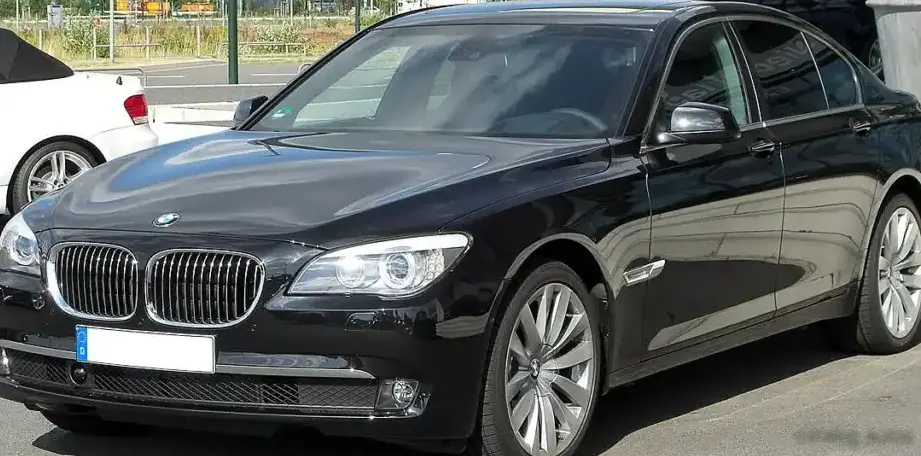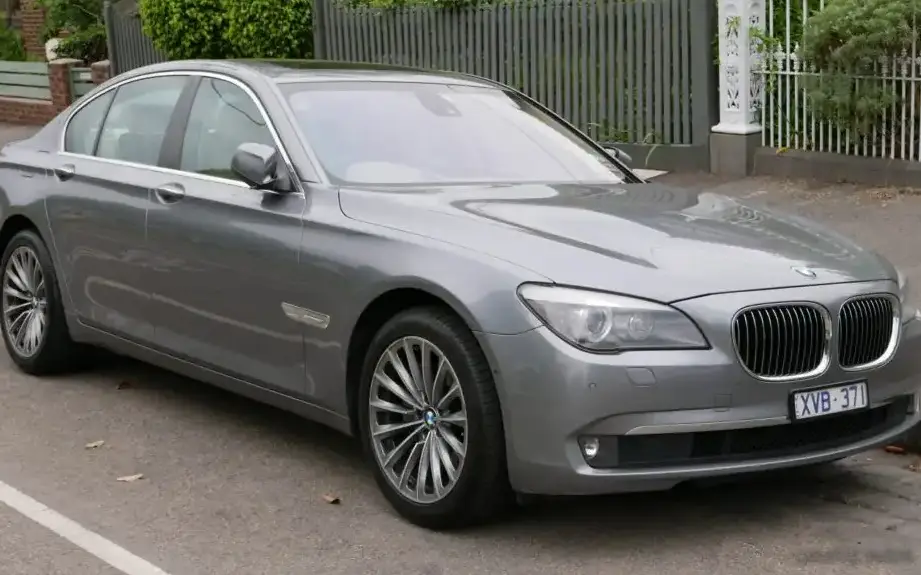
The BMW 740d, produced between 2008 and 2011 as part of the F01 generation of the 7 Series, represented a significant offering in the luxury sedan segment. Positioned as a diesel-powered alternative to the gasoline-fueled 750i, the 740d aimed to deliver a blend of performance, efficiency, and refinement. It was primarily marketed in Europe and other regions where diesel engines held a strong market share, offering a compelling option for long-distance drivers and those prioritizing fuel economy without sacrificing luxury. This variant occupied a mid-range position within the F01 lineup, bridging the gap between the entry-level 730d and the flagship 750i.
Technical Specifications
| Brand | BMW |
| Model | 7 Series |
| Generation | 7 Series (F01) |
| Type (Engine) | 740d (306 Hp) |
| Start of production | 2008 |
| End of production | 2011 |
| Powertrain Architecture | Internal Combustion engine |
| Body type | Sedan |
| Seats | 5 |
| Doors | 4 |
| Fuel consumption (urban) | 9 l/100 km (26.1 US mpg, 31.4 UK mpg, 11.1 km/l) |
| Fuel consumption (extra urban) | 5.7 l/100 km (41.3 US mpg, 49.6 UK mpg, 17.5 km/l) |
| Fuel consumption (combined) | 6.9 l/100 km (34.1 US mpg, 40.9 UK mpg, 14.5 km/l) |
| Fuel Type | Diesel |
| Acceleration 0 – 100 km/h | 6.3 sec |
| Acceleration 0 – 62 mph | 6.3 sec |
| Acceleration 0 – 60 mph | 6 sec |
| Maximum speed | 250 km/h (155.34 mph) |
| Weight-to-power ratio | 6.4 kg/Hp, 156.9 Hp/tonne |
| Weight-to-torque ratio | 3.3 kg/Nm, 307.7 Nm/tonne |
| Power | 306 Hp @ 4400 rpm |
| Power per litre | 102.2 Hp/l |
| Torque | 600 Nm @ 1500-2500 rpm (442.54 lb.-ft. @ 1500-2500 rpm) |
| Engine layout | Front, Longitudinal |
| Engine Model/Code | N57D30B |
| Engine displacement | 2993 cm3 (182.64 cu. in.) |
| Number of cylinders | 6 |
| Engine configuration | Inline |
| Cylinder Bore | 84 mm (3.31 in.) |
| Piston Stroke | 90 mm (3.54 in.) |
| Number of valves per cylinder | 4 |
| Fuel injection system | Diesel Commonrail |
| Engine aspiration | Twin-power turbo, Intercooler |
| Engine oil capacity | 6.5 l (6.87 US qt | 5.72 UK qt) |
| Coolant | 8.9 l (9.4 US qt | 7.83 UK qt) |
| Kerb Weight | 1950 kg (4299.01 lbs.) |
| Max. weight | 2505 kg (5522.58 lbs.) |
| Max load | 555 kg (1223.57 lbs.) |
| Fuel tank capacity | 80 l (21.13 US gal | 17.6 UK gal) |
| Length | 5072 mm (199.69 in.) |
| Width | 1902 mm (74.88 in.) |
| Height | 1479 mm (58.23 in.) |
| Wheelbase | 3070 mm (120.87 in.) |
| Front track | 1611 mm (63.43 in.) |
| Rear (Back) track | 1650 mm (64.96 in.) |
| Drivetrain Architecture | The Internal combustion engine (ICE) drives the rear wheels of the vehicle. |
| Drive wheel | Rear wheel drive |
| Number of gears and type of gearbox | 6 gears, automatic transmission |
Powertrain & Engine Architecture
The heart of the 740d is the N57D30B, a 3.0-liter inline-six diesel engine. This engine is a product of BMW’s extensive diesel technology development, featuring common-rail direct injection and a variable geometry turbocharger. The second-generation common-rail system, operating at significantly higher pressures than its predecessor, allowed for finer fuel atomization and more complete combustion, contributing to both power and efficiency. The twin-turbo setup, with a smaller turbo for quick response and a larger turbo for peak power, minimized turbo lag and provided a broad torque curve. The engine produced 306 horsepower at 4,400 rpm and a substantial 600 Nm (442 lb-ft) of torque between 1,500 and 2,500 rpm. This torque output was a key characteristic, providing effortless acceleration and strong in-gear performance. The engine was paired with a six-speed automatic transmission, specifically tuned to handle the engine’s torque output and deliver smooth shifts.
Driving Characteristics
The 740d offered a distinctly different driving experience compared to its gasoline-powered siblings. While lacking the outright acceleration of the 750i, the 740d excelled in providing a relaxed and refined cruising experience. The abundant low-end torque meant that overtaking maneuvers were executed with ease, and the engine felt remarkably unstressed even at highway speeds. The six-speed automatic transmission, while not as quick-shifting as some modern transmissions, was well-matched to the engine’s characteristics, providing smooth and predictable gear changes. Compared to the manual transmission options available on other 7 Series models, the automatic prioritized comfort and convenience over driver engagement. The 740d’s weight, approximately 1,950 kg (4,299 lbs), was noticeable, but the engine’s torque helped to mitigate the effects of the mass.
Equipment & Trim Levels
The 740d typically came well-equipped, reflecting its position as a luxury sedan. Standard features included leather upholstery, power-adjustable seats with memory function, a premium sound system, automatic climate control, and a navigation system. Exterior features included alloy wheels, xenon headlights, and parking sensors. Optional extras included features like active steering, adaptive cruise control, a rear-seat entertainment system, and upgraded leather trim. The interior design was consistent with other F01 7 Series models, emphasizing a blend of luxury and technology. Dashboard layout was driver-focused, with a central information display and intuitive controls.
Chassis & Braking
The F01 7 Series featured a sophisticated chassis design aimed at providing a comfortable and controlled ride. The 740d utilized a double-wishbone front suspension and an integral-link rear suspension. The suspension was tuned to prioritize ride comfort, but also offered good body control. The braking system consisted of ventilated disc brakes on all four wheels, coupled with ABS, DSC (Dynamic Stability Control), and other electronic stability aids. The 740d typically featured smaller rear brake rotors compared to the higher-performance 750i, reflecting the lower weight and performance demands.
Market Reception & Comparison
The 740d was generally well-received by automotive critics, who praised its blend of performance, efficiency, and refinement. It was often seen as a more sensible alternative to the 750i, particularly for drivers who covered long distances. Fuel economy was a key selling point, with the 740d offering significantly better mileage than its gasoline-powered counterpart. Compared to the 730d, the 740d offered a substantial power increase, resulting in noticeably improved acceleration and overall performance. Reliability was generally good, although some owners reported issues with the diesel particulate filter (DPF) and other emissions control components.
Legacy
The N57D30B engine, found in the 740d, proved to be a robust and reliable powerplant. While diesel engines, in general, have faced increased scrutiny regarding emissions, the N57 engine remains highly regarded for its durability and performance. On the used car market, the F01 740d represents a relatively affordable entry point into the BMW 7 Series range. Maintenance costs can be higher than comparable gasoline models due to the complexity of the diesel engine and its emissions control systems, but the long-term fuel savings can offset these costs. The 740d remains a compelling option for buyers seeking a luxurious and efficient grand tourer.