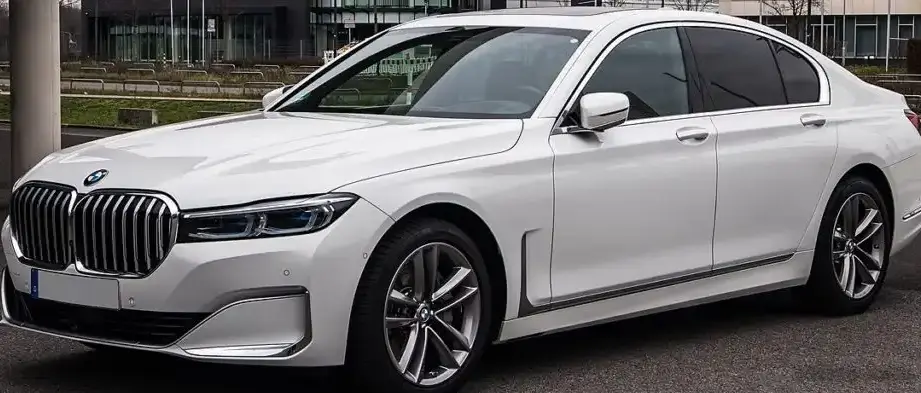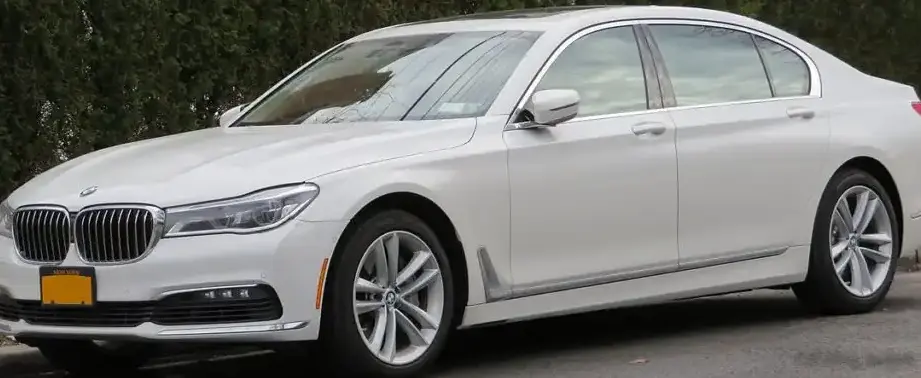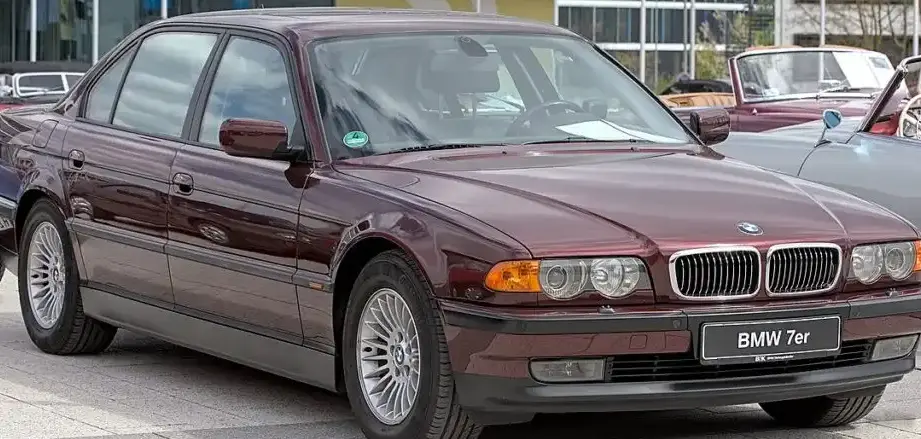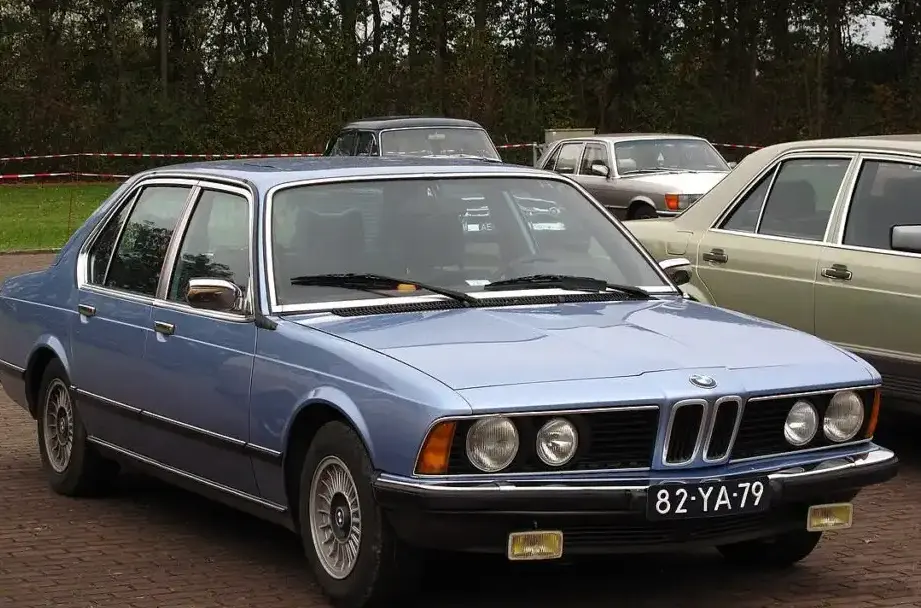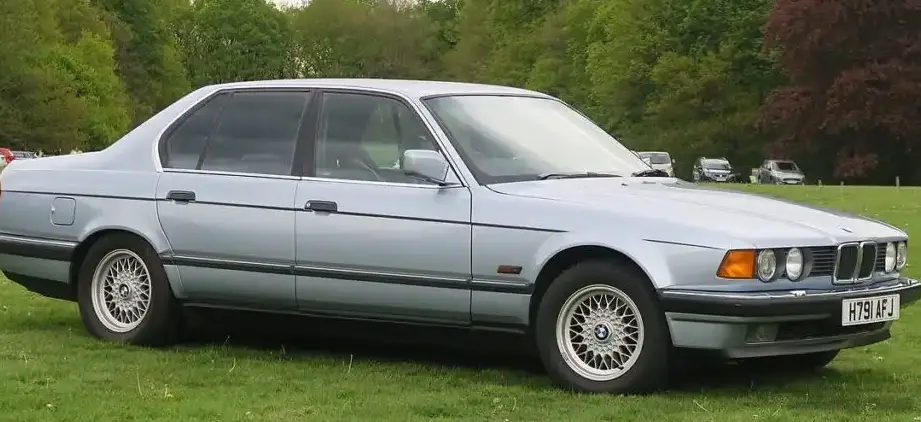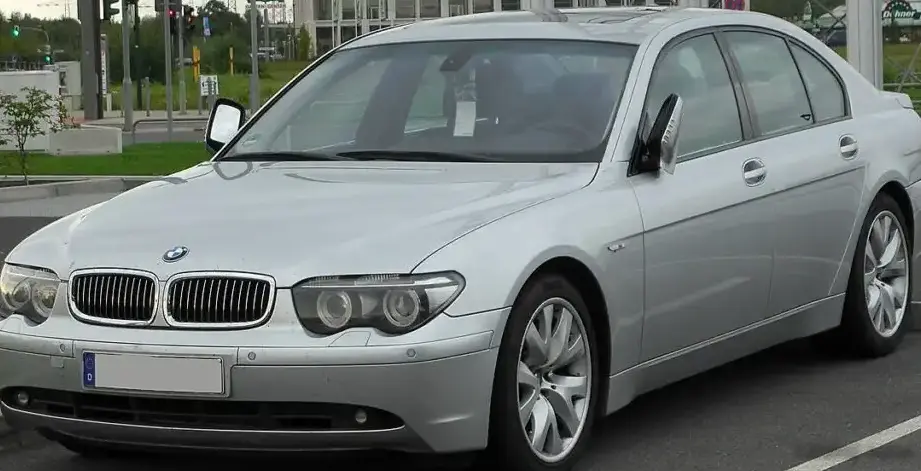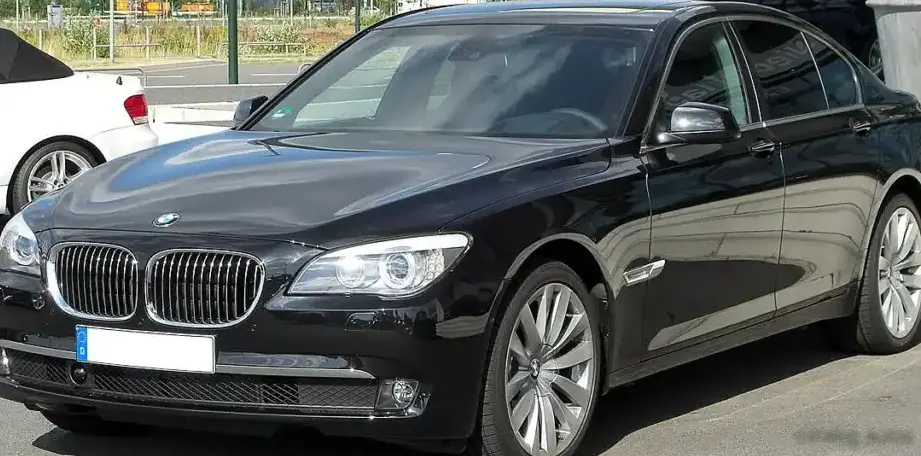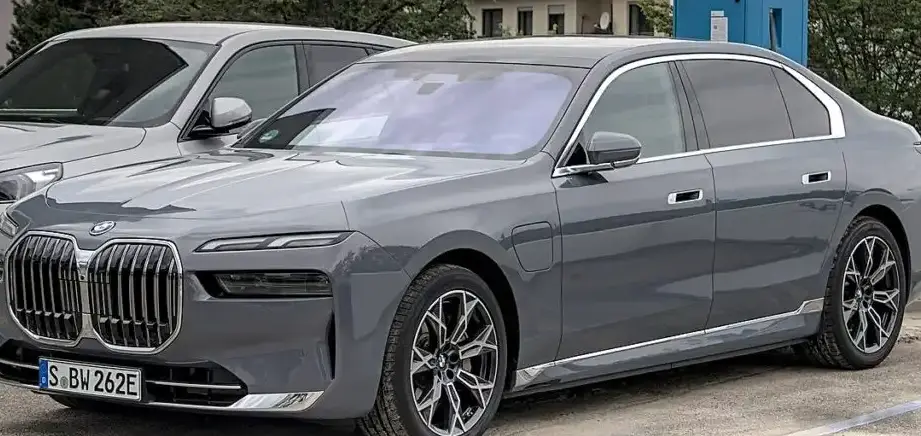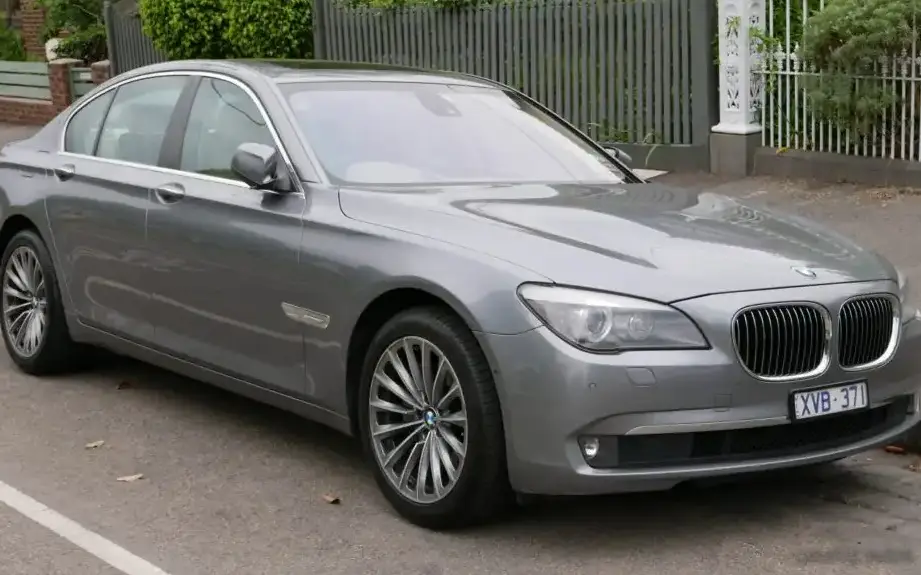
The BMW 740i, part of the F01 generation of the 7 Series produced from 2008 to 2011, represented a significant step forward in luxury and technology for the German automaker. Positioned as a mid-range offering within the 7 Series lineup – sandwiched between the entry-level 730d and the flagship 750i – the 740i aimed to deliver a compelling blend of performance, refinement, and standard features. It served as a key model in BMW’s attempt to regain market share in the full-size luxury sedan segment, competing directly with vehicles like the Mercedes-Benz S-Class and the Audi A8. The “Steptronic” designation refers to the six-speed automatic transmission equipped as standard. This variant aimed to provide a balance between the fuel efficiency of the 730d and the outright performance of the 750i, targeting buyers who desired a luxurious experience without the highest price tag or fuel consumption.
Technical Specifications
| Brand | BMW |
| Model | 7 Series |
| Generation | 7 Series (F01) |
| Type (Engine) | 740i (326 Hp) Steptronic |
| Start of production | 2008 |
| End of production | 2011 |
| Powertrain Architecture | Internal Combustion engine |
| Body type | Sedan |
| Seats | 5 |
| Doors | 4 |
| Fuel consumption (urban) | 13.8 l/100 km (17 US mpg, 20.5 UK mpg, 7.2 km/l) |
| Fuel consumption (extra urban) | 7.6 l/100 km (30.9 US mpg, 37.2 UK mpg, 13.2 km/l) |
| Fuel consumption (combined) | 9.9 l/100 km (23.8 US mpg, 28.5 UK mpg, 10.1 km/l) |
| Fuel Type | Petrol (Gasoline) |
| Acceleration 0 – 100 km/h | 5.9 sec |
| Acceleration 0 – 62 mph | 5.9 sec |
| Acceleration 0 – 60 mph | 5.6 sec |
| Maximum speed | 250 km/h (155.34 mph) |
| Emission standard | Euro 5 |
| Weight-to-power ratio | 5.7 kg/Hp, 175.3 Hp/tonne |
| Weight-to-torque ratio | 4.1 kg/Nm, 241.9 Nm/tonne |
| Power | 326 Hp @ 5800 rpm |
| Power per litre | 109.4 Hp/l |
| Torque | 450 Nm @ 3500 rpm (331.9 lb.-ft. @ 3500 rpm) |
| Engine layout | Front, Longitudinal |
| Engine Model/Code | N54B30A |
| Engine displacement | 2979 cm3 (181.79 cu. in.) |
| Number of cylinders | 6 |
| Engine configuration | Inline |
| Cylinder Bore | 84 mm (3.31 in.) |
| Piston Stroke | 89.6 mm (3.53 in.) |
| Compression ratio | 10.2:1 |
| Number of valves per cylinder | 4 |
| Fuel injection system | Direct injection |
| Engine aspiration | Turbocharger, Intercooler |
| Engine oil capacity | 6.5 l (6.87 US qt | 5.72 UK qt) |
| Coolant | 9 l (9.51 US qt | 7.92 UK qt) |
| Kerb Weight | 1860 kg (4100.6 lbs.) |
| Max. weight | 2505 kg (5522.58 lbs.) |
| Max load | 645 kg (1421.98 lbs.) |
| Trunk (boot) space – minimum | 500 l (17.66 cu. ft.) |
| Fuel tank capacity | 82 l (21.66 US gal | 18.04 UK gal) |
| Length | 5072 mm (199.69 in.) |
| Width | 1902 mm (74.88 in.) |
| Height | 1479 mm (58.23 in.) |
| Wheelbase | 3070 mm (120.87 in.) |
| Front track | 1611 mm (63.43 in.) |
| Rear (Back) track | 1650 mm (64.96 in.) |
| Minimum turning circle | 12.2 m (40.03 ft.) |
| Drivetrain Architecture | Rear wheel drive |
| Number of gears | 6 |
| Gearbox type | Automatic transmission |
| Front suspension | Double wishbone |
| Rear suspension | Independent multi-link spring suspension with stabilizer |
| Front brakes | Ventilated discs |
| Rear brakes | Ventilated discs |
| Assisting systems | ABS (Anti-lock braking system) |
| Steering type | Steering rack and pinion |
| Power steering | Hydraulic Steering |
| Tires size | 245/50 R18 100Y RSC |
| Wheel rims size | 8J x 18EH2+IS30 |
Powertrain & Engine Architecture
The heart of the 740i was the N54B30A, a 3.0-liter inline-six engine. This engine was a technological showcase for BMW, featuring direct fuel injection, a twin-scroll turbocharger, and variable valve timing (VANOS) on both the intake and exhaust camshafts. The direct injection system allowed for precise fuel delivery, improving both power and efficiency. The twin-scroll turbocharger minimized turbo lag, providing a more responsive driving experience. The N54 engine was known for its tunability, and many owners opted for aftermarket modifications to increase power output. The six-speed “Steptronic” automatic transmission was designed to provide smooth and seamless gear changes. It featured adaptive shift programs that adjusted to the driver’s style and driving conditions. Manual shift capability was also available via steering wheel-mounted paddles or the gear selector. The transmission’s programming prioritized comfort and refinement over aggressive shifting, aligning with the 7 Series’ overall character.
Driving Characteristics
The 740i offered a refined and comfortable driving experience. While not as overtly sporty as the 750i, the 326 horsepower and 331 lb-ft of torque provided ample power for both city driving and highway cruising. Acceleration from 0 to 60 mph took approximately 5.6 seconds. The automatic transmission was well-matched to the engine, providing smooth upshifts and downshifts. The gear ratios were tuned for a balance of performance and fuel economy. Compared to the 730d, the 740i offered significantly more power and a more engaging driving experience. However, it lacked the ultimate performance of the 750i’s V8 engine. The 740i’s suspension provided a comfortable ride, absorbing bumps and imperfections in the road with ease. The steering felt precise and well-weighted, contributing to a confident driving experience. The overall impression was one of effortless cruising and relaxed performance.
Equipment & Trim Levels
The 740i came standard with a comprehensive list of features, including leather upholstery, power-adjustable front seats with memory function, a premium sound system, a navigation system, and a sunroof. Optional extras included rear-seat entertainment, massaging seats, and a head-up display. Interior trim options included various wood veneers and aluminum accents. The dashboard layout was clean and modern, with a focus on ergonomics and ease of use. The iDrive infotainment system controlled many of the vehicle’s functions, including navigation, audio, and climate control. The 740i typically sat in a middle ground in terms of trim, offering a substantial level of luxury without requiring the extensive customization options available on the 750i.
Chassis & Braking
The F01 7 Series featured a robust chassis with a double-wishbone front suspension and an independent multi-link rear suspension. This suspension setup provided a comfortable ride and precise handling. Ventilated disc brakes were used on all four wheels, providing ample stopping power. The 740i was equipped with ABS (Anti-lock Braking System), DSC (Dynamic Stability Control), and traction control. The steering was hydraulic power-assisted, providing a responsive and precise feel. The chassis was designed to minimize noise, vibration, and harshness, contributing to the 740i’s overall refinement.
Market Reception & Comparison
The 740i was generally well-received by automotive critics. It was praised for its refined driving experience, luxurious interior, and advanced technology. However, some critics noted that the iDrive system could be complex and difficult to use. Compared to the 730d, the 740i offered a noticeable performance advantage, but at a higher price point. The 750i provided even more power and luxury, but came with a significantly higher price tag. Fuel economy was respectable for a vehicle of its size and performance, averaging around 23.8 US mpg in combined driving. The 740i represented a sweet spot in the lineup for buyers who wanted a luxurious and capable sedan without the expense of the top-tier model.
Legacy
The N54 engine, while technologically advanced, has proven to be somewhat prone to certain issues over time, including fuel injector failures and turbocharger problems. However, with proper maintenance, the engine can remain reliable for many years. The 740i has become a popular choice among enthusiasts looking for a luxurious and capable grand tourer at a relatively affordable price. Today, well-maintained examples of the F01 740i can be found on the used car market, offering a compelling combination of luxury, performance, and value. The car represents a pivotal moment in BMW’s history, showcasing the brand’s commitment to innovation and engineering excellence. The combination of the inline-six engine and the six-speed automatic transmission, while not the most cutting-edge today, provided a smooth and enjoyable driving experience that continues to appeal to enthusiasts.